Who was Mãe Senhora de Ewá, the ialorixá raised in Gantois
Mãe Senhora de Ewá (Yewa), Elza Bahia de Araújo, died at 104 years old in Salvador. Raised in Gantois and initiated for Ewá by Mãe Menininha in 1950, she led the Omí Ewá.
Read articleThe Candomblé faithfully preserves the religious traditions of the African peoples brought to Brazil between the 16th and 19th centuries. In this section, you will find explanations about the nations (Ketu, Jeje, Angola), the initiation, the offerings, the Orixás, and the secrets that link the axé to the daily life of the terreiro.
49 articles published in this category
Mãe Senhora de Ewá (Yewa), Elza Bahia de Araújo, died at 104 years old in Salvador. Raised in Gantois and initiated for Ewá by Mãe Menininha in 1950, she led the Omí Ewá.
Read article
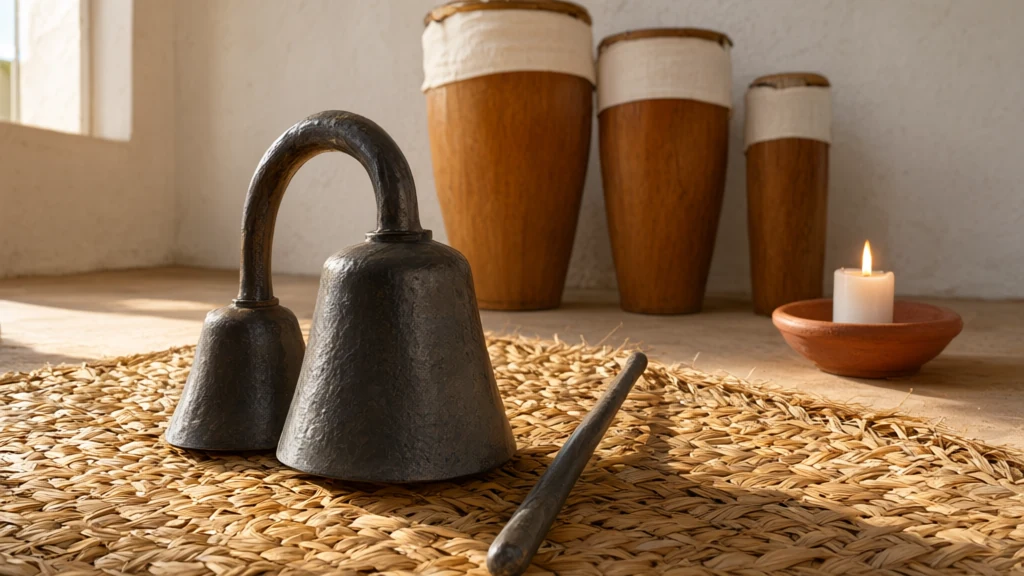
Agogô is the iron bell that provides the guiding line of the toque in candomblé and in umbanda. See the difference for the gã, who plays, the connection with Ogum (Ogun), and the origin of the name.
Read article
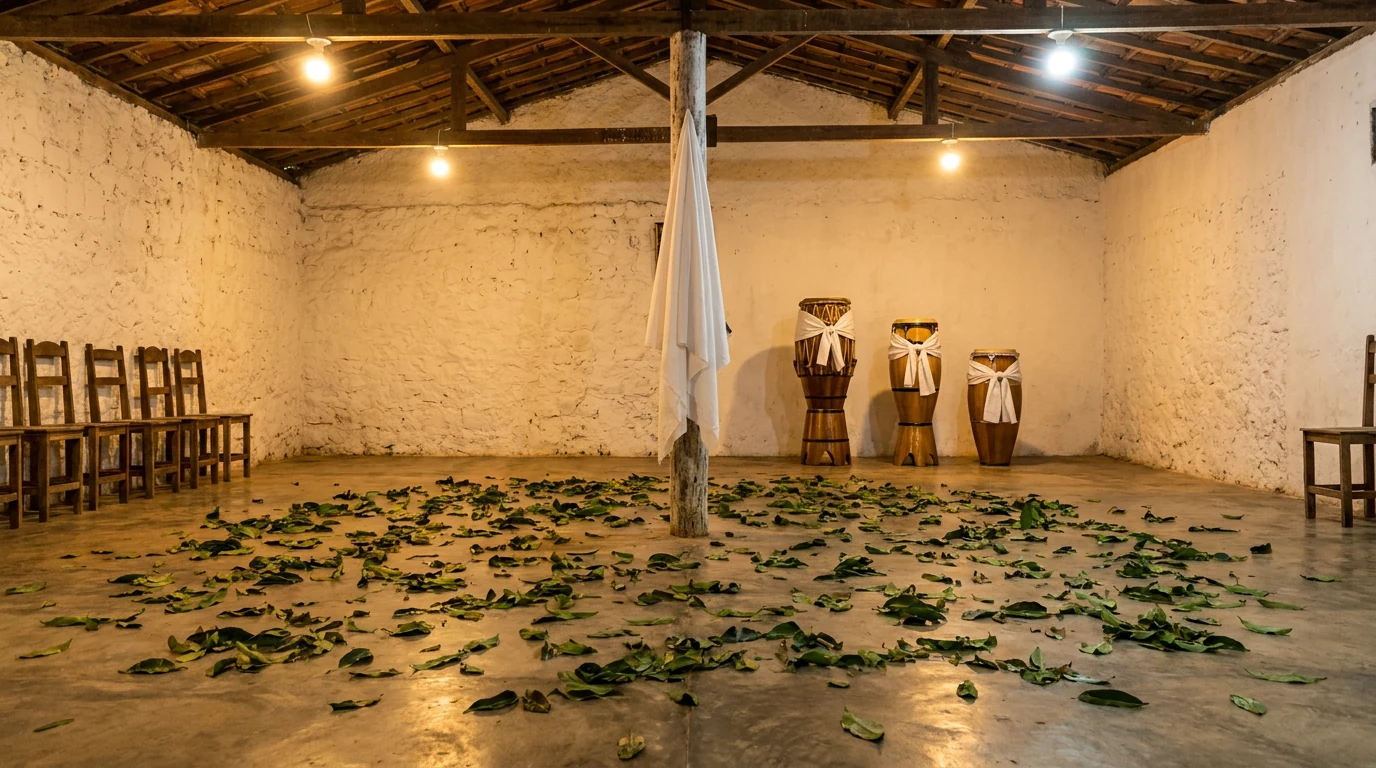
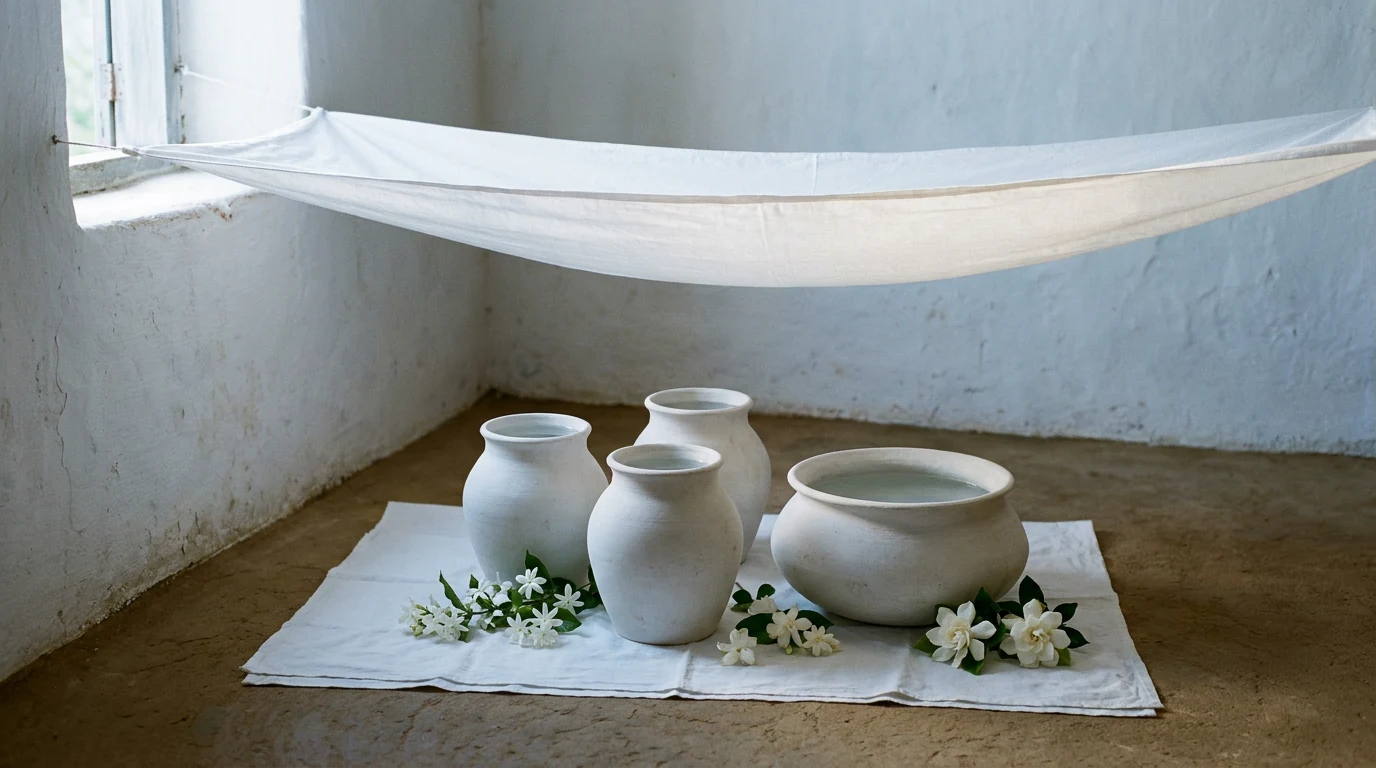
Águas de Oxalá (Obatala): what happens from Thursday to Dia do Pilão, why everything turns white and why the date changes from house to house in candomblé ketu and nagô.
Read article
National Day to Combat Religious Intolerance is January 21, by Law 11.635. See the law, the history of Mãe Gilda, and the difference from March 21.
Read article
The law against religious intolerance is Law 7.716/1989: art. 20 provides for imprisonment of 1 to 3 years and a fine. See the other articles, the penalties, and what the law does not say.
Read article
Religious racism is the attack on Afro-Brazilian religions linked to racism. See the difference from religious intolerance, the law, the report, and the numbers.
Read article
Terreiros listed by IPHAN: the list with city, nation, date of decision and registration date of each house, what the listing protects and how it differs from registration.
Read article
The odu of the year is the sign that the oracle gives for the new year, drawn by priests, and not by account. See the 16 odus, the odu of 2026 and why the sum of the date fails.
Read article
The most cited ruling orixá (orisha) of 2027 is Iemanjá (Yemoja), because the year begins on a Friday. See who has already announced, by which method and when the candomblé casts.
Read article
Marie Laveau was a free black woman from New Orleans, a Voodoo priestess and Catholic her whole life. See what the records prove and what became legend.
Read article
Hoodoo is the African-American magic system of the southern United States. See where it came from, why it uses psalms from the Bible and what the difference is from vodu.
Read article
Who is Doum: the name comes from Ìdòwú, which in Yoruba names those born after twins. See what is documented, what is devotion, and what has no source at all.
Read article
The voodoo doll exists, but the true figure protects instead of harming. See what the bocio of the Fon is, and how the pin became a cliché in 1930s cinema.
Read article
Vodu is a religion of African origin born in ancient Daomé, where Benin and Togo are today. See the origin, who the voduns are, and how the worship arrived in Brazil.
Read article
Haitian Vodu and Candomblé Jeje come from the same African trunk. See who the lwa are, what the house of worship is like, and what resembles the Brazilian terreiro.
Read article
The voduns are the deities of the Jeje nation. See who each one is, the houses of Bahia and Maranhão, and what changes on the floor of the barracão when the house is from Mina.
Read article
In the xirê, the circle turns counter-clockwise and each gesture recalls an orixá. See who enters the circle, what the body does, and what happens when the orixá arrives.
Read article
There is no formal written prohibition, but Candomblé Ketu houses prefer burial in the earth. See why, the case of the drawer, who decides, and what the law requires.
Read article
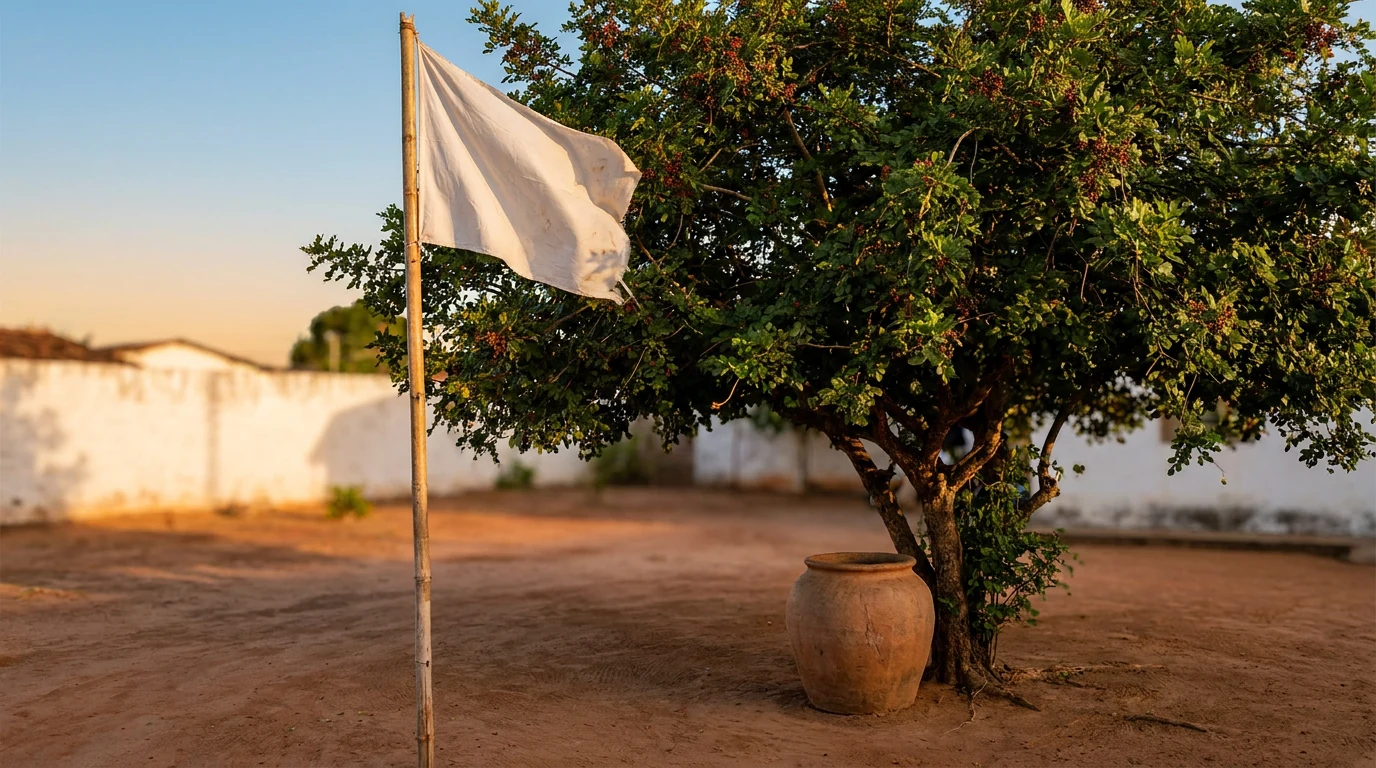
Tempo orixá: who is Kitembo, the inquice of Candomblé de Angola, what the white flag means, the colors, the festival of August 10, and the connection with Iroko.
Read article
How to ask for a blessing in Candomblé ketu without making mistakes: what motumbá and mo júbà are, when the gesture is dobale and when it is iká, and to whom you should not ask for a blessing.
Read article
Who can perform bori: non-initiates, abiã and iaô can receive. See what the house requires first, the resguardo (period of ritual restraint) that comes after, and why the ritual is not performed at home.
Read article
Understand what the peji is, the santo room where the orixás' assentamentos are kept, who can enter, what the pejigã oversees and how the space changes in each nation.
Read article
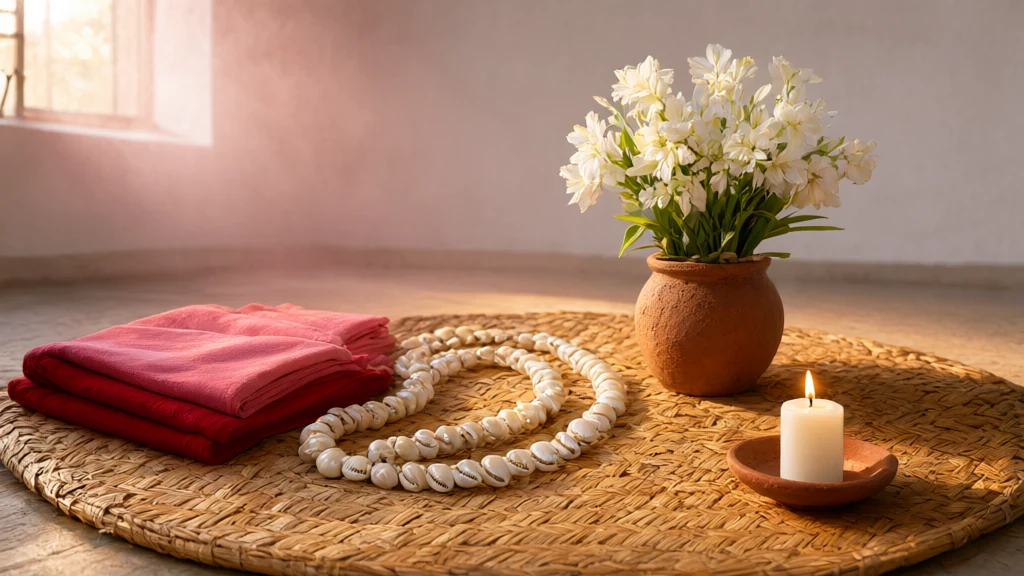
Pano da costa: what it is for, how to tie it at each level of initiation, the difference in relation to the ojá, the correct measurement and why the piece is for female use.
Read article
The clay alguidar is the plate where the offering is served in Candomblé and Umbanda. See what it is for, what size to use, and why the clay cannot have varnish.
Read article
Orunkó is the initiation name received in the initiation of Candomblé Ketu. See how the name arrives, how it is announced at the exit of iaô and what changes in each nation.
Read article
Egum in Candomblé is not an evil spirit. Understand what Babá Egungun is, why the worship is separate from that of the orixá and how it survived on the Island of Itaparica.
Read article
Meet the inquices of Candomblé de Angola: who is each one, from Nkosi to Lemba, their function, their origin in Kongo and the corresponding orixá in parallel with Ketu.
Read article
Acaçá is the white corn dough wrapped in a banana leaf. See the fundamento, the difference between èko and àkàsà, who receives it and the name in each nation.
Read article
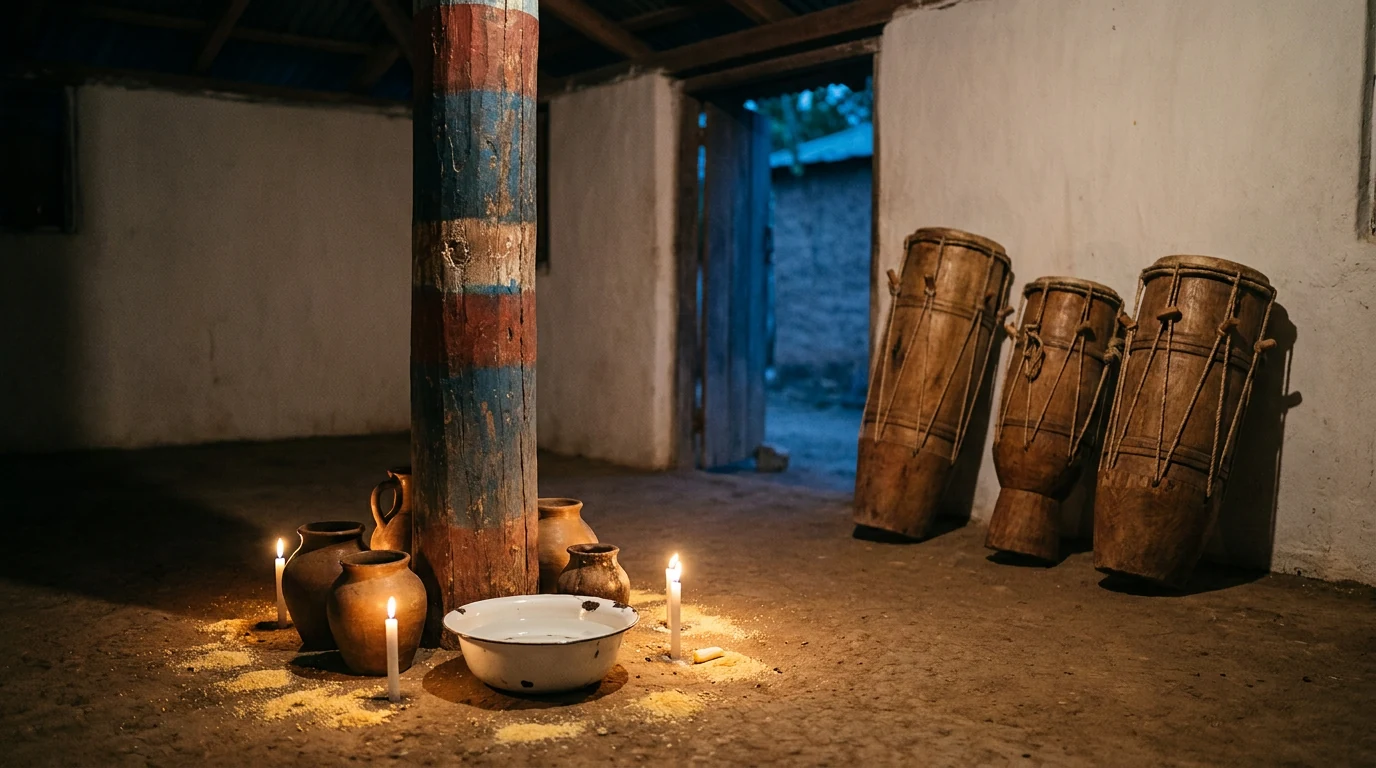
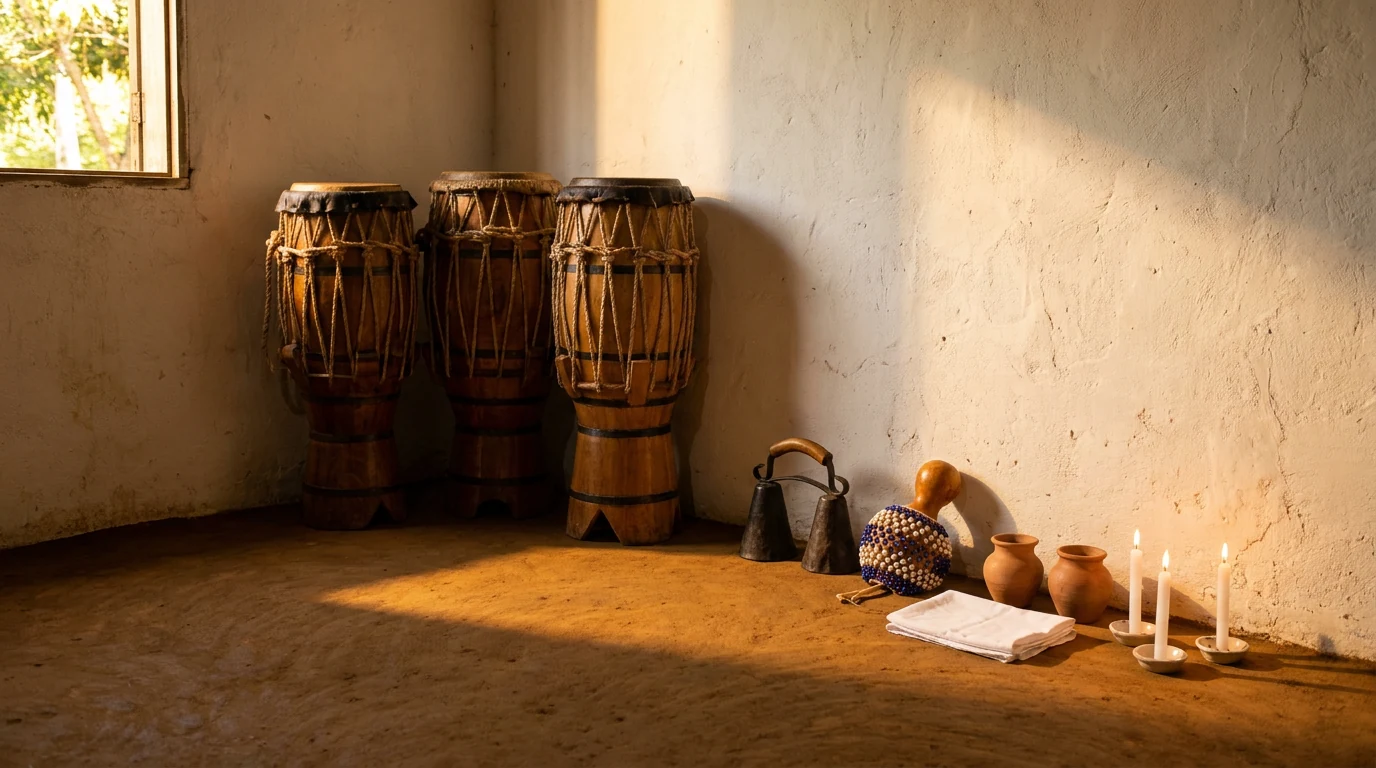
Candomblé atabaques: what rum, rumpi, and lé do in the xirê, who holds the position to play, aguidavi or mão, and which toques call each Orixá in each nation.
Read article
Obligations in Candomblé: what changes in each cycle, from the first year to the deká of seven years, and how ketu, jeje and angola name each stage of the life of santo.
Read article
Candomblé de caboclo worships the enchanted ones of the earth alongside the orixás. Understand the Bahian origin, the connection with the Angola nation, Jurema, and July 2nd.
Read article
What is axexê, the funeral rite of Candomblé: the three purposes, the destiny of the assentamentos, who goes through it, how long it lasts and the names in each nation.
Read article
Understand what it means to be iaô in Candomblé: the feitura de santo, the camarinha, the quelê, the resguardo and the obligations of 1, 3 and 7 years until becoming ebomi.
Read article
What is Ori in Candomblé: the sacred head, the personal orixá that guides destiny, the difference between ori inu and ori ode and why it is praised first.
Read article
Assentamento of orixá: what is the igbá orixá in Candomblé, the role of the otá, how the axé is fixed and why only the babalorixá prepares this sacred foundation.
Read article
What is the jogo de búzios, the merindilogun of Candomblé? Understand how the reading of the odus works, who can perform it, and the difference from the Ifá oracle.
Read article
Angola Candomblé Dialect Dictionary: more than 70 words in kimbundu and kikongo with translation, from Nzambi to Sakidila, organized by theme and how to use them.
Read article
The xirê is the circle of chants and dances that greets the orixás in Candomblé. Understand the order in ketu, the greetings, the padê de Exu (Eshu), and the sense of the ancestral circle.
Read article
Understand the roles in Candomblé: abiã, iaô, ebômi, ekedi, ogã, and the zelador. Who enters a trance, who sustains the house, and how seniority works.
Read article
Axé, from the Yoruba àṣẹ, is the vital force that animates orixás, people, leaves and the word. See the meaning in Umbanda and Candomblé and why it became a greeting.
Read article
Ebó is an offering, a ritual exchange to cleanse, thank, or ask, and not a spell. See what it is for, the most common types, and who can prescribe an ebó.
Read article
Olubajé is the great healing banquet of Omolu (Obaluaê), celebrated in August in Candomblé. Understand the meaning, when it happens and what is eaten in the rite.
Read article
Quizila is the ritual prohibition that the filho de santo keeps in Candomblé and, in common Portuguese, antipathy. See the table of quizilas for each orixá, from Exu to Oxalá.
Read article
Nkise, nkisi or inquice? Understand what an nkise is: the divinity of Angola Candomblé, the Bantu sense of receptacle of force and why it is not just an orixá.
Read article
Understand the nations of Candomblé: the differences between Ketu, Jeje and Angola in origin, liturgical language, toque and deities (orixá, vodun and inquice).
Read article
Mene Mene, Toma Kwiza, Ngunzo: understand the greetings of Candomblé de Angola, what each Bantu word means, and when to use them upon arriving at an Angola house.
Read article
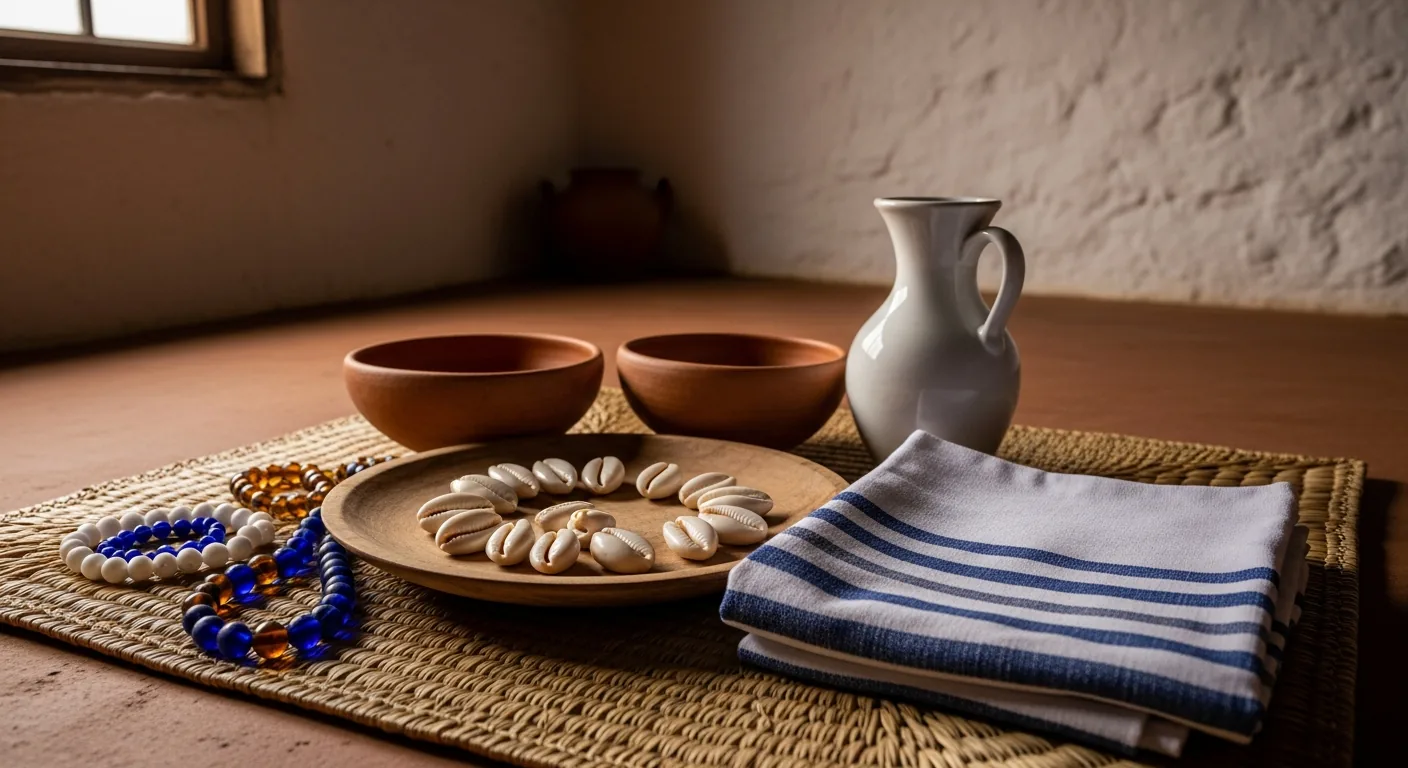
What are the zuelas (muimbus) of Candomblé de Angola, the table linking inquices and orixás, from Aluvaiá to Lemba, and a playlist to listen to the chants.
Read article
Understand what Bori is in Candomblé: the ritual of giving food to the head (ori), why it is the first obrigação and how it differs from the feitura of orixá.
Read article
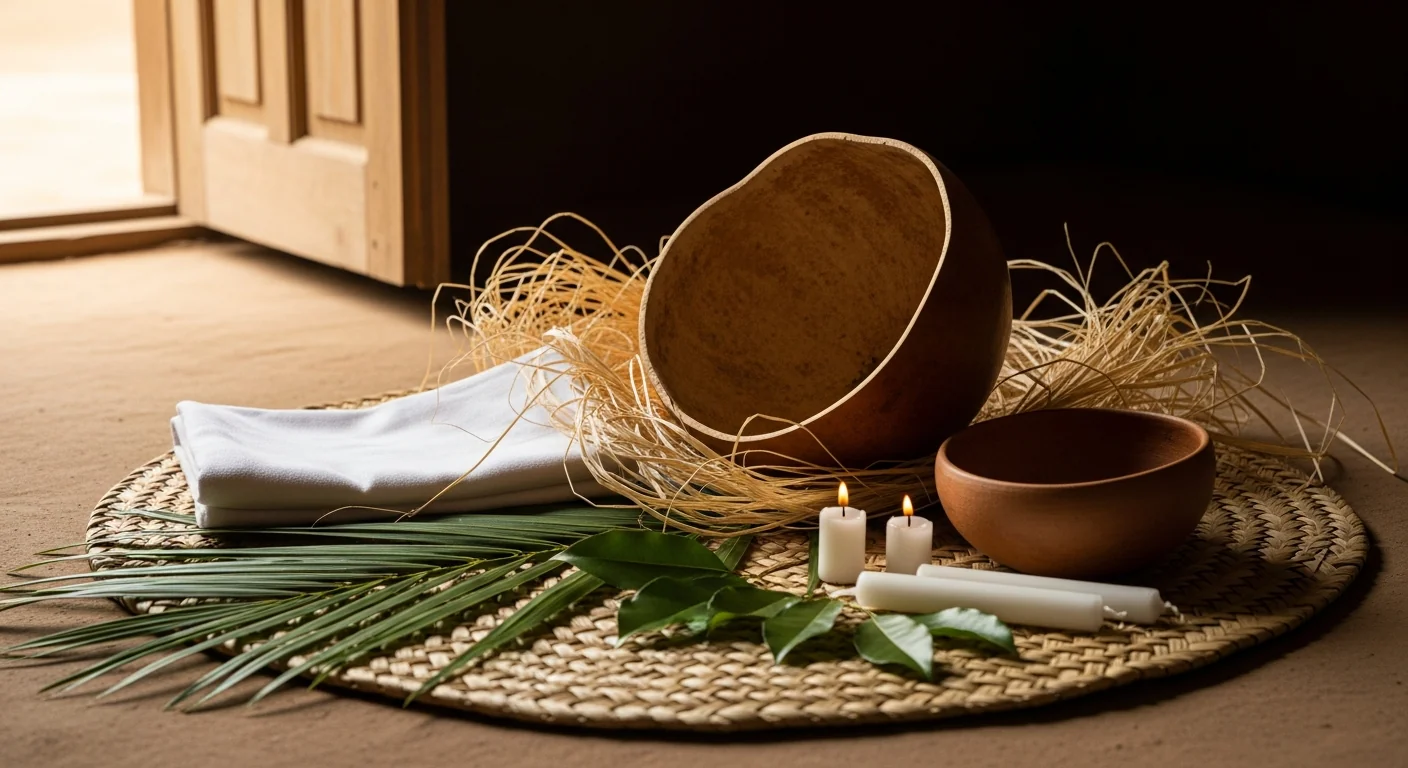
Understand what Candomblé is: the origin in Bahia, the Ketu, Jeje, and Angola nations, the worship of orixás, how the terreiro works, and why it is not a spell.
Read articleNo articles found for .