Joia Mística Laroyê
PT

Candomblé

The Afro-Brazilian religious tradition that faithfully preserves the rites, language, and faith of the African peoples brought to Brazil.

Origin & Tradition

What is Candomblé?

The Candomblé is one of the oldest Afro-Brazilian religions, brought to Brazil by enslaved African peoples between the 16th and 19th centuries. Unlike Umbanda, which was born in Brazil, Candomblé preserves African traditions with great fidelity, especially from the Yoruba, Jeje, and Bantu peoples.

In Candomblé, rituals are performed in nagô language (yorùbá) or other African languages depending on the nation. The Orixás do not manifest directly through spirits of the dead; the filhos de santo are initiated and receive the energy of the Orixás directly in their bodies.

Candomblé terreiros are led by Babalorixás (fathers of santo) or Yalorixás (mothers of santo), who carry sacred knowledge from decades of initiation and practice.


Fundamental concepts

Axé: Sacred energy that sustains all life and rituals
Orixá: Divinity that governs forces of nature and aspects of life
Terreiro: Sacred space where rituals are performed
Feitura: The initiation process of the filho de santo
Iaô: Recent initiate, in a period of learning

The nations of Candomblé

Each nation represents a specific African tradition, with its own language, rhythms, and rituals.

Candomblé arrived in Brazil with enslaved African peoples and resisted centuries of persecution. Each nation corresponds to an African ethnic and linguistic group that preserved, on Brazilian lands, its own way of worshipping the deities. Therefore, when speaking of nation, we speak of an entire cultural heritage: the language of the chants, the rhythms of the atabaques, the names of the deities, and the order of the rituals.

Despite the differences, all nations share common principles: the worship of ancestors, the search for axé and the oral transmission of knowledge from generation to generation, from the elders to the younger ones within the terreiro.

Ketu Nation

Yorùbá People (Nigeria/Benin)

The most widespread in Brazil. The Orixás have Yorùbá names: Xangô (Shango), Oxum (Oshun), Iemanjá (Yemoja). Rituals in nagô. Cradle: Salvador-BA.

Jeje nation

Ewe-Fon People (Dahomey/Benin)

The Orixás are called Voduns. Highlights: Mawu-Lisa, Sakpata, Dan. Strong presence in Maranhão and Bahia.

Angola nation

Bantu People (Angola/Congo)

The Orixás are called Inquices. Own rhythms and chants. Inkosi Mu Nzambi is the supreme God.

Items for your practice

portrait

Orixá Statues

All the deities of the Ketu, Jeje, and Angola nations

checkroom

Orixá Vestments

Ritual clothing for filhos de santo and initiations

music_note

Instruments

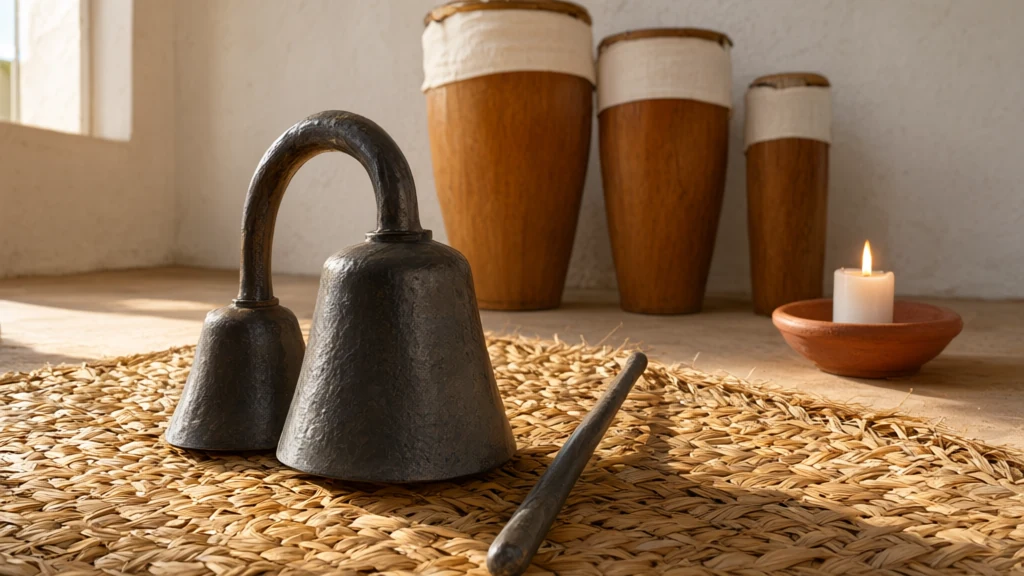
Atabaques, agogôs, xequerês, and other sacred instruments

diamond

Necklaces & Guias

Bead necklaces by Orixá, with the correct colors and beads

Frequently Asked Questions

Frequently asked questions about Candomblé

Candomblé is an African-rooted religion that preserves the rites, language, and liturgy of the peoples brought from Africa, with worship of the Orixás through initiation. Umbanda was born in Brazil in 1908, and combines elements of Candomblé, Kardecist Spiritism, and popular Catholicism, working with spirits such as Caboclos, Pretos-Velhos, and Children. In Candomblé, the Orixás manifest in initiated children of the orixá (filhos de santo); in Umbanda, the incorporation of guide spirits predominates.
A shop of faith

Explore the spiritual traditions

Knowledge & Faith

Items about Candomblé

See all arrow_forward
Interior of the Joia Mística Laroyê shop in Extrema, Minas Gerais

Extrema, Minas Gerais · South of Minas

Come visit Joia Mística Laroyê

Candles, herbs, statues, bead necklaces and everything for your faith, with service from those who understand. Ask your questions via WhatsApp or pay us a visit.

R. Benedito Zingari, 460, Bela Vista, Extrema-MG
Mon to Fri, 9am to 6pm · Sat, 9am to 1pm