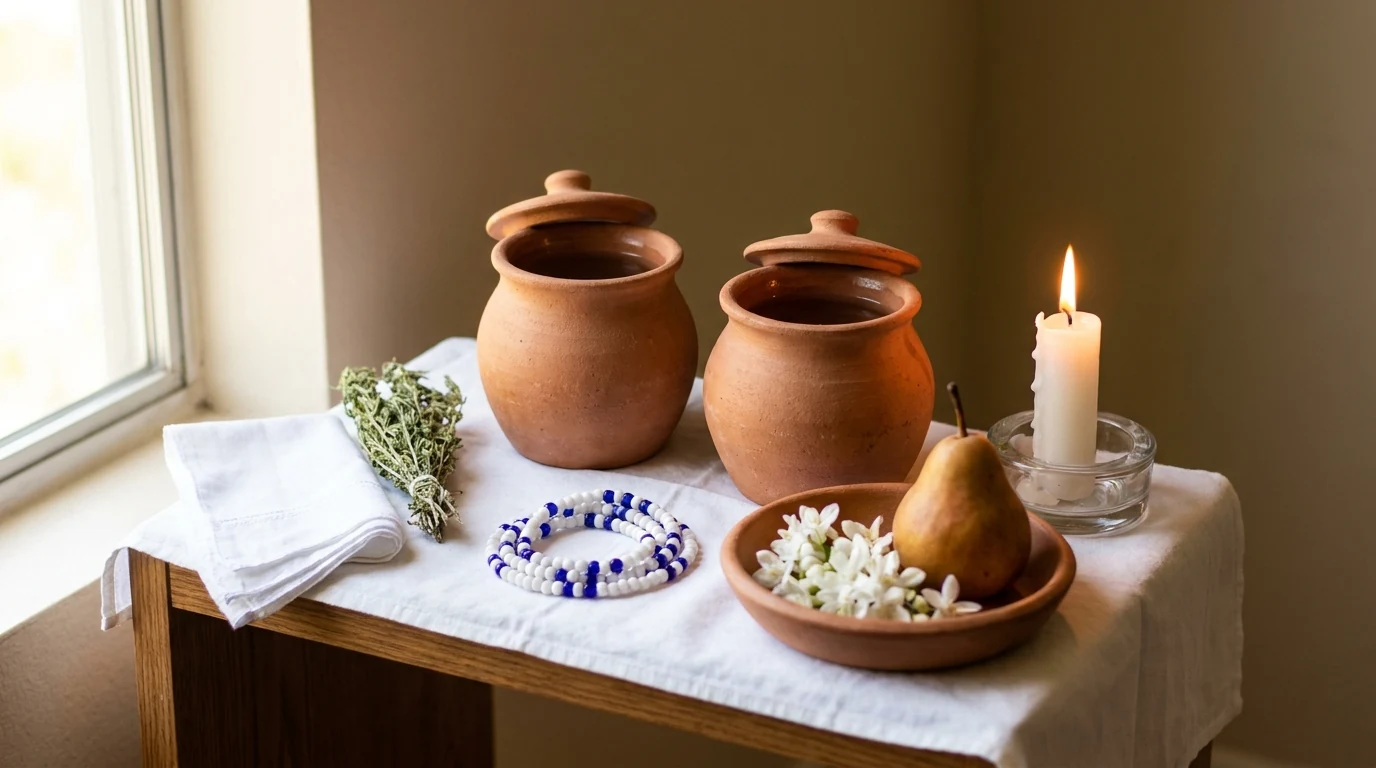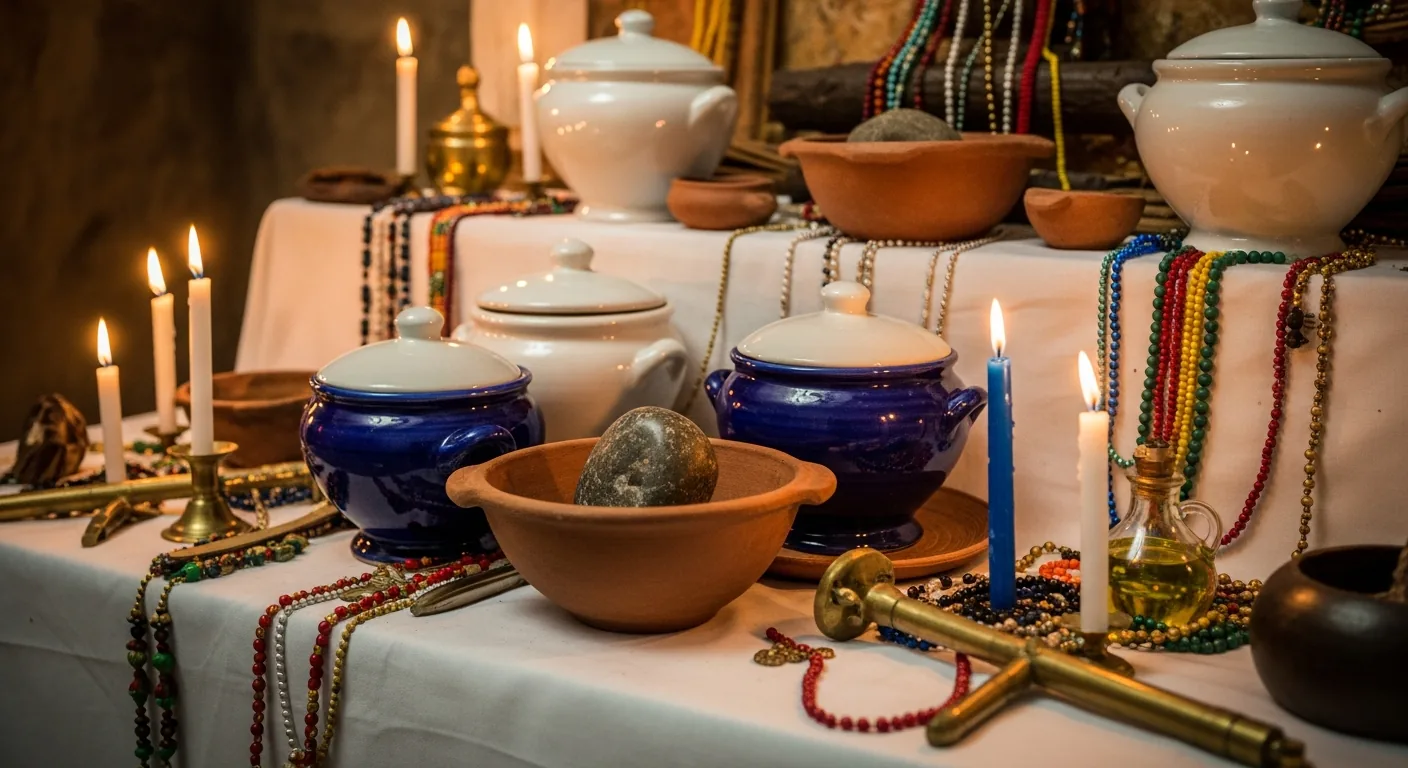
The assentamento de santo is one of the most sacred foundations of Candomblé. It is in it that the axé of an Orixá is fixed in matter, giving the filho-de-santo a concrete connection with their divinity. Far beyond an altar decoration, the assentamento is the living dwelling of the Orixá within the terreiro.
This guide shows what the assentamento de santo is and what the role of the otá is. You will see what usually composes this foundation and why only the pai or mãe de santo can prepare it. All with respect to what each house and each nation keep as a secret.
What is the assentamento de santo
The assentamento de santo, also called igbá orixá, is the ritual process that links the immaterial force of an Orixá to a material body. This body is a set of elements kept in a sacred container. There, the axé of the divinity begins to inhabit and stay alive.
Think of the assentamento as the earthly house of the Orixá. It is through it that the filho-de-santo worships, feeds, and talks with their divinity throughout life. Each igbá belongs to a specific Orixá and carries the elements linked to their nature.
The assentamento is not a decorative object. It is a living foundation, which requires respect, care, and the constant guidance of your casa de santo.
Therefore, in Candomblé, one does not set up an assentamento alone, following an internet recipe. It is born from a ritual work conducted by the sacerdote, within the secrets of tradition. What is explained here is the general meaning, never the internal mystery of each house.
The otá: the stone that guards the axé
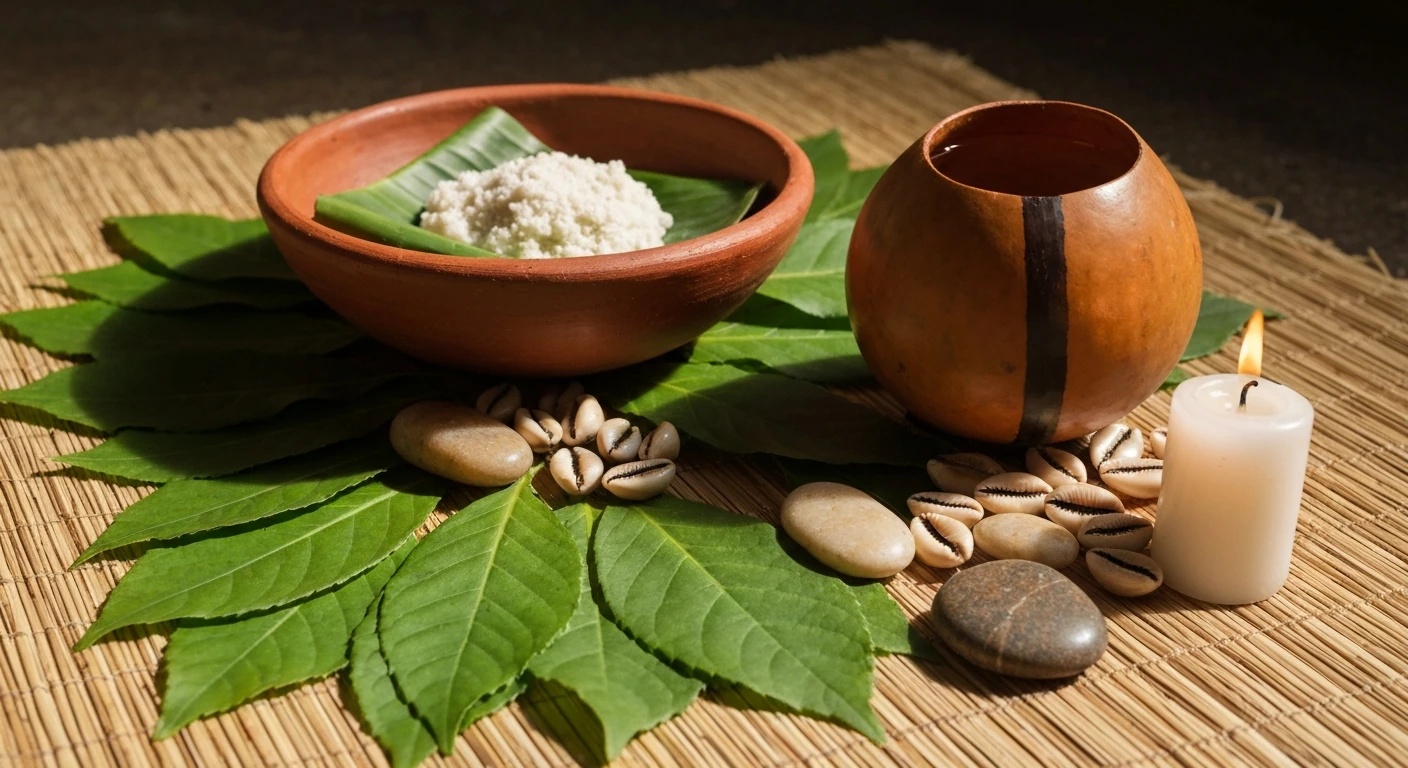
In the heart of every igbá is the otá, the sacred stone of the orixá. It is the natural receptacle of divine force, chosen and prepared in specific rituals. According to the recorded tradition of Candomblé, the main part of this foundation is precisely this stone.
The otá functions as a fixation point for the axé. Each orixá has the type of stone that matches their nature. That of an orixá of the waters comes from the river or the sea. That of an orixá of the forest or the quarry comes from dry land.
The choice and consecration of the otá follow the foundation of the nation and the house. It is not the stone itself that has power, but the axé fixed in it by the ritual. Without this consecration, it would be just a common stone, without sacred function.
What composes a consecrated foundation (assentamento)
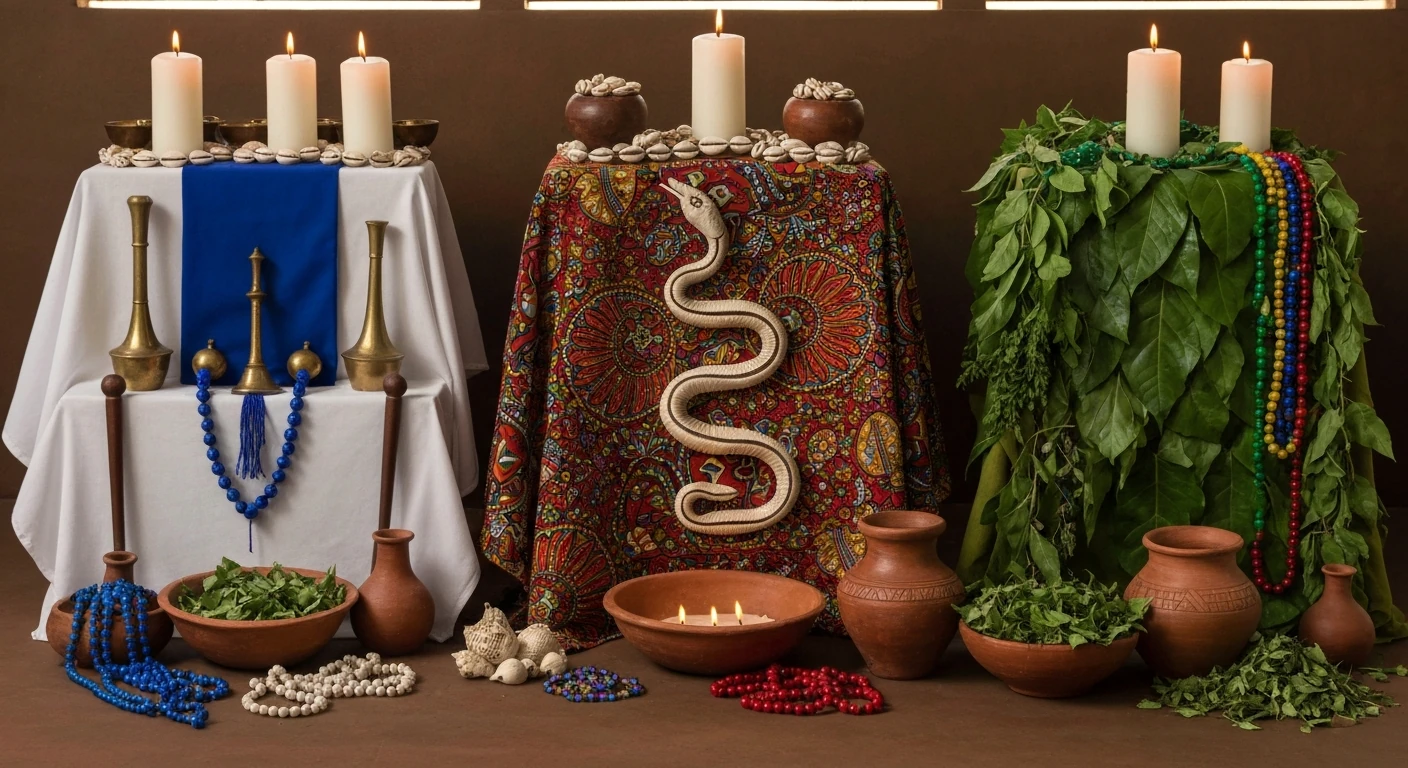
Besides the otá, the igbá gathers other elements that vary according to the orixá, the nation, and the house. There is never a single list, and each tradition keeps its own details. In general, these usually appear:
- The sacred vessel: a tureen, an alguidar, or a quartinha, chosen according to the orixá.
- The tools: metal objects that symbolize the force of the orixá, such as the ofá of Oxóssi (Oshosi) or the sword of Ogum (Ogun).
- The elements of nature: shells, búzios, coins, or seeds linked to the divinity.
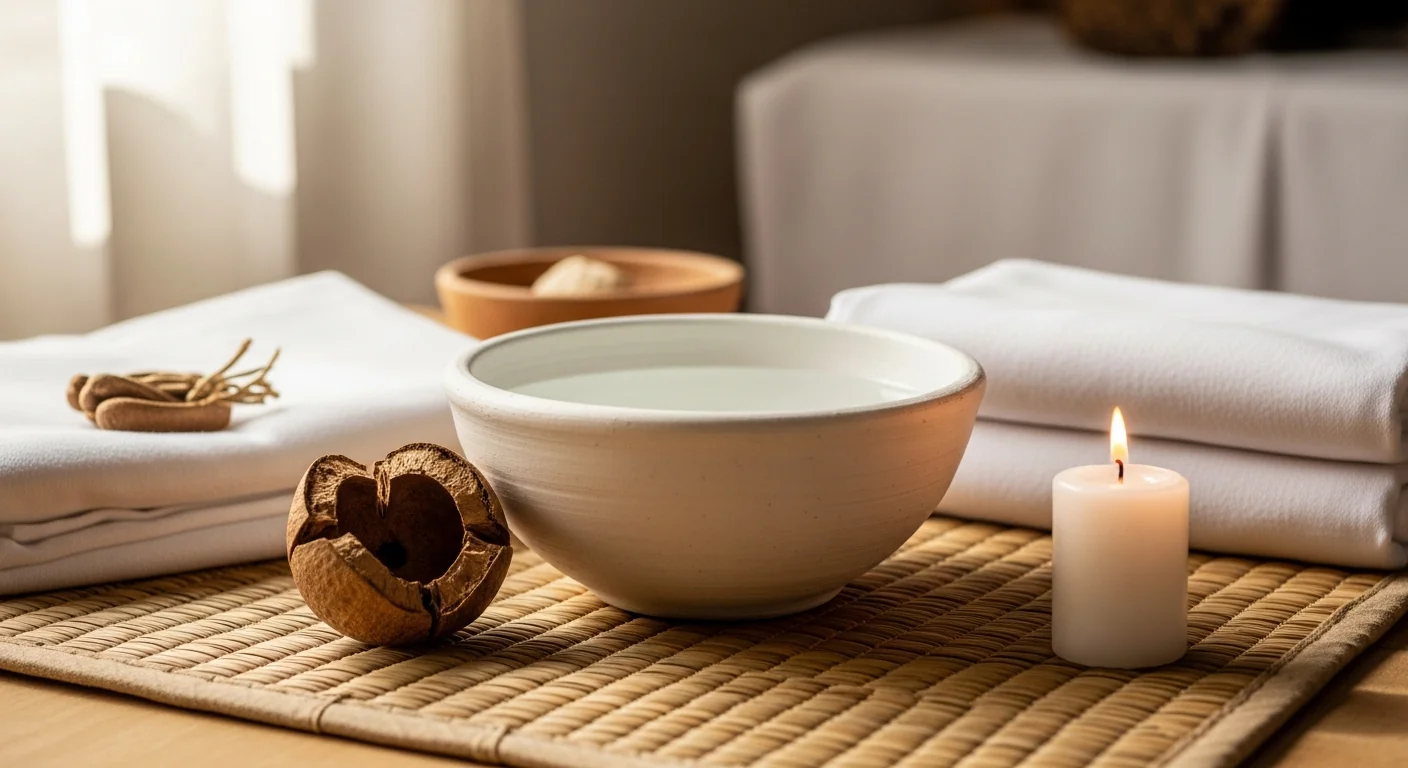
- The liquids and ritual foods: water, olive oil, and other offerings renewed as the house instructs.
This set forms what is called the "composite body" of the orixá. Each piece has a reason for being there, defined by the foundation. Assembling or altering this without initiation breaks the sacred meaning of the foundation.
Since the nations of Candomblé have their own liturgies, the same orixá can have different consecrated foundations (assentamentos) in each tradition. Therefore, the guidance of your house is worth more than any general explanation.
Who can make an assentamento
This is the most important part of the article. An assentamento of an orixá can only be prepared and consecrated by a babalorixá or an ialorixá, the pai or mãe de santo. It is a work of foundation, not of curiosity.
The priest is the one who holds the ritual knowledge to fix the axé safely. He knows the herbs, the chants, the gestures, and the secrets that give life to the igbá. Without this initiated hand, there is no true consecration.
Trying to assemble this foundation on your own is, at the very least, an empty gesture. It can also be a sign of disrespect to the religion. Whoever desires an assentamento needs first a path within the terreiro. This path follows the guidance of the house and the structure of positions and hierarchy of Candomblé.
Where it stays and how to care for the assentamento
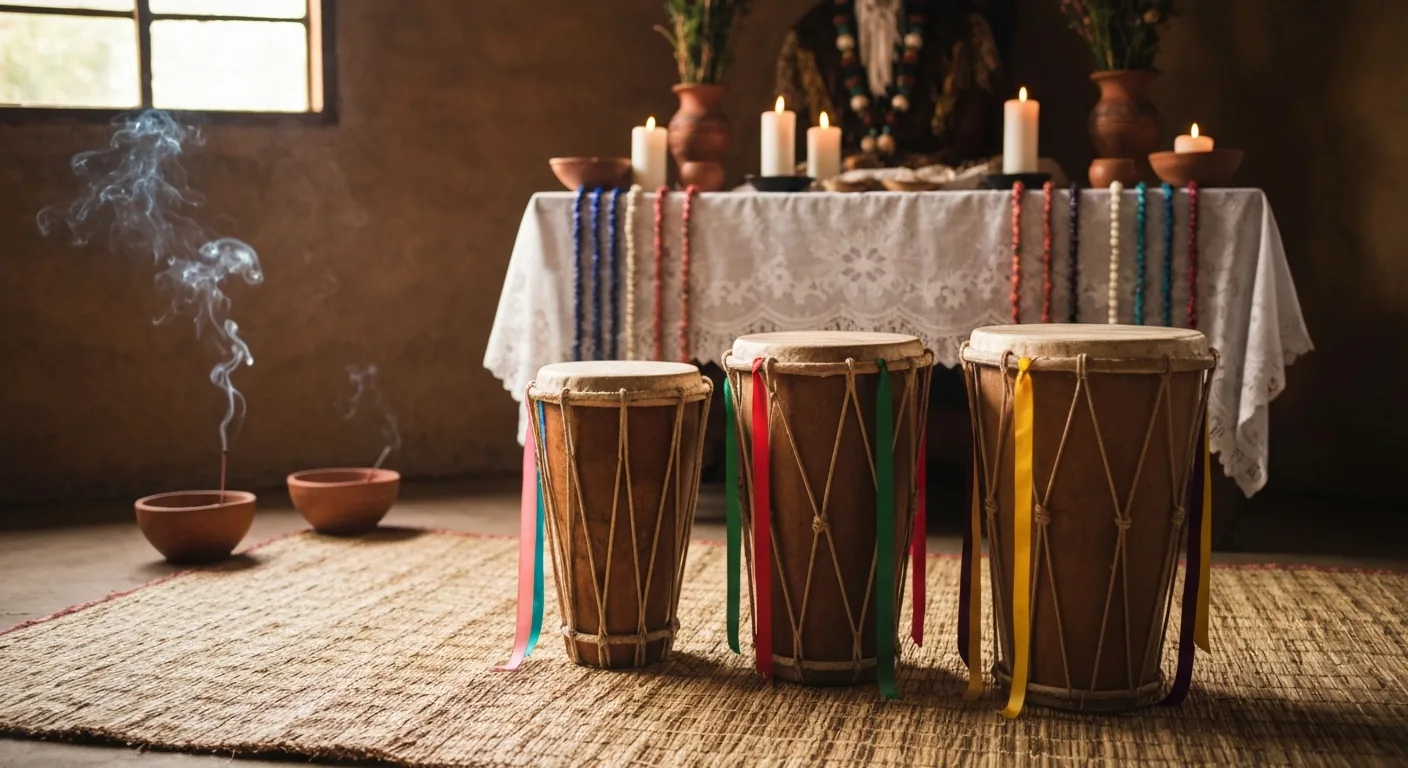
The igbá is kept in a sacred space of the terreiro, the peji or sacred room of the orixás. In some cases, with the proper obrigação, the filho de santo may keep their assentamento at home. Always, however, under the guidance of the pai or mãe de santo.
Caring for the assentamento is a continuous responsibility. It needs ritual cleaning, renewed offerings, and the periodic obligations that the house determines. It is a bond that is fed over time, not an object that is stored and forgotten.
Having an assentamento is assuming a commitment to the Orixá. Caring for the foundation is the concrete way to keep the axé strong and the connection alive.
This care usually accompanies the person throughout their religious life. Each obrigação renews the axé and reaffirms the bond between the child and their divinity. Abandoning the foundation is weakening this sacred connection.
Assentamento, bori, and feitura: how they are linked
The igbá does not walk alone. It is part of a larger ritual journey within Candomblé. Understanding this connection helps to see where each rite fits in.
The bori, for example, is the rite that strengthens the ori, the spiritual head of the person. It often comes before larger commitments. As for the feitura de santo, the initiation, it is the process in which the child is confirmed for their Orixá.
It is during the path of initiation that the assentamento of the child's Orixá is prepared. Thus, it ceases to be just a concept and becomes a concrete presence in religious life. Each stage adds to the other, always in the time and order that the house defines.
Frequently asked questions
What is an orixá assentamento?
It is the foundation that fixes the axé of an Orixá in matter, also called igbá orixá. It gathers the otá and other sacred elements in a specific container. It functions as the earthly dwelling of the Orixá, through which the filho-de-santo worships and keeps the connection with the divinity alive throughout life.
What is the otá in the assentamento?
The otá is the sacred stone that is at the heart of the assentamento. It is the natural receptacle of the axé of the Orixá, chosen and consecrated in a specific ritual. Each Orixá has the type of stone linked to their nature, coming from the river, the sea, the forest, or the quarry, according to the tradition of the house.
Can I make my own assentamento at home?
No. An assentamento can only be prepared by a babalorixá or ialorixá, within the foundation of the house. It is an initiatic ritual work, not a homemade assembly. Whoever desires an assentamento first needs a path in the terreiro, always under the guidance of their pai or mãe de santo.
What is the difference between assentamento and bori?
The bori is the rite that strengthens the ori, the spiritual head of the person. The assentamento is the fixation of the axé of the Orixá in matter. They are distinct and complementary rites. The bori cares for the person; the assentamento gives the Orixá their dwelling. Both follow the order that the casa de santo determines.
Where to find ritual vessels and orixá items
At Joia Mística Laroyê, you will find the items your house can provide for the worship of the Orixás:
- Orixá vessels: sopeiras, alguidares, and quartinhas in the colors of each Orixá
- Orixá tools: ofá, sword, crown, and other ritual symbols
- Búzios and beads: for guias (bead necklaces), fios de conta, and foundations
- Candles and dendê oil: for offerings and obrigação
- Herbs and ritual cleansing items: for the care of the peji
Visit our physical store in Extrema-MG or receive at home with delivery to all of Brazil. Remember: every assentamento and obrigação must follow the guidance of your babalorixá or ialorixá. Talk to us via WhatsApp and receive service with care and axé.
References
- Wikipedia: entry on Orixá
- Wikipedia: entry on Candomblé