





buddhism
Om Mani Padme Hum: meaning of the compassion mantra
Om Mani Padme Hum: the meaning of the six syllables of the Tibetan Buddhist compassion mantra, who is Chenrezig and how to recite the mantra with the japamala.
Read articleThe ancient tradition of awakening: a path of meditation, compassion and liberation from suffering, born in India more than 2,500 years ago.
Buddhism is a spiritual and philosophical tradition founded by Siddhartha Gautama, the Buddha ("the awakened"), in India in the 6th century BC. More than a religion in the Western sense, it is a practical path to understand and transcend human suffering.
At the core of the teaching are the Four Noble Truths: suffering exists; suffering has a cause; there is a path to its cessation; this path is the Eightfold Path of correct understanding, intention, speech, action, livelihood, effort, attention and concentration.
In Brazil, Buddhism has a growing presence both among descendants of Asian immigrants and among Brazilians seeking tools for meditation and compassion. The most practiced traditions here are Zen, Tibetan and Theravada.
The diagnosis of human suffering made by the Buddha and the path to its liberation.
Birth, aging, sickness, loss, dissatisfaction: suffering is a reality inherent to conditioned life.
Suffering is born from attachment, desire, and ignorance about the impermanent nature of things.
When attachment ceases, suffering ceases. Liberation (nirvana) is attainable in this life.
The Eightfold Path is the practical method that leads to the cessation of suffering.
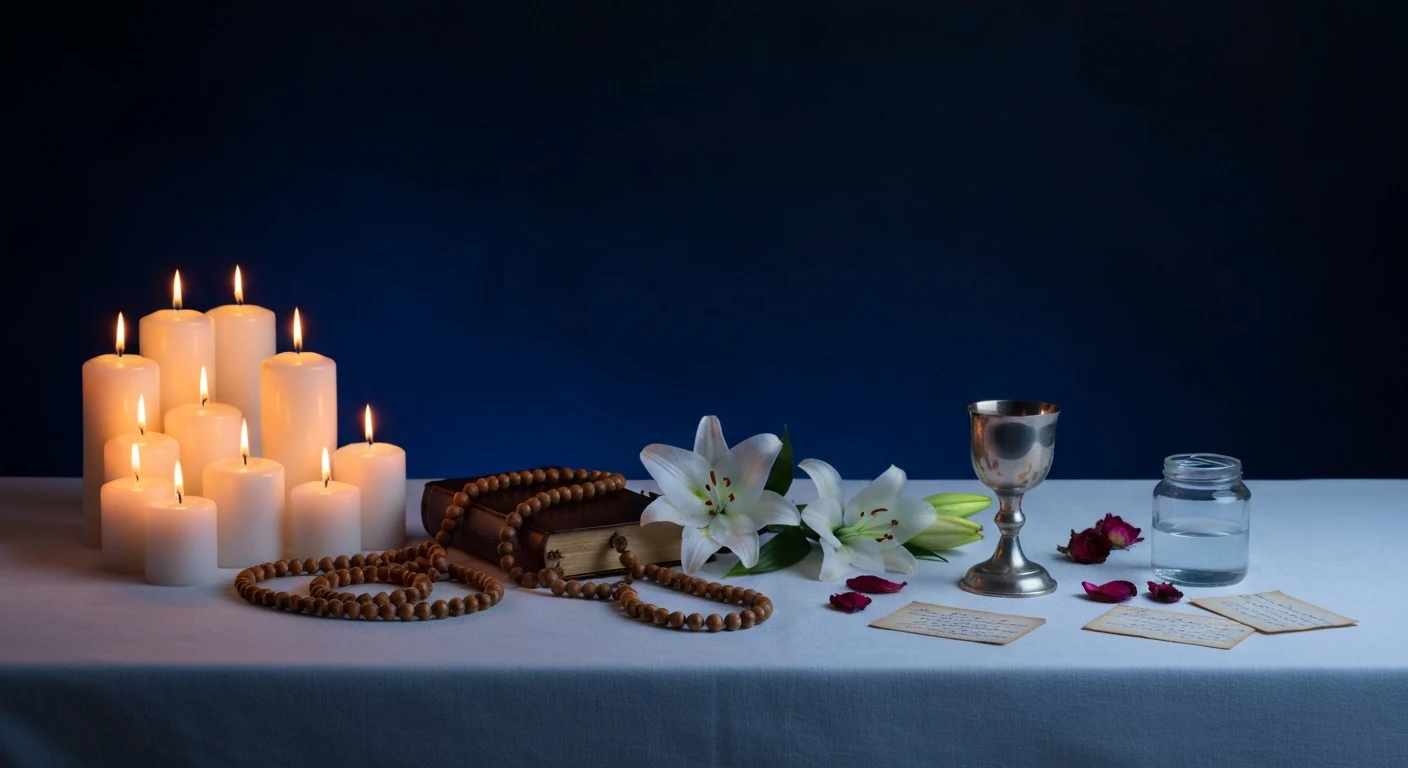
Traditional objects that support meditation, concentration, and the creation of a sacred space at home.
Statuettes of Buddha Sakyamuni, Medicine Buddha, Smiling Buddha
Sandalwood, nag champa, palo santo and traditional temple herbs
108 bead malas for mantra recitation and mindfulness
Natural stones, Buddhist symbols (Om, lotus, dharmachakra)
The heart of Buddhist practice is meditation. More than a relaxation technique, it is a training of the mind that cultivates attention, serenity, and clarity. Practicing for a few minutes a day, observing the breath and thoughts without judgment, already transforms the way we deal with difficulties.
Creating a sacred space at home helps sustain the habit: a statue of Buddha, the aroma of incense, a comfortable cushion, and silence invite a pause. The japamala, with its 108 beads, accompanies the recitation of mantras and keeps the mind focused.
Buddhism teaches that peace is not in something external, but in the inner cultivation of compassion and awareness. To support this journey, Joia Mística Laroyê offers statues of Buddha, incense, japamalas, and meditation items, with welcoming service in Extrema, Minas Gerais and shipping to all of Brazil.
Om Mani Padme Hum: the meaning of the six syllables of the Tibetan Buddhist compassion mantra, who is Chenrezig and how to recite the mantra with the japamala.
Read article
Japamala: understand what it is, why it has 108 beads, how to use it in meditation with mantras and how to care for yours. Complete guide with reliable Buddhist sources.
Read article
Extrema, Minas Gerais · South of Minas
Candles, herbs, statues, bead necklaces and everything for your faith, with service from those who understand. Ask your questions via WhatsApp or pay us a visit.