Bori is the Candomblé ritual that feeds the head, the ori, to calm and strengthen the person. It is the first major obrigação of the religion and comes before any initiation.
The person who conducts the bori is the babalorixá or the ialorixá, inside the terreiro, and the rite is not confused with the feitura de santo. The details belong to the fundamento of each house and remain outside of public content.
The ori: the sacred head of each person
To understand the bori, it is first necessary to understand the ori. The word comes from Yoruba and means "head" but not just the physical head. The ori is the spiritual head: the conscience, the character, the essence, and the destiny of each person. In Candomblé, it is considered the first orixá to be revered, the personal orixá that accompanies each one from before birth, throughout life, and even after death.
The Yoruba tradition distinguishes layers within this concept: the ori inú, the interior, spiritual head; and the ori ode, the exterior, physical head. Caring for the ori is caring for the point where the person connects with their own axé and with their path. Therefore, in Candomblé, nothing of fundamento begins with the head of the orixá: it begins with the head of the person.
The central idea of Candomblé regarding the ori is simple and profound: no obrigação to the orixás begins without, first, the head of the initiate itself being fed and pacified.
What is Bori
The bori (also written as borí or obori) is the ceremony dedicated exclusively to the ori. The name comes from the combination of bo (to offer, to feed) and ori (head): literally, "feeding the head." It is the act of offering to the ori what it needs to remain balanced, serene, and strong.
The purpose of the bori is to calm and strengthen the head. It is said to harmonize energies, decrease anxiety, fear, and sadness, and return clarity and balance to the one who receives it. It is not a "formula" that solves problems or a promise of luck: it is a spiritual care, a gesture of nourishing one's own essence.
Means: to feed the head | Dedicated to: ori (the head/personal orixá) | Where: terreiro / ilê | Conducted by: babalorixá or ialorixá | Reference nation: ketu
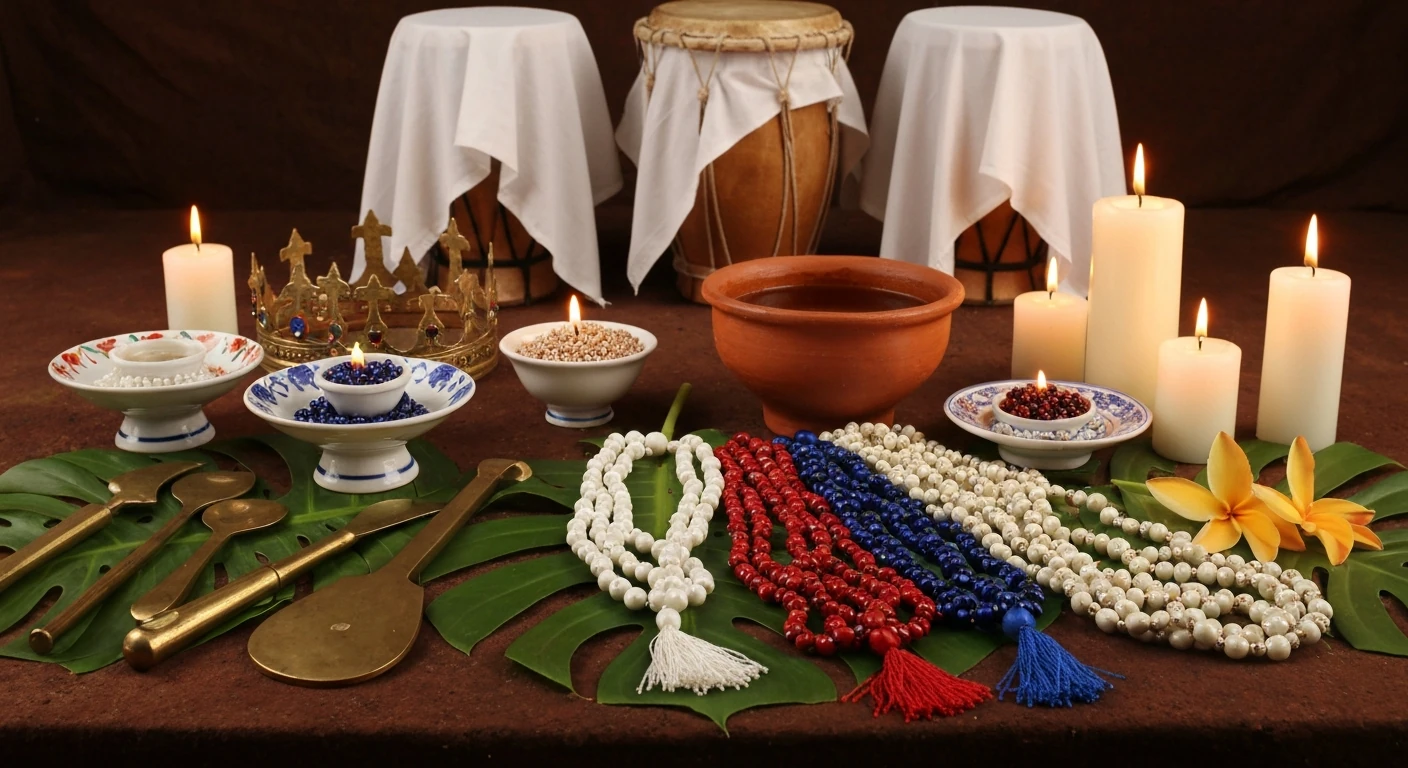
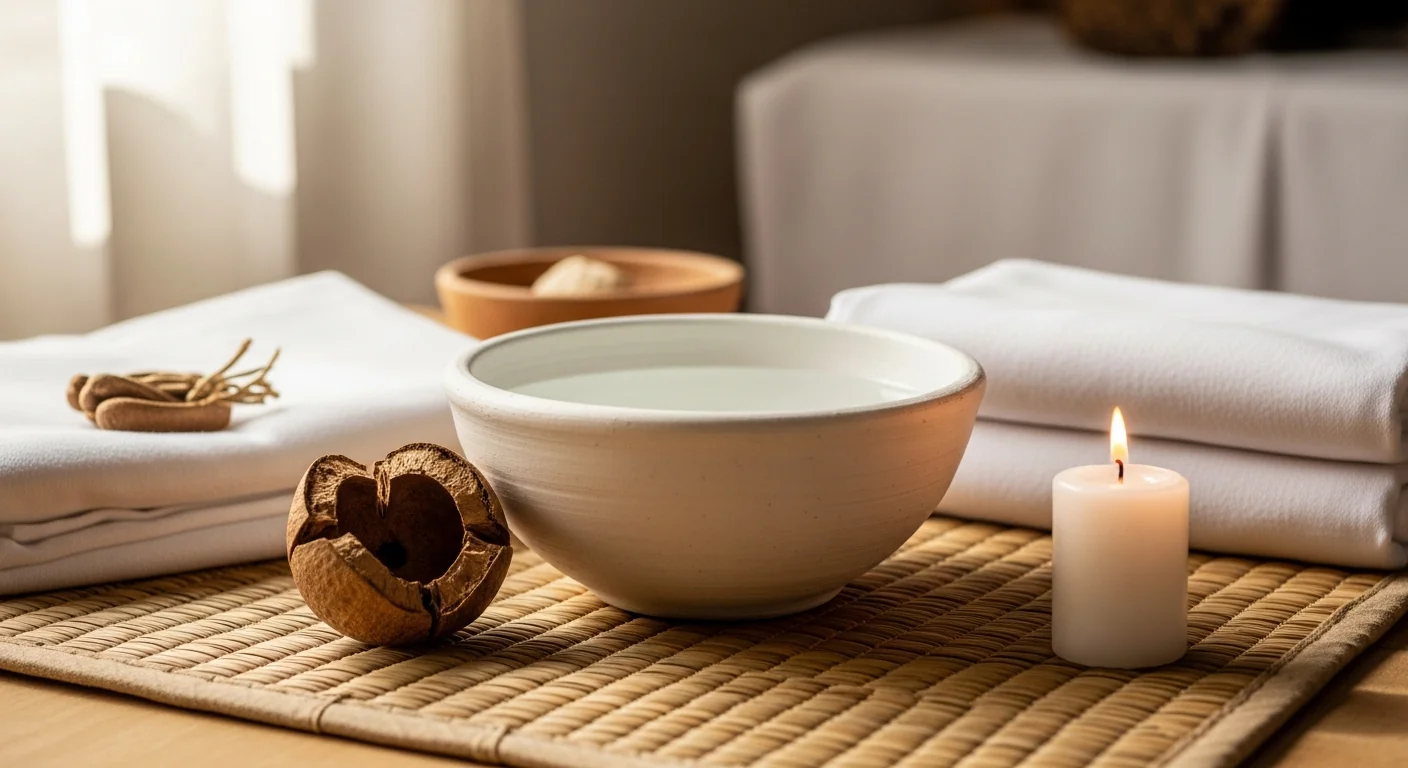
Among the most cited elements of the bori are water (omi), associated with the source of life, and obí, the African kola nut, a sacred fruit used in various moments of the worship. There are other components specific to the rite, but they are part of the house's foundation and are not described in public content: they are reserved for those within the tradition.
What is the bori for and why does it come first
In Candomblé, the bori is usually indicated when a person goes through difficult phases, of emotional or spiritual instability, and needs to "set the head." But its role is greater than that: the bori is considered the first great obrigação of religious life, a milestone that prepares the ground for everything that comes after.
The logic is as follows: the head is what sustains the person. Before assuming deeper commitments with the orixás, it is necessary for the ori to be strengthened and at peace, capable of bearing the responsibility. Therefore, in the ketu nation and others, initiation is not performed without first undergoing the bori: it is a prerequisite.
It is worth remembering that the ori is a concept that also appears in Umbanda, but the bori ritual is Candomblé. They are distinct traditions: Umbanda was born in Brazil in the 20th century and organizes its ritual work around spirit guides and entities; Candomblé is of African origin and has the worship of the orixás as its center. Treating the two as synonyms erases the specificity of each one.
Bori is not initiation
This is the most common confusion: many people think that giving bori is "to be initiated". It is not. Bori is a specific rite for the head; the initiation (feitura de santo) is a much longer and more complex process, which includes bori as one of its stages, but goes far beyond it.
| Aspect | Bori | Initiation (feitura de santo) |
|---|---|---|
| What is it | Offering and care dedicated to the ori (the head) | Complete initiation in the orixá, the "rebirth" of the iaô |
| Scope | Specific ceremony to calm and strengthen the head | Long process that includes bori as one stage |
| Recolhimento | About 3 days (ketu, varies by house) | Around 21 days of seclusion (ketu), with baths, offerings, and learning |
| Raspagem | There is no head shaving | There is the raspagem and the rites of the feitura |
| Result | Balance and preparation of the head | The person is "feita", receives an initiation name and fundamentals |
| Order | Comes before | Comes after |
In summary: every initiate went through the bori, but not everyone who gave bori is initiated. Many people receive the bori as spiritual care without it meaning a commitment to the feitura. The decision on what each path requires is always from the religious leadership, within the terreiro, based on the game and the fundamentals of the house.
How the bori happens and why it is not done at home
The bori is always performed in the terreiro, led by a babalorixá (pai de santo) or an ialorixá (mãe de santo). It is not a public rite: during the process, the person usually stays secluded in Ketu Candomblé, for about three days in a reserved space of the house, with restricted access to a few members and to those who have already undergone the same rite.
This reserved character is not "mystery" or folklore: it is part of the respect for tradition. The foundations of the bori, the ritual sequence, the chants, the votive foods, and the gestures belong to the orality of Candomblé and are transmitted from within, from person to person, in the relationship between those who care and those who are cared for. Therefore, no serious text teaches how to "do a bori at home".
Be suspicious of any content that promises to teach how to give bori alone or sells "home bori kits". The bori is received in a terreiro, from the hands of a babalorixá or ialorixá. The path is not to follow an internet step-by-step, but to seek a trusted house and talk with the religious leadership.
Whoever feels the call for the bori, whether by recommendation from a house or through personal search, must seek a serious terreiro and let themselves be guided. The time, form, and necessity of the rite are defined there, with foundation, and not on one's own.
Frequently asked questions about the bori
What is doing a bori in Candomblé?
Doing a bori is receiving, in the terreiro, the ceremony that offers food and care to the ori (the spiritual head). Led by a babalorixá or ialorixá, the rite seeks to calm, balance, and strengthen the person. It is considered the first great obrigação of religious life in Candomblé.
What is the purpose of the bori?
The bori serves to strengthen and harmonize the head (ori), bringing balance, clarity, and serenity. It is usually indicated during difficult phases and prepares the person for greater spiritual commitments. It is not a promise of luck or a magic solution to problems, but rather a care for one's own essence.
How long does the bori last?
It varies depending on the nation and the house. In ketu candomblé, the recolhimento usually lasts about three days, a period during which the person remains secluded in the terreiro. In other traditions and nations, such as jeje and angola, the time and form may be different; the house leadership defines this.
What is the difference between bori and feitura de santo?
The bori is a specific rite dedicated to the ori, the head. The feitura de santo is the complete initiation into the orixá, a longer process (about 21 days of recolhimento in ketu) that includes the bori as one stage. Every initiate has gone through the bori, but receiving bori does not mean, by itself, being initiated.
Can the bori be done at home?
No. The bori is a terreiro rite, conducted by a babalorixá or ialorixá, with foundations that are not learned on the internet. Whoever wishes to receive it must seek a trusted candomblé house and speak with the religious leadership, who evaluates the need and the right moment.
Where to find items for candomblé
The bori is a terreiro rite, but religious life in candomblé involves many liturgical elements of daily life. At Joia Mística Laroyê, you find items to honor the orixás and care for your altar with respect and foundation:
- Ritual candles in the colors of each orixá, to be lit with devotion
- Bead necklaces (ilekes) guias in the colors of the deities
- Mats and white cloths for ritual use according to the house's guidance
- Axé pottery quartinhas and alguidares for settlements and offerings
- Herbs and incense sacred leaves for cleaning and caring for the space
Visit our physical store in Extrema, Minas Gerais and we ship to all of Brazil. And remember: for foundation rituals like the bori, the path is always to seek a terreiro and the guidance of a babalorixá or ialorixá. We serve with respect to tradition, not with shortcuts.
To go deeper, consult the Bori (Candomblé) on Wikipedia entry and the concept of Ori (Yoruba), as well as the work of the ethnologist Pierre Fatumbi Verger, who documented the bori as a ceremony linked to initiation in the worship of the orixás. Basic references: Prandi, R. (2001), Mitologia dos Orixás (Companhia das Letras); Verger, P., Orixás: Deuses Iorubás na África e no Novo Mundo (Corrupio); Bastide, R., O Candomblé da Bahia (Rito Nagô).
References
- Wikipedia: Bori (Candomblé)
- Wikipedia: Ori (Yoruba)
- Pierre Verger Foundation: research on orixás and Yoruba rites