Mãe Senhora de Ewá was Elza Bahia de Araújo, ialorixá of Ilê Axé Omí Ewá, in Salvador, raised since a baby at Terreiro do Gantois and initiated by Mãe Menininha. She died in the early hours of Saturday, October 17, 2026, at 104 years old. She was one of the oldest filhas de santo of Gantois and spent more than seven decades in Candomblé.
Who was Mãe Senhora de Ewá
Mãe Senhora de Ewá was a Bahian ialorixá of the ketu nation, born on September 11, 1922. She led Ilê Axé Omí Ewá, in Praia Grande, in the Subúrbio Ferroviário of Salvador. Filha de santo of Mãe Menininha do Gantois, she was initiated for the orixá Ewá in 1950 and reached 104 years old leading her own community.
Civil name: Elza Bahia de Araújo | Birth: September 11, 1922 | Death: October 17, 2026, in Salvador | Orixá: Ewá | Initiation: 1950, by Mãe Menininha do Gantois | House: Ilê Axé Omí Ewá, Praia Grande | Nation: ketu
The name appears written in several ways. The Municipal Chamber of Salvador writes "Mãe Senhora de Yewá", and Ewá, Yewá and Euá are spellings of the same orixá. She left five children, grandchildren, great-grandchildren and great-great-grandchildren. And, in the words of Agência Brasil, "many spiritual children".
Raised at Gantois since her first month of life
Elza lost her mother in childbirth and was taken to Terreiro do Gantois at one month old. She grew up there under the care of Mãe Menininha do Gantois and Mãe Laura, as told by Bahia Notícias, Correio and Metrópoles.
Gantois is a ketu Candomblé house in the Federação neighborhood, in Salvador. It was listed by IPHAN, as shown in the list of terreiros listed by IPHAN. Elza grew up there, in the house of Mãe Menininha. She learned Candomblé through coexistence, before any obrigação.
In the note of mourning, Gantois called her "one of the oldest daughters of this House." For the house, her history was "a precious link" with the teachings of Mãe Menininha.
Initiated for Ewá by Mãe Menininha in 1950
In 1950, Mãe Menininha initiated Elza into Candomblé for the orixá Ewá. The year appears the same in all reports about her death.
The orixá weighs in history. Ewá has few children in Candomblé, and the worship remained in a few old houses in Bahia, as we tell in children of Ewá. In Gantois, the anthropologist Clara Flaksman recorded that Ewá, "as everything indicates," also belonged to Mãe Menininha. A great-granddaughter of Mãe Menininha has Ewá on her head, in addition to Oxum (Oshun). To know the orixá, see who is Ewá.
"May Ewá welcome her in her sacred dwelling." Note of mourning from Ilê Axé Odé Omí Ewá, reproduced by Metrópoles
Ilê Axé Omí Ewá, in Praia Grande
Ilê Axé Omí Ewá is located in Praia Grande, in the Subúrbio Ferroviário of Salvador, and has Ewá as the ruling orixá. The Mapping of Salvador's Terreiros, by the Center for Afro-Oriental Studies of UFBA, registers the house as "Ilê Axé Omin Euá." The record lists Elza Bahia de Araújo in leadership, ketu nation, and founded in 1962.
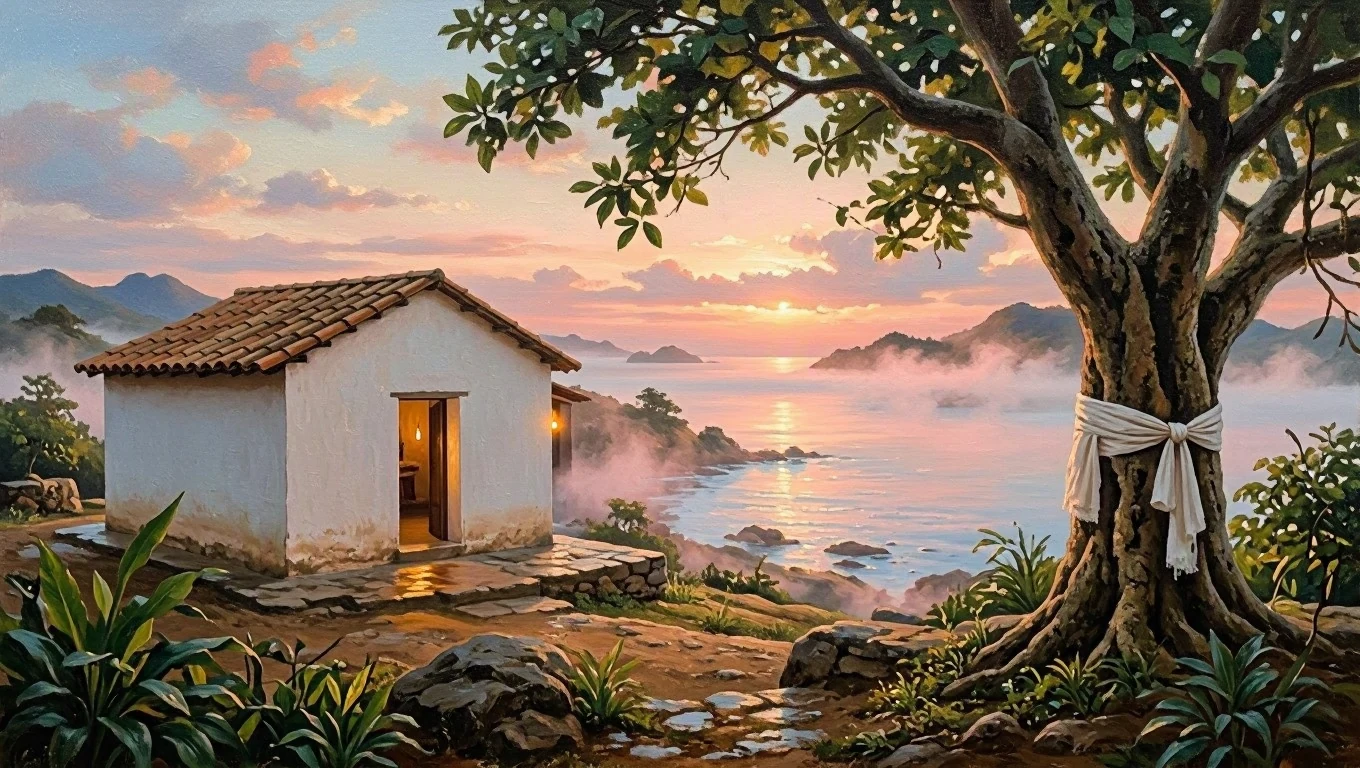
According to the Salvador City Council, the terreiro was founded by her. Bahia Notícias tells it differently: it says she "later" assumed the leadership of the house. Both versions circulate, and the UFBA record only informs the year 1962.
The house is ketu, like the Gantois where she trained. To understand what changes from one nation to another, see the nations of Candomblé.
Welcoming and the Maria Quitéria Award
The work of Mãe Senhora de Ewá became known for its welcoming, especially of women. The Salvador City Council described the terreiro as "a refuge and a place of welcoming for women in situations of vulnerability." Bahia Notícias also cites female autonomy and the confrontation of religious intolerance.
In September 2022 she turned 100 years old. In December of the same year, the Chamber approved the Maria Quitéria Award for her. The delivery took place on September 11, 2023, on her birthday, inside the terreiro. It was proposed by the Pretas Por Salvador Collective Mandate.
The Ministry of Racial Equality also published a note. It stated that she dedicated more than seven decades "to the preservation of the knowledge of Candomblé and its traditions." And that her legacy "is alive in the generosity of her teachings."
The farewell and the axexê
The death was announced on October 17, 2026, in a note of mourning from Terreiro do Gantois and the Associação de São Jorge Ebé Oxóssi (Oshosi). The Ilê Axé Odé Omí Ewá profile also published a note about "the return of Elza Bahia de Araújo, Mãe Senhora de Ewá, to the Orum." The cause of death and information regarding the wake and burial were not disclosed.
In Candomblé ketu, the death of an ialorixá opens the axexê, the set of funeral rites of the house. According to sociologist Reginaldo Prandi, the axexê begins to be organized after the burial. It "varies from terreiro to terreiro and from nation to nation" and is more elaborate for the high dignitaries. In many terreiros it is repeated after one month, one year, and every seven years, "especially when it concerns the passing of the babalorixá or ialorixá".
Prandi lists Ewá among the orixás who participate in the axexê, alongside Nanã (Nana Buruku), Omulu, Oxumarê, and Ogum (Ogun). What happens in each house is its foundation and is not published. The meaning of the rite is in what the axexê is.
Anyone who wants to leave a tribute can light the candle of Ewá in her memory.
Frequently asked questions
How old was Mãe Senhora de Ewá?
Mãe Senhora de Ewá was 104 years old. Elza Bahia de Araújo was born on September 11, 1922. She died in Salvador on Saturday, October 17, 2026, just over a month after her birthday. In 2022 she celebrated her centenary.
Who initiated Mãe Senhora de Ewá?
It was Mãe Menininha do Gantois, in 1950, for the orixá Ewá. Elza lived in the Gantois since her first month of life. She lost her mother at birth and was raised by Mãe Menininha and by Mãe Laura.
Where is Ilê Axé Omí Ewá located?
Ilê Axé Omí Ewá is located in the Praia Grande neighborhood, in the Subúrbio Ferroviário of Salvador. The Mapping of the Terreiros of Salvador, by UFBA, registers the house as "Ilê Axé Omin Euá", of the ketu nation, founded in 1962, with Ewá as the ruling orixá.
Is Mãe Senhora de Ewá the same as Mãe Senhora do Opô Afonjá?
No. The Mãe Senhora of Ilê Axé Opô Afonjá was Maria Bibiana do Espírito Santo, of Oxum, who lived from 1890 to 1967 and was the third ialorixá of that house. Mãe Senhora de Ewá is Elza Bahia de Araújo, from the Gantois and from Ilê Axé Omí Ewá.
References
- Bahia Notícias: Mãe Senhora de Ewá, one of the oldest ialorixás in Brazil, dies at 104 years old in Salvador
- Agência Brasil: Mãe Senhora de Ewá, a Candomblé leader, dies at 104 years old
- Jornal Correio: Mãe Senhora de Ewá, an ialorixá initiated by Mãe Menininha do Gantois, dies
- Metrópoles: Mãe Senhora de Ewá, a Candomblé leader in Salvador, dies
- Farol da Bahia: Mãe Senhora de Ewá dies at 104 years old in Salvador
- Câmara Municipal de Salvador: Mãe Senhora de Yewá receives the Maria Quitéria Award
- CEAO/UFBA: Mapping of Salvador's Terreiros, registration of Ilê Axé Omin Euá
- Reginaldo Prandi (USP): Concepts of life and death in the axexê ritual
- Clara Flaksman, Mana: Of blood and of orixá, kinship in Candomblé
- Wikipédia: Terreiro do Gantois
- Wikipédia: Mãe Senhora, Maria Bibiana do Espírito Santo