



Day 7 of each month
Monthly offering to Exus and Pombagiras
The most widespread custom of the povo da rua. The offering is settled at the crossroads or at the assentamento, with cachaça, cigar, and red and black candle.
Understand betterThe festivals of the orixás (orishas) marked day by day. The dates change between traditions, so choose yours.
the face on the day shows who is celebrated tap on the day to see the details
The file imports into Google Calendar, iPhone and Outlook. Each festival repeats by itself every year, so you light your candle on the right date without needing to remember.
The complete list, month by month, already filtered by the tradition chosen above.

January 6
Syncretism: Three Kings Day
Sweets, guaraná and toys settled in a reserved place, away from the adults' gira.
Three incompatible dates circulate for Exu Mirim: January 6, June 13 and August 13. It depends entirely on the house's fundamento.

January 20
Syncretism: Saint Sebastian
Rio de Janeiro and Southeast, where it is a municipal holiday
Fruits, green leaves and reverence to the forests. Caboclo gira in much of Umbanda.
In Bahia, the Catholic saint of Oxóssi is Saint George, but the Oxóssi festival of the traditional houses of Salvador is on the Thursday of Corpus Christi (May 27 in 2027). In Pernambuco, according to Wikipedia, Saint Michael the Archangel.

Thursday before the Bonfim Sunday
Syncretism: Our Lord of Bonfim
Salvador and Bahia
Baianas wash the church staircase with scented water, in a procession that gathers the terreiro community and the Catholic faithful.
The date is movable: the Thursday before the Bonfim Sunday, the second Sunday after January 6. In 2026 it was 1/15, and in 2027, by the rule, it is 1/14; confirm the Basilica's schedule. January 15 as "day of Oxalá (Obatala)" has no source.

Last Sunday of January
Syncretism: Saint Lazarus
Salvador
Mass and popular festival at the Church of Saint Lazarus, with popcorn and ritual bath of leaves.

February 2
Syncretism: Our Lady das Candeias, in Salvador, and dos Navegantes, in Rio Grande do Sul
Salvador, in Rio Vermelho, and the Batuque in Rio Grande do Sul
White flowers, perfume and gifts taken to the sea in boats, with requests for the year.
It is the national anchor date, and therefore terreiros from all over the country mark it. Fluminense Umbanda also keeps August 15, and a large part of Paulista Umbanda, December 8.

March 8
Syncretism: International Women's Day
Red roses, champagne and perfume settled on the nearest Friday.
It is a recent symbolic tribute, linked to women's day, and not a festival of ancient foundation.

April 19
Syncretism: Saint Expedite and Saint Michael Archangel
Honey, fruits and the symbolic hunt of the orixá who is half Oxum (Oshun), half Oxóssi.
The syncretism varies between Saint Michael Archangel and Saint Expedite depending on the house.

April 23
Syncretism: Saint George
Rio de Janeiro and Southeast, where it has been a state holiday since 2008
Red, iron and sword. White beer, gira of Ogum and prayer request for opening paths.
In Bahia, Saint George is usually Oxóssi, and Ogum appears linked to Saint Anthony on June 13. The same statue, two orixás, depending on the region.

May 13
Syncretism: Golden Law, 1888
Black coffee, tobacco leaf, white and black candles, and a Preto-Velho gira with a low bench and much listening.
Some propose changing the date to November 20, the day of Zumbi dos Palmares. The proposal was registered in 2013, and no open source shows a house that has adopted it.

May 24 and 25
Syncretism: Saint Sarah Kali
Colorful scarves, coins, wine, and fruits in the Oriente gira. It is also the National Romani Day.

May 30
Syncretism: Saint Catherine
Offerings near running waters, greeting the warrior strength of the orixá.
Date is not uniform. Batuque houses celebrate Obá on November 25, and some link the orixá to Joan of Arc instead of Saint Catherine.

June 13
Syncretism: Saint Anthony
Southeast, North and South. In Pelotas it is a municipal law, as Day of Orixá Bará
Padê, farofa de dendê and cachaça at the opening of the ritual work. It is the annual obrigação to Exus and Pombagiras in many houses.
In Bahia, Saint Anthony is usually associated with Ogum, and not with Exu. There is no Day of Exu established on a national level.

June 24
Syncretism: Saint John the Baptist
Southeast and popular catholicism
Bonfire, okra amalá and São João ritual bath with herbs. Gira of Xangô asking for justice.
The June syncretism of Xangô is a phenomenon of Umbanda and popular faith. Ketu Candomblé links Xangô to Saint Jerome, on September 30.
June 29
Syncretism: Saint Peter
Salvador, at Casa Branca do Engenho Velho, and Umbanda houses
At Casa Branca do Engenho Velho, in Salvador, it is the feast of Xangô Airá, and those who attend wear white. In Umbanda, FUCESP and the Santuário Nacional da Umbanda include the date among those of Xangô.
In local celebrations, Saint Peter appears linked to Ogum or Oxóssi. In the Gaucho Batuque, the Bará Lodê. Many houses observe June and September.
Third Sunday of June
City of São Paulo, by Municipal Law 16.653 of 2017
Procession organized by an Umbanda curimba school in Mooca, held since 2005. The law places the date on the city's event calendar, without a holiday.
It is the only municipal law found with Xangô on a date. The Recife project (June 30) was withdrawn in 2023, and the Porto Alegre one (September 30) is stalled, without a vote.

July 2
Syncretism: Independence of Bahia
Bahia, in the caboclo Candomblé
Caboclo gira with tobacco leaf, beer and chants in Portuguese, greeting the owners of the land.

July 7
Rio de Janeiro, where it has been a municipal law since 2022
White suit, hat, cachaça and cards on the table. Malandro gira with samba and a lot of wit.
Some houses celebrate on October 28.

July 16
Syncretism: Our Lady of Mount Carmel
Northeast, mainly Pernambuco and Recife
Honey, yellow flowers and a river ritual bath, with a mirror and perfume consecrated at the waterfall.
Oxum has five dates in use in the country: July 16 in the Northeast, September 8 in the North, September 15 in Minas, October 12 in the Southeast and December 8 in the South and in Bahia.

July 26
Syncretism: Saint Anne
Still water, mud and purple flowers. No iron in the offering, which is a quizila of the oldest orixá.

August 13 to 17
Syncretism: Our Lady of Boa Morte and of Glória
Cachoeira, in the Recôncavo Baiano
Procession of the brotherhood of black women, with a procession, mass and samba de roda for five days.
The correspondence with the orixás varies by house. Iansã (Oya), linked to Boa Morte, and Oxum, linked to Glória, appear.
August 15
Syncretism: Our Lady of Glória
Fluminense Umbanda, in Rio de Janeiro
Gira of the waters with white and blue candles, flowers and gifts taken to the sea or settled on the congá.
It is the anchor date for those of Umbanda in Rio. Salvador celebrates on February 2, and the coast of São Paulo on December 8.
August 16
Syncretism: Saint Roque
Popcorn popped on the sand, doburu and the Olubajé, the banquet in which the orixá shares food with everyone.
The date varies from house to house, and some record the Olubajé in other months. There is also the variation of December 17, with Saint Lazarus.

August 24
Syncretism: Saint Bartholomew
Bahia
Honey, sweet potato and beans. Greeting to the cycle that renews and to the rainbow that connects the earth to the sky.
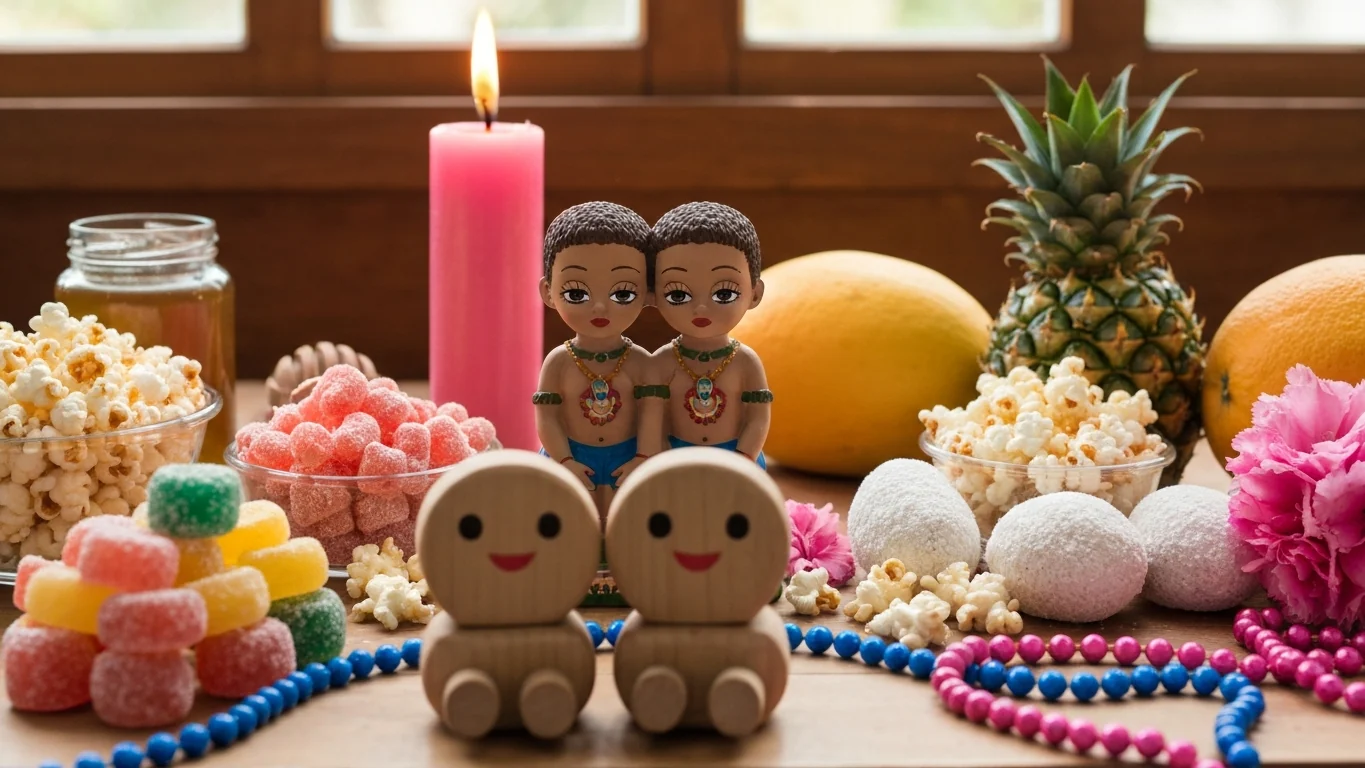
September 27
Syncretism: Saints Cosmas and Damian
Caruru of the seven boys, sweets and toys shared with the children of the community.
The Church changed the feast of the saints to September 26 in 1969, but Afro-Brazilian devotion kept the 27th.

September 27
Syncretism: Saints Cosmas and Damian
Erê gira with sweets, guaraná, and toys. A bag of candy is distributed at the door of the terreiro.
There are three distinct layers: Erê is a spirit of Umbanda, Ibeji is an orixá of Candomblé, and Cosme and Damião are Catholic saints.
September 30
Syncretism: Saint Jerome
Rio Grande do Sul, in Batuque, and Umbanda houses in São Paulo
Okra amalá, lightning stone, and fire. In Capão do Leão (RS), the city hall holds the Xangô festival on this date; in Porto Alegre, a 2023 bill is stalled, without a vote.
Verger records Saint Jerome as the saint of Xangô in Brazil. Saint Barbara was also linked to Xangô in Bahia until the 1930s, and a batuque house in Viamão still mentions Saint Michael Archangel.
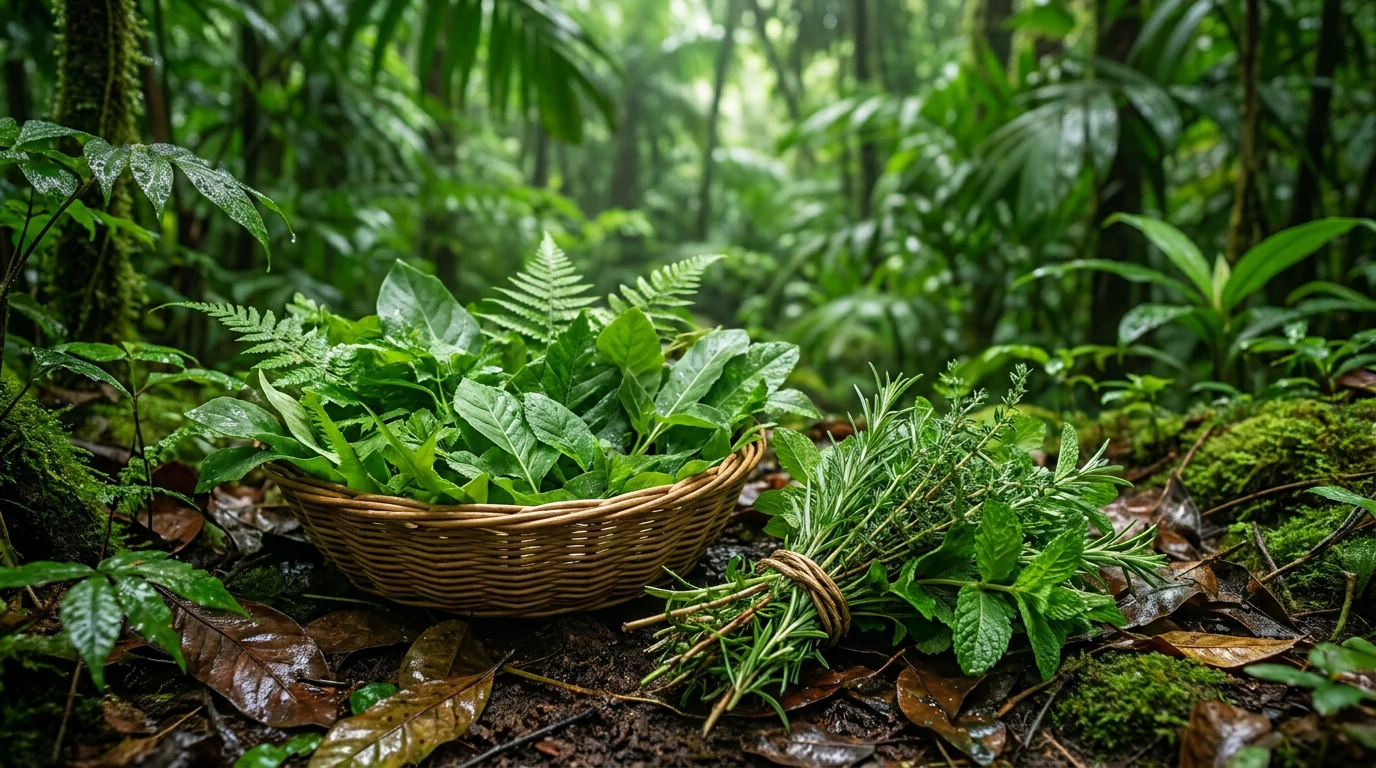
October 5
Syncretism: Saint Benedict, in Umbanda
Fresh leaves gathered with permission, herbal bath, and greeting to the owner of the green secret.
Date recorded by Umbanda houses, less established than the others. Prandi records Saint Onofre in Ketu Candomblé, and in Batuque the saint is Saint Roch, on August 16. No open source explains the link with October 5.
October 12
Syncretism: Our Lady Aparecida
Southeast and Midwest. National holiday, as she is the patron saint of Brazil
Yellow flowers, honey and champagne at the waterfall. Oxum gira asking for prosperity and fertility.
November 2
Syncretism: All Souls' Day
White candle and fresh water for those who have already left. Omolu is greeted as the lord of the passage, and in candomblé the day touches the cult of Egungun, the ancestors.
In umbanda the day is of the Blessed Souls, who work in anonymity. Not every house opens a gira on All Souls' Day: many prefer seclusion.

November 2
Syncretism: All Souls' Day
With the house and the leader: terreiros go to the cemetery on All Souls' Day, and in Vitória exu receives cachaça, cigar and black and red candles at the crossroads.
No source treats All Souls' Day as a specific day for Exu Caveira; Monday is the day of the Exus. In Porto Alegre, Law 12.915/2021 marks the Day of Exu Caveira on August 8.
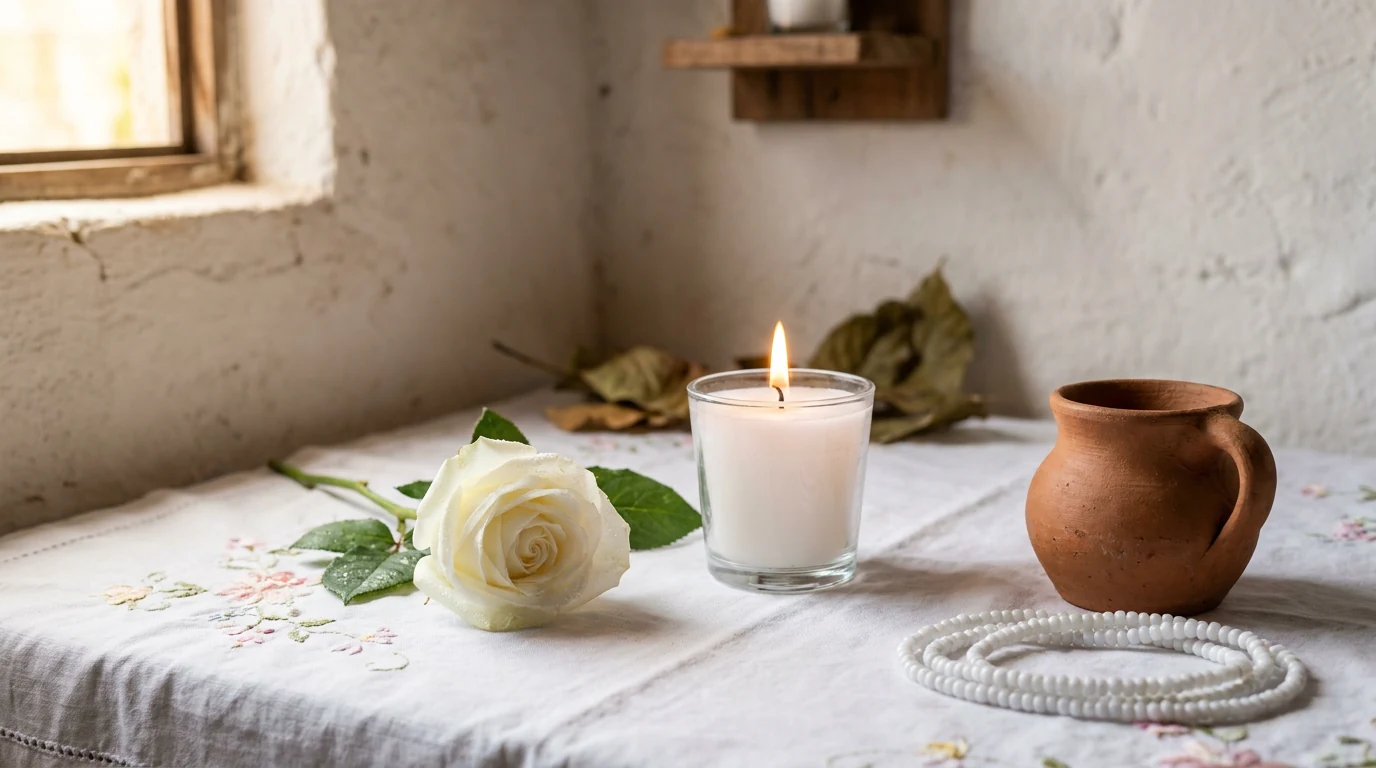
November 15
Birthday gira with all lines, Umbanda hymn, and white table. Many houses hold open celebrations.
Marks the manifestation of the Caboclo das Sete Encruzilhadas in Zélio Fernandino de Moraes, in Niterói, on November 15, 1908. Researchers remember that similar Afro-Brazilian practices already existed before.

December 4
Syncretism: Saint Barbara
Salvador, where the caruru of Saint Barbara is intangible heritage of Bahia
Red, acarajé, and caruru. Greeting to the winds and the lightning, with Iansã's sword fixed at the door.
December 8
Syncretism: Our Lady of the Conception
Rio Grande do Sul (Porto Alegre and Rio Grande), Sergipe (Aracaju), and part of Salvador
Party on the freshwater shore: Ipanema coast in Porto Alegre, with Oxum Day by law since 2010, a walk that meets the procession of Conceição in Rio Grande and the patron saint festival in Aracaju.
In Recife, in São Paulo and in the Ketu Candomblé described by Prandi, Conceição is Iemanjá. In Salvador, sources give both readings, and in Belém Oxum and Iemanjá meet on the same night.
December 8
Syncretism: Our Lady of the Conception
Recife, São Paulo, Baixada Santista and the coast of São Paulo
Gifts taken to the sea at the turn of the dawn, with white candles and white roses.
In Rio Grande do Sul and in Sergipe, this date belongs to Oxum; in Salvador, sources give both readings. It is the most common divergence in the calendar.

December 13
Syncretism: Saint Lucy
Offerings in freshwater sources, greeting the orixá of beauty, mystery, and vision.
One of the least consolidated dates in the calendar. It varies greatly by tradition.
December 17
Syncretism: Saint Lazarus
Popcorn (pipoca), purple candle and cleansing bath (banho de descarrego), in the December variation of the orixá festival.
Variation of August 16, which is the most widespread date.
December 25
Syncretism: Christmas
White candle and what the house directs for the day; what is done is by the house.
Date of worship in an Umbanda house (TUCTVC) and a proposal for Oxalá Day in a Curitiba bill, still in progress. No consulted source links December 25 to Oxaguiã, and there are houses that say they do not celebrate Christmas.
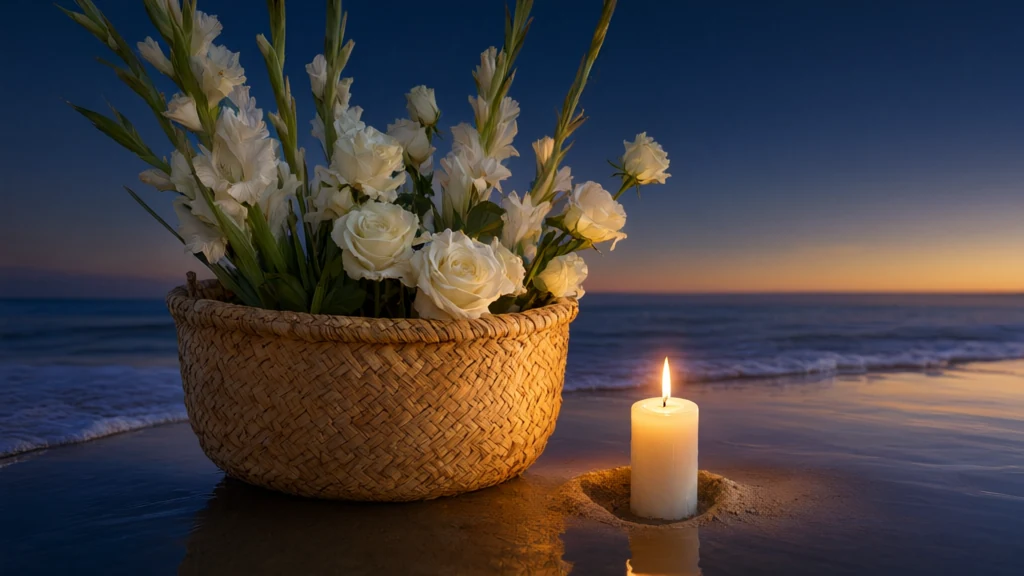
December 31
Southeast beaches, with concentration in Rio de Janeiro
Seven waves jumped in white, white flowers thrown into the sea and a prayer request for the coming year.
Before setting the candle
The dates of the orixás come from the Catholic calendar adopted by the terreiros, and not from a closed academic table. Therefore, they vary from nation to nation, from house to house and from region to region. Where sources disagree, this page shows the divergence instead of choosing a side. A month can belong to more than one orixá at the same time, and this is not a contradiction: the regency is born from the festival that anchors the month, and almost every month anchors more than one. Use as a respectful reference, and always confirm with your Pai or your Mãe de santo, who is the one who has the final word. To understand where each association comes from, read the complete guide to the calendar of the orixás.

Orixás Calendar 2026: the annual date and day of the week for each orixá, month by month. Discover which orixá rules today and when your own day falls.
Read article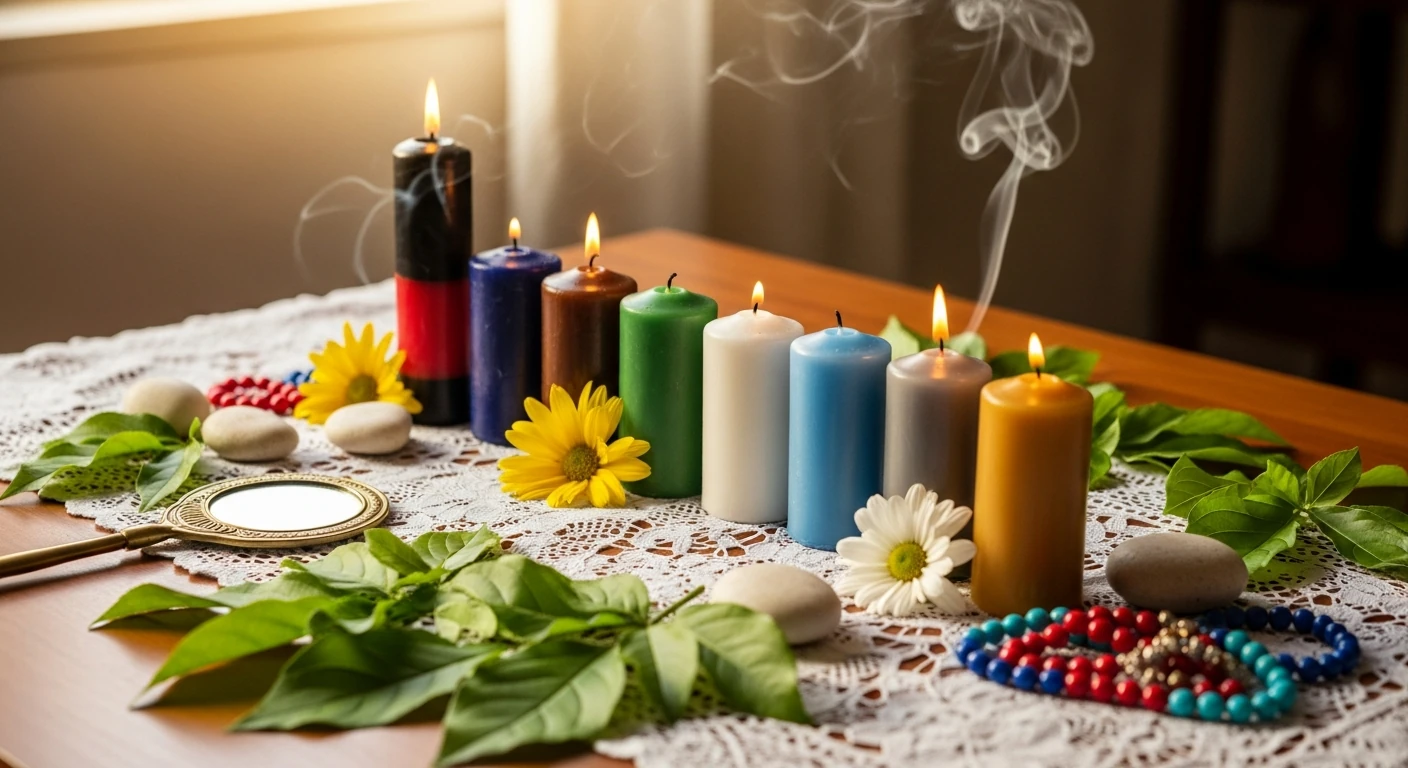
Monday is the day of Exu, Tuesday of Ogum, Wednesday of Xangô and Iansã, Thursday of Oxóssi, Friday of Oxalá and Saturday of Iemanjá and Oxum. And Sunday varies according to the house.
Read article
June saints and the orixás: understand the syncretism of Saint Anthony with Ogum, Saint John with Xangô and Saint Peter, and why June is the month of Xangô.
Read article
Extrema, Minas Gerais · South of Minas
Candles, herbs, alguidares, and statues for your orixá's festival. Talk to us via WhatsApp and we will set everything aside.