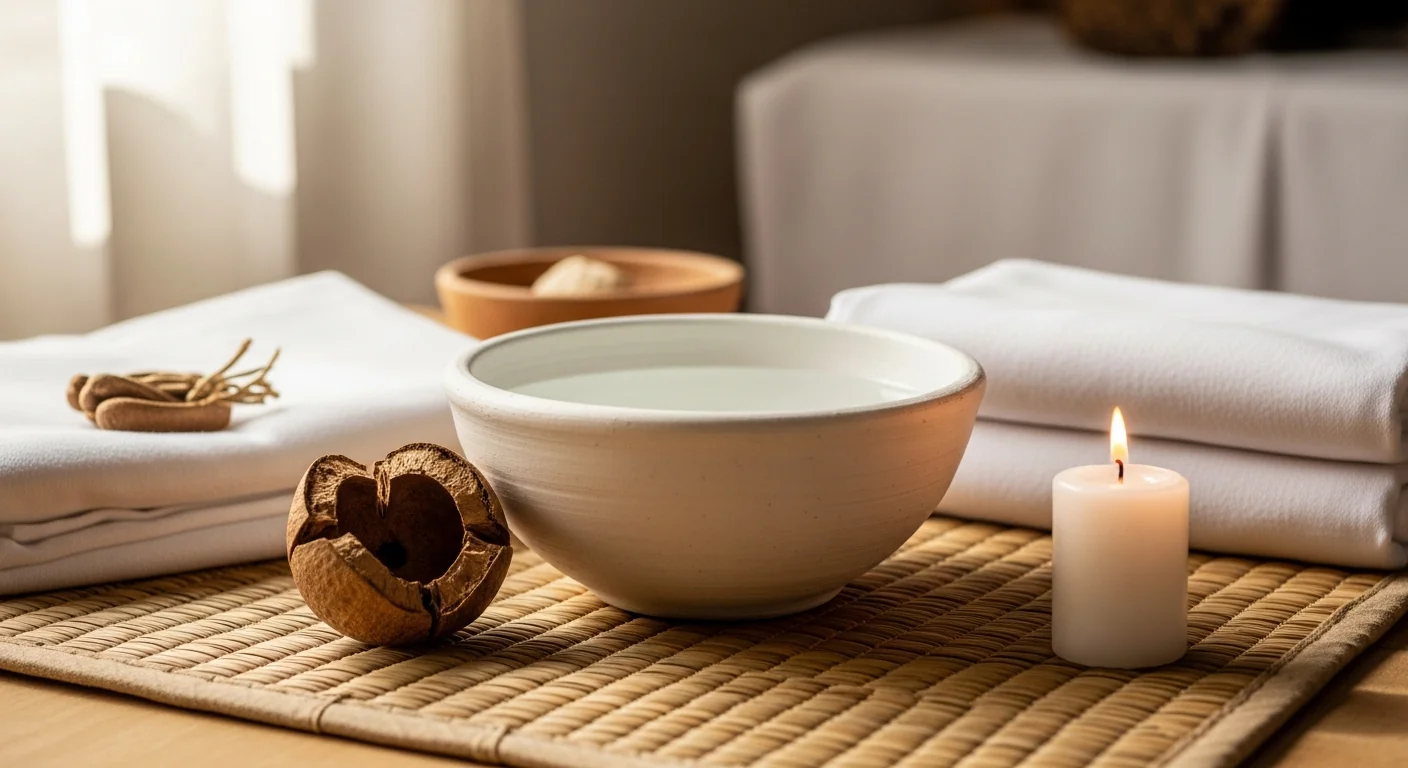
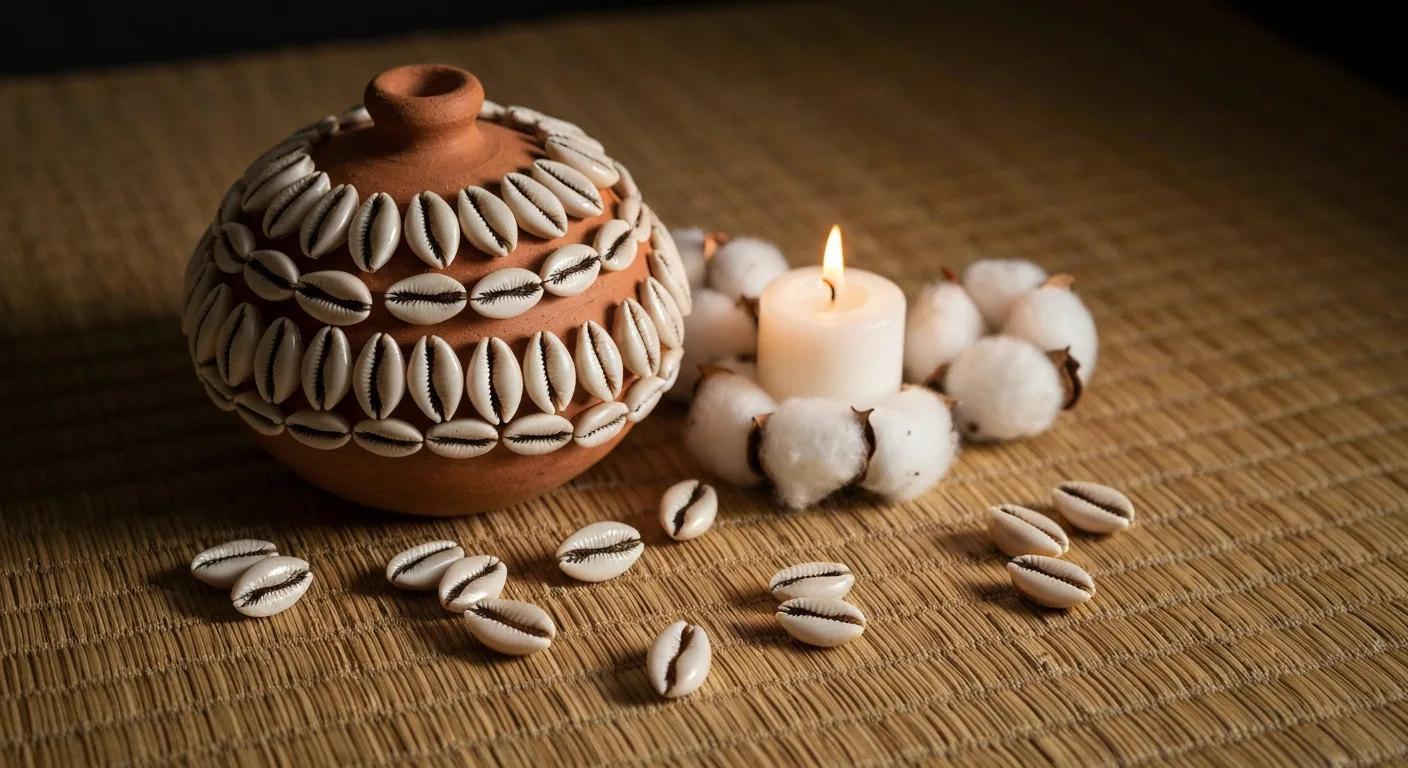
Who can perform bori is the question that comes right after a person understands what the rite means. The short answer surprises many people: almost everyone can, including those who are not from the religion.
What changes from one person to another is not the right to receive, but rather the path to get there, which only the house opens. Here you see who can, what the terreiro asks beforehand, what the protection demands afterwards, and why this rite is not done alone.
Who can receive a bori, case by case
The bori reaches the adepts equally, without distinction of rank within the house. This is what the entry for bori in candomblé records, and it is what the houses practice in their routine, case by case.
- Non-practitioner: can. Sources from candomblé houses record people from outside the cult who seek a terreiro just to perform a bori.
- Frequent visitor: can. Those who visit the house, attend the festivities, and have not yet asked to be abiã are eligible.
- Abiã: can, and it is the most common case. The abiã is the non-initiate who already belongs to the house, and the bori is usually their first rite.
- Initiates: can and repeat. Iaô and ebómi return to the bori throughout the life of santo, as maintenance or in a difficult phase. The ranks are in positions and hierarchy in candomblé.
- Child: depends. The decision is made by the guardian together with the house, and the zeladores diverge on age. There is no fixed number.
The point that summarizes everything: the bori is not a prize for those who have already risen in the hierarchy. It is the rite that cares for the ori, the spiritual head of each one, the subject of what is ori.
What the house requires before giving a bori
Who determines the bori is not the person's will. It is the cowrie-shell divination, read by the babalorixá or by the ialorixá. The reading says if the ori asked, what it asked for, and when. Without this reading, the rite does not happen, and the functioning of the oracle is in what is cowrie-shell divination.
Sources from Candomblé houses list four conditions that the person should gather before receiving:
- Real necessity, pointed out by the ori itself in the divination, and not by the anxiety to do something.
- Trust in the house, in its roots and in the seriousness of those who lead it.
- Knowledge of the precept, that is, knowing that there is a rest period (resguardo) afterward and being able to observe it.
- Trust in the hand of the zelador, because it is he who touches the head.
If any of them are missing, the house usually postpones, and postponing is not a refusal, but a precept.
If a terreiro offers bori without a reading (cowrie-shell divination), without a conversation, and with a standard price on the first visit, look for another house. The rite comes after the reading, never before it.
The bori does not tie you to any house
This is the fact that almost no page says, and it takes a great weight off those who are starting. Receiving a bori does not force anyone to become a filho or filha de santo of that terreiro, nor to fazer o santo later.
Every initiate went through the bori, but giving a bori does not make anyone an initiate, and the difference between the two rites is detailed in what is bori.
Whoever wants to move forward does so, and then another process begins, with another timeline and another commitment. This path is the one of feitura, explained in what is iaô. Whoever does not want to move forward does not, and the bori received remains valid.
The resguardo and what changes afterward
The rite does not end when the person gets up from the mat, because the preceito comes, and it varies greatly from house to house. Do not trust those who claim a single number.
What the sources record as a range:
- About one day in houses that treat bori as punctual care.
- Seven days in a good part of the ketu houses.
- About 21 days in the Angola nation.
- No fixed deadline in some roots, where the orixá (orisha) defines it through the cowrie-shell divination (jogo).
During the resguardo, the cited pattern is to avoid sex, alcohol, and dark drinks. The foods forbidden to the person's orixá and the house's own preceitos are added, a subject of quizilas in candomblé.
There is also the igbá ori, the head's assentamento, which in some ketu houses accompanies the bori. It is not a rule: there is bori without igbá, and those who do not attend the house as abiã usually do not need it. The concept of assentamento appears in assentamento de santo.
Regarding the rite itself, the public record ends here. Water and obi appear in the sources as present elements, and obi has its own page in obi and orobô. Sequence, chants, and quantities are house fundamentals and are not published.
The head rite in each nation
Candomblé is not just one thing, and the head ritual changes name and form depending on the root. The nations are mapped in candomblé nations.
- Ketu: is the bori, with a seclusion of around three days and the possibility of igbá ori.
- Angola: it is called Nkudia Mutue, the energizing of the head's force done through foods, with a variant that includes blood. The record is in the Bantu Candomblé entry.
- Jeje: there is a head ritual, but the time and form change by house, and we have not located a specific open source to pin down the name.
And Umbanda? It does not have bori. Its head ritual is the amaci, the washing with herbs, which has its own function and liturgy. Confusing the two is the most common mistake of those who arrive via the internet, and the difference is in what amaci is.
What the house evaluates before scheduling
There are situations in which the terreiro prefers to wait. Here, honesty is worth more than a closed list, because open sources do not establish a single rule.
Menstruation is the doubt that appears most in searches. Many houses maintain a precept of seclusion during the period, others do not. Ask the leader and do not take the answer personally: it is a precept of foundation, not a judgment on you.
Pregnancy, illness, and mourning follow the same logic. No reliable source establishes a general prohibition, and the decision comes from the divination and the house's reading.
Regarding health, a necessary precaution. Academic research records that tradition associates a weakened ori with illness, and the bori with restoration. This is a religious reading, and it does not replace medical treatment or psychological monitoring. Terreiro welcomes, and welcoming is not treating.
If you are still approaching and do not even know what your orixá is, the discover your orixá quiz serves as a curious gateway. It does not replace cowrie-shell divination, and no online tool can replace it.
Frequently asked questions
Who can receive bori?
Practically anyone: non-initiates, frequenters, abiãs, iaôs, and ebômis. There are even people from other religions who seek a terreiro just to receive the rite. What defines it is not the position of the one who asks, but the reading of the cowrie-shell divination performed by the babalorixá or by the ialorixá of the house.
Do you need to be initiated to receive bori?
No. The bori comes before initiation, not after. The abiã, who is the non-initiate connected to the house, is precisely the most common profile of those who receive it. Every initiate went through bori at some point, but receiving the rite does not make anyone initiated nor does it force them to be initiated.
Can you receive bori while menstruating?
It depends on the house. Many terreiros maintain a preceito of recolhimento during the menstrual period and reschedule the rite, others do not work with that restriction. No reliable open source establishes a universal rule. Ask your leader before scheduling, because the answer is based on the root foundation.
Is bori the same thing as feitura de santo?
No. The bori feeds and strengthens the head, lasts a few days, and does not bind the person to the house. The feitura is the initiation, with a long recolhimento, obligations counted from then on, and a lifelong commitment to the terreiro. One can lead to the other, but they are not the same rite.
Can you do bori at home?
No. The bori is received, not performed. It requires a prior divination, chants, and foundations that only the house holds, and the one who conducts it is a babalorixá or ialorixá. Step-by-step booklets circulate on the internet and have no ritual value. No shop sells a bori kit, and ours does not sell one either.
Where to buy the white material for the preceito
The house will say what to ask for and what to bring. It is common for it to ask for white material and everyday items in the axé. At Joia Mística Laroyê you find what most houses usually ask for:
- White candles: individual, seven-day, and the bori candle
- White cloth and ojá: for dressing and for tying the head
- White dishes, alguidar and clay quartinha: pieces of the axé, topic of what is a quartinha
- Obi and orobô: the seeds that appear in the rite
- Cotton, white pemba and fresh herbs: daily use items in the house
- Pano da costa and bead necklaces: the pano da costa accompanies the religious life
Stop by the shop, at Rua Benedito Zingari, 460, Bela Vista, in Extrema-MG, or message on WhatsApp with delivery to all of Brazil.
A final word. The shop provides material, and no material replaces foundation. The one who gives the bori is the house, with a leader, mat, and divination. Our role ends at the counter, and that is how it should be.
References
- João Ferreira Dias: the study on ori, destiny and the bori ritual among the Yoruba and in Candomblé, Horizonte magazine, PUC Minas, 2013
- Sônia Regina Corrêa Lages: the research on ori, health and the diseases of the children of santo, Horizonte magazine, PUC Minas, 2022
- Wikipedia: the bori entry in Candomblé, which records the cowrie-shell divination instructing the babalorixá
- Wikipedia: the Bantu Candomblé entry, with the Nkudia Mutue, the head ritual of the Angola nation
- Pierre Verger Foundation: the researcher's collection on Candomblé and Yoruba cults