Joia Mística Laroyê
PT

Tambor de Mina

The afro-religious tradition of Maranhão, guardian of the vodun and Encantados, with its chants, rhythms, and living faith by the rivers and the sea.

Maranhense Tradition

What is Tambor de Mina?

The Tambor de Mina is one of the oldest afro-Brazilian religions in Brazil, originating from Maranhão. It emerged in the 19th century from the Casa das Minas, founded by Africans of the Ewe-Fon ethnicity (from present-day Benin), in São Luís.

The word "mina" comes from the Forte de São Jorge da Mina, on the coast of West Africa, through which many of the Africans brought to Brazil passed. The "tambor" refers to the act of playing the sacred atabaques in the ceremonies.

Different from the Bahian Candomblé, Tambor de Mina preserved very specific characteristics of the Dahomean tradition and also incorporated indigenous and European influences, developing a unique pantheon of Voduns and Encantados.

Entities of Tambor de Mina

Voduns

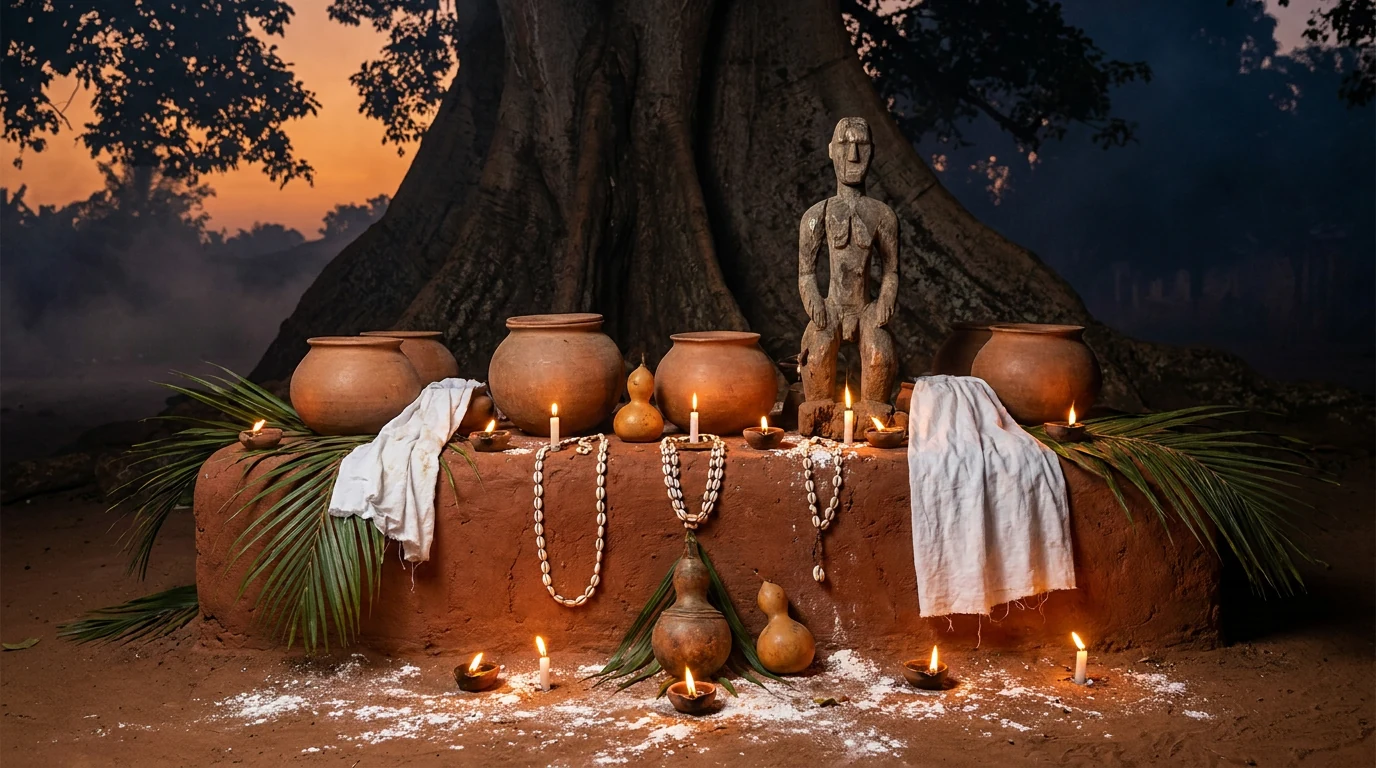
Dahomean African deities Xapanã, Averequete, Legba

Encantados

Spirits of historical or mythical Brazilian figures Rei Sebastião, Dona Mariana

Turcos and Nobres

Spirits of European and Oriental origin incorporated into the tradition

Caboclos Gentis

Indigenous spirits with characteristics specific to Mina

Casa das Minas, the cradle of the tradition

Casa das Minas (São Luís-MA)

Founded in the 19th century by enslaved African women of the Ewe-Fon ethnicity. It is considered the oldest terreiro in Maranhão and one of the most important in Brazil. They exclusively worship Dahomean voduns, without syncretism with other traditions.

Casa de Nagô (São Luís-MA)

The other great founding house of Maranhão, of Yoruba origin, founded around 1840. It has been listed by the state of Maranhão since 1986, while Casa das Minas is listed by IPHAN. Both maintain distinct rituals and preserve African languages in the sacred chants.

Rhythm & Party

The drums and the parties of Mina

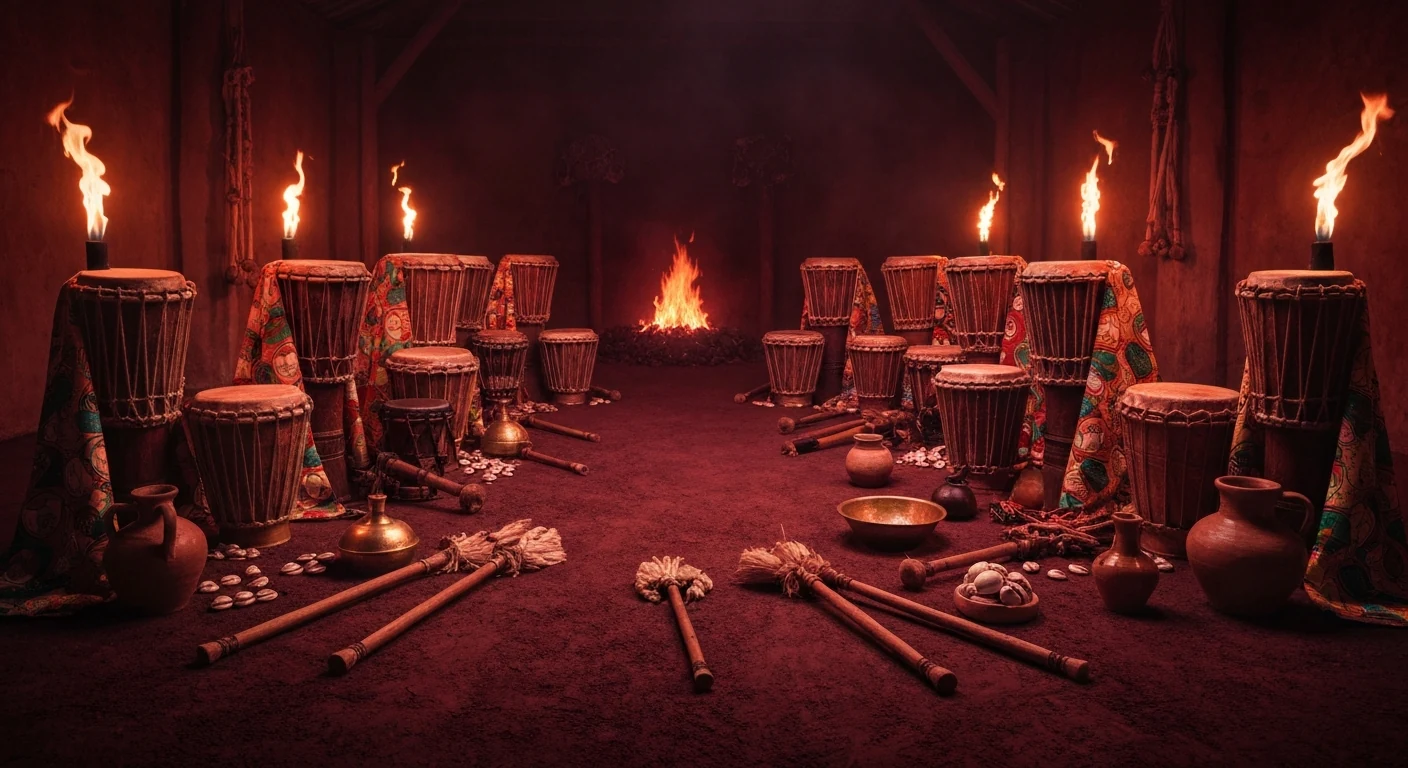
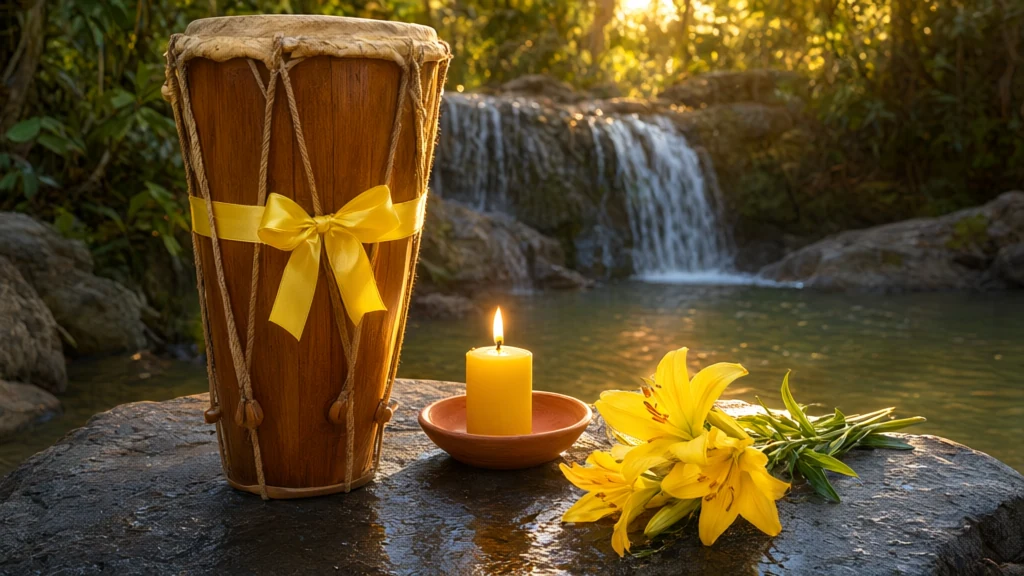
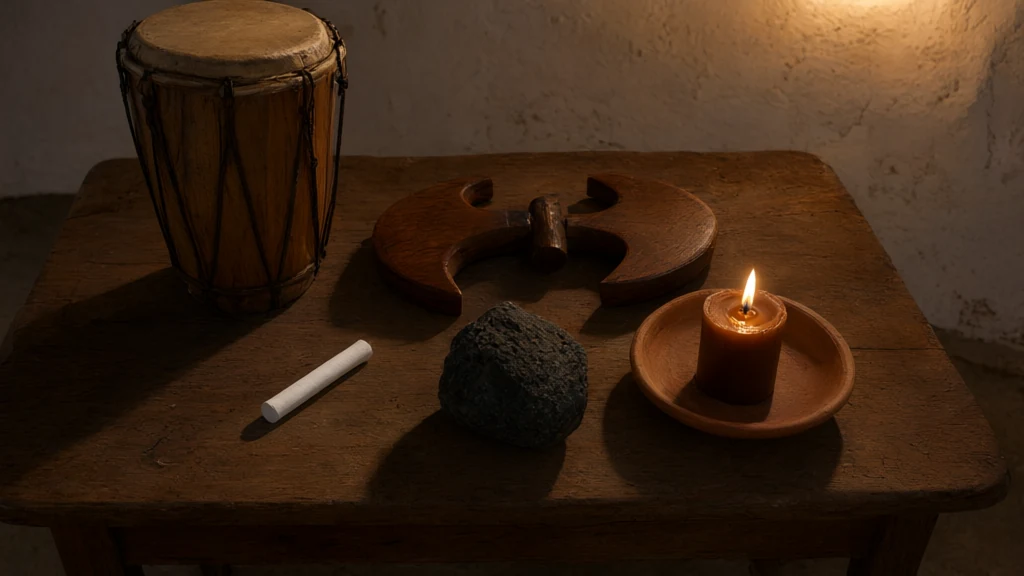
In Tambor de Mina, the drum is not just an instrument: it is a sacred voice that calls the Voduns and Encantados. The toques (rhythms), led by the drummers in the so-called line, mark the rhythm of the ceremonies and open the path for the manifestation of the spirits, in a dialogue between sound and mystery.

The festivals follow their own liturgical calendar, with chants (the doctrines), dances, white clothing, and lavish tables in honor of the Voduns and Encantados. They are moments of joy and devotion, in which the community celebrates the presence of the sacred and reaffirms its Afro-Maranhense identity.

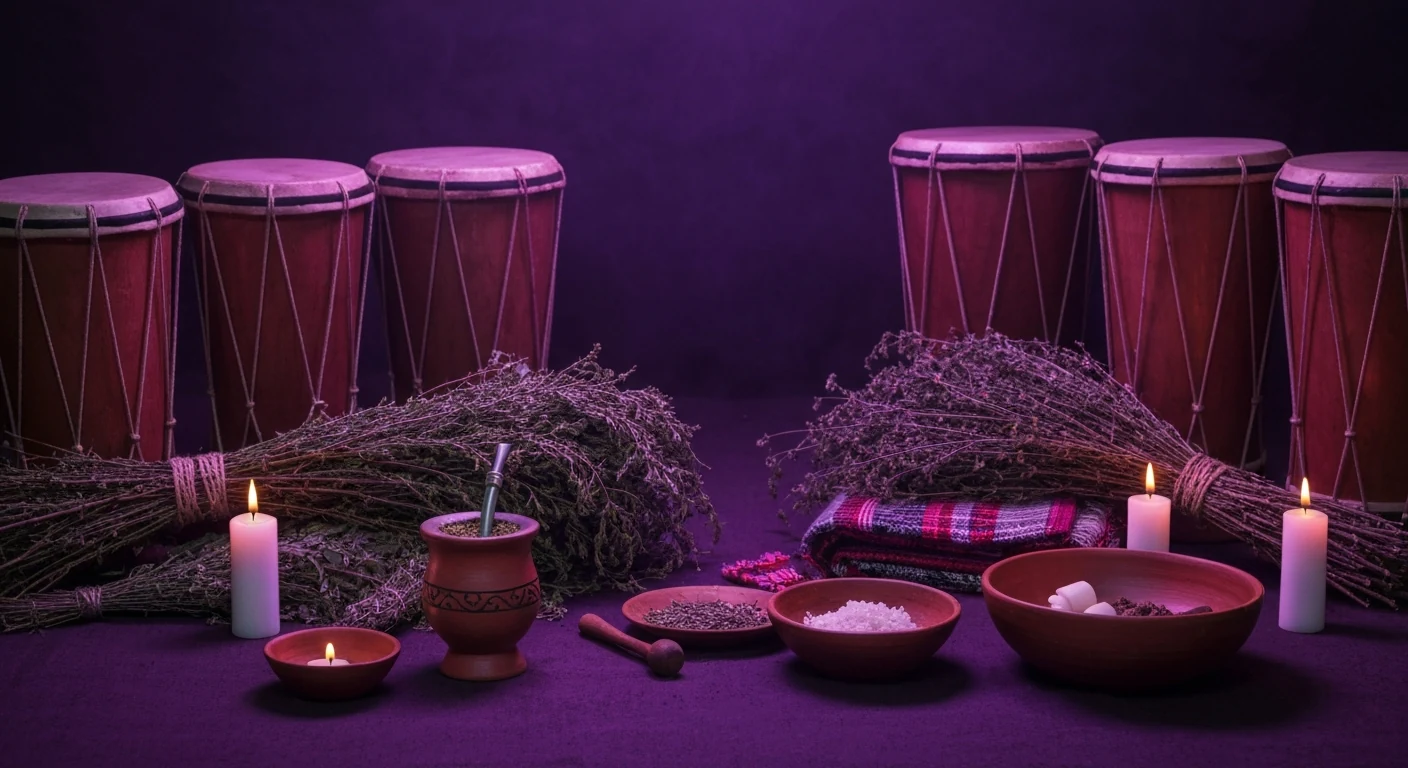
This centuries-old tradition resists and renews itself with each generation. To support the faith of those who follow Tambor de Mina, Joia Mística Laroyê offers statues, bead necklaces, clothing, candles, and herbs, with welcoming service in Extrema-MG and shipping to all of Brazil.


Frequently Asked Questions

Frequently asked questions about Tambor de Mina

The Tambor de Mina is the traditional Afro-Brazilian religion of Maranhão, which worships Voduns and Encantados. It originated from the Jeje and Nagô peoples brought to Maranhão and preserves its own chants, drum rhythms (toques), and mysteries, with a strong presence in São Luís.
A shop of faith

Explore the spiritual traditions

Knowledge & Faith

Articles about Tambor de Mina

See all arrow_forward
Interior of the Joia Mística Laroyê shop in Extrema, Minas Gerais

Extrema, Minas Gerais · South of Minas

Come visit Joia Mística Laroyê

Candles, herbs, statues, bead necklaces and everything for your faith, with service from those who understand. Ask your questions via WhatsApp or pay us a visit.

R. Benedito Zingari, 460, Bela Vista, Extrema-MG
Mon to Fri, 9am to 6pm · Sat, 9am to 1pm