In a white suit, red tie, and Panama hat, Zé Pelintra arrives at the gira with the swing of someone who lived life and learned on the streets. Also written as Zé Pilintra, he is one of the most beloved spirits of Umbanda, the malandro who protects the humble and is affectionately called the advocate of the poor. But, behind the charm, there is much prejudice to undo.
This article tells who Zé Pelintra is, his double face as a malandro of Umbanda and master of Jurema, how he works, what is his day, and, mainly, why the fame of being "evil" is nothing more than an injustice.
Who is Zé Pelintra
Zé Pelintra is the archetype of the Brazilian malandro, the urban and clever figure of the bohemia of Lapa, in Rio, and the streets of Recife. He wears the impeccable white linen suit, the red tie, the tilted Panama hat, and the bicolor shoes, and carries the razor more for style than for fighting. As described by Wikipedia, he is the patron of bohemians, gamblers, and all those whom society left aside.
Here it is necessary to understand one word: malandragem. In the case of Seu Zé, it does not mean crime, but rather resourcefulness, cleverness, and survival with dignity. As CartaCapital recalls, malandragem was, for the black and poor man, a legitimate strategy of resistance against racism and exclusion. The malandro does not rob the humble: he defends those who are weak and gives a blow back to the injustice of the powerful.
“Hail Seu Zé Pelintra! Hail Malandragem!” The greeting, heard in so many terreiros, is a cry of respect to those who teach how to overcome life with cunning, good humor, and heart.
The malandro and the master: Umbanda and Jurema
Zé Pelintra does not belong to a single world. He moves through different traditions, and understanding this is understanding his richness.
In Umbanda, he is the great name of the malandragem line, close to the so-called povo da rua and the left line. He is a spirit who lived, evolved, and today works in the light, alongside other phalanges of Umbanda spirit guides, such as the caboclos and the pretos-velhos.
In the Northeast, however, he is a Mestre da Jurema, the afro-indigenous tradition of catimbó, centered on the worship of the sacred Jurema tree and the master healers. There, Seu Zé is a doctor, counselor, and healer. It is worth noting: Jurema is not a branch of Umbanda, but rather its own tradition, with deep indigenous roots.
Regarding his history, tradition tells of a flesh and blood juremeiro master, linked sometimes to Alhandra, in Paraíba, and sometimes to Pernambuco. There are no secure historical records, and some even say that the carioca malandro and the northeastern master were different figures who merged in the imagination. What matters is what he represents today.
Is Zé Pelintra an Exu?
This is one of the most common doubts, and the answer requires care. Zé Pelintra works in the malandragem line, near the so-called left, and for this reason, many people confuse him with an Exu. But he is not an Exu, nor a Pombagira.
The way each house receives him varies greatly. In some terreiros, he arrives as a malandro Exu; in others, as a master or a spirit with its own identity; in others still, in the line of the baianos. There is no single rule, and what defines this is the foundation (fundamento) of each house.
The root of the confusion is old: both Exu and Zé Pelintra were targets of the same historical demonization, the one that painted everything coming from Afro-Brazilian religions as the "devil". Separating the two things is an act of respect for the truth.
How Zé Pelintra works in the gira
Who seeks Seu Zé in a consultation finds a practical, good-humored, and direct spirit. His ritual work usually involves:
- Protection: of the bohemians, of the humble, of the house, and of whoever seeks him, warding off dangers and bad company.
- Justice: he defends the wronged and helps to "settle the accounts" of those who were deceived or exploited.
- Love and money: matters of the heart, of work, and of finances that are stuck.
- Opening of paths: untying knots and unlocking situations with cleverness and resourcefulness.
- Counsel and healing: he guides without judging, with the wisdom of someone who has lived through everything, a heritage from the master healer of Jurema.
The style is unmistakable: a soft voice, malandro slang, a joke at the right moment, and a serious lesson beneath the playfulness. Seu Zé teaches the seeker how to get by in life without losing dignity.
The profile of Zé Pelintra
Knowing the symbols of the spirit helps to understand its energy. Everything here varies depending on the house, but these are the most traditional elements:
- Day: July 7, officialized as Zé Pelintra Day in the city of Rio de Janeiro by Law 7.549/2022. Some houses also celebrate on October 28.
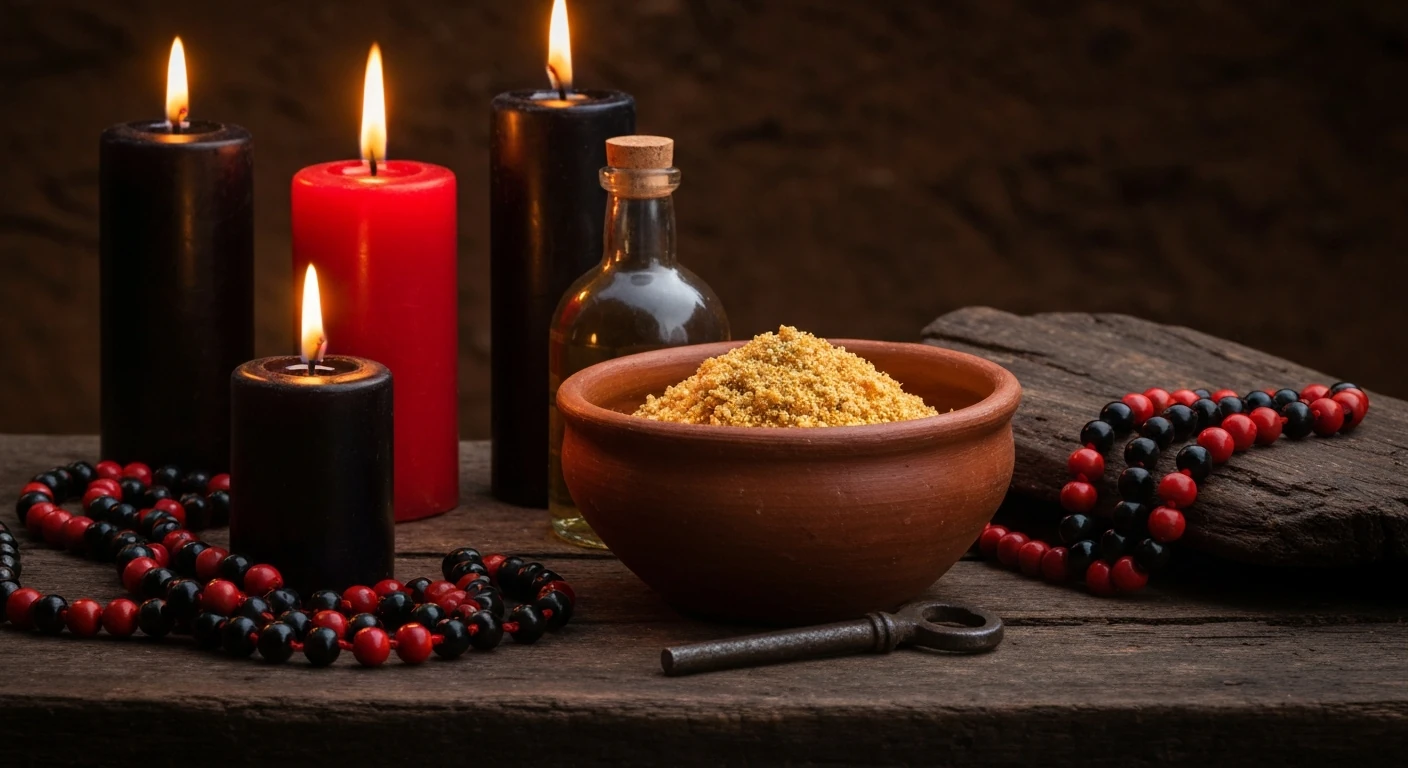
- Colors: white and red predominate, with black appearing in some houses.
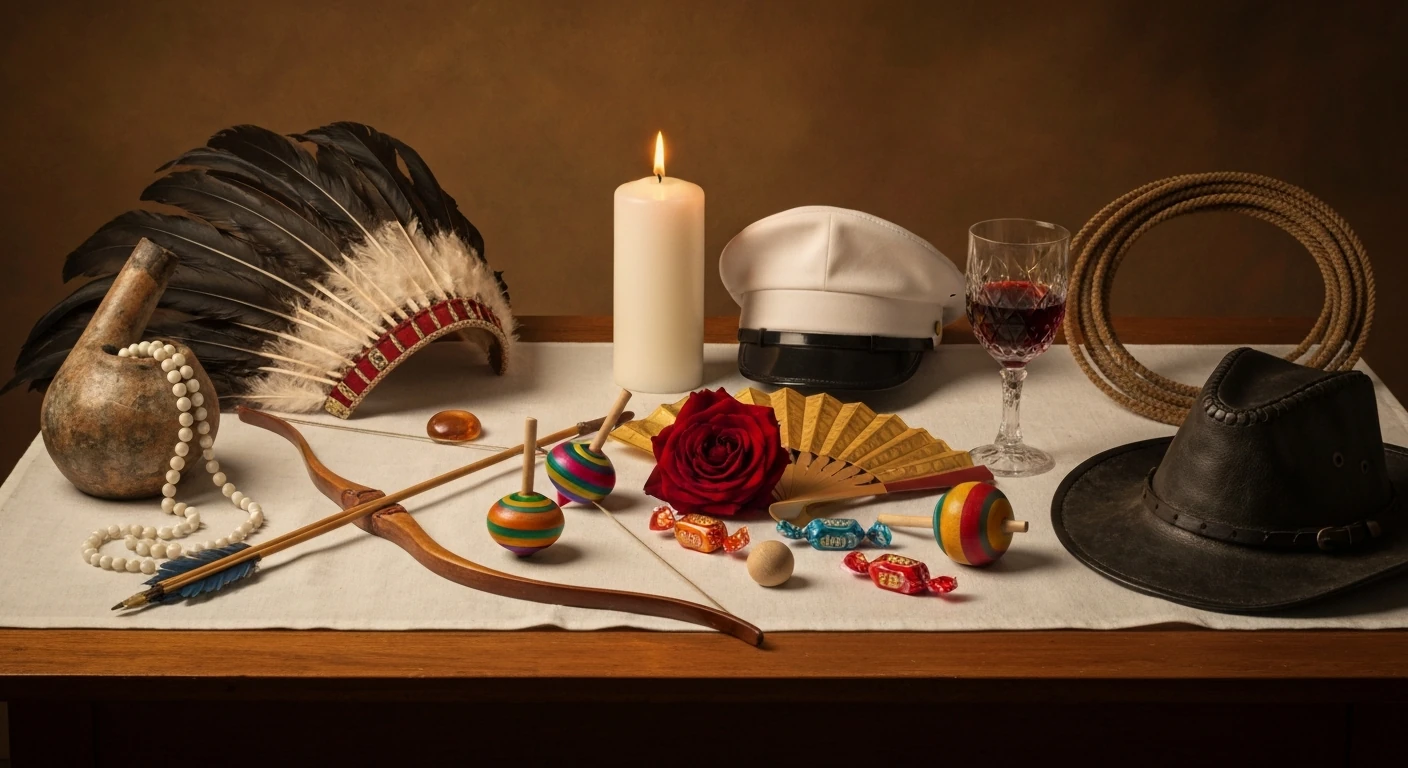
- Symbols: the white suit, the red tie, the Panama hat, the razor, the deck of cards, the die, and the coins.
- Offerings: cachaça, cigarettes or cigars, and simple foods are part of the spirit's tradition.
- Greeting: "Hail Seu Zé Pelintra!", "Hail the Malandragem!" and "Saravá, Seu Zé!".
Cachaça and cigarettes are traditional elements of the spirit and symbols of his bohemian lifestyle. They do not glorify anything, nor are they a formula that guarantees results: they are part of the language with which this force presents itself.
Zé Pelintra in Brazilian culture
The force of Zé Pelintra goes beyond the terreiros and crosses the country's popular culture. He became a character in music, cordel, and carnival, always as a symbol of the bohemian and resistant soul of the Brazilian people. The singer Itamar Assumpção dedicated a song to him; samba schools took him to the avenue; and his figure inhabits the literature and the imagination of Rio's Lapa and Recife.
This recognition even took the form of law, when Rio de Janeiro officialized his day, and became a theme of academic studies on Umbanda and the figure of the malandro. All this shows that Seu Zé is much more than a terreiro spirit: he is a cultural heritage, an affective portrait of a people who make joy and cleverness a way to resist.
Zé Pelintra is not evil
We reach the most important point. The idea that Zé Pelintra would be "evil" or linked to the devil is prejudice, not tradition. It stems from the long historical campaign that demonized Afro-Brazilian religions and everything that represented the black, poor, and marginalized people.
Zé Pelintra is a spirit of light and ritual work, a spirit guide who heals, protects, and brings justice to the forgotten. His malandragem is the wisdom of someone who learned to survive with honor in an unjust world, and he transformed it into a tool to help others. To revere him is to revere the resistance, the joy, and the dignity of an entire people. The good malandro takes from no one: he lends a hand to those who need it most.
Frequently asked questions
Who is Zé Pelintra in Umbanda?
Zé Pelintra is the spirit guide who represents the malandragem line in Umbanda. He is the figure of the malandro in a white suit, protector of the humble and the bohemians, known as the advocate of the poor. A spirit who once lived and now works in the light, he helps with matters of protection, justice, love, and opening paths.
Is Zé Pelintra an Exu?
Not exactly. He works in the malandragem line, close to the left, and for that reason, he is confused with Exu, but he is neither an Exu nor a pombagira. Each house receives him in a different way, some as exu malandro, others as a master in his own right. The confusion comes from the historical demonization that hit both figures.
Is Zé Pelintra evil?
No. This idea is a result of the prejudice that demonized Afro-Brazilian religions. Zé Pelintra is a spirit of light and ritual work, who protects, heals, and brings justice to the simplest people. His malandragem is cleverness and the defense of the oppressed, not evil. Treating him as the "devil" is repeating a historical injustice.
What is Zé Pelintra's day?
The most celebrated day is July 7, a date officially established as Zé Pelintra Day in the city of Rio de Janeiro by law in 2022. Some houses and devotees also honor him on October 28. As with everything in Umbanda, the date may vary according to the tradition of each terreiro.
Did Zé Pelintra really exist?
Tradition says there was a real juremeiro master, linked to the Northeast, in Alhandra or in Pernambuco, but there are no historical records that confirm it. Some even believe that the carioca malandro and the northeastern master were different people who joined in the popular imagination over time.
Where to find items for Zé Pelintra
At Joia Mística Laroyê, you find what you need to honor Seu Zé:
- Statues of Zé Pelintra: for your devotion corner
- White and red candles: the colors of the spirit
- Bead necklaces and beads: white and red of the malandragem
- Cigars and altar items: for the house's firmezas
Visit our shop in Extrema, Minas Gerais or talk to us via WhatsApp and we ship all over Brazil.
References
- Wikipedia: entry about Zé Pilintra
- CartaCapital: article about malandragem and Seu Zé Pelintra
- Rio de Janeiro City Council: Law 7.549/2022, which officializes Zé Pelintra Day on July 7
- UFAC Journals (Federal University of Acre): academic study about Umbanda and the figure of the malandro