Maria Padilha is the most well known and worshipped of the pombagiras, hailed in many terreiros as the queen of the crossroads. A free woman, haughty and mistress of her own destiny, she is a guardian, a spirit of ritual work that protects, advises, and opens paths, especially in the lives of women.
Behind the fame, however, there is much prejudice to undo. Maria Padilha is not the devil, she is not a spirit of evil, and she is not limited to the stereotype of the "woman of life." This article tells who she truly is, where her name comes from, what her lineages are, and how she is worshipped with respect.
Who is Maria Padilha
In the line of guardians, Maria Padilha is a pombagira, the feminine face of the force of Exu (Eshu). Pombagira is not an orixá (orisha): she is a spirit of light and of ritual work, who manifests in the giras to orient, protect, and help unlock the life of those who seek her.
Known by titles such as queen of the seven crossroads and lady of the dawn, she acts in the fields of love, self esteem, freedom, and self knowledge. Her mark is the defense of female autonomy: many women seek her to rediscover their own strength, leave relationships that make them sick, and regain respect for themselves.
To understand the spiritual category to which she belongs, it is worth reading first who is the Pombagira, the pillar that presents this line of spirits. Here the focus is on the most famous of them.
From the queen of Castile to the Brazilian pombagira
The origin of the name Maria Padilha has a fascinating history, which begins far from Brazil. The most accepted hypothesis links the spirit to María de Padilla (1334-1361), a Spanish noblewoman who was the great companion of King Pedro I of Castile, nicknamed the Cruel. The king even abandoned his official wife, Blanche of Bourbon, to live with her, and after her death, he declared her as his only and legitimate wife before the Cortes.
Slandered after her death, María de Padilla was accused of witchcraft, a legend that does not appear in her real biography. Even so, her name entered the Iberian magical literature, in the spells and prayers of the Peninsula, and crossed the Atlantic with the colonizers. In Brazil, this name merged with African cosmologies and gave rise to the pombagira we know today.
Important: the queen of Castile and the pombagira are not "the same person." The name came from Spain, but the spirit is a genuinely Brazilian spiritual construction, born from the meeting of cultures. One is a historical figure, the other is a spiritual force.
The falanges of Maria Padilha
In worship, people speak of various "Marias Padilhas," and this confuses those coming from outside. There is not just one: there is a falange, a set of qualities that act in different contexts. Each terreiro organizes these facets in its own way. Among the most cited are:
- Maria Padilha das Almas: linked to deep emotional healing and spiritual protection.
- Maria Padilha das Sete Encruzilhadas: of choices, decisions, and the opening of paths.
- Maria Padilha da Calunga: linked to the waters, cleansing, and new beginnings.
- Maria Padilha das Sete Catacumbas: of deep internal transformations and spiritual justice.
Each one is a face of the same feminine vibration. Which one works in each house depends on the foundation of that terreiro, and who guides this is always the pai or mãe de santo.
The card of Maria Padilha
Knowing the symbols of a spirit helps to understand what she represents. These are the elements traditionally associated with Maria Padilha, presented as cultural information, not as a ritual work recipe:
- Day: the gira of Pombagira is on Monday or Friday night, and each terreiro chooses its own. In Porto Alegre, Law 12.781/2020 marks March 9 as the Day of the Sovereign Pomba-Gira Maria Padilha, a municipal date. The other dates are in pombagira day.
- Colors: red and black.
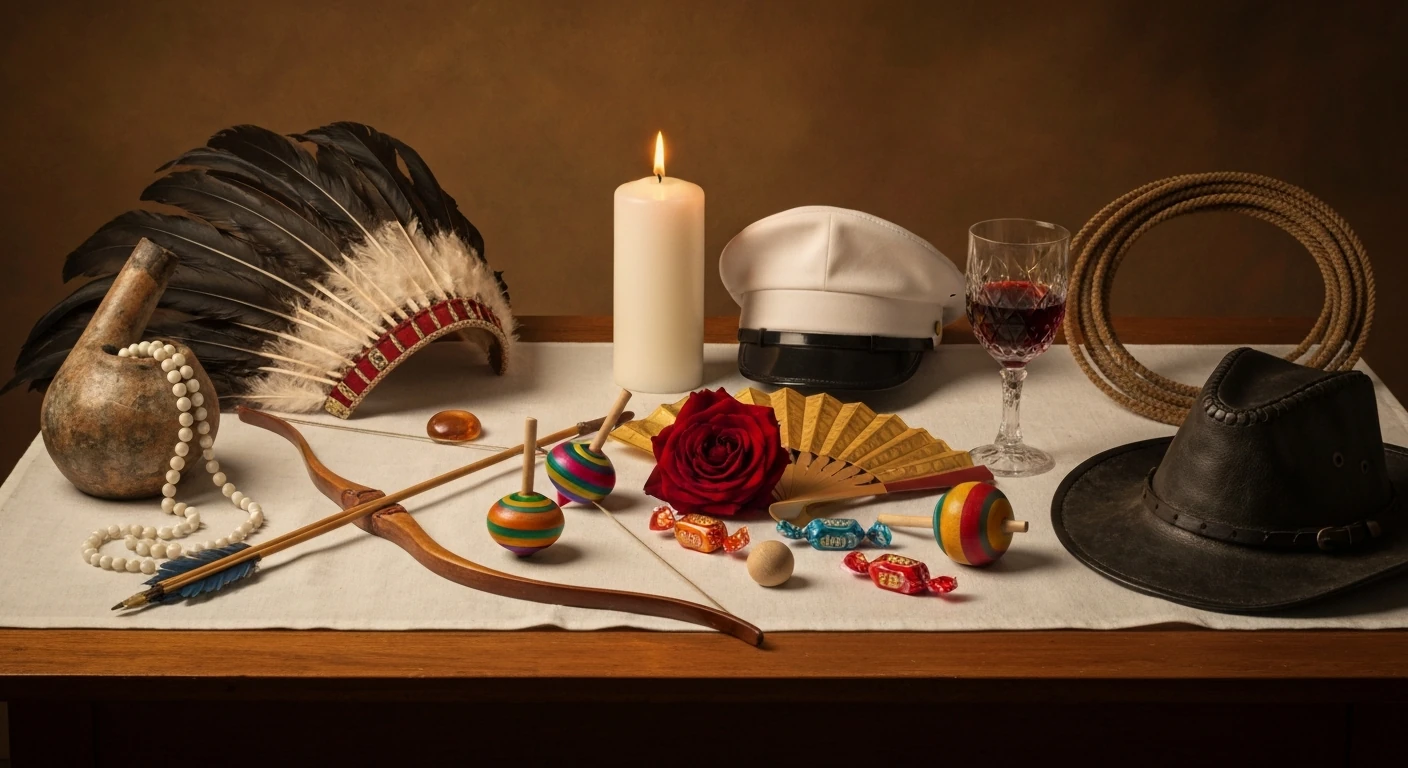
- Symbols: the red rose, the goblet, the fan, the mirror, the red candle, and the cigarette.
- Traditional offerings: red roses, sparkling wine, anise, jewelry, and cosmetics. Always delivered with respect, and never with the purpose of binding or controlling another person.
- Greeting: “Laroyê, Maria Padilha!”, the same “Laroyê” inherited from Exu.
The red rose, in fact, is a symbol that she shares with other feminine spirits, as seen in the article about the rose in spirituality.
Maria Padilha is not the devil
Here is the most important point of this text. The image of Maria Padilha as something “demonic” is the result of prejudice, not tradition. It arises from the Christian and colonial gaze that, for centuries, demonized everything that came from Afro-Brazilian religions and everything that represented the free woman.
Maria Padilha is a spirit of light and of ritual work, a guardian. She deserves the same respect given to a Catholic saint. The same applies to the label of prostitute that is so often attached to her: it is a reductive reading, inherited from the defamation of the queen of Castile herself. What the pombagira symbolizes is the woman in control of her own body and her own path, the one who welcomes precisely the women that society despises.
Understanding Maria Padilha is understanding that freedom is not a sin. She represents the woman who refuses to be submissive, and perhaps that is why, and not for any other reason, she has caused so much discomfort throughout history.
The same demystification applies to the guardian Exus, as seen in who is Exu Tranca Ruas, another spirit of ritual work surrounded by misunderstandings.
How Maria Padilha is worshipped
Maria Padilha works in both Umbanda and Quimbanda, with differences between the traditions. In Umbanda, she acts in the so-called left line, the line of the guardians, manifesting in the gira to advise and protect. In Quimbanda, her worship is more linked to the foundation and to magic, and she is revered as one of the great queens of the crossroads.
In any case, an honest warning is needed. The internet is full of "binding spells" (simpatias para amarrar) and promises of guaranteed results in the name of Maria Padilha. This is not serious tradition: it is sensationalism. Ritual works of foundation are done in a serious house, with the guidance of a Pai or Mãe de santo, and never with the intention of binding someone. The spirit that is a symbol of freedom does not work to take away anyone's freedom.
What to ask, and what not to ask, of Maria Padilha
Those who approach Maria Padilha with respect usually seek things that match her nature: strength to start over, courage to leave a hurting situation, clarity to make decisions, protection, and self-love. She is a great counselor in matters of the heart and self-esteem, and she welcomes those who arrive wounded without judging.
What cannot be asked for is that which harms the freedom of another person. Bindings, spells to trap a partner, revenge: none of this belongs to a spirit who is, herself, a symbol of freedom. Asking Maria Padilha to take away someone's autonomy is not understanding anything about her.
Therefore, the serious path always passes through a house of fundamento. A pai or mãe de santo guides what makes sense, how to approach, and what to avoid. True devotion is a relationship of respect and exchange, built over time, not a transaction for a guaranteed result.
Frequently asked questions
Who is Maria Padilha in Umbanda?
Maria Padilha is a pombagira, the feminine spirit who works in the line of the guardians, alongside Exu. She is seen as the queen of the crossroads and acts in protection, love, self-esteem, and the opening of paths, especially in the lives of women. She is a spirit of light and work, not a spirit of evil.
What is the origin of Maria Padilha?
The most accepted hypothesis links the name to María de Padilla, companion of King Pedro I of Castile in the 14th century, defamed as a witch after her death. The name entered Iberian magic and came to Brazil, where it merged with African traditions. The historical figure and the Brazilian spirit, however, are not the same person.
Is Maria Padilha the devil?
No. This idea is a result of Christian and colonial prejudice, which demonized Afro-Brazilian religions. Maria Padilha is a guardian, a spirit of light and ritual work, who deserves the same respect as any sacred figure. The labels of "devil" or "prostitute" say more about prejudice than about her.
What is the day and the colors of Maria Padilha?
There is no single day for her: the gira of Pombagira is on Monday or Friday night, depending on the terreiro, and in Porto Alegre a municipal law gives Maria Padilha March 9. Her colors are red and black, and her symbols include the red rose, the cup, the fan, and the mirror. Customs vary according to the fundamento of each terreiro.
What do the falanges of Maria Padilha mean?
The falanges are the different qualities of the spirit, such as Maria Padilha das Almas or das Sete Encruzilhadas. Each one acts in a context, such as emotional healing, decisions, or protection. There is no official closed list: the way they are organized depends on the tradition of each house.
Where to find items for Maria Padilha
At Joia Mística Laroyê, you can find items to honor Maria Padilha with respect:
- Red and black candles: the colors of the spirit
- Statues of Maria Padilha: for your devotion spot
- Bead necklaces and red and black beads: firmeza for the children of the house
- Altar items: cups, fans, and candle holders
Visit our shop in Extrema, Minas Gerais or talk to us via WhatsApp and we ship all over Brazil.
References
- Wikipedia: entry about Maria Padilha as a spirit of Quimbanda
- Wikipedia: entry about María de Padilla, a 14th-century Spanish noblewoman
- Redalyc: academic article about prejudice against Afro-Brazilian religions
- Cristiane Amaral de Barros, UFJF: Iemanjá and Pomba-gira, dissertation, 2006
- Porto Alegre: Law 12.781/2020, Day of Pomba-Gira Soberana Maria Padilha