The Umbanda Day is celebrated on November 15, a date established by federal law in 2012. In 2026 it falls on a Sunday. The date commemorates, according to tradition, the first manifestation of the Caboclo das Sete Encruzilhadas in the medium Zélio de Moraes, in Niterói, in 1908.
The law is recent, but the celebration is older than it. The Umbanda movement had already chosen November 15 in the 1970s.
When is Umbanda Day
Umbanda Day falls every year on November 15. This is what Law 12.644 says: "The National Day of Umbanda is established, to be celebrated annually on November 15."
Date: November 15 | In 2026: Sunday | Federal law: 12.644, of May 16, 2012 | Before it: Rio de Janeiro (2008) and the city of São Paulo (2010) | Is it a holiday? The day is, because of the Republic
By counting the houses, which dates back to 1908, Umbanda completes 118 years in 2026.
The National Day of Umbanda law
The Law 12.644 was sanctioned on May 16, 2012. It has two articles and does not mention Zélio, Caboclo, or 1908. The text came from the 2005 project by deputy Carlos Santana, from Rio de Janeiro, approved in the Chamber in 2008.
Before it, the date was already in two official calendars:
- State of Rio, 2008. The State Law 5.200, by deputy Gilberto Palmares, created the "Day of Umbanda and the Umbanda practitioner."
- City of São Paulo, 2010. November 15 entered the city's official calendar of events.
Niterói also has a Municipal Day of Umbanda, and a 2014 law recognizes Umbanda as the city's intangible heritage.
The holiday is the Republic Day
Umbanda Day is not a holiday by itself. November 15 is a national holiday because of the Proclamation of the Republic, and it is in Law 662, of 1949. Law 12.644 creates a commemorative date, not a holiday. There is another federal law date linked to the religion: January 21, which has its own law and another history, told in the text about the National Day to Combat Religious Intolerance.
In 1908, the day was already a day off: a decree from 1890 consecrated it to the "commemoration of the Brazilian Homeland." Therefore, the narrative places Zélio's session on a holiday.
Why November 15
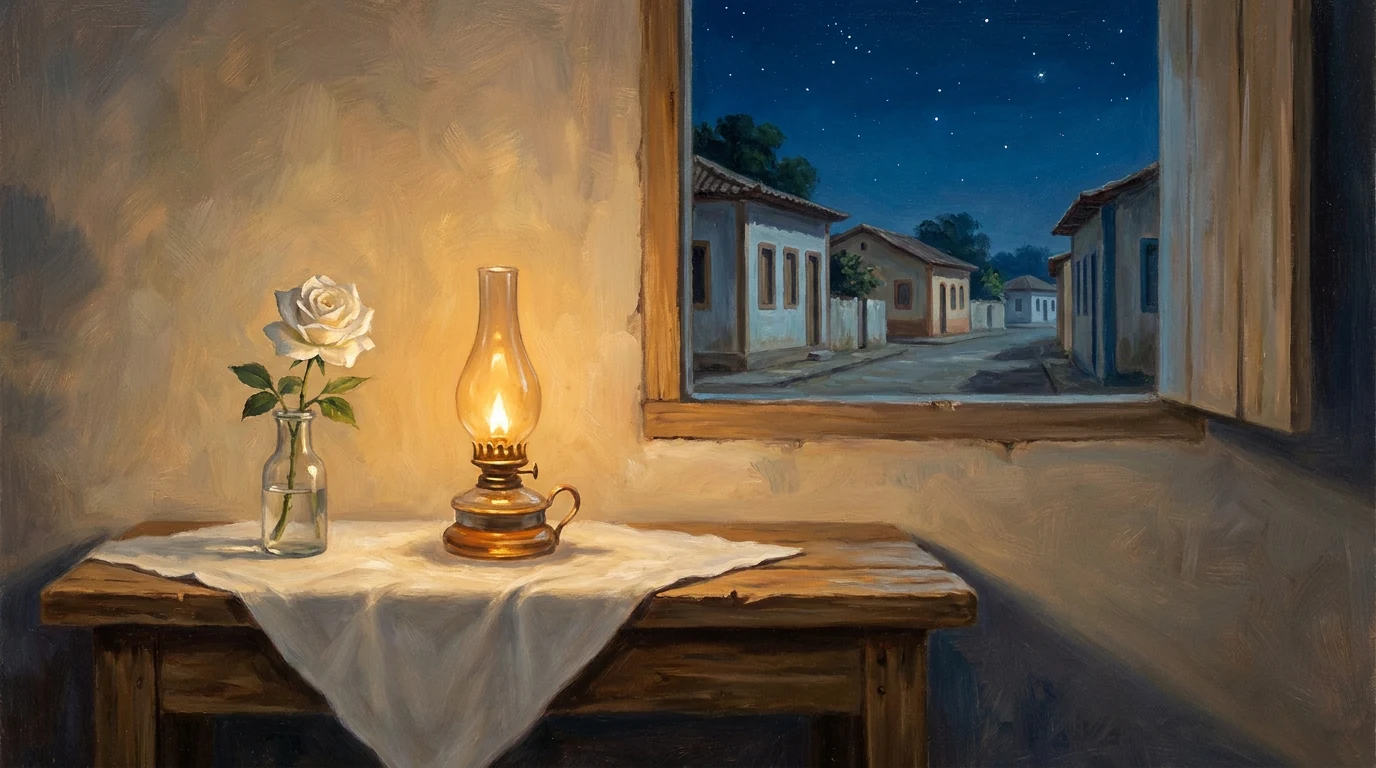
Because, according to tradition, it was on that day in 1908 that the Caboclo das Sete Encruzilhadas manifested for the first time through Zélio Fernandino de Moraes. According to the version of the house itself, the young man, who was ill, was taken to a spiritist session in Niterói. There, the leader would send away the spirits of Black and indigenous people. The Caboclo appeared and warned that he would found a cult in the medium's house.
On the following day, November 16, at 8 p.m., the Tenda Espírita Nossa Senhora da Piedade was born, in Neves, São Gonçalo. The house says it was on that day, the 16th, that the cult received the name Umbanda. The law stayed with the 15th. It is the date of the first manifestation.
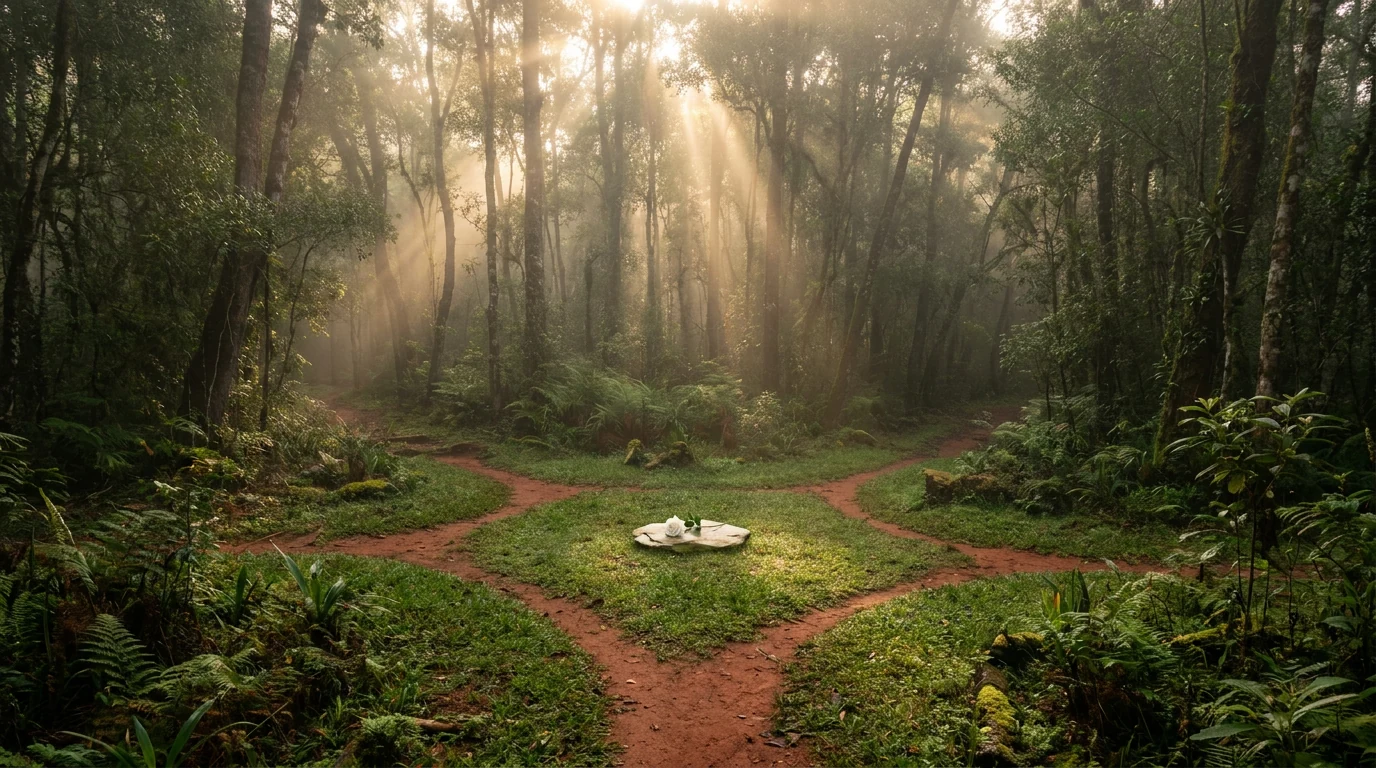
The houses repeat two details of the narrative. Zélio supposedly went to the garden to fetch a white rose for the center of the table. And the phrase is attributed to the Caboclo: "let it be Caboclo das Sete Encruzilhadas, because there will be no closed paths for me."
Who chose the date
The choice was made by the Umbanda movement itself, decades before the law. Sources diverge on the moment. For the research of Diego Damaceno Lima, from Unesp, it was the III Brazilian Congress of Spiritism of Umbanda, in 1973. A letter from the National Deliberative Council of Umbanda (CONDU), published in 1976, places the choice in a Council convention with 25 federations. The São Paulo City Council records the same convention.
According to the letter, there were two other candidates: May 13, "consecrated to the Pretos Velhos," and November 22, the day of Araribóia. The 15th won unanimously. The honored ones of May 13 are in pretos-velhos in Umbanda, and the history of the date is in preto velho day.
The coincidence with the Republic has already sparked discussion. In 1976, a newspaper from Manaus criticized the choice because "the date concerns the Proclamation of the Republic," and the CONDU responded in the letter.
What is a report and what is a document
The houses tell the story of 1908 with affection. The research treats it with care.
What has a document. The Caboclo and the Tenda da Piedade appear in a book from 1933, by Leal de Souza, who presided over one of the tents founded by him. Leal says that the Caboclo had been working "for twenty-three years." In 1952, the same Leal already gave November 15, 1908, as the beginning of the mission, in an Umbandist newspaper, according to Lima.
What is missing. There are no minutes from the 1908 session. The researcher José Henrique Motta de Oliveira, from UFRRJ, consulted the federation's book of minutes. He did not find a meeting on that date. But these sessions did not generate minutes, and therefore "there is no way to state if there was a session on that day".
When the complete scene appears. The version with all the details was published in 1961 by the Umbanda practitioner journalist Lilia Ribeiro. For Emerson Giumbelli, cited by Oliveira, the account gained strength around the death of Zélio, in 1975.
What was there before. For Reginaldo Prandi, Umbanda was formed in Rio at the beginning of the 20th century, from the synthesis of Bantu and caboclo candomblés with Kardecist Spiritism.
Researchers call the history a myth of origin, an expression by anthropologist Diana Brown. The researcher and Umbanda practitioner Bruno Faria Rohde recalls that the account marks an important period for the religion. For Oliveira, cited by Lima, the date matters to the Umbanda practitioner what Christmas matters to the Catholic. The broader origin of the religion is in what is umbanda.
How the terreiros celebrate Umbanda Day
The celebration varies from house to house. In the calendar of many houses, November 15th stands alongside the dates of the orixás (orishas). On this day, the temples hold a festive session for the spirit guide and the medium, according to Oliveira.
- Sung chants for each line. In Brasília, in 2025, a center honored the orixás and spirit guides of the house with a sung chant for each one, a collective spiritual pass, and consecrated fruits, according to Correio Braziliense. How the sung chants sustain the gira is in sung chants in umbanda.
- The hymn. There are houses that open the gira with the Hymn of Umbanda, and it is sung in the public sessions of the date.
- With or without atabaque. At Tenda da Piedade there is no atabaque, clapping, or dancing, and the mediums work in white and barefoot. Meanwhile, the 98th anniversary party of a federation, in 2006, had atabaques. Both are umbanda.
- In the Chamber. In Niterói, the 2021 solemn session had a washing of the staircase, smoke cleansing (defumação), and the anthem, with more than 400 people, according to the Portal Cidade de Niterói. The São Paulo Chamber held solemn sessions in 2016 and 2025.
Are you thinking of visiting the first tent on the 15th? The Tenda da Piedade, currently in Cachoeiras de Macacu (RJ), does not schedule visits in November. The house website explains how to request a spot in another month.
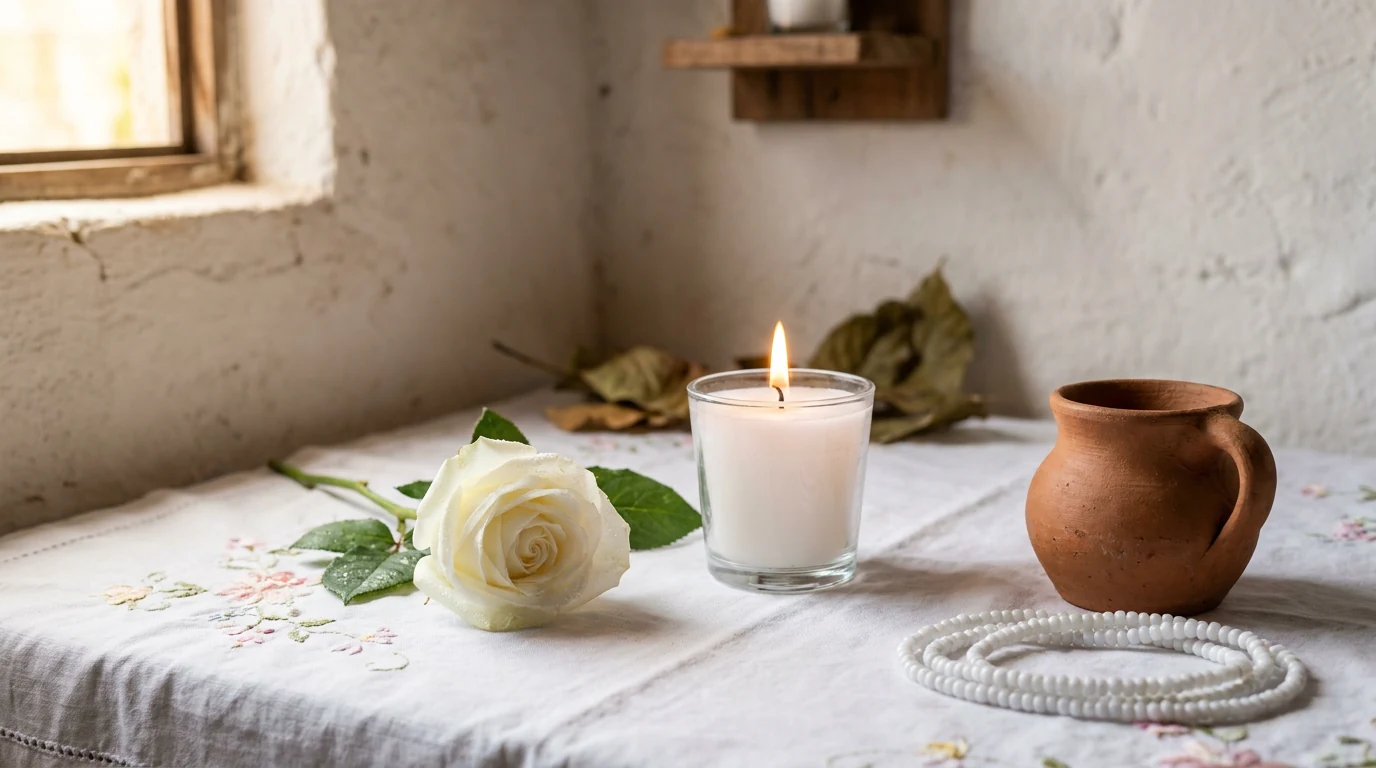
Did your house ask for a white candle, white roses, or new white clothes for the 15th? Joia Mística checks the material with you via WhatsApp. The other dates of the year are in the calendar of the orixás and the spirits.
Frequently asked questions
What is the day of Umbanda?
Umbanda Day is November 15, every year. The date has been national since Law 12.644, sanctioned on May 16, 2012. Rio de Janeiro already had it on the official calendar since 2008, and the city of São Paulo since 2010. In 2026, November 15 falls on a Sunday.
Is Umbanda Day a holiday?
Not by itself. November 15 is a national holiday because of the Proclamation of the Republic, by Law 662, of 1949. Law 12.644 only created the commemorative date for Umbanda. Since both fall on the same day, the celebration happens on a day off in the entire country.
Who created Umbanda?
Tradition points to the Caboclo das Sete Encruzilhadas, manifested in Zélio de Moraes in 1908, and the Tenda da Piedade as the first house. Researchers treat the episode as a myth of origin: Umbanda was formed in Rio at the beginning of the 20th century, from the synthesis of Bantu and caboclo candomblés with Kardecism.
Why is Umbanda Day November 15?
Because, according to tradition, it was on this day in 1908 that the Caboclo das Sete Encruzilhadas manifested for the first time. The Umbanda movement chose the date in the 1970s. According to the CONDU letter of 1976, the 15th won over May 13th and November 22nd by unanimity.
References
- Presidency of the Republic. Law No. 12,644, of 2012
- Presidency of the Republic. Law No. 662, of 1949
- ALERJ. State Law No. 5,200, of 2008
- Municipal Chamber of São Paulo, 2016. Umbanda Day in the Chamber
- LIMA, Diego Damaceno. Unesp, 2022. The place of pretos and caboclos in the white line of Umbanda
- OLIVEIRA, José Henrique Motta de. RJHR, 2013. The founding myth of Umbanda
- ROHDE, Bruno Faria. REVER, 2009. Umbanda, a religion that was not born
- PRANDI, Reginaldo. Estudos Avançados, 2004. Brazil with axé
- Correio Braziliense, 2025. National Umbanda Day in Brasília
- Portal Cidade de Niterói, 2021. Anniversary of Umbanda in the Chamber
- Tenda Espírita Nossa Senhora da Piedade. Visits