Whoever just discovered whose head it is always asks the same question: and now, what do I do? There is a routine, it has an ancient name and does not depend on you becoming an initiate tomorrow.
In Candomblé, this routine is called osé (ọsẹ). The word comes from Yoruba for "week" and names the cycle of care for the assentamento: washing what needs to be washed, changing the water in the quartinhas, lighting a candle, doing the simple offering.
This guide organizes the care into 7 steps. And it draws the line between what you do alone and what only happens in the house of religion, with a leader present.
The osé: the name that tradition gives to the care
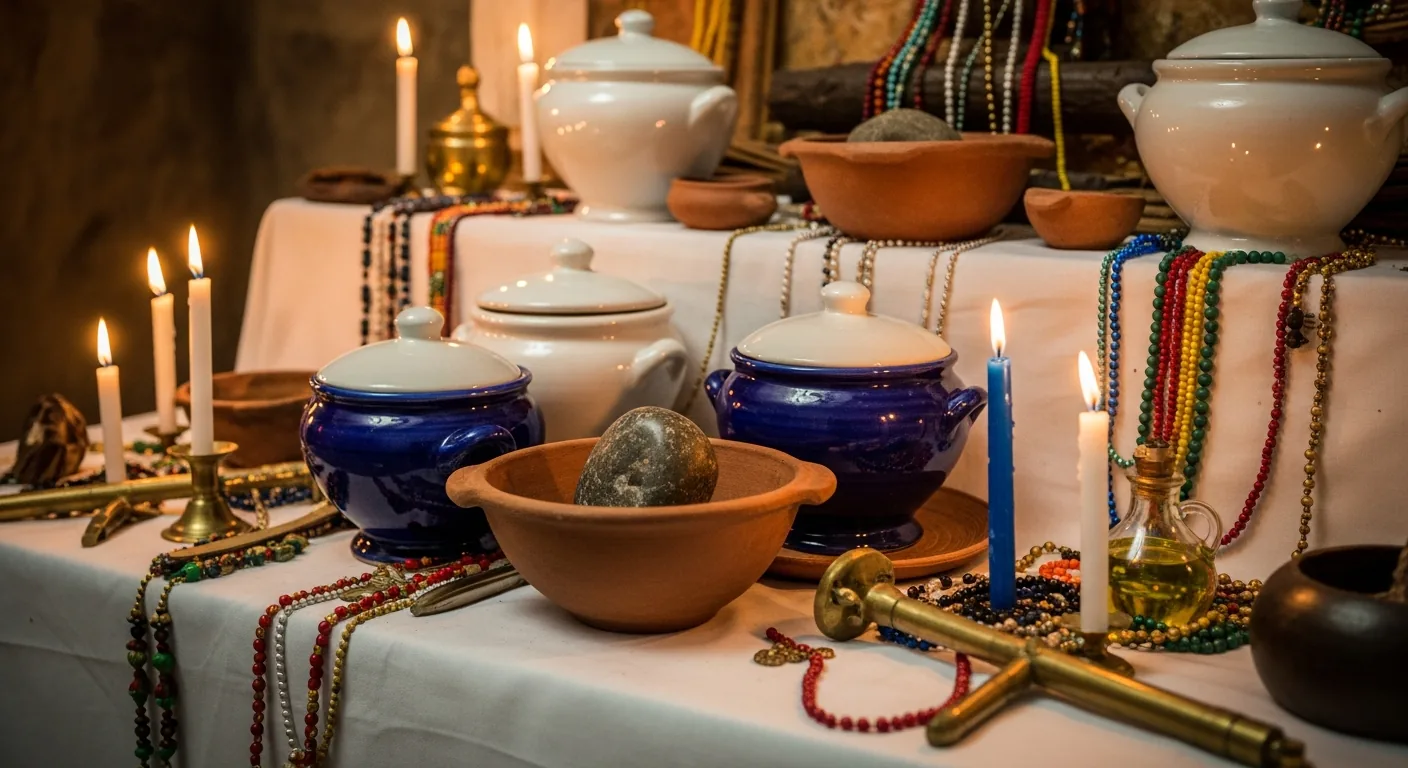
The anthropologist Lucas Marques, in an article published in the magazine Religião & Sociedade, describes the assentamento as three things at the same time: the dwelling of the orixá, the materialized orixá, and the place where the relationship between the person and the orixá happens.
From this comes the point that interests those who are starting. Axé is not a fixed stock, it increases or decreases according to the ritual activity. Caring is not a kindness, it is what keeps the bond alive.
The osé is this periodic care. The Historiando Axé portal explains that its day is chosen by each casa de santo, varying according to the nation and the tradition.
A firmeza cared for every day is worth more than an abandoned assentamento. The size of what you have matters less than the constancy with which you care for it.
The 7 steps of care at home
1. The water, which is the step that no one skips
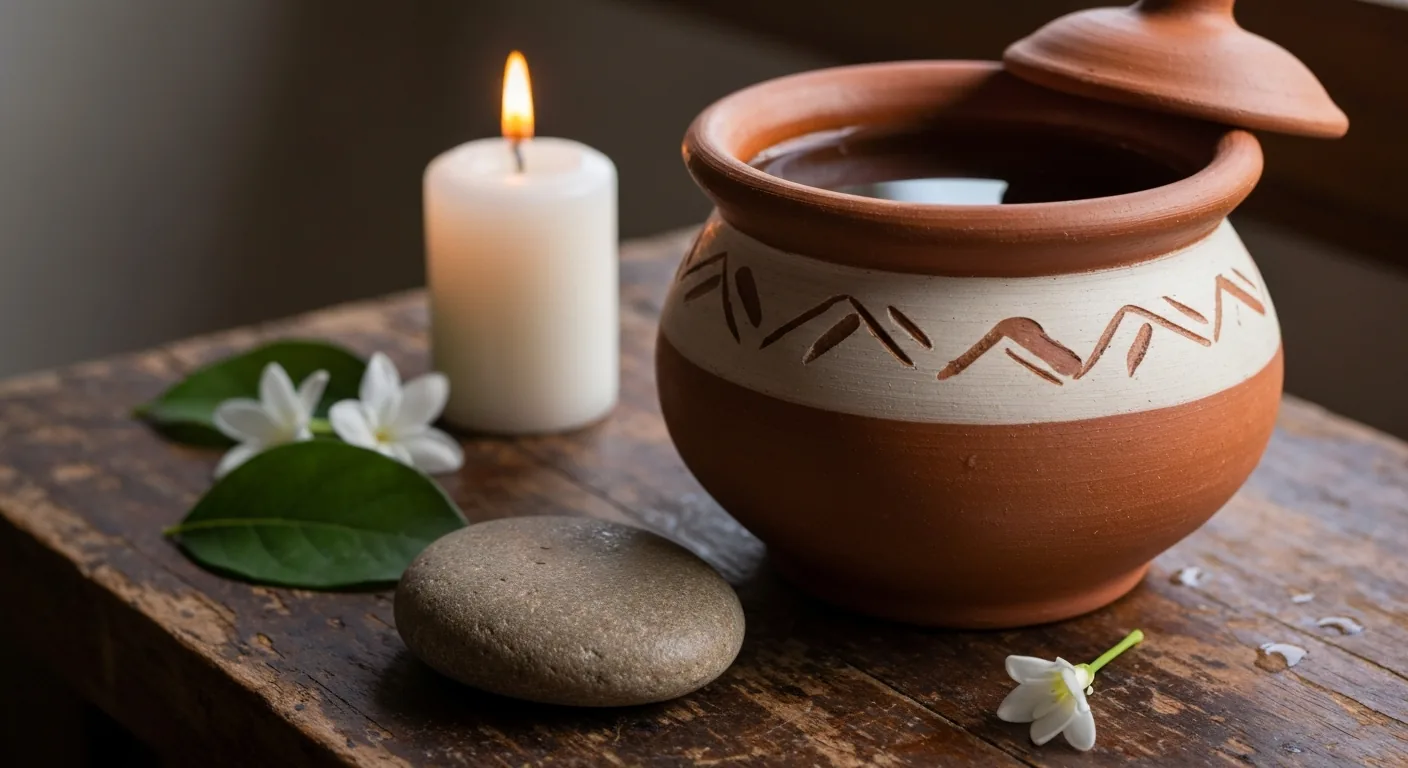
The water of the quartinha is the center of the routine and cannot dry up. Cloudy or empty water is the clearest sign that the care has stopped.
Here a real divergence appears, and it is useful. The most widespread practice is the weekly exchange, every seven days. However, houses like Ilê Orixá in Fortaleza exchange everything once a year and for the rest of the time they only complete the level.
Both are correct within the custom of each house. If you do not have a house yet, the weekly one is the safe reference.
2. The candle, lit with a time to start and to finish
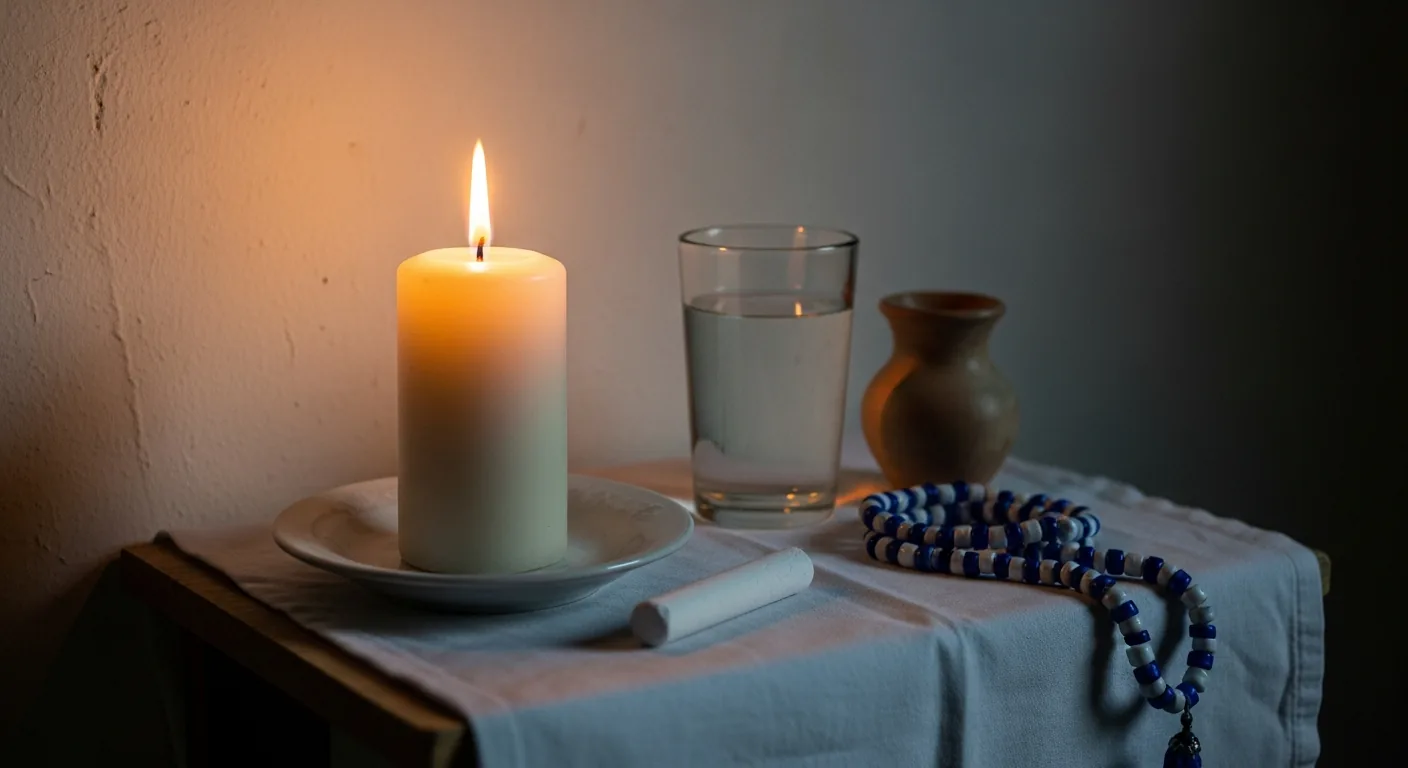
A candle is presence, it is not a despacho. Light it when you can stay in the same environment and blow it out when leaving or going to sleep, without any guilt, because relighting it later is a common and accepted practice.
Do not blow it out, the custom is to smother it with a saucer or a snuffer. Those who do not yet know which orixá they are children of can use a white candle, which serves everyone.
The complete step by step is in firmeza na umbanda and the rules from lighting to disposal are in como usar velas em rituais.
3. The flower and the fruit, the offering that does not require foundation
Natural flowers and fruit are simple offerings, and no serious source requires initiation for this. The practical rule is to remove the flower as soon as it begins to wither.
Prefer clay, ceramic, or banana leaf over plastic, especially when the offering leaves the house and goes into nature.
4. The cleaning of the space, which is yours and no one else's
Accumulated dust is neglect of the sacred. Clean the ponto with a cloth and water, and fumigate the environment when you feel the need.
Practitioners always repeat: the obrigação is yours, so avoid having another person take care of yours in your place. And do not place on the assentamento anything that does not belong to its original preparation.
5. The day of the week, respected without becoming an obsession
Each day carries the axé of an orixá, and Friday is the day of Oxalá (Obatala) and the funfun, with white clothing and a request for peace. The complete table is in days of the week of the orixás.
Use your day to pay more attention to the ponto, change the water, and light the candle.
6. The conduct, which applies to those who do not yet have euó
Euó (or quizila) are the rules of conduct and the dietary prohibitions of the tradition. Wikipedia records that euó is a Yoruba word and that quizila comes from the Kimbundu kijila, "fasting precept".
Personal euó is a matter for the initiate, revealed in the jogo and transmitted by the house, so those who have not gone through this do not have a list of prohibitions to fulfill. What remains is not little, and it is conduct: honesty, care with what is said, good relations at home. The deepening is in quizilas in Candomblé.
7. The offering, knowing where it ends
Candle, flower, fruit, honey, and water are your business. Ebó is not: the correct ebó is defined in the jogo de búzios and is conducted by babalorixá or ialorixá.
The difference is detailed in how to make an offering to the orixás and in what is ebó.
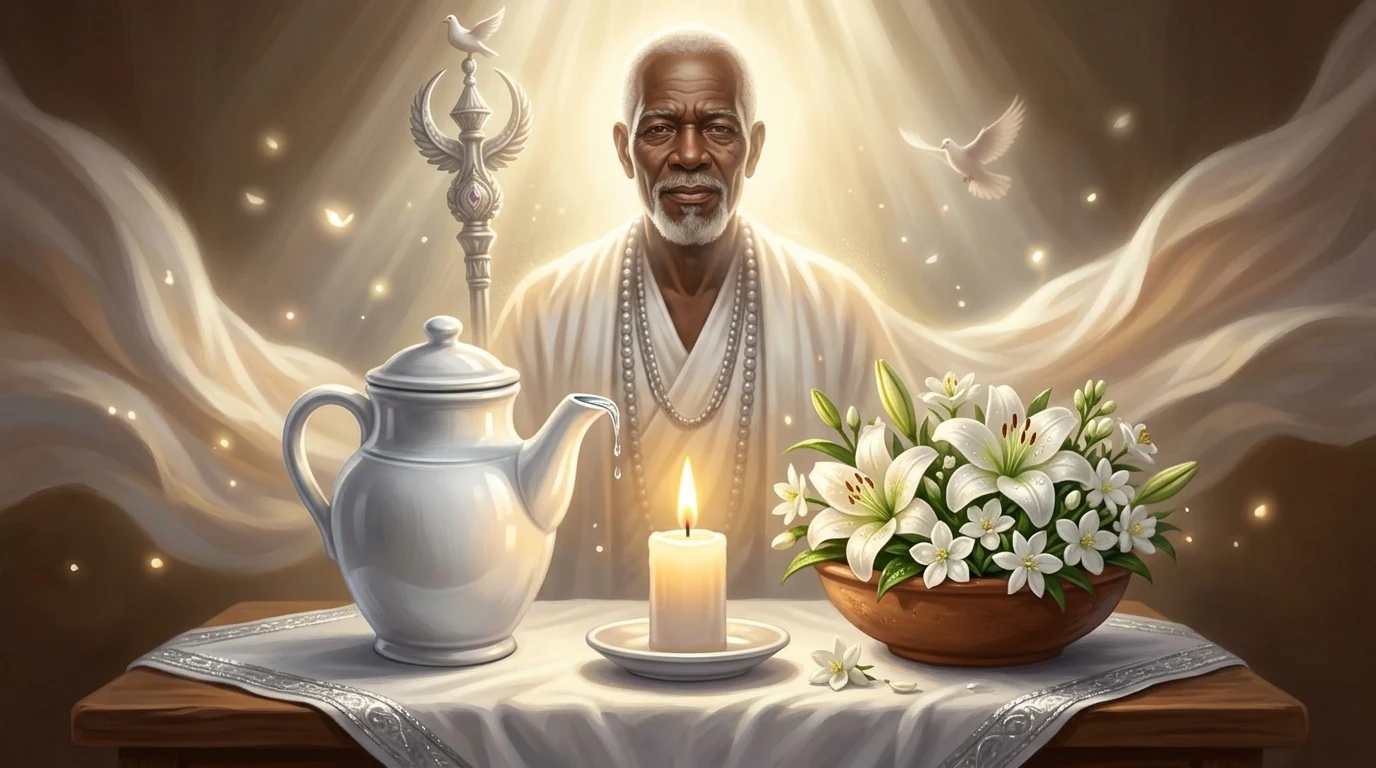
What is yours and what belongs to the terreiro
On one side, what any devotee does. On the other, what requires an initiated hand.
| You do it at home | Only at the religious house |
|---|---|
| Change and complete the water | To consecrate the orixá and prepare the otá |
| Light a candle and consecrate | Give food for fundamento |
| Flower, fruit, honey, simple offering | Ebó defined in the divination (jogo) |
| Clean the point and fumigate | Bori and initiation |
| Respect the day and the conduct | Annual obrigação and positions |
Setting up a consecrated foundation (assentamento) on your own is not a shortcut, it is a mistake of foundation. What it holds and who can do it is in assentamento de santo.
If you do not yet know whose head you are, start with how to know which is your orixá. For a first approach, without ritual value, there is the test Discover your Orixá.
The day of the orixá and the day of the osé are not the same thing
The difference is simple. The day of the orixá is fixed in the weekly table: Monday for Exu (Eshu) and Omulu, Wednesday for Xangô (Shango), Friday for Oxalá, Saturday for the iyabás.
The day of the osé, however, is the date your house chose for the care of the assentamentos, and it varies according to the nation and tradition. It may coincide with the day of the orixá, or it may not.
In practice, the calendar for those who have a house is the house's calendar. Those who do not yet have one are guided by the day of the orixá.
Umbanda, Candomblé, and Batuque: what changes at home
The three traditions care for the orixá, but not with the same structure.
In Umbanda, the domestic space is the congá. Original Umbanda did not work with assentamento, but rather with firmeza and consecration of the statue. How to set up the space is in umbanda altar.
In Candomblé, the assentamento stays in the peji, the santo room. When the son takes the igbá home, they take it with the obrigação completed and under guidance. That is where the osé appears with its own name.
In Gaucho batuque, the obrigação has a deadline, order, and priestly conduction, with its own nomenclature. The details are in obrigação in batuque and in what is batuque.
Those who do not have an assentamento also care
Here, tradition speaks with two voices. One of them says that worship at home is not prohibited: Historiando Axé states that there is no prohibition preventing someone from caring for their own at home.
The other reminds us that the worship of the orixá is collective by nature. Annual obrigação and ebó require the strength of the terreiro, and knowledge is passed through coexistence, not through the internet.
The honest synthesis is this: those who are not initiated are not left out, but what they have at hand is the firmeza, not the assentamento.
A respectful observation: periods of seclusion exist and the rules change a lot from house to house. There are houses that do not even consider them. The person responsible for this is your leader.
Frequently asked questions
Can I take care of my orixá at home without being initiated?
You can, within a clear limit. Candle, water, flower, fruit, space cleaning, and conduct are the territory of the devotee. What you cannot do alone is to consecrate (assentamento), give foundation food, perform ebó, or bori. These depend on an initiated hand and the work done in the house.
How often do you change the water in the quartinha?
The most widespread practice is the weekly change, every seven days. Some houses do a complete change once a year and only top up the level the rest of the time. The custom of your house decides, and the rule that always applies is that the water cannot dry out.
Can I set up an orixá assentamento alone?
No. The assentamento is initiatic ritual work, prepared by a babalorixá or ialorixá within the foundation of the house, and without that hand, there is no consecration. Whoever wants to take care of the orixá at home starts with the firmeza, which is accessible to anyone of faith.
What is the difference between firmeza and assentamento?
The firmeza is devotional and temporary, made with a candle, water, and flower, and it ends when the candle finishes. The assentamento is permanent, guards the otá, and requires a ritual consecration conducted by the house.
Where to buy
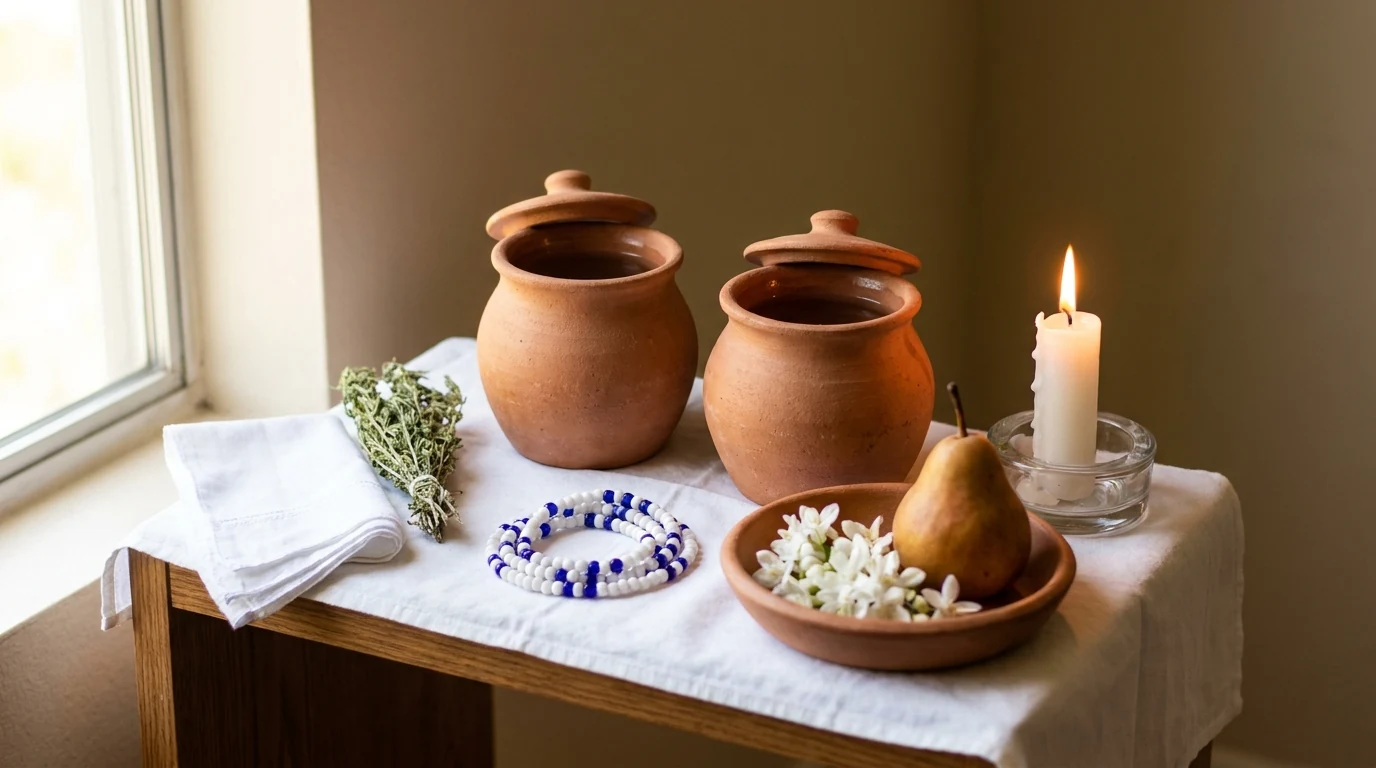
The Joia Mística Laroyê, in Extrema-MG, has what the routine of care truly demands:
- Quartinhas and clay pottery: for the water of the orixá
- Candles by orixá color and white candles: taper and seven day candles
- Alguidares and clay vessels: for the agrado, instead of plastic
- White towels, dried herbs and incense burners: to keep the point clean
- Bead necklaces: in the colors of each orixá
If your Pai or Mãe de santo gave you a list, send it to WhatsApp (35) 99156-5228 and we will set it aside. The shop is located at R. Benedito Zingari, 460, in Extrema-MG.
A final word about the offering that goes to nature. In 2023, 81 tons of waste were collected on the beaches of Salvador after the Iemanjá (Yemoja) celebrations. Clay, ceramics and leaf return to the earth; plastic, glass and styrofoam do not.
References
- Lucas Marques, article "Fazendo orixás", Religião & Sociedade magazine (SciELO)
- Historiando Axé: the meaning of osé in Candomblé
- Historiando Axé: worshiping orixá at home, is it possible?
- Wikipedia: entry "Euó (tabu)"
- Página22: offerings for Iemanjá, without polluting the sea