When someone says they are in obrigação no batuque, the phrase can mean two very different things. Either the entire house entered its annual cycle, or that filho de santo arrived on the anniversary of the orixá (orisha) itself.
They are two clocks that turn at different speeds, and confusing one with the other is the source of much of the doubt of those who come close to the Nação religion.
This guide separates the two, describes the sequence of stages that appear in the gaúcha houses and shows where Batuque departs from candomblé ketu. It serves as study material, not as a manual.
What is obrigação in batuque, and why is it not an offering
Obrigação is a liturgical commitment with a deadline, order, and priestly guidance. It names at the same time the ritual act of feeding the orixá and renewing the axé of an assentamento, and the period of recolhimento in which this happens.
Oferenda is something else. Oferenda is what is delivered. Obrigação is the commitment that organizes the delivery, defines who participates, how long it lasts, and what comes before and after.
This difference matters because Batuque, as the guide about what is Batuque explains, has its own calendar. Nothing there is isolated.
Who defines the time, the sequence, and what enters into each obrigação is the babalorixá or the ialorixá of the house, always starting from the jogo. No text replaces this guidance, and none of this is done on one's own.
House obrigação: the ilê clock
The first clock is communal. The house fulfills its own cycle at least once a year, and it exists to renew the axé of the collective assentamentos and feed the foundations of the ilê.
The cycle begins with Bará, owner of the opening. In Batuque, nothing begins before him, and this order mirrors the circle of prayers, which opens in Bará and closes in Oxalá (Obatala).
The cycle ends in a public celebration, the Batuque played, with hand drums, votive foods, and the presentation of the cakes of the orixás who were in obrigação. From time to time, at longer intervals, the house holds the large festival, of a longer cycle.
The average duration is between 10 and 16 days, and can exceed one month in the large feituras. Historically, it reached 32 days.
Time-based obrigação: the clock of the filho de santo
The second clock is personal. It does not turn on the house calendar, but rather on the date of bori or of feitura of each initiate.
It is this obrigação that counts the person's time of santo and scales the rank within the religion. In the Gaucho houses, the most cited pattern marks 1, 3, 5, and 7 years, with the seventh functioning as a priestly divisor.
The frequent pattern is not a universal rule. The numbering changes significantly from house to house and from nation to nation, and the guide on the nations of Batuque helps to understand why the variation exists.
At the top of the path are the two axés that enable the priesthood:
- Axé de ofá (búzios): enables the throwing of búzios.
- Axé de obé (knife): enables the conducting of obrigações.
Whoever receives both, starting from a minimum of seven years of initiation, can open their own house. This final phase is what the houses call aprontamento, when the initiate settles all the orixás, from Bará to Oxalá.
The stages of the cycle, from Bará to passeio
The sequence below appears convergently in houses and in field records. It describes what happens, and not what to do.
- Cleansing. The bodies of those involved and the space of the house are cleansed to clear the environment and people before any fundamento.
- Bará. The offerings to Bará open the cycle. He is the owner of the gate, and no stage comes before him.
- Recolhimento. The filho de santo enters seclusion and reduces activity to a minimum, with a period of external care that protects the head from sun, rain, and dew.
- Borí. It is the rite of feeding the head, the ori. In Batuque it appears in degrees, the borí of birds and the borí of four feet, the latter treated as initiation of the head properly speaking.
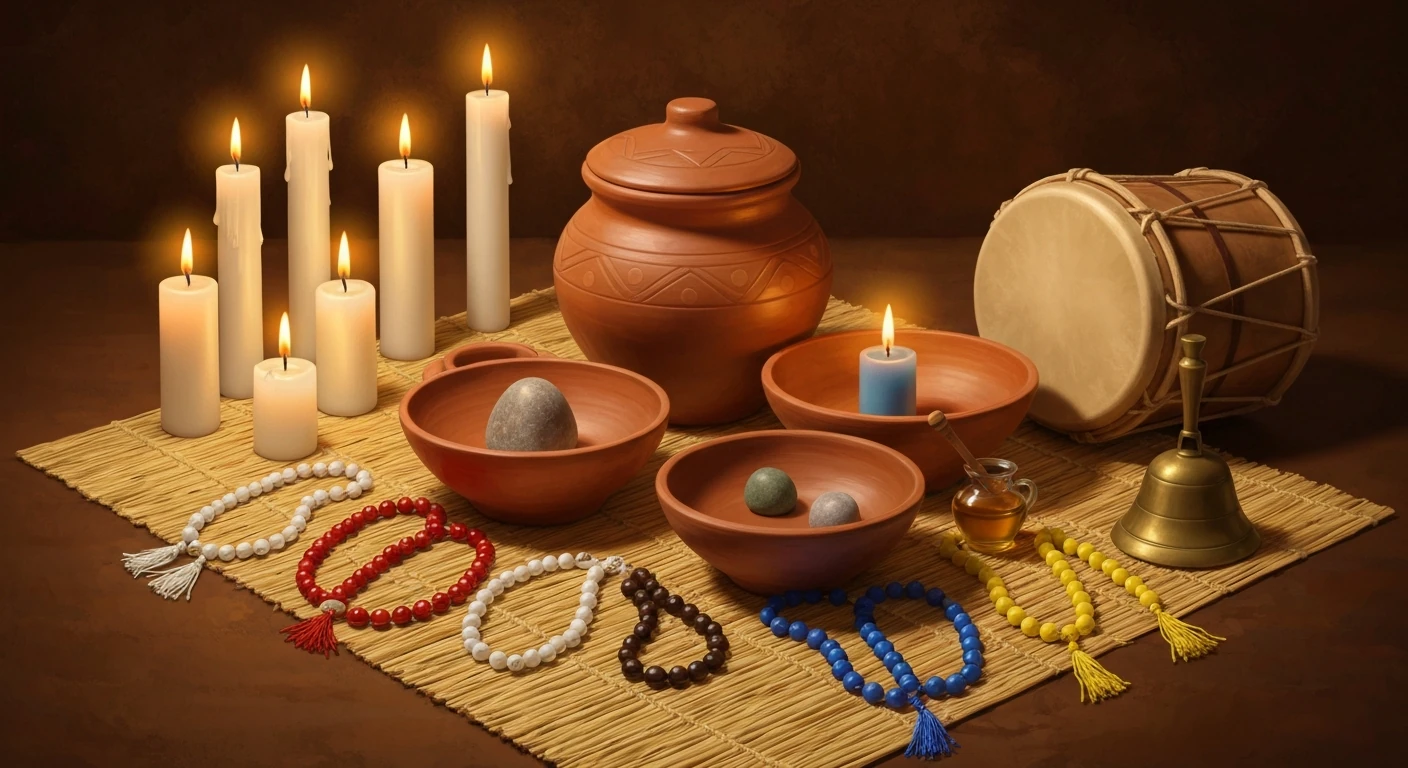
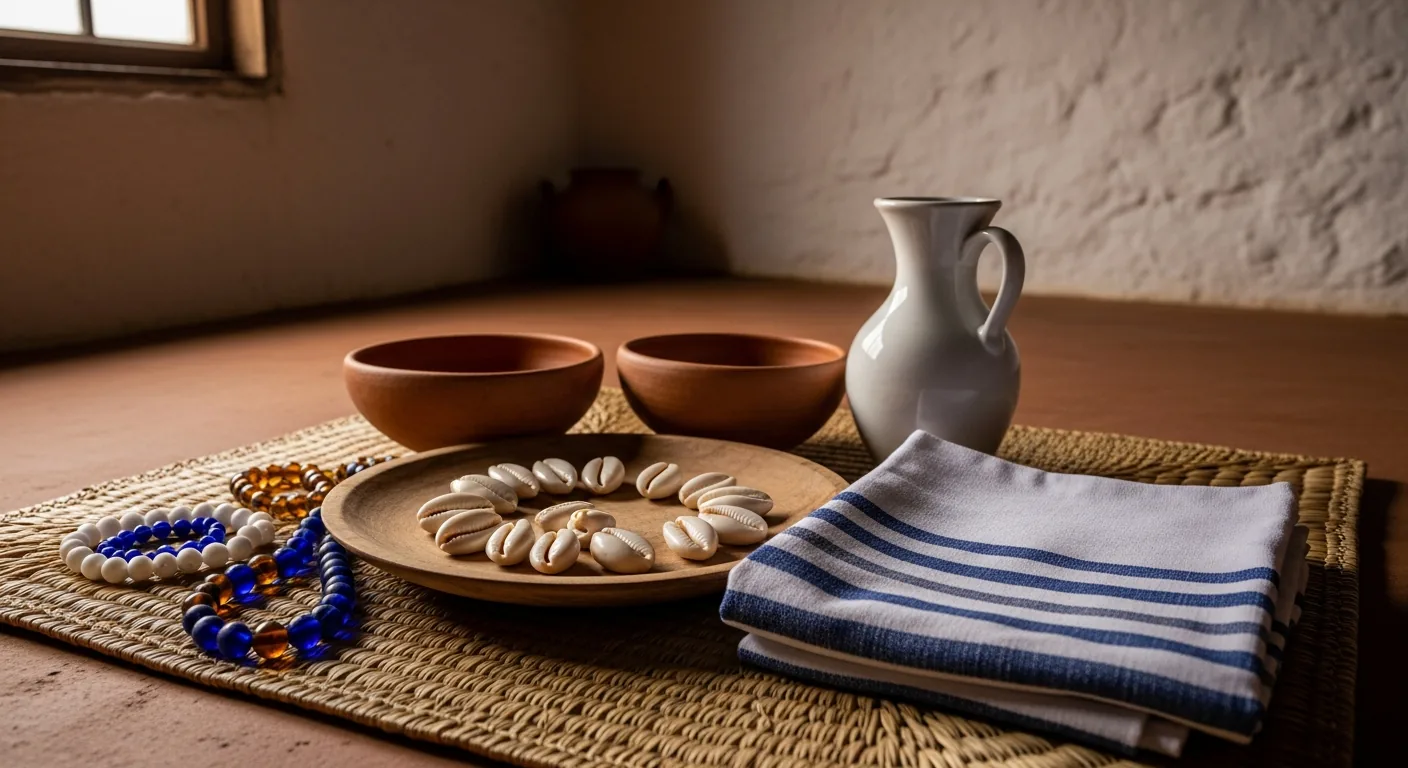
- Assentamento. Axé is fixed in matter: clay pottery, the stone called acutá or otá, the tools of each orixá, cowrie shells and honey. How many assentamentos are included depends on the pair of orixá de frente and de junto of the person.
- Levantação. It is the name of the closing. The dishes and fronts that remained settled for a determined time inside the quarto de santo are lifted for cleaning and repositioning.
- Festa. After the levantação, the Batuque is played, with the circle of prayers in the order of the line and the axés specific to the festa. In the Batuque de quatro pés, there is also the circle of Ibeji.
- Passeio. Closes the cycle. The priest takes the children to the river, to the church, to the public market, and to the houses of the religious family priests, to bow their heads in respect and gratitude.
The walk is not tourism or folklore. Giumbelli and Cristaldo, in a study published by the magazine Ilha, from UFSC, describe it as part of the completion of initiations and some obligations.
The cycle involves animal sacrifice, treated naturally by the sources and by the religion itself, which is legally protected. Norton Corrêa, an anthropologist with two decades of fieldwork in Batuque, points out the double standard of a surveillance that pursues Afro-religious sacrifice and ignores industrial slaughter.
How long does an obrigação last
There is no fixed number, and be suspicious of anyone who presents one. The ranges vary according to the type of obrigação and according to the house.
- Short precepts: about 24 hours of strict seclusion.
- Borí: on average 3 to 4 days.
- Larger obligations: from 7 to 30 days, with external protection of 7 to 8 days.
- House cycle: between 10 and 16 days, which can exceed one month.
The rule that crosses all houses of Batuque is simple: each house is a house. The time comes from the game and the tradition of that ilê, not from a table.
Obrigação in batuque and obrigação in candomblé ketu
The word is the same in both traditions. The liturgical content is not. The table below covers only the axis of the obrigação, and the general comparison is in the article about Batuque and candomblé.
| Axis | Batuque do RS | Candomblé ketu |
|---|---|---|
| Closing name | Levantação | No equivalent term |
| Space for seclusion (recolhimento) | Orixá room | Roncó or camarinha |
| Rite that opens the cycle | Offerings to Bará | Padê and opening ebó, with Exu (Eshu) |
| Head | Pair of orixá de frente and orixá de junto | Head orixá, with juntó of another weight |
| Sacerdotal mark | Axés of ofá and obé, starting from 7 years | Deká or odukejé of 7 years |
| Trance | Orixá secret | Recognized and named trance |
| Cycle closure | Walk to the river, church and market | Own ritual exits |
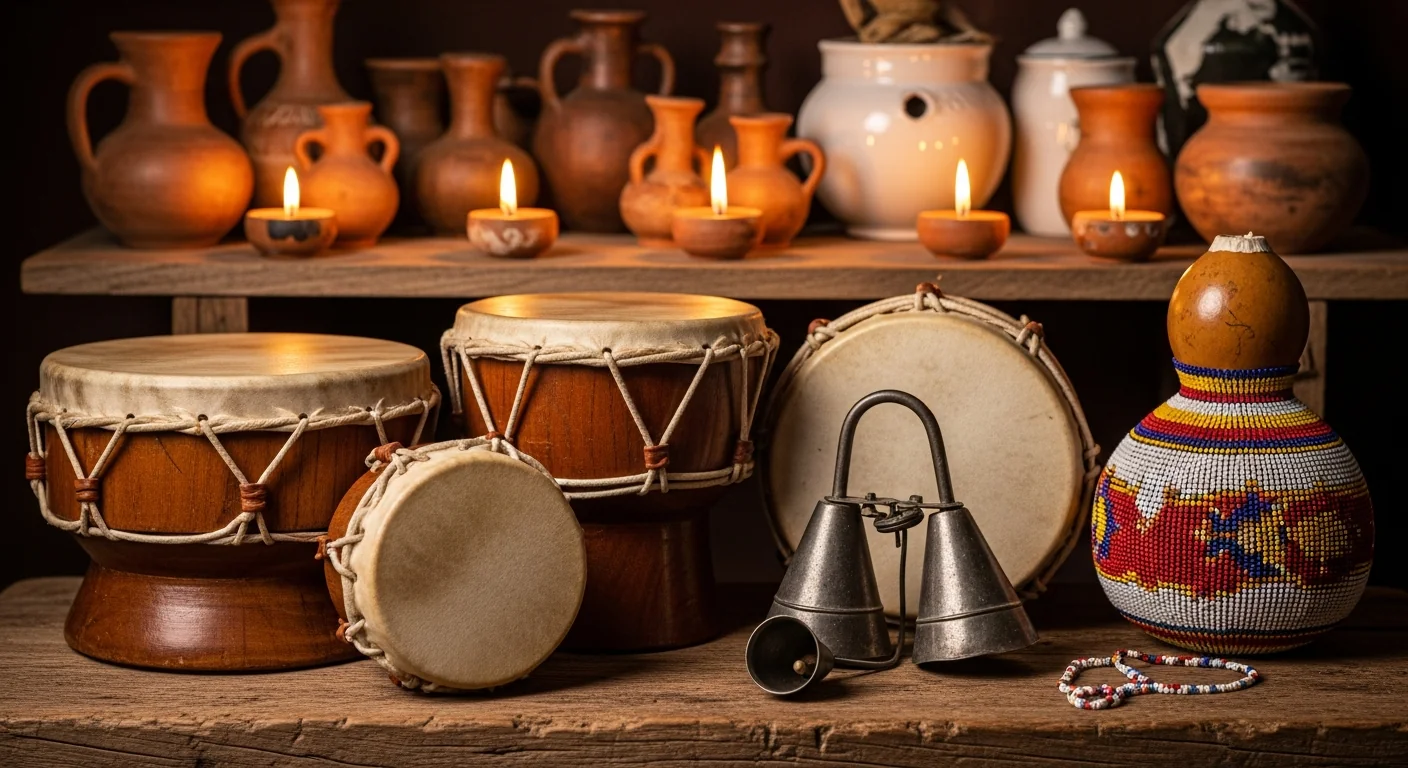
| Drum | Cylindrical drum played with hands | Three atabaques with aguidavi |
The cycle of years and the deká of the ketu side are detailed in obrigações no candomblé. One tradition is not older or more correct than the other.
The orixá secret, cited in the table, is a foundation of Batuque and a theme of academic study. It exists, separates the two traditions at the point of trance, and is not explained outside the house.
Frequently asked questions
What is obrigação in batuque?
It is the liturgical commitment that renews the axé and feeds the orixás, with a deadline, sequence, and guidance from the house priest. The word names both the ritual act and the period of recolhimento. It is not the same thing as oferenda, which is just what is delivered.
How long does an obrigação last?
It depends on the type and the house. Short precepts last around 24 hours, a borí usually takes 3 to 4 days, and larger obrigações range from 7 to 30 days. The annual cycle of the ilê is between 10 and 16 days, and can exceed a month in large ritual works.
What is levantação in Batuque?
Levantação is the name that Batuque gives to the closing of the obrigações. The vessels and fronts that were consecrated for a determined time inside the quarto de santo are raised for cleaning and repositioning. The term is specific to the Gaúcho tradition and has no nominal equivalent in Ketu.
How many years does it take to become pronto in Batuque?
The milestone practiced most frequently is seven years of initiation, when the child can receive the axés of ofá and of obé and consecrate all the orixás. With the two axés, they begin to throw búzios, conduct obrigações, and open their own house. The exact time varies by house and by nation.
What is the difference between batuque and candomblé?
They are two religions of worship to the orixás with a common African root and separate histories. Batuque was formed in Rio Grande do Sul, with its own nations and vocabulary, drum played only with hands, and stages such as levantação and the passeio. Candomblé was born in Bahia, with a different structure.
Where to buy liturgical items for Batuque
At Joia Mística Laroyê, you find liturgical material and gifts for those who are in obrigação:
- Clay vessels, alguidares, and quartinhas: ritual use pieces
- Bead necklaces: assembled by orixá, as explained in the bead necklaces in Batuque guide
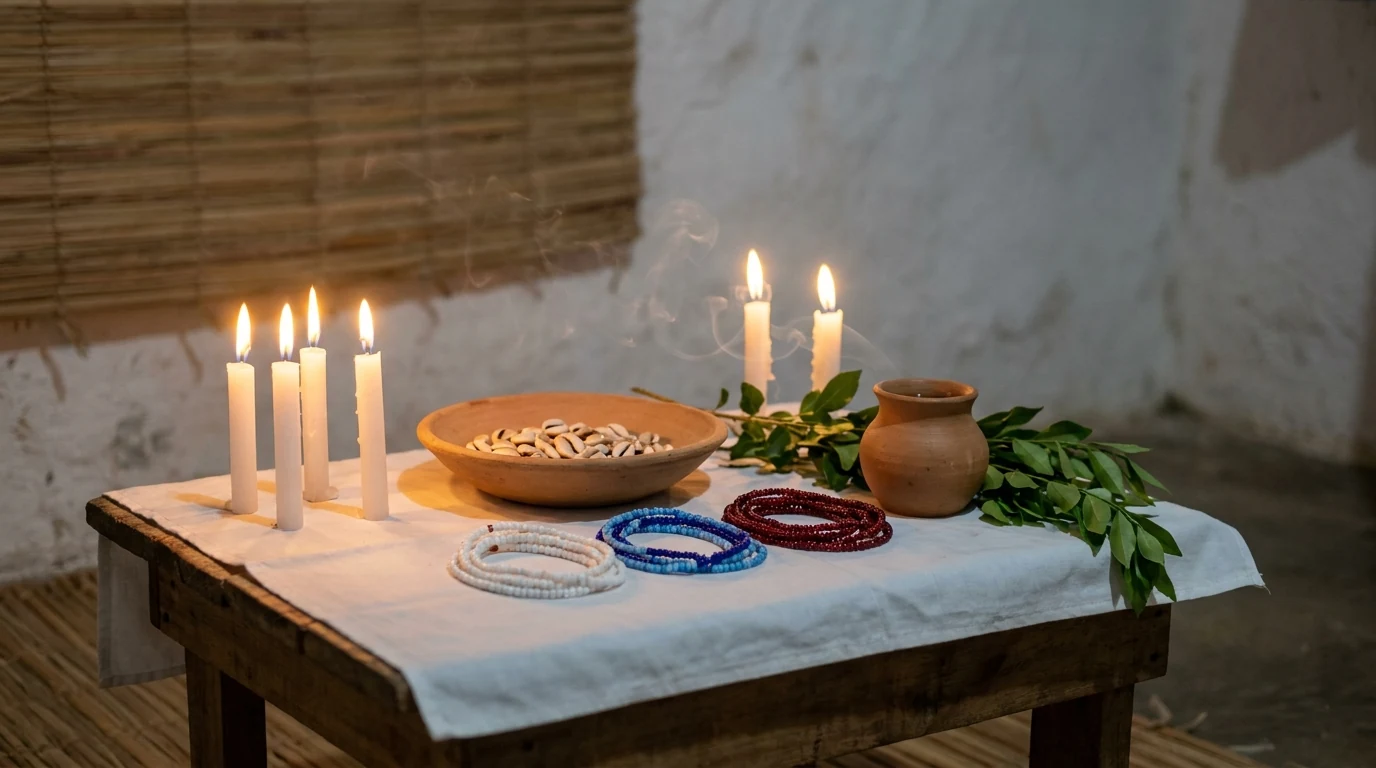
- Seven day candles and colored candles: for firmezas and for the altar
- Dendê oil, honey, and obi: table items and items of fundamento
- Incenses and fumigators: lavender, myrrh, benzoin, and dried herbs
Visit our shop in Extrema, Minas Gerais or talk to us via WhatsApp with delivery to all of Brazil.
The shop provides materials. The obrigação is conducted by the house, with the responsible priest and based on the jogo.
References
- Ilha Revista de Antropologia, UFSC: Emerson Giumbelli and Rafael Cristaldo on the tour of the gaúcho Batuque
- Instituto Humanitas Unisinos: interview with anthropologist Norton F. Corrêa about Batuque and the black people of Rio Grande do Sul
- Instituto Humanitas Unisinos: second interview with Norton F. Corrêa, about the votive kitchen and the regional adaptation of the liturgy
- Lume, UFRGS repository: TCC by Léo Francisco Siqueira de Moraes on the Batuque of Porto Alegre as cultural heritage