Setting up an umbanda altar at home is one of the first steps for those who wish to bring faith into their daily lives, outside of the days of gira. The domestic altar, called a congá (or gongá), is the prayer point where the statue of Oxalá (Obatala), of the orixás (orishas) and of the spirit guides are gathered along with the candle, water, and flowers. Well set up, it organizes devotion and creates a space of peace inside the house.
The problem is that many people set up the congá on impulse, copying photos from the internet, and end up making mistakes that compromise the respect and function of the altar. This guide shows the 5 most common errors when setting up your umbanda altar and, mainly, how to avoid them.
What is the congá, the umbanda altar
Before talking about the errors, it is worth aligning the concept. The congá is the region of the terreiro, or the little corner of the house, where the sacred statues and elements of worship are fixed: candles, a glass of water, flowers and, sometimes, stones and simple offerings. At the top is usually the representation of Oxalá, syncretized with Jesus Christ, and below him the orixás and the spirit guides with which the medium works, such as caboclos, pretos-velhos and children.
It is important to understand a distinction from the start: the home congá is a point of personal devotion, a place to pray, give thanks and set the faith. It does not replace the terreiro, nor does it transform your house into a temple, and it is not to be confused with the foundational assentamentos, which belong to the ritual life of the house of the orixás (casa de santo). If you are still getting to know the religion, it is worth reading what is umbanda first to situate the altar within the tradition.
Remember: the domestic congá is simple by nature. More important than the size or the quantity of statues is the cleanliness of the space, the consistency of the prayer, and the respect with which you care for it.
Error 1: choosing the wrong place for the congá
The most common error begins even before buying the first statue: the choice of the place. Many people set up the altar in any leftover corner, without thinking about the environment. Bathrooms, high-traffic areas, on top of televisions or electronic devices, and locations with direct drafts on the candle are choices that do not align with what the congá represents.
The altar asks for a clean, quiet, and reserved space, with little circulation, where you can withdraw to pray without interruption. It can be a shelf, a small table, or a piece of furniture just for that, always at a comfortable height and protected from wind, which blows out the candle and interferes with the firmeza.
How to avoid: choose the spot before setting up. Do a physical cleaning of the location and, if you wish, an energetic cleaning, passing a cloth with water and, later, smoke cleansing the environment. If you need a guide for this, see how to do smoke cleansing for cleaning. Only set up the altar after the space is clean and defined.
Error 2: crowding the congá with statues
The second error stems from good intentions. Excited, the practitioner buys a statue of every orixá, various bead necklaces, and many saints, and ends up turning the shelf into a full display case. A crowded congá no longer has strength: it becomes a heap, makes cleaning difficult, and diverts the focus of devotion.
In Umbanda, the home congá must be simple. Many houses guide starting only with the statue of Oxalá at the top and, if desired, that of your head orixá (the front orixá). Some tents recommend keeping the set small, with few statues, precisely to avoid making the house a terreiro or a candle stand. You can always add more over time, according to your path and the guidance of your leader.
How to avoid: start with the essentials, Oxalá at the top, and grow slowly. Each statue that enters must have a meaning in your devotion, not be there just to fill space. Quality and respect are worth more than quantity.
Error 3: placing Exu (Eshu) and Pombagira on the same altar as Oxalá
This is a mistake of foundation, and one of the most serious. Out of ignorance, many people place the statue of Exu or of Pombagira on the congá, next to Oxalá and the orixás. This is not a question of Exu being "bad", quite the opposite: the guardians are respected, workers and essential in Umbanda. The issue is one of hierarchy and foundation.
The guardians have their own space, the tronqueira or the Exu consecrated foundation (assentamento), which usually stays separate from the congá, generally at a low point or on the floor, outside the main altar. Mixing everything in the same place disorganizes energies that work in different planes. To better understand the so misunderstood figure of the guardian, it is worth reading who is Exu.
How to avoid: keep the congá of Oxalá and the orixás in one space, and the consecrated foundation of the guardians in another, always under the guidance of your house. In many tents, it is also avoided to place drinks and red or black candles next to the statue of Oxalá, reserving these offerings for the specific space of the guardians.
Mistake 4: setting up a consecrated foundation (assentamento) on your own
Here lies the most delicate confusion: treating the home altar as if it were a consecrated foundation (assentamento de fundamento). The domestic congá is devotional, a place of prayer. However, the assentamentos, the firmezas, and the foundation elements of orixás and guardians belong to the ritual life of the terreiro and require knowledge, preparation, and the guidance of a pai or mãe de santo.
Trying to "consecrate" an orixá or a guardian alone, following a video or an internet recipe, is an error that can bring more imbalance than help. Who determines which and how many assentamentos a person needs, and how to perform them, is the leader of the house, within the foundation of that line. Each tradition has its own way, and in the difference between Umbanda and Candomblé this becomes even more evident.
How to avoid: separate things clearly. At home, set up a prayer congá, with statues, candle, water, and flowers, without ritual foundation. For any assentamento, seek the guidance of your terreiro. Devotion at home, foundation in the house of the orixás (casa de santo).
Error 5: neglecting the maintenance of the altar
It is useless to set up a beautiful altar and then forget it. The fifth error is the lack of continuous care: stagnant water for weeks, withered flowers, accumulated dust and, most dangerously, a lit candle without any protection, on top of a wooden piece of furniture or near fabric. The congá is a living space and needs maintenance, both for devotion and for safety.
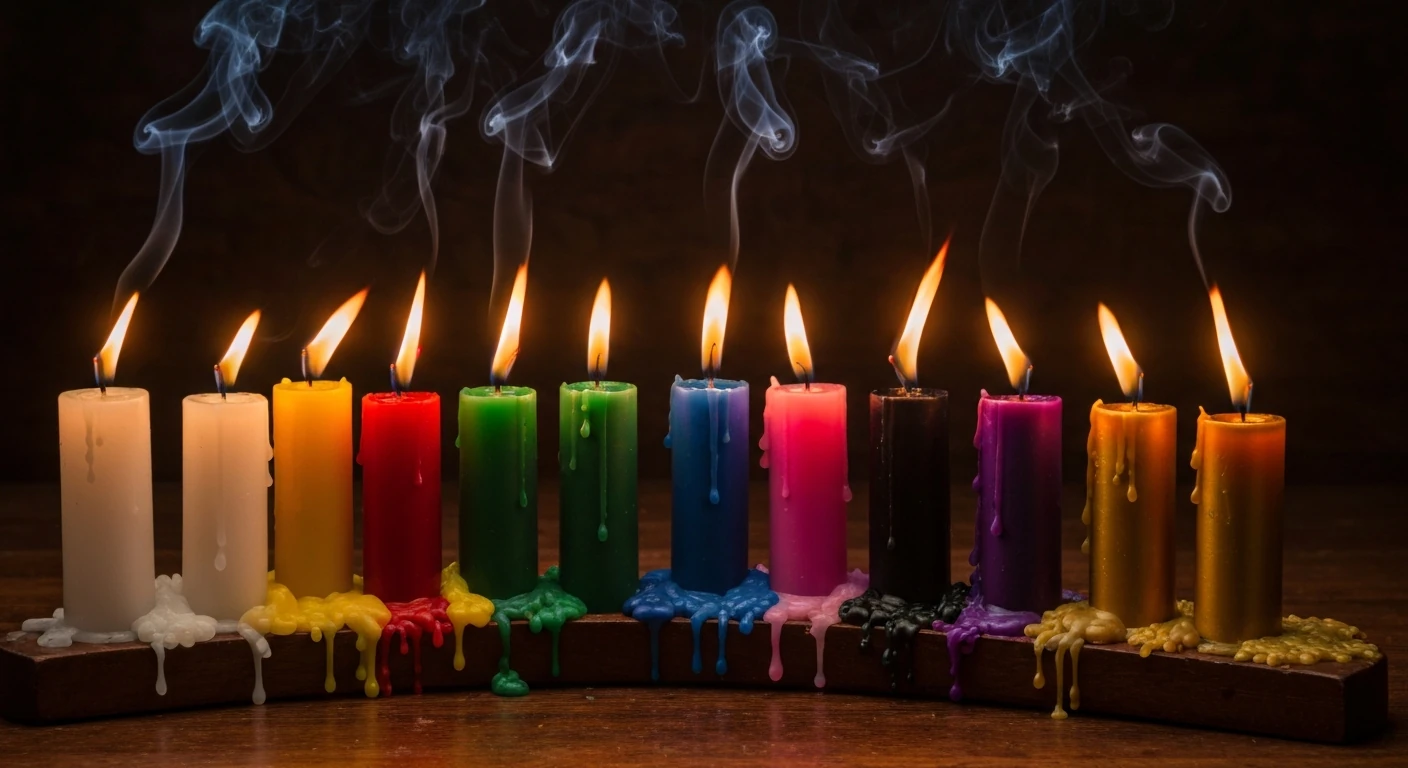
The candle requires a suitable container, preferably glass or a non-flammable material, and should never be left lit without someone nearby or next to curtains and flammable objects. The water in the cup must be changed regularly, and the flowers replaced before they wither. Knowing which candle to light is also part of the care: the guide to ritual candles and their meanings helps when choosing the right colors for each moment.
How to avoid: create a simple routine. Change the water, renew the flowers, dust the area, and light the candle with attention, always in a safe location. And remember that the altar is not a request counter: it is a point of faith, gratitude, and respect, not a place to demand guaranteed results. The constancy of prayer is worth more than any request made in a hurry.
Frequently asked questions
Can I have an Umbanda altar at home?
Yes, and it is a common and beautiful practice. The domestic congá is a point of prayer and personal devotion, set up in a clean and reserved place. It does not replace the terreiro nor does it require fundamento, as long as it is kept simple, with the statue of Oxalá at the top, a candle, water, and flowers.
What to put on the Umbanda altar?
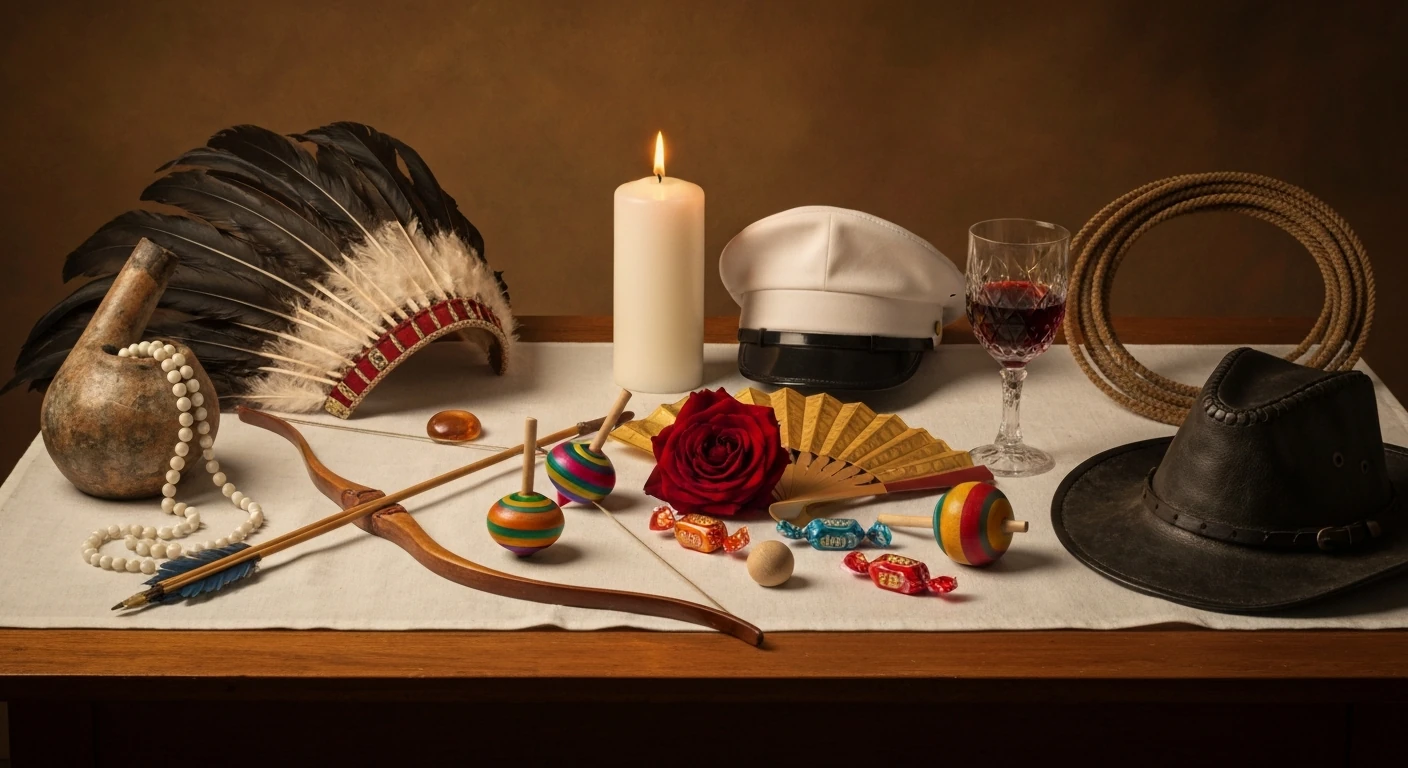
The basic is the statue of Oxalá (or Jesus) at the top, which can include your head orixá and some devotional spirit guide, such as a preto-velho or caboclo. Add a cup with clean water, a white candle in a safe container, flowers, and a light-colored towel covering the base. Start simple.
Can I put Exu on the Umbanda altar?
Not on the same congá as Oxalá. Exu and Pombagira are respected guardians, but they have their own space, the tronqueira or the consecrated foundation (assentamento), separated from the main altar, generally in a low position. This is a matter of fundamento and hierarchy, not of Exu being negative. Always follow the guidance of your house.
Where to place the congá inside the house?
In a quiet, clean place with little circulation, away from bathrooms, drafts, and electronic devices. A shelf, a small table, or a reserved piece of furniture, at a comfortable height for prayer, are good options. The important thing is the respect and the peace of the environment.
Which candle to light on the Umbanda altar?
The white candle is the most used on the congá, linked to Oxalá, peace, and protection. Candles of other colors can be lit according to the orixá or the intention, always in a safe container. Avoid red or black candles near the statue of Oxalá, reserving them for the space of the guardians.
Where to buy items for your Umbanda altar
At Joia Mística Laroyê, you find everything to set up and maintain your congá with respect and devotion:
- Statues of Oxalá, orixás, and bead necklaces in various sizes, for the domestic congá
- White and colored candles, including 7-day candles to light with more safety
- Bead necklaces (guias) and beads in the colors of the orixás to compose the altar
- Cups, towels, and alguidares for the water, the offerings, and the base of the congá
- Herbs and incense for cleaning the environment before and after setting up
Visit our store in Extrema, Minas Gerais and we ship all over Brazil. For guidance on how to set up your Umbanda altar and choose the right items, talk to us via WhatsApp.
To go deeper, see the overview of Umbanda and the Wikipedia entry on Umbanda, which features an image of a traditional congá.
References
- Wikipedia: article about Umbanda