Making an offering to the orixás is, above all, a gesture of exchange: you deliver a little axé in the form of food, flowers, candles, and devotion, and establish a bridge with the energy of the divinity you wish to honor. It is not a purchase of a favor nor a guarantee of a miracle, it is the care of someone who recognizes the strength that supports their own life.
This guide shows what to offer to each orixá, where to deliver the offering, the step by step of a simple ritual, and the respectful precautions that make the gesture true.
What is an offering to the orixás
An offering is the delivery of elements charged with intention to an orixá, as a sign of gratitude, request, or reverence. Each chosen item (a food, a fruit, a flower, a candle) carries a type of axé that tunes the one who offers with the energy of the divinity. Therefore, the offering is not about quantity, but about respect and intention.
Some terms are often confused, so it is worth separating them:
- Voto (Vow): the offering made before receiving what is requested, a vow of trust to the orixá
- Promessa (Promise): the offering paid after the request is fulfilled, in gratitude
- Ebó: a word of Yoruba origin for the votive food delivered to the orixá
- Comida de santo (orixá's food): the ritual dish prepared according to the taste of each orixá
"Arriar o ebó" is the expression used for the act of delivering the offering, perpetuating the exchange of axé between the sacred and the everyday. To better know the divinities to whom one offers, it is worth reading the overview on what the orixás are.
Offering in Umbanda and Candomblé
Although the logic of exchange is similar, offering in Umbanda and in Candomblé is not the same thing, and confusing the two erases what each tradition has of its own.
In Umbanda, offerings tend to be simpler and more direct, linked to the lines of ritual work and the energy of each orixá in nature, with a strong presence of candles, flowers, fruits, and elements from the delivery location. In Candomblé, the food of the orixá follows rigorous fundamentals, with specific votive recipes for each nation (ketu, jeje, angola) and preparation conducted inside the house.
Therefore, fundamental offerings are always made under the guidance of a pai or mãe de santo. What this guide brings is the devotional level, that which anyone can do with respect. To understand what separates the two traditions, see the difference between Umbanda and Candomblé.
What to offer to each orixá
Each orixá has their votive foods, colors, and preferred elements. The list below brings together the most widespread offerings, remembering that fundamental recipes vary by nation and by house.
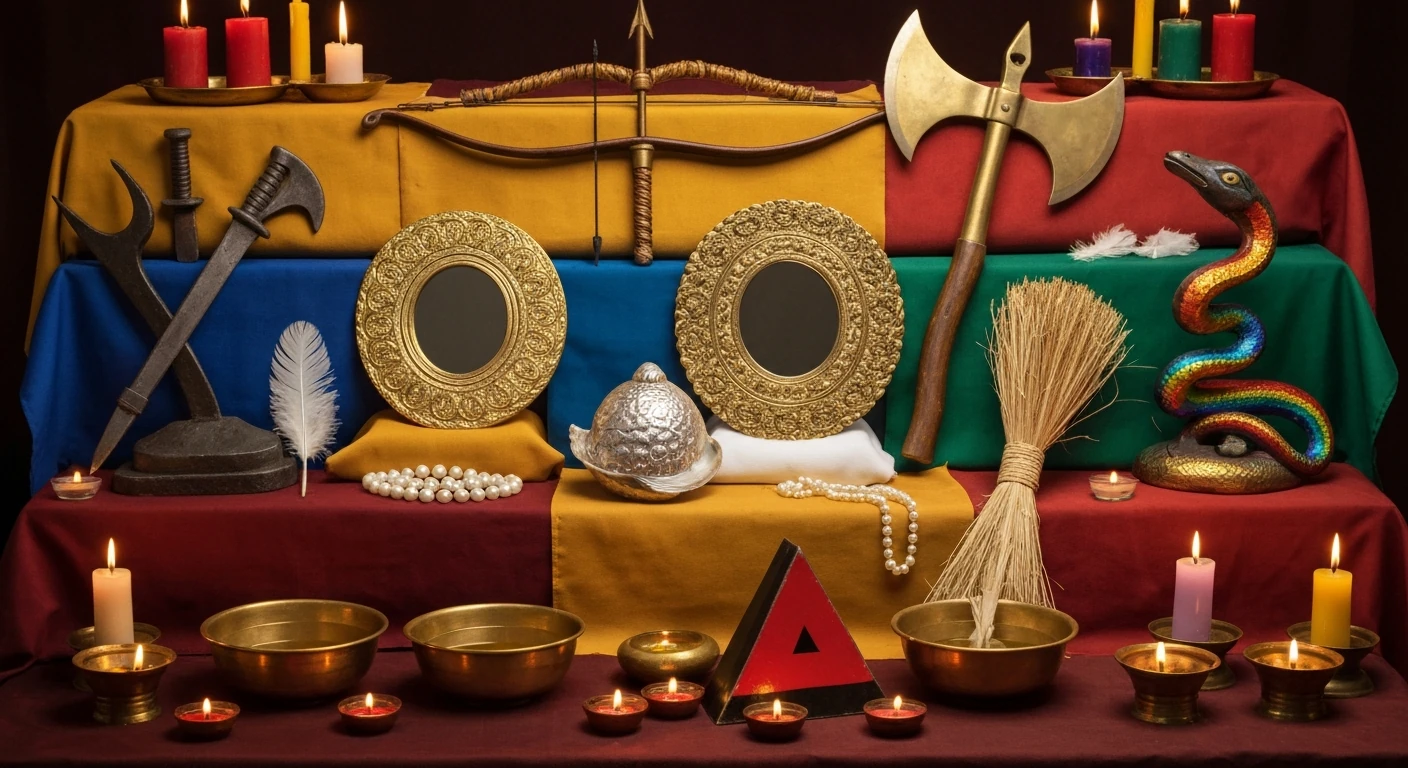
- Oxalá: ebô (white corn canjica without salt), coconut, white candles, white flowers
- Ogum: yam, black beans, axoxô (red corn), red or blue candles
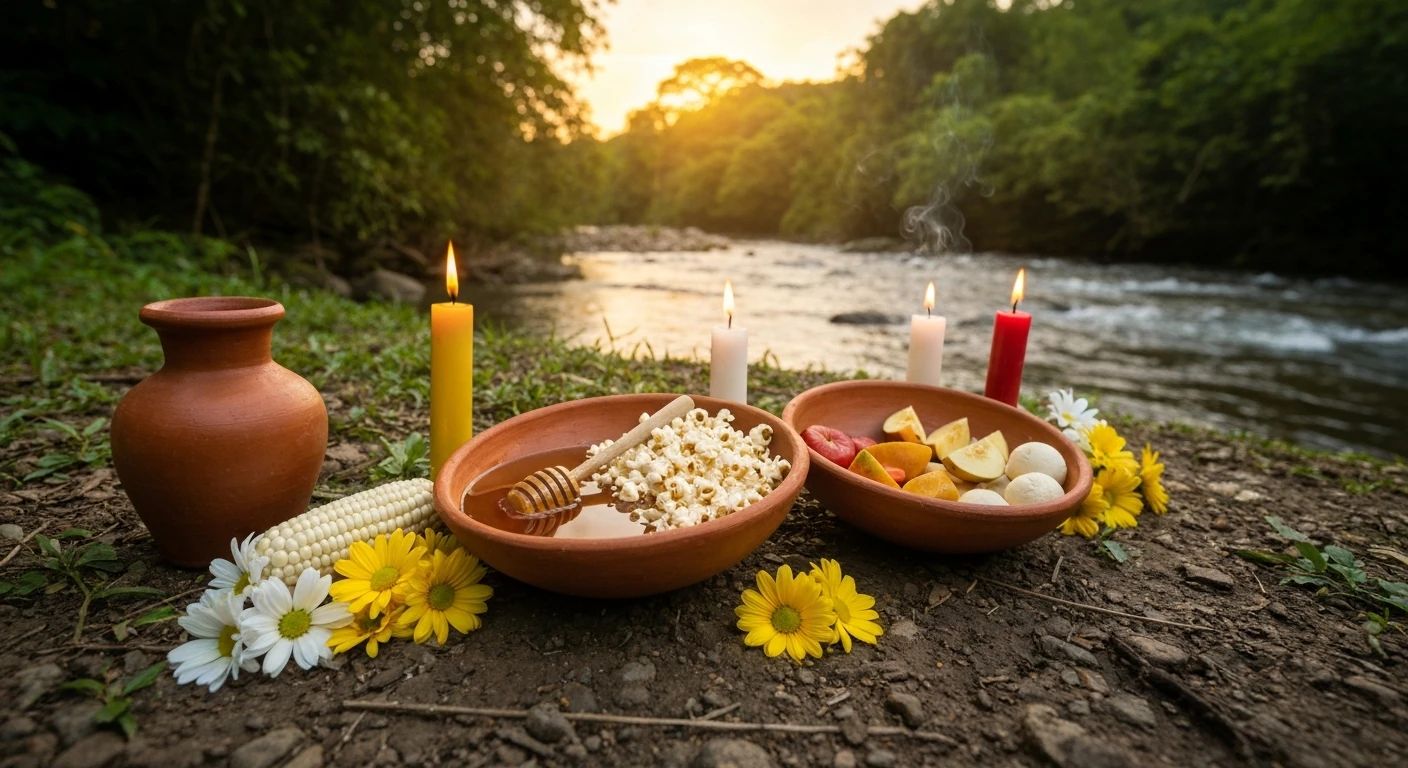
- Oxóssi: axoxô of corn with molasses, varied fruits, delivered in the forest (bee honey is a taboo for Oxóssi, as explained in offering for Oxóssi)
- Ossaim (Osanyin): open sources record tobacco leaf, cachaça, and honey, delivered in the forest; what belongs to the house stays with the leader (see offering for Ossaim)
- Xangô: amalá (okra caruru over acaçá), black beer, brown candles
- Oxum: omolocum (black-eyed peas), honey, quindim, flowers, and yellow candles
- Iemanjá: white dessert, white flowers, perfume, blue and white candles
- Iansã: acarajé, acaçá, fruits, yellow or red candles
- Omulu (Obaluaê): pipoca (doburu), black beans, white and black candles
Respectful tip: the simplest offering made with faith is worth more than the most abundant one made without intention. Offer what is within your reach, with care and gratitude.
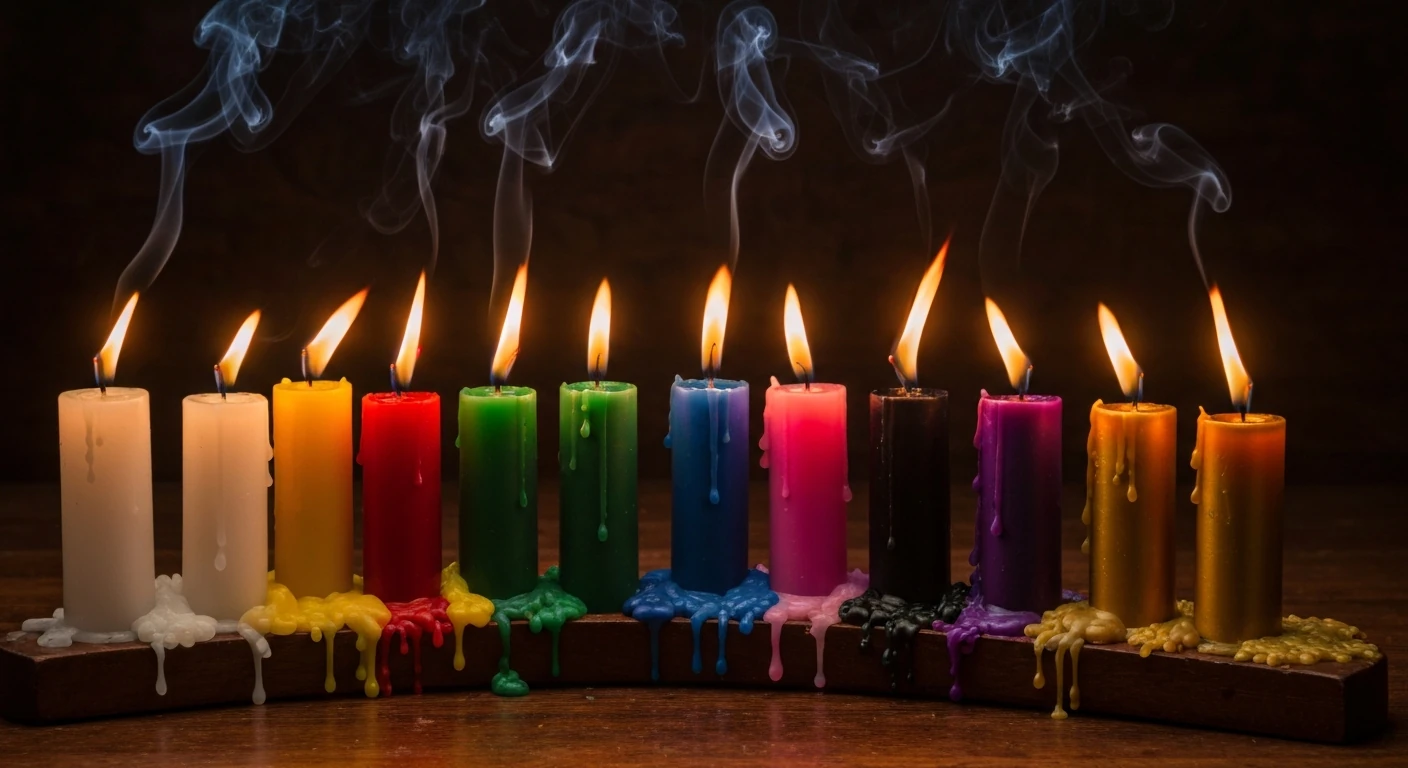
To choose the right candle color for each offering, consult the guide on ritual candles and their meanings. And to know who you have the strongest connection to, see how to know who your orixá is.
Where to deliver the offering
The delivery location is an essential part of the ritual, because each orixá rules a domain of nature. Delivering the offering in the right place is finding the divinity where it manifests.
- Sea: Iemanjá
- Rivers and waterfalls: Oxum
- Woods and forests: Oxóssi, Oxalá and the caboclos
- Quarries and mountains: Xangô
- Bamboo groves: Iansã
- Gardens: the erê and Oxalá
- Crossroads: Exu (Eshu) and Pombagira
- Cemetery (calunga): Omulu, exus and pombagiras. The pretos-velhos are received only at the cruzeiro das almas of the white line, according to a study in Vitória (ES); see preto velho is Exu
The Wikipedia reference on offerings in Afro-Brazilian religions gathers the types of offering and their foundations. To plan the date, the calendar of the orixás helps choose the day of each deity.
How to make an offering step by step
A simple devotional offering can be made by anyone, with respect and awareness. See a basic guide:
- Define the intention clearly: gratitude, a request, or reverence. The intention tunes you with the orixá
- Choose the elements according to the orixá: the votive food, the flowers, the fruits, and the candle in the correct color
- Prepare with care, in a clean environment and with a calm mind, without rushing
- Take it to the delivery location that corresponds to the orixá, on an appropriate day and time
- Deliver the offering, light the candle safely, speak or think your request, and give thanks
- Respect the environment: use biodegradable containers whenever possible and do not leave plastic, glass, or trash in nature
Ecological awareness is part of respect, as the Umbanda house reminds in its text about offerings in Umbanda. Nature is the home of the orixás: caring for it is part of reverence.
Care and respect when making an offering
The offering is a sacred act, and some precautions ensure it is done with truth. One never makes an offering to harm someone: the exchange of axé is constructive, never an instrument of evil. It is also not a bargain, as if a dish could buy a miracle. The orixá responds to the tuning, not to the size of the delivery.
Avoid waste and exaggeration. Offer what fits your reality, with care and gratitude. And remember that foundation offerings, linked to consecrated foundation (assentamento), initiation, or obligations of the orixá, are done inside the house, conducted by your Pai or Mãe de santo. In doubt, always ask those who guide you spiritually.
Frequently asked questions
What is the difference between offering, despacho, and ebó?
Offering is the general term for the delivery of elements to an orixá. Ebó is the Yoruba word for the votive food. Despacho is the popular name for the offering delivered in the street, such as at the crossroads. In practice, the three refer to the same gesture of exchange of axé, with nuances of tradition.
Can I make an offering to an orixá at home?
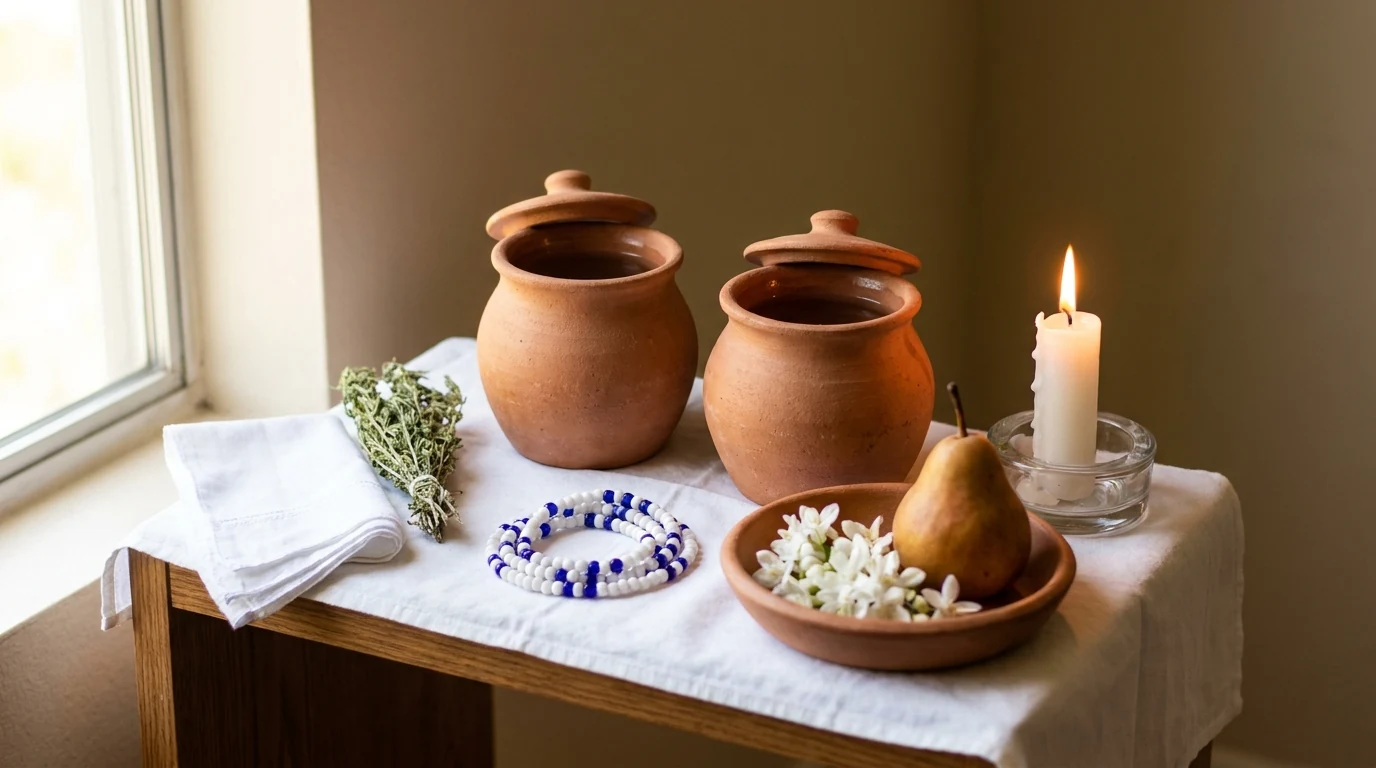
Yes, simple devotional offerings can be made at your altar or congá, with a candle, flowers, and intention. However, foundation offerings, linked to obligations of the orixá, must be conducted by a Pai or Mãe de santo. Start with the devotional and seek guidance for the rest.
Where do I deliver the offering of each orixá?
Each orixá rules a domain: Iemanjá in the sea, Oxum in the rivers and waterfalls, Oxóssi in the forests, Xangô in the quarries, Iansã in the bamboo groves, Exu and Pombagira at the crossroads. Delivering in the right place is finding the divinity where it manifests in nature.
Do you need a pai or mãe de santo to make an offering?
For a simple devotional offering of thanks, no. Anyone can do it with respect and faith. But offerings of fundamento, linked to an assentamento, initiation, or specific ritual work, require the guidance of a pai or mãe de santo within the house.
What to do with the remains of the offering?
The ideal is to use biodegradable materials and let nature receive the offering without damage. Never abandon plastic, glass, or pottery in the forest, in the river, or at the crossroads. Respect for the environment is part of the respect for the orixá, as nature is the home of the divinities.
Where to buy items for offerings
At Joia Mística Laroyê, you find everything to prepare your offerings to the orixás with respect:
- Colored candles in the colors of each orixá
- Alguidares, quartinhas, and gamelas of clay to serve the votive foods
- Dendê oil, honey, and ingredients for the orixá foods
- Flowers, perfumes, and fruits for rituals
- Statues and bead necklaces of the orixás for your altar
Visit our shop in Extrema, Minas Gerais and we ship to all of Brazil. For guidance on the correct use of products and how to prepare each offering, talk to us via WhatsApp.
References
- Wikipedia: Offerings in Afro-Brazilian religions
- Casa de Caridade Gauísa: article about offerings in Umbanda