The Batuque is the great Afro-Brazilian religion of Rio Grande do Sul, a tradition of worshiping the orixás as old and structured as the Bahian Candomblé, but with its own name, rhythm, and history. Where Bahia says "candomblé" and Pernambuco says "Xangô (Shango)", the South says Batuque, and within it holds one of the most preserved Afro cults in the country.
In this guide, you will understand what Batuque is, how it was born in Rio Grande do Sul, and what its nations are. You will also see which orixás are worshiped, how a terreiro works, and why it is not confused with Umbanda or Quimbanda.
What is Batuque
Batuque is the generic name for Afro-Brazilian religions of worshiping the orixás in Rio Grande do Sul, from where it also spread to Uruguay and Argentina. It is a religion of Sudanese African roots, a fruit of the traditions of the peoples of Guinea, Benin, and Nigeria, brought by slavery, and therefore it is a close relative of the Candomblé of Bahia and the Xangô do Recife, even though it formed through independent paths.
The word "batuque", in common sense, became a synonym for noise or "witchcraft". It is worth clearing up the misunderstanding immediately: Batuque is a religion with its own theology, priesthood, liturgical calendar, and ethics, not folklore or spell. Those who practice it worship the orixás, deities of nature and human destinies, from the same spiritual family worshiped throughout the Yoruba diaspora.
In Batuque, saying the name of an orixá is also greeting them. Therefore, the terreiro responds in Yoruba: "Káwó Kabiyesilé!" for Xangô, "Odoyá!" for Iemanjá (Yemoja), "Eparrei!" for Iansã (Oya).
The origin of Batuque in Rio Grande do Sul
Batuque was structured in Rio Grande do Sul throughout the 19th century, especially between 1833 and 1859, with the first terreiros in the regions of Rio Grande and Pelotas ports through which a large part of the enslaved population of the South passed. In newspapers from 1878, there are already records of the worship, and Porto Alegre documents it at the end of the 19th century.
Contrary to what many imagine, the Afro-religious presence in the South is enormous: Rio Grande do Sul has more than 60 thousand terreiros. Afro-Brazilian religions represent a larger portion of the population than in Rio de Janeiro or in Bahia itself, according to surveys gathered by UFRGS. Batuque is the most African heart of this complex, that in which the liturgical language is Yoruba and the reference is the African "nation".
The nations of Batuque
In Batuque, "nation" (also called lado) is the tradition of origin that defines the ritual language, the drum toques, the order of prayers, and the foundations of each house. The five main nations are:
- Oyó (Oió) of Yoruba roots. It is marked by the order of prayers, which plays first for the male orixás and then for the females, ending with Iansã and Xangô, the royal couple of Oyó.
- Ijexá also Yoruba and today the predominant nation, with the highest number of houses and filhos de santo. It has Oxum (Oshun) as queen and liturgy in Yoruba.
- Jeje coming from the old Dahomey (current Benin). It is identified by the fast toque of the drums and by the collective dance in the gira, in which everyone repeats the same choreography.
- Cabinda of Bantu influence, in which originally Quimbundo was spoken. The initiation begins at the cemetery and the rhythm of the drums resembles the ginga of capoeira.
- Nagô of Yoruba base, close to the Oyó and Ijexá nations.
Over time, the Ijexá nation absorbed elements from others, and many houses today work in a mixed way. Even so, asking "from which nation is your house?" remains the fundamental question among Batuque practitioners.
The twelve orixás of Batuque
Batuque worships twelve orixás (counting the Ibeji, the children). They are the same deities from the Yoruba tradition, with spellings and functions specific to the South. Each orixá corresponds to a color, a day, a food, a tool, a chant, and a greeting and, in the Gaúcho syncretism, a Catholic saint (which varies depending on the house and the nation):
| Orixá | Dominion | Syncretism (usually) | Greeting |
|---|---|---|---|
| Bará | Paths, communication, movement | Saint Anthony | Alupô! |
| Ogum (Ogun) | Iron, war, work | Saint George | Ogunhê! |
| Oiá / Iansã | Winds, lightning, spirits | Saint Barbara | Eparrei! |
| Xangô | Justice, thunder, quarries | Saint Jerome | Káwó Kabiyesilé! |
| Odé e Otim | Hunt, forest, abundance | Saint Sebastian | Okê arô! |
| Ossanha | Sacred leaves and herbs | Saint Roch | Ewé ô! |
| Obá (Oba) | Strength, loyalty, waters | Saint Catherine | Obá Xirê! |
| Xapanã | Health, disease, earth | Saint Lazarus | Atotô! |
| Oxum | Fresh water, love, fertility | Our Lady of the Conception | Ora yê yê ô! |
| Iemanjá | Sea, motherhood | Our Lady of the Navigators | Odoyá! |
| Oxalá (Obatala) | Creation, peace, greater axé | Lord of Bonfim | Epa Babá! |
| Ibeji | Childhood, joy | Cosme and Damião |
Two syncretisms are a trademark of the South: Xangô as Saint Jerome, celebrated on September 30, and Iemanjá as Our Lady of the Navigators, whose procession on February 2 gathers crowds in Porto Alegre. To know the orixás in depth, it is worth reading our guide on what the orixás are.
How does a Batuque terreiro work
The Batuque house is called ilê. It is directed by the babalorixá (pai de santo) or the ialorixá (mãe de santo), priests who have undergone initiation and years of learning. Tradition requires at least seven years after the feitura to be "ready in head", that is, to complete the rituals of all the orixás.
Some elements define the space and the practice:
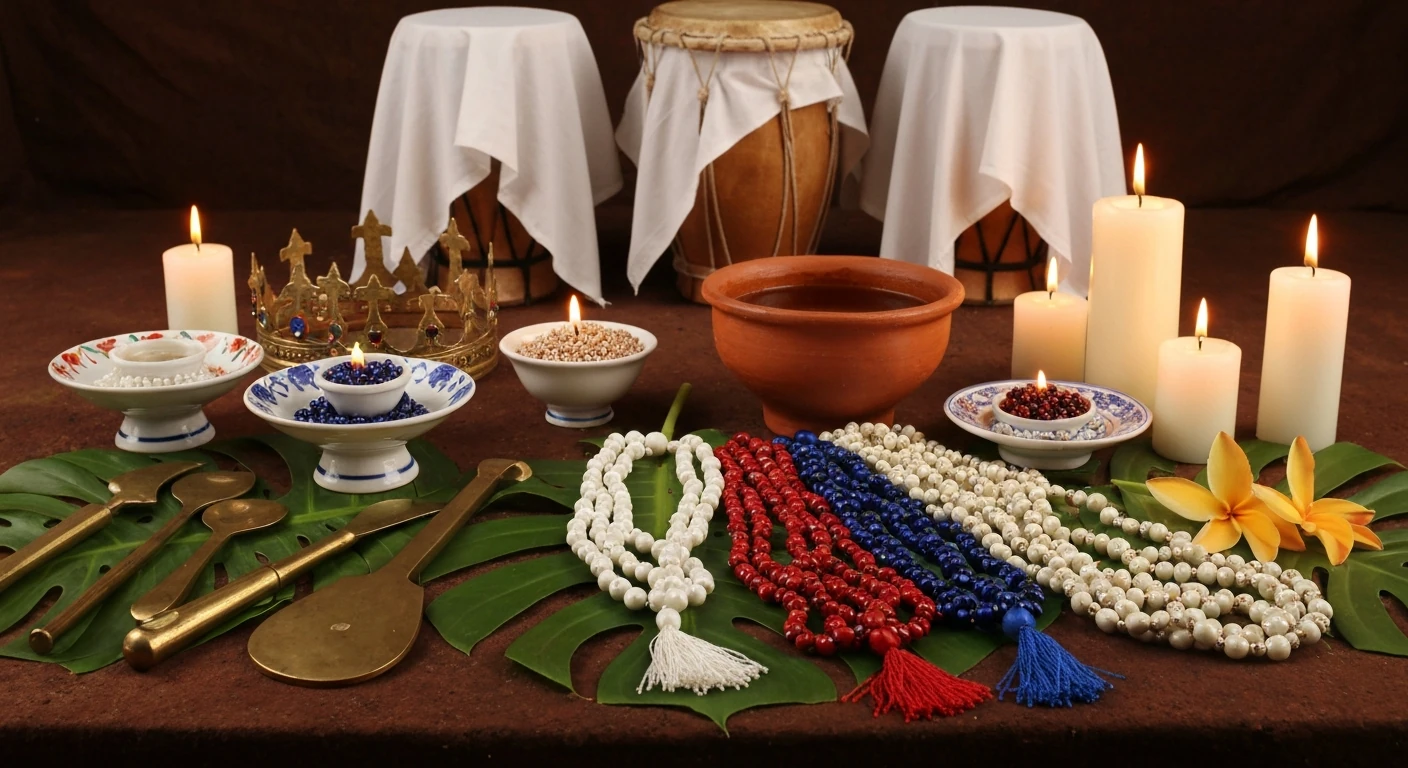
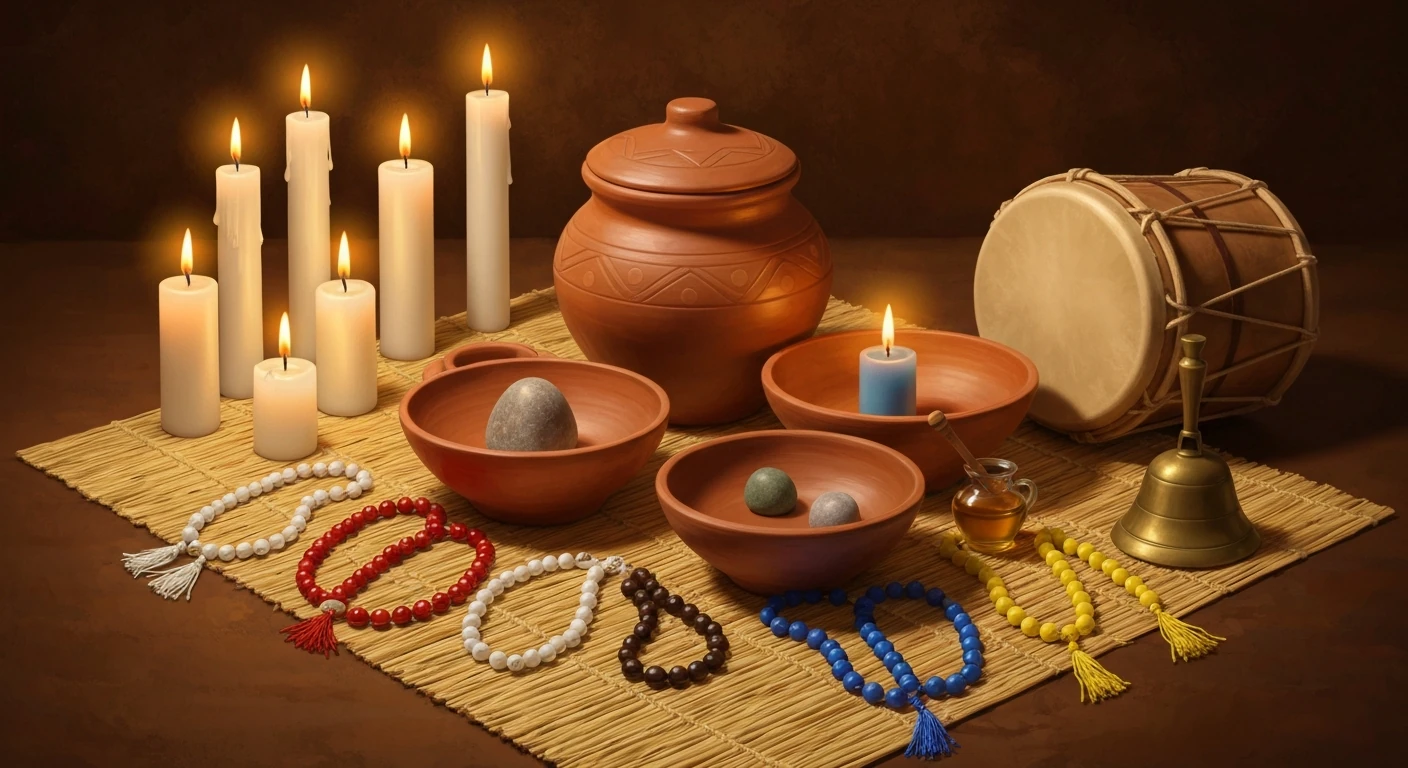
- Quartinha the clay or porcelain jar with a lid seen at the entrance of many ilês. Its presence announces that it is a sacred space.
- Otá and assentamento the sacred stone that houses the force of the orixá, treated ritually with dendê oil and offerings. It is the material "body" of the divinity inside the house.
- Axé the vital and sacred force that moves everything. Axé is received, fed, and transmitted; the "axé of búzios", for example, is the gift of clairvoyance.
- Tambor central instrument, made with prepared skins, played in specific rhythms of each nation, alongside the agogô and the agê (covered gourd). It is the drum that calls the orixás to the circle.
- Obrigação the ritual cycle that each ilê fulfills at least once a year, with an average duration of 10 to 16 days, which can exceed one month in large initiations (feituras).
Every house of Batuque guards foundations that are only learned with time and belonging. Respect for the hierarchy of the filho de santo to the babalorixá is part of the religion itself.
Batuque, Umbanda, Candomblé and Quimbanda: the differences
Confusing these traditions is the most common mistake of those coming from the outside. In summary:
- Batuque worships exclusively the orixás, in the Yoruba language and with reference to African nations. It is the most African expression of the afro-gaúcho complex, close in spirit to the candomblé of Bahia.
- Umbanda was born in Brazil in the 20th century and works with caboclos, pretos-velhos and other spirits, mixing orixás, popular Catholicism and Spiritism. See the difference between umbanda and candomblé to understand the contrast.
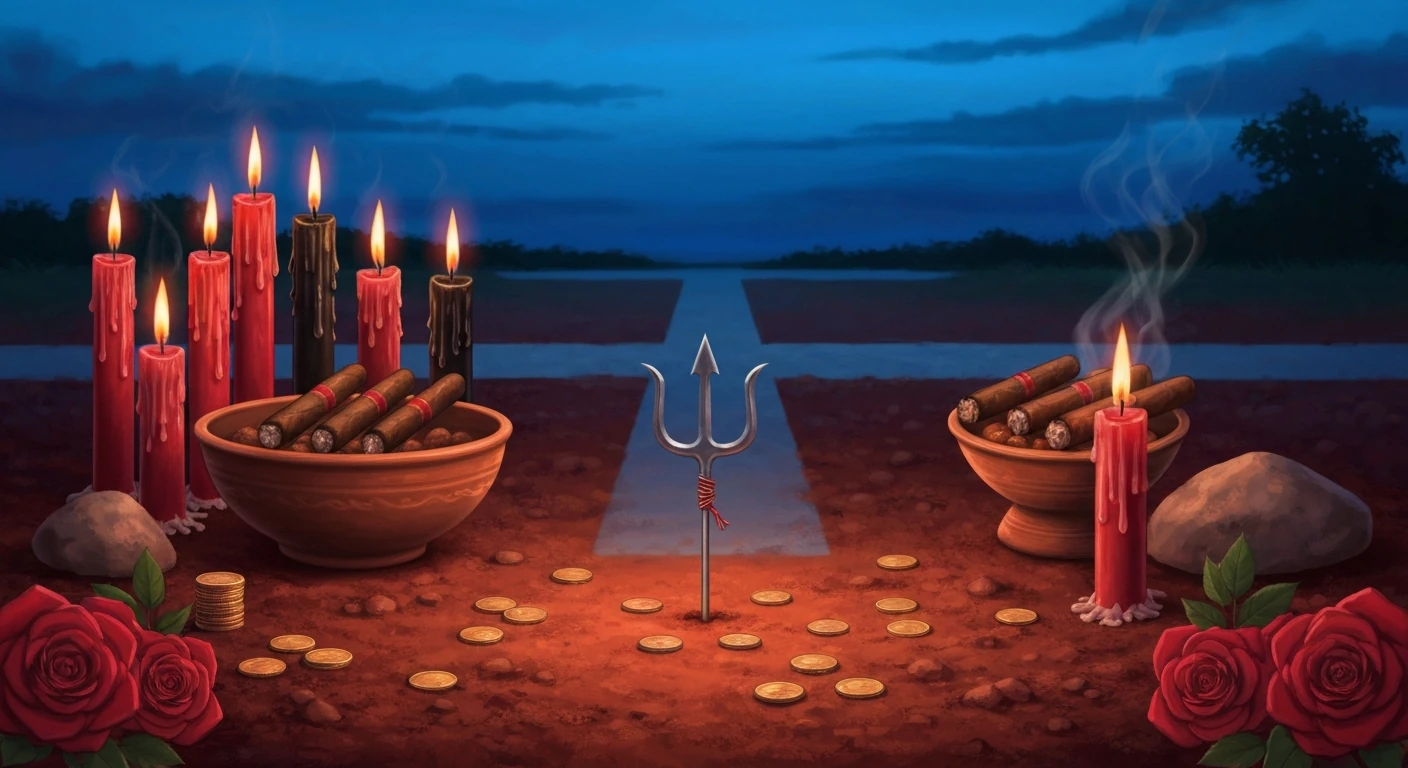
- Quimbanda works with Exus and Pombagiras. It is a tradition of its own, often side by side with umbanda explained in our guide about what is quimbanda.
In the South, many houses follow the so-called Linha Cruzada, which brings together under the same roof Batuque (orixás), Umbanda (caboclos and pretos-velhos) and Quimbanda (exus and pombagiras), each on its own day and session. But bringing together is not equalizing: each line maintains its foundations, its rhythms and its spirits.
Frequently asked questions
Is Batuque a religion?
Yes. Batuque is an Afro-Brazilian religion, with its own theology, priesthood (babalorixá and ialorixá), temples (the ilês), liturgical calendar and ethics. The popular use of the word as a synonym for "noise" or "witchcraft" is a result of prejudice, not a correct description of the faith.
What is the difference between Batuque and candomblé?
They are sister religions of the worship of the orixás, but they formed in different regions and eras. Candomblé structured itself in Bahia; Batuque, in Rio Grande do Sul, in the 19th century, with its own nations (Oyó, Ijexá, Jeje, Cabinda, Nagô) and drum beats characteristic of the South.
Which orixás are worshiped in Batuque?
Twelve orixás: Bará, Ogum, Oiá (Iansã), Xangô, Odé and Otim, Ossanha, Obá, Xapanã, Oxum, Iemanjá, Oxalá and the Ibeji. In the Ijexá nation, predominant today, Oxum is the queen and the liturgy is sung in Yoruba.
What does "nation" mean in Batuque?
Nation, or "side", is the African tradition of origin that defines the ritual language, the order of prayers and the drum beats of each house. The five main ones are Oyó, Ijexá, Jeje, Cabinda and Nagô, with Ijexá being the most widespread currently.
Are Batuque and Umbanda the same thing?
No. Batuque worships only the orixás, in Yoruba; Umbanda, born in Brazil, works with caboclos, pretos-velhos and other spirits. In Linha Cruzada houses they coexist, but maintain separate foundations and sessions.
Where to buy items for Batuque
At Joia Mística Laroyê, you find everything for home, obrigação and devotion in Batuque:
- Quartinhas and alguidares in clay and porcelain for assentamentos and offerings
- Statues and tools of the orixás Bará, Ogum, Xangô, Oxum, Iemanjá and the entire pantheon
- Candles and bead necklaces (guias) in the colors of each orixá
- Herbs and baths for cleansing, smoke cleansing and firmeza
- Dendê oil, honey and offering items for the care of the assentamentos
Visit our physical store in Extrema-MG or talk to us via WhatsApp, with delivery to all of Brazil. Want to better understand the religion before starting? Also check out the Batuque category here on the blog.
References
- Wikipedia: entry about Batuque, Afro-Brazilian religion of Rio Grande do Sul
- UFRGS: Respeita o Meu Orixá survey on Afro-Brazilian religions in Rio Grande do Sul