Knowing how to use candles the right way is what separates a distracted gesture from a well-done act of faith. The lit candle is one of the oldest and most present tools in Brazilian spirituality, from Umbanda to Candomblé, passing through popular Catholicism. But few people learn the basics: how to set the intention, how to light it, and what to do with the wax at the end.
This guide brings together 6 practical tips for you to light your ritual candles with safety and respect, from the first match until disposal. It is not about the meaning of each color (that is for another article), but rather about the correct use of the flame in the daily life of your faith.
1. Set the intention before striking the match
The candle does not work alone. It is the concentration point of your prayer, a visible focus for something you feel inside. Therefore, the ritual work begins before the flame.
Wash your hands, choose a quiet moment, without haste and without a phone ringing. Hold the candle for a few moments, breathe, and think clearly about your request or your gratitude. Visualize what you want to set there. When the thought is settled, that is when you light it.
Without intention, a lit candle is just burning paraffin. With intention, it becomes a bridge. The gesture carries exactly the weight that you place upon it.
This preparation applies to any tradition, whether it is a white candle for peace, a candle for an orixá (orisha), or a simple candle of gratitude to your devotional saint.
2. Light with a match, preferably
The terreiro tradition usually prefers matches to a lighter, and there is a symbolic reason for this. Striking a match creates fire from friction, a small gesture of making light emerge from nothing, which is more aligned with the sacred character of the moment than the mechanical click of a lighter.
That being said, the most important thing is the intention, not the instrument. If you only have a lighter on hand, use it without guilt. But, if you can keep a box of matches reserved for your ritual work, it is a beautiful care that reinforces respect for the ritual.
Light it calmly, without touching the flame to anything else, and let the wick catch completely before moving your hand away.
3. Use a safe container and the right place
Here lies the most common and most dangerous mistake. A candle is fire, and fire requires care. Never light a candle directly on wood, plastic, cloth, or any surface that catches fire.
Always use an appropriate support:
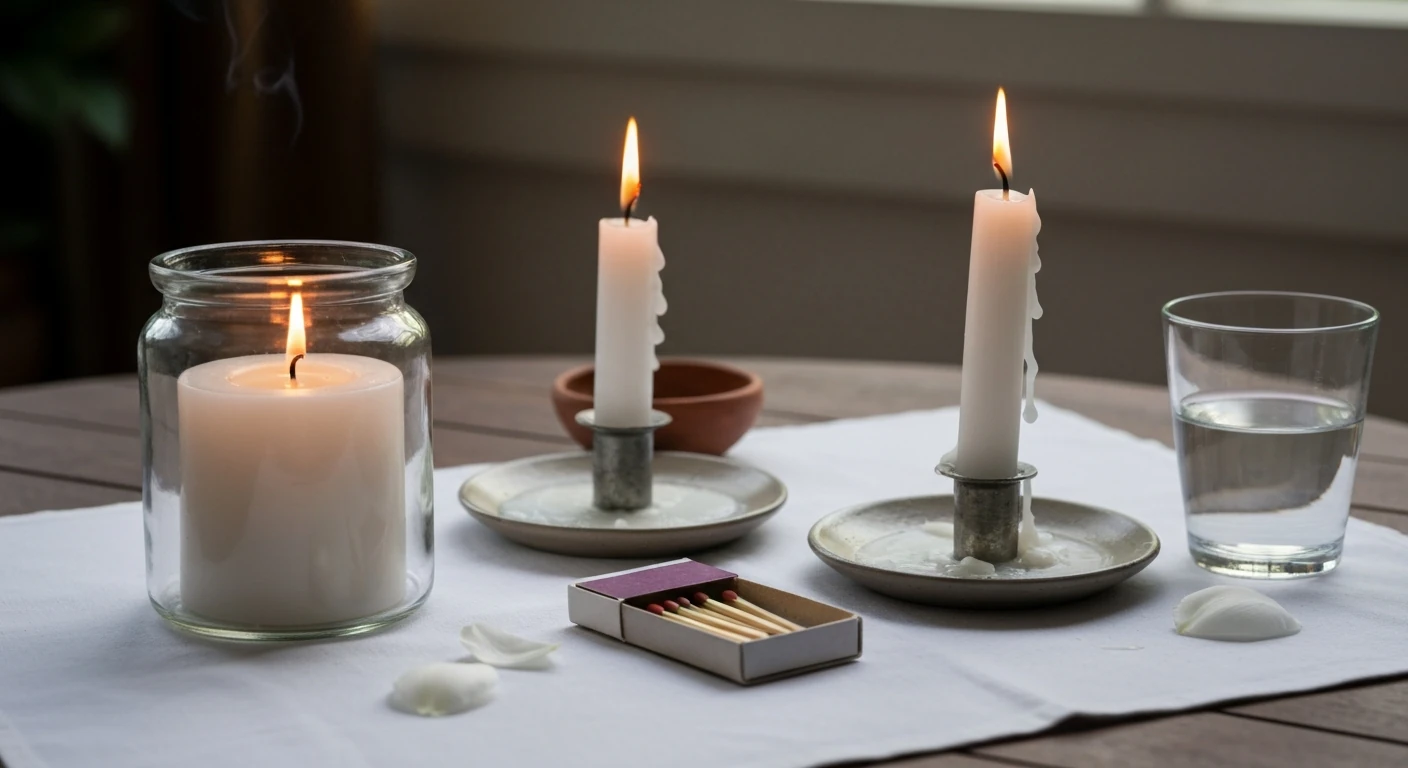
- A dish of porcelain, ceramic, glass, or metal under the taper candle, to catch the wax and isolate the heat.
- A firm candlestick, that does not tip over easily.
- For the jar candle, the glass packaging itself already serves, as long as it is placed on a heat-resistant surface.
Position the candle away from curtains, papers, low shelves, and drafts coming from windows or fans. Many Umbanda practitioners also leave a glass of water next to the candle, based on the idea that water helps absorb the energies moved in the ritual work. This water is discarded at the end, never drunk.
If you light candles on your home altar, it is also worth checking the guide on how to set up an Umbanda altar, because the candle's place inside the congá is part of the care.
4. Let it burn until the end, but never without supervision
Lighting a candle and leaving the house is a risk that is not worth it. The candle must burn under your gaze, or at least with someone nearby and attentive.
Some practical safety guidelines:
- Do not leave a lit candle in an empty room or while sleeping.
- Keep away from the reach of children and animals.
- With the 7-day candle inside the glass cup, avoid keeping it lit for many consecutive hours. The glass heats up and can crack; the ideal is not to exceed three to four continuous hours and relight it later, always in a firm place.
- Never move the container while the wax is hot and liquid.
Regarding the 7-day candle, it is common for a person to be startled when it finishes before or after the deadline. Small variations of one day more or less are normal and depend on the air current, the quality of the paraffin, and the size of the wick. Do not treat this, by itself, as a bad omen.
5. Choose the color and the day according to the intention
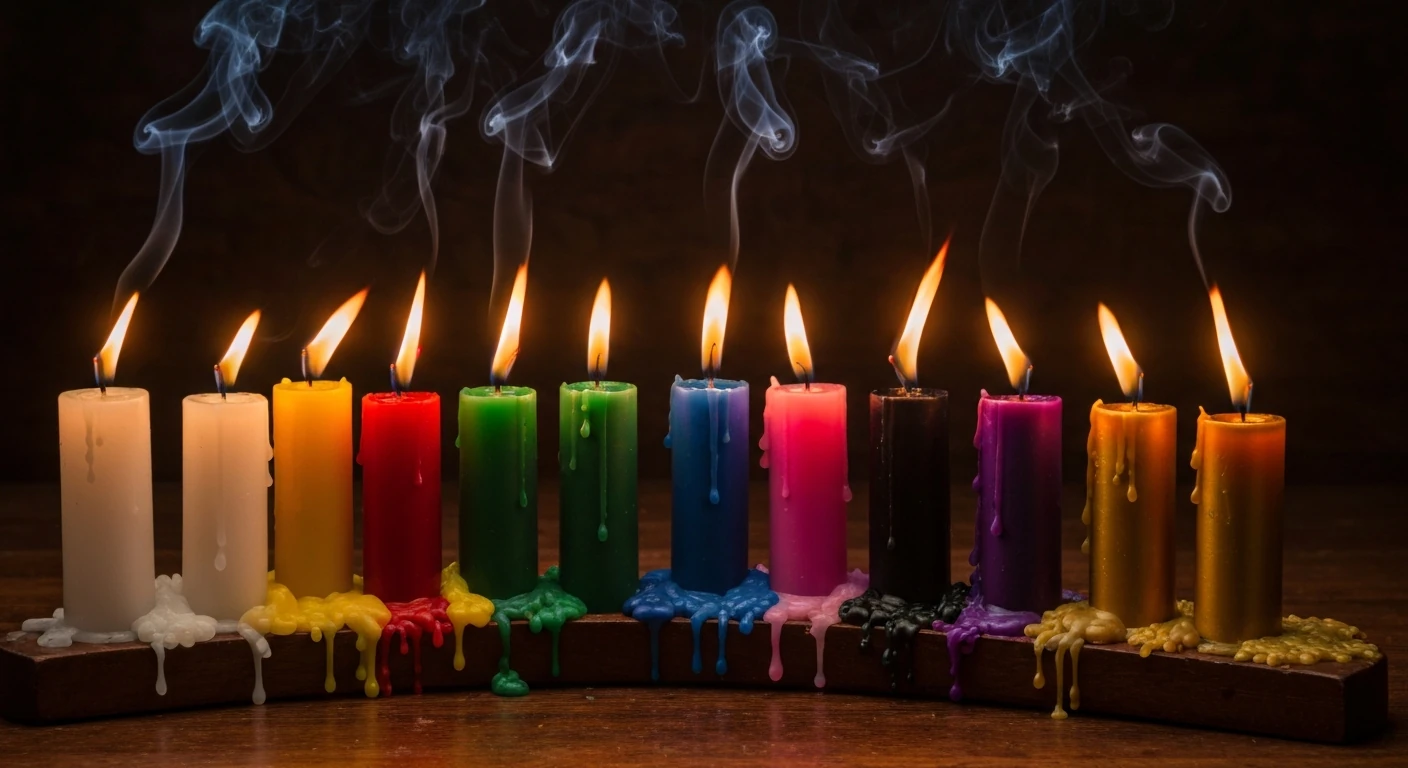
Correct use also involves aligning the candle with your purpose. Each color carries a vibration, and each orixá has its colors and its day of the week. The white candle is the wildcard: it serves for peace, cleansing, protection, and for any moment when you are in doubt about which one to use.
Since this article is about use, and not about color theory, it is worth consulting in detail the meaning of each candle color before choosing. For the relationship between the days of the week and the spirits, reports such as the one from Terra Nós about the orixás of each day of the week in Umbanda bring useful overviews, remembering that each house can have its own correspondence.
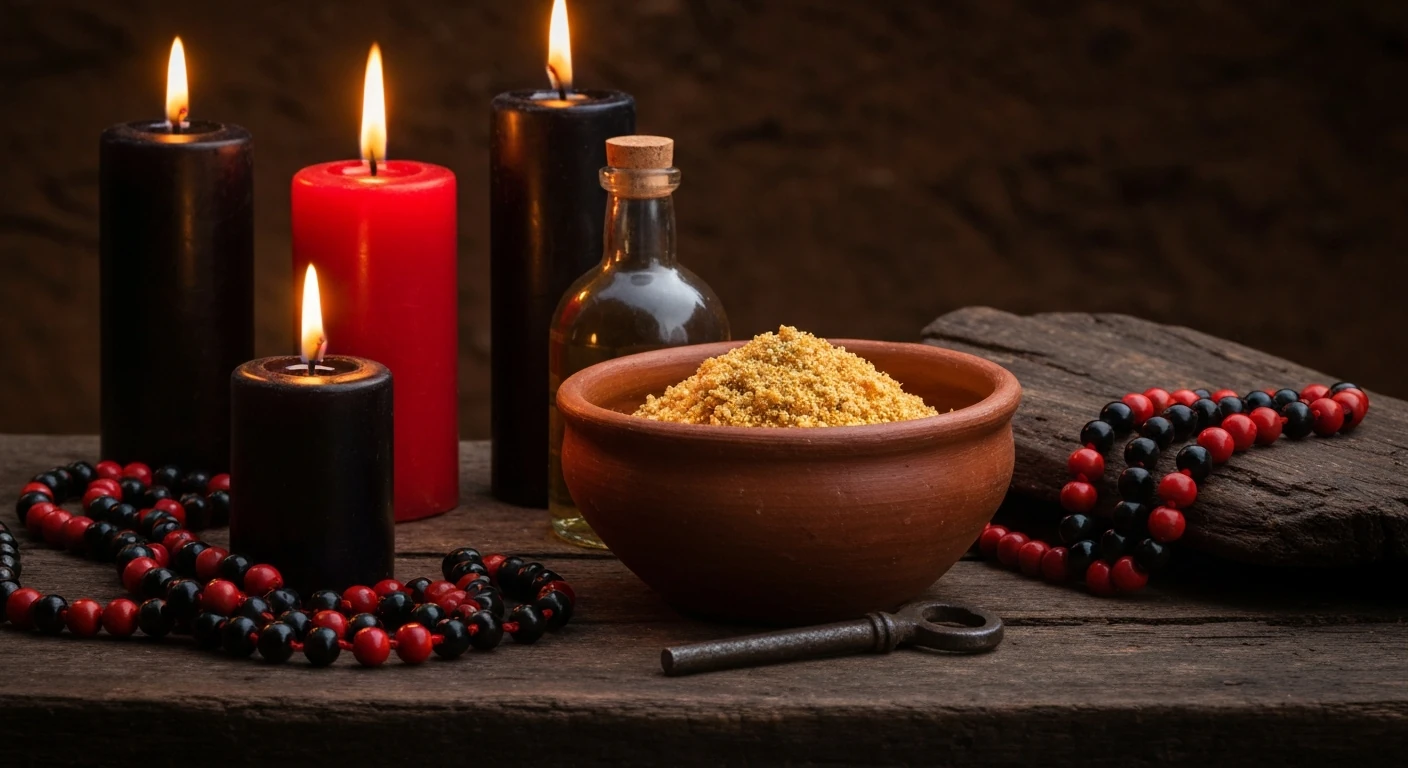
Let us debunk a myth here: the black candle is not "evil". It is a cleaning candle, used to disperse dense energies and in ritual work linked to Exu, who is a guardian and messenger, not a demon. In the right context, with guidance, the black candle is an instrument of light like any other.
6. Dispose of the wax and remains with respect
The ritual does not end when the flame goes out. What to do with the remaining wax and stub is also part of the care.
After the candle burns completely:
- Collect the remains of wax and paraffin once they are cold.
- Common destinations are the soil of a garden or, in its absence, the common trash accompanied by a mental thank you for the ritual work performed.
- Wash the plate or candlestick and keep it for reuse, but do not reuse the wax from one request in another ritual work.
- Offerings left in the woods, water, or crossroads always follow the guidance of your spiritual leader, never improvisation.
Treating the disposal with respect is closing the cycle the right way: you fixed the intention at the beginning and honor the gesture until the end.
Frequently asked questions
What to do with the wax left over from the candle?
Collect the cold remains and dispose of them in the soil of a garden or in the common trash, always with a thank you. Wash and keep the plate or candlestick for reuse, but do not reuse the wax from one request in another. Offerings in nature follow the guidance of the leader.
How long does a 7-day candle last?
Around seven days, with a normal variation of one day more or less depending on the draft, paraffin, and wick. Avoid keeping it lit for many consecutive hours, because the glass may crack. Finishing a little before or after is not, by itself, a bad sign.
Is the black candle evil?
No. The black candle is for cleansing, used to disperse dense energies and in ritual work linked to Exu (Eshu), who is the guardian of the paths, not a figure of evil. Outside of its ritual context, it has nothing negative. What defines the ritual work is the intention and the correct guidance.
Where to buy quality ritual candles
At Joia Mística Laroyê, you find everything to light your candles with safety and respect for tradition:
- White and colored candles in stick form, for everyday requests
- 7-day candles in glass cups, for ritual work that requires sustained burning
- Candlesticks and small plates that are firm and heat-resistant
- Matches to reserve for your ritual work
- Candles of specific colors for each orixá and intention
Visit our shop in Extrema-MG and we ship all over Brazil. In doubt about which candle to use, talk to us via WhatsApp and receive guidance with care.
References
- Isadora Wandermurem, Terra Nós, 04/06/2024: the orixás of each day of the week in Umbanda