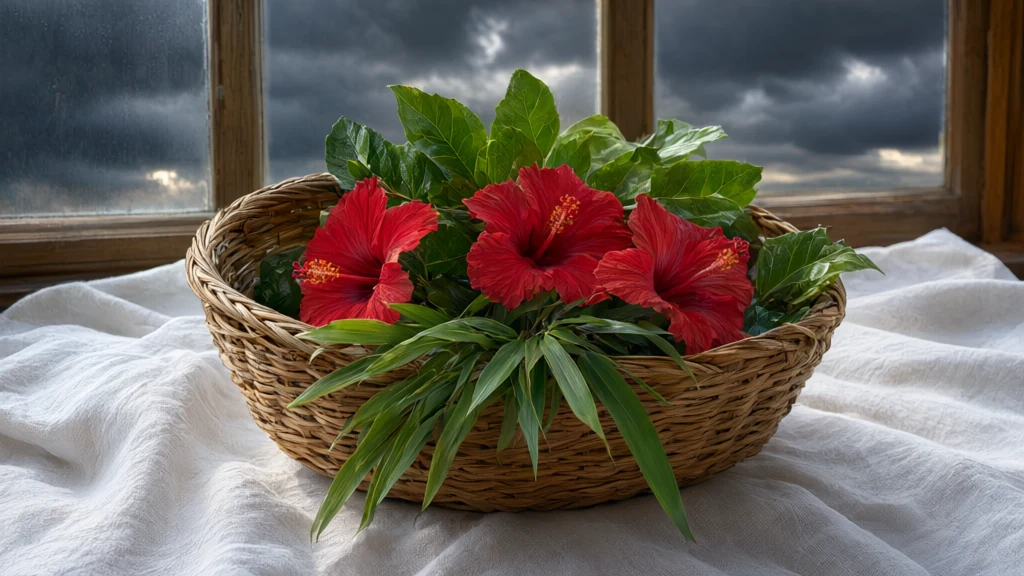

Herbs of Xangô: in Umbanda, in Candomblé and in Batuque
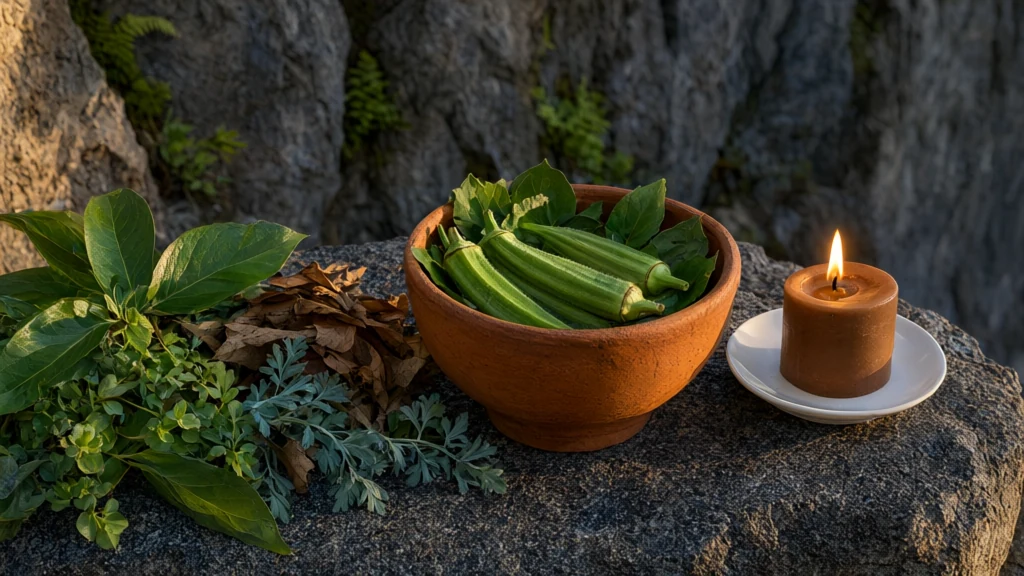
Herbs of Xangô (Shango) by tradition: acocô and orobô in Candomblé, quebra-pedra and guiné in Umbanda, okra in the South. See who cites each one and which of them are toxic.
Read articleHome protection, fever and children's healing
The elderberry is the tree that cares for children. Its flowers make the most well-known fever tea in Brazil, and its presence in the backyard is read as protection against disease in the house.
💡 "European tradition dictates asking the tree for permission before cutting an elderberry branch. The same gesture of asking for permission exists in Brazilian terreiros with any leaf."
Navigate through the different facets of the plant: from its native biome to the ritual preparation in the garrafada and in the terreiro.
The foliage and energetic structure of Elderberry (Sambucus nigra), harvested with respect to the botanical cycle and the axé of nature.
Always check the botanical origin. The legitimate Elderberry root has a rustic texture, no musty odor, and an intact woody consistency.
In Afro-Brazilian cosmology, each plant acts as a condenser of the forces of the Orixás. Sabugueiro operates direct transformations in the subtle body:
Vibrational activation under the regency of the Water and air element, acting on the breaking of blockages and the restoration of essential forces.
Learn how Sabugueiro is traditionally used by priests, herbalists, and healers:
Consecrated use with the force of Obaluaê.
Identify the energetic signs and situations in which the power of this plant is the key to restoration.
When waking up requires superhuman effort, the body feels like it is carrying lead, and you feel your vital energy being drained by dense environments or envious people.
Before difficult negotiations, competitions, lawsuits, or professional decisions where cowardice has no place and you need the courage of Ogum (Ogun) and the cunning of Exu (Eshu).
Lack of drive to achieve, stagnation of personal projects, and emotional coldness. The fiery force of this herb warms the vital centers and restores the desire to live and conquer.
Select the type of preparation to see the list of ingredients, ritual time, and detailed consecration instructions.
Recipe consecrated in the knowledge of terreiro and popular healing
Take the ritual bath on a favorable day. Ruling Orixás of this plant: Obaluaê, Ibeji, Nanã (Nana Buruku).
Fever tea: 1 teaspoon of dried elderflowers in 250ml of boiling water, covered for 10 minutes. Serve warm, sweetened with honey, for children over 1 year old.
Keep your thoughts elevated and speak to the plant during the entire handling, asking it to awaken its virtues.
Strain the herbs gently and take the ritual bath from the neck down after your usual hygiene.
Return the strained leaves to a garden, flowerbed, or plant pot, thanking the axé of Ossaim (Osanyin).
Only the flower and the ripe fruit are safe. Leaf, bark, and green fruit are toxic and should not be used.
*"Kó s'ewé, kó s'òrìṣà"*: Without leaf there is no Orixá. Every plant is sacred and requires respect with the axé:
Discover the divine vibration that commands this herb and how to connect your ritual bath to the strength of each divinity.
Lord of health and the earth, the doctor of the Orixás
Under the domain of Obaluaê, Elder acts as a conductor of firmeza, opening paths and breaking stagnation.
Twin Orixás of childhood and joy
Under the domain of Ibeji, Elder acts as a conductor of firmeza, opening paths and breaking stagnation.
Grandmother of the Orixás, lady of the mud and ancestry
Under the domain of Nanã, the Sabugueiro acts as a conductor of firmeza, opening paths and breaking stagnation.
The sabugueiro is a protective tree in the European tradition, where it was said that whoever cut a sabugueiro without asking permission would attract bad luck. It arrived in Brazil and became a remedy for childhood fever across the entire country.
In the traditional garrafadas of Central Brazil, the raizeiro masters recognized in the knotted shape of the root the living metaphor of firmeza: the capacity to tie knots in adversity and remain standing even in arid lands.
The European tradition mandates asking the tree for permission before cutting a sabugueiro branch. The same gesture of asking for permission exists in Brazilian terreiros with any leaf.
Your safe harbor of axé, candles, and sacred herbs in Southern Minas.
At Joia Mística Laroyê, we treat each herb as sacred matter. Our sabugueiro is carefully selected, free of impurities, weighed, and packaged with full respect for terreiro traditions.
No mixtures, pure with preserved axé.
We deliver to all of Brazil or for pickup in Extrema, Minas Gerais.
We create the exact combination of herbs for your ritual bath.
Ask questions about firmeza directly with Joice.
📍 R. Benedito Zingari, 460 - Bela Vista, Extrema-MG · Service Mon to Fri 9am to 6pm | Sat 9am to 1pm
Objective answers for practitioners, mediums, and spirituality enthusiasts.
By ritual safety precept, we recommend that the ritual bath be taken from the neck down, unless you have received express guidance from the priest of your terreiro to wash your head.
Herbs of Xangô (Shango) by tradition: acocô and orobô in Candomblé, quebra-pedra and guiné in Umbanda, okra in the South. See who cites each one and which of them are toxic.
Read article
Children of Omolu (Omulu): the portrait of Prandi, Verger, and Augras, the taboo of attending funerals, the quizilas that the houses record, and if a child of Obaluaê can eat popcorn.
Read article
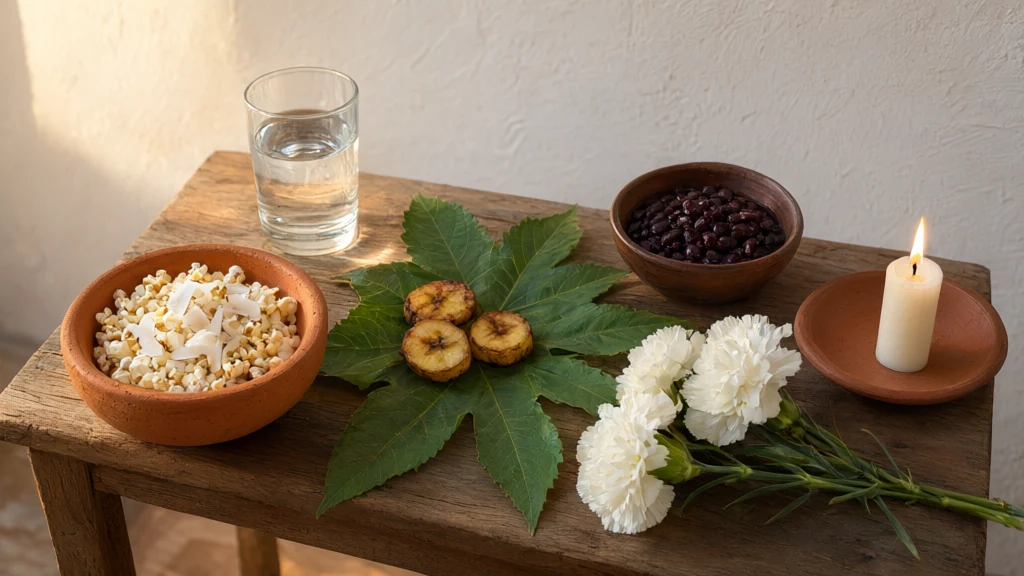
Offering for Omolu: unsalted popcorn with coconut, black beans, and plantain in Candomblé; white and black candle and white flower in Umbanda. And where to deliver it.
Read article
Iemanjá (Yemoja) in the new year: why December 31 goes to the sea, which flowers to take, what not to throw in the sea, the boat and what is known about the origin of jumping seven waves.
Read article
Herbs of Iansã (Oya) vary from house to house. See what terreiro research records, why the lists do not match and which plants are toxic if ingested.
Read article
Offering for Ossaim (Ossain): what open sources record, such as tobacco leaf, cachaça and honey, where it is delivered and what is the house's foundation. No recipe.
Read article
Protection and spiritual cleansing
Purification, mental clarity and protection
Powerful protection and breaking of demands
Love, prosperity and home protection
Harmony and peace in the home
Lightness, prosperity and renewal
Powerful protection and breaking of demands
Deep cleansing and intense spiritual cleansing (descarrego)