Black and White Candle
Advice and patience with the Pretos Velhos and the support of Obaluaê in the Linha das Almas
Black and White Candle
7-day candle · stays lit for 7 days7 dias
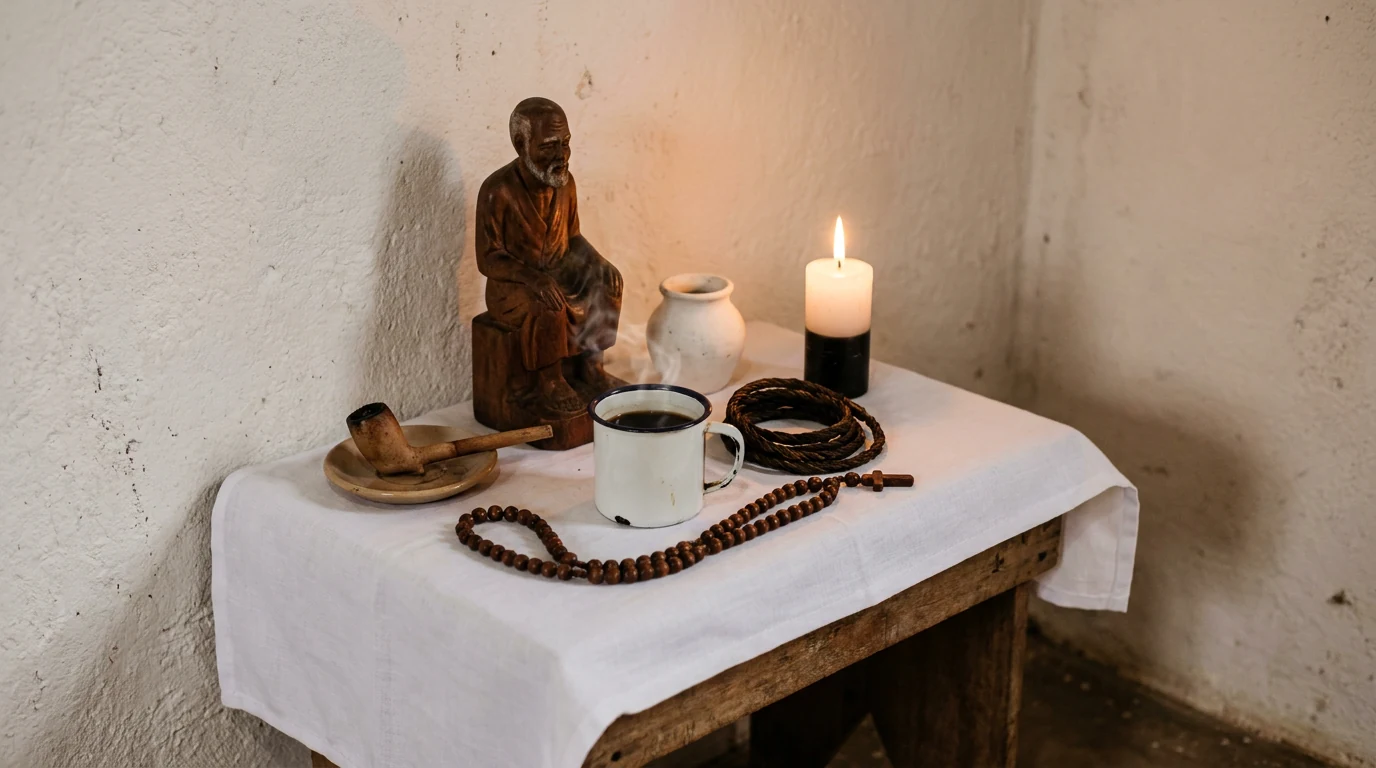
The black and white candle is one of the most welcoming symbols of the Umbanda terreiro. Traditionally lit at the feet of the congá, it accompanies the wooden stool, the cup of bitter coffee, and the pipe of the Pretos Velhos. Those who seek this light usually face long trials, such as old grievances, mourning, and pains in the soul. Due to its serene vibration, it is the candle for those who need to vent calmly and find their way under the patient gaze of the elders.
The foundation of this consecration belongs to the Linha das Almas and the Pretos Velhos, having Monday as the votive day. In Umbanda, black represents the earth that absorbs afflictions, and white projects peace and spiritual elevation. This vibration is also linked to Obaluaê, lord of healing. Customs vary between terreiros: many houses use the simple white candle, and both practices hold immense respect.
At home, the black and white candle should not cause fear. The black here is not for demands or harsh cuts, but rather to collect miasmas and accumulated sadness in the environment. Its action is slow and steady, transmitting the feeling of a grandfather's affectionate hug. It does not perform instant miracles nor fulfill requests that violate free will. In health matters, it brings spiritual comfort and strengthens the mind, without ever dispensing with medical follow-up.
What is it for
What is the purpose of the Black and White Candle
Bicolor, the black and white candle unites the earth that absorbs weights and the light that pacifies the mind. In Umbanda, it belongs to the Pretos Velhos and the Linha das Almas, under the vibration of Obaluaê. It is indicated to ask for advice, resignation in difficult phases, health, and the serene breaking of demands.
-
Ask for advice and wisdom from the vovôs
When the mind is filled with doubts about which path to take, the firmeza with coffee opens the listening with the spirit guides. The answer usually manifests as inner clarity and serene discernment.
-
Cultivate patience in the face of trials
For moments of prolonged unemployment, mourning, or family crises. The flame helps endure difficult days with resignation and dignity, strengthening hope without losing humility.
-
Relief and support in moments of illness
Under the axé of Obaluaê and the vovôs benzedores, this candle emits vibrations of encouragement for those facing health treatments. It supports the spirit of the sick person and the family, without dispensing with medical care.
-
Undo weights and subtle negativities
Old spiritual charges and sensations of inexplicable fatigue find descarrego in this burning. The black attracts the accumulated weight while the white returns peace to the domestic environment.
-
Honor the Linha das Almas and ancestors
For those who wish to greet their ancestors and the spirit guides of Umbanda on Mondays or votive dates. The flame celebrates memory, gratitude, and respect for the path trodden by the elders.
Who rules this candle
Orixás and spirits of the Black and White Candle
-
Pretos Velhos
Spirits of light and masters of patience
Entities consecrated by humility and spiritual charity in Umbanda. Black and white symbolize the Linha das Almas, uniting the wisdom forged in earthly suffering to the spiritual elevation that heals and welcomes.
-

Obaluaê (Omulu)
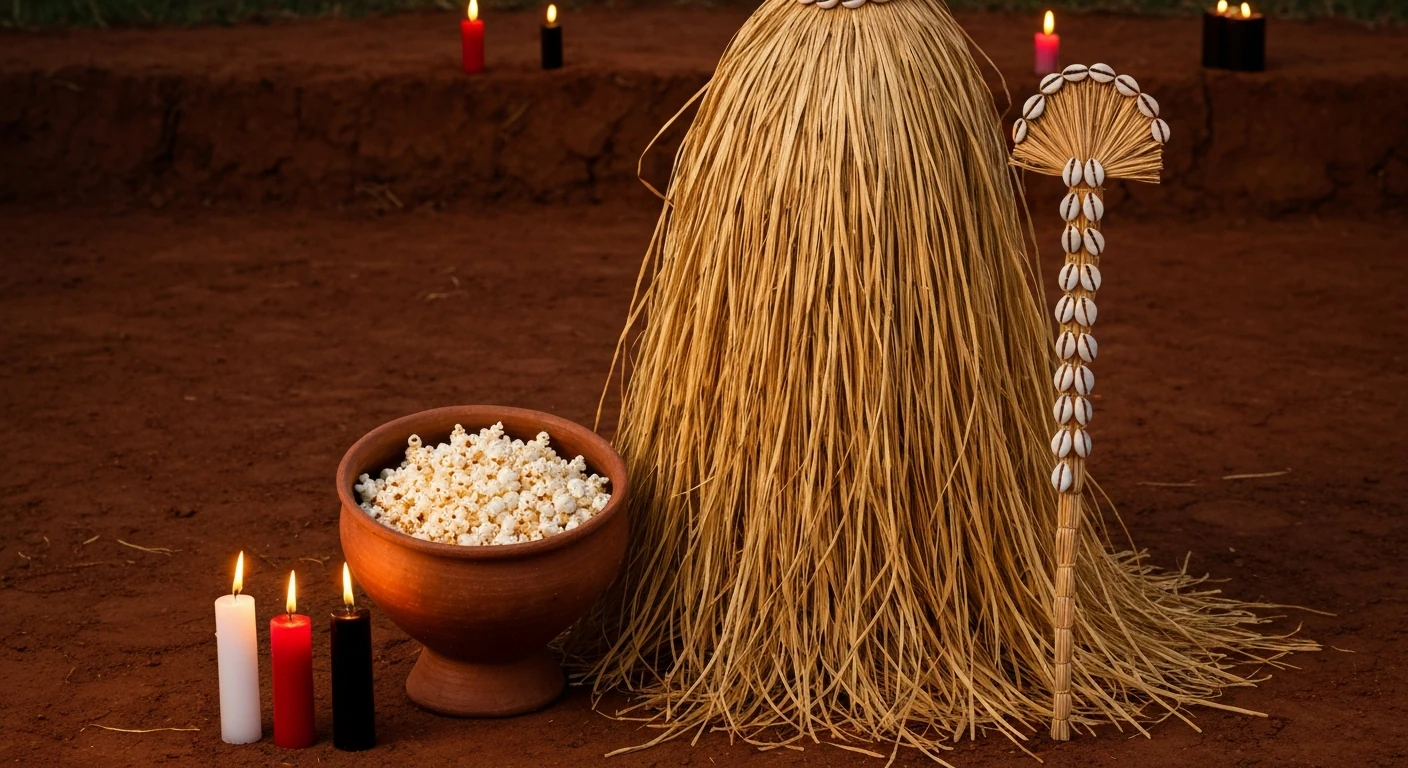
Lord of the earth, of healing, and of the souls
Orixá who rules the mysteries of physical and spiritual health and the steps between worlds. The black and white colors reflect his authority over transmutations and his proximity to the Linha das Almas on Monday.
Know Obaluaê (Omulu)
Also settled for
- Pai Joaquim de Aruanda
- Vovó Maria Conga
- Pai Benedito das Almas
- Vovó Catarina de Angola
- Vovó Cambinda
- Linha das Almas
Prayer to light
Black and white candle prayer to the Pretos Velhos and the souls
“My beloved Pretos Velhos, grandfathers and grandmothers of light and kindness, I ask permission to approach your sacred bench. I consecrate this black and white candle with a humble heart and a tired soul. May the black part of this wax collect to the depths of the earth all the sadness, the pains, and the afflictions that weigh on my shoulders. May the white part pour over my spirit the peace, the calm, and the clarity to see tomorrow. Give me the patience of the wise to accept life's trials and the perseverance to never give up on faith. Blow your healing smoke over my home, taking away any shadow or discord. Atotô, my father Obaluaê, support my health and strengthen my steps. May your holy blessing remain with me today and always. Adorei as Almas!”Light the candle and pray
Step by step
How to consecrate the Black and White Candle
- 1
Choose Monday
Start your consecration preferably on Monday, a day consecrated to the Linha das Almas and to the Pretos Velhos in Umbanda. If the need is urgent, do it on the day your heart asks.
- 2
Prepare a safe and low space
Place the plate on a firm surface, preferably low or close to the ground, away from drafts, curtains, and flammable products. Keep out of reach of children and pets.
- 3
Serve the offerings to the elders
Place the cup of fresh bitter coffee and the glass of pure water next to the plate. If you have the sprig of arruda or guiné, place it next to the candle to attract vibrations of cleansing and comfort.
- 4
Light the flame and have your conversation
Strike the match, hum the greeting Adorei as Almas, and speak openly with the vovôs. Relate your pains, ask for advice and patience like someone talking to a welcoming elder. Make the prayer with sincerity.
- 5
Finish without blowing out the flame
Let it burn until the end. If you need to put it out for safety, smother the fire with a saucer, without blowing. When finished, pour the liquids on the earth or grass and discard the wax remains in the common trash wrapped in paper.
Precautions before lighting
- Keep the candle on a non-combustible support, away from drafts, fabrics, and out of reach of children and pets. Never leave home leaving the flame unattended.
- Specific cemetery, cross, or assentamento rituals require their own precepts and should not be done on your own: always consult the leader of your terreiro.
- The black and white candle is dedicated to healing the soul and to spiritual relief, but it never replaces medical supervision, clinical diagnosis, or prescribed laboratory treatments.
- The Linha das Almas acts strictly in charity and spiritual support. Do not light this candle to wish harm on others or to try to interfere in the free will of others.
Ceromancy
What the flame of the Black and White Candle shows
Traditional terreiro reading. Before interpreting, check if there is no wind, crooked wick, or poor quality candle.
- Good sign
Calm, soft, and luminous flame
Many houses read this harmonious burning as full welcoming of the request, indicating that the Pretos Velhos are already pouring support and patience over your life.
- Observe
Wax dripping like tears
It is usually a physical effect of wind oscillation or a tilted wick. In devotional reading, terreiros see relief from accumulated sorrows that fade in the burning.
- Attention
Frequent popping and sparking
Popular traditions interpret this as emotional agitation in the matter. The recommendation is to maintain serenity, pray calmly, and renew the candle next Monday.
- Attention
Dark smoke or soot on the plate
Suggests that dense loads are being transmuted by the line. If the sign repeats frequently, it is worth seeking a fraternal consultation in a trusted terreiro.
- Observe
Candle that goes out before finishing
First check the wind and the quality of the wax. If conditions are normal, light a new wick with the same request, cultivating the patience taught by the elders.
Ritual bath and smoke cleansing (defumação)
Herbs that combine with the Black and White Candle
-

Rue
Ruta graveolens
Traditional in the benzimentos of the grandfathers. Keep a green branch next to the candle to ward off intrusive energies and envy while the flame burns.
See the herb -

guiné / Tipi
Petiveria alliacea
Herb of strength for descarrego and breaking subtle demands. A ritual bath from the neck down before lighting prepares the field to receive the axé of the souls.
See the herb -

Rosemary
Rosmarinus officinalis
Brings serenity and renewal after the spiritual cleansing. Use it in the smoke cleansing of the environment after the candle burns, to restore clarity and joy in the house.
See the herb -

Coffee leaf
Coffea arabica
Plant intimately connected to the memory and the ritual work of the Pretos Velhos. It can rest next to the saucer to reinforce the link with ancestry.
See the herb
Virtual Candle
Light the Black and White Candle now
Choose the type, write your request, and pay by PIX. The flame stays on the altar and you follow along through the link.
Place on the altarFrequently asked questions
Questions about the Black and White Candle
Does Preto Velho use a white candle or a black and white candle?
Both candles are fully accepted in the tradition of Umbanda. Use varies according to the foundation of each terreiro. The white candle symbolizes the purity of Oxalá (Obatala), peace, and spiritual elevation, while the black and white candle highlights the connection with the Linha das Almas and the transmutation of old pains. If you already attend a spiritual house, always follow the guidance given by your religious leader.
What is the best day and time to light the black and white candle?
Monday is the main day, especially at dusk or early evening. This moment is dedicated to the worship of Pretos Velhos and the Linha das Almas in Umbanda. Commemorative dates such as May 13 and All Souls' Day also carry special strength for this ritual. In situations of anguish or pressing need, you can light it on any day of the week with the same faith.
Is the black and white candle dangerous or does it attract negative energies?
No, it does not attract negative energies nor does it offer any spiritual danger. In Umbanda, the color black does not represent evil, but rather the sacred soil that welcomes pains and absorbs miasmas, while white radiates illumination and peace. It is a candle consecrated to the charity of the vovôs, transmitting protection, serenity, and comfort to those seeking sincere shelter.
Can I light the black and white candle inside the house?
Yes, you can consecrate this candle at home to ask for blessings and wisdom. Simply prepare a calm, safe, and preferably low location, accompanied by a cup of sugarless coffee and a glass of pure water. There is no need to fear heavy influences in sincere prayers to the old ones. Complex rituals or work aimed at cemetery crossroads should remain under the responsibility of the terreiro.
Can I blow out the candle before it finishes burning?
Yes, if you need to leave the house or sleep and there is no totally safe place to keep it lit. For this, gently smother the flame with a spoon, saucer, or candle snuffer, without ever blowing out the wick. When you return, relight the same candle with a match, repeating the prayer request with tranquility and maintaining spiritual concentration until the cycle is complete.
What to do with the coffee and the leftover wax after the burning?
The coffee and water must be poured onto the soil of a plant pot or in the garden, returning the offering to nature. The cup and plate can be washed in running water and reused normally in daily life. As for the paraffin leftovers on the saucer, they can be collected with a paper and discarded in the common trash, as the spiritual fundamento ends with the termination of the flame.
What is the difference between the black candle and the black and white candle?
The black candle acts with vigorous cutting and dense absorption, being very associated with Exu (Eshu) or energetic cleansings. The black and white candle balances the seclusion of pains with the pacifying light of Oxalá, belonging to the loving vibration of the Pretos Velhos and the Linha das Almas. Its objective is paternal counsel, spiritual healing, and gradual pacification, without the thermal shocks of an abrupt cut.