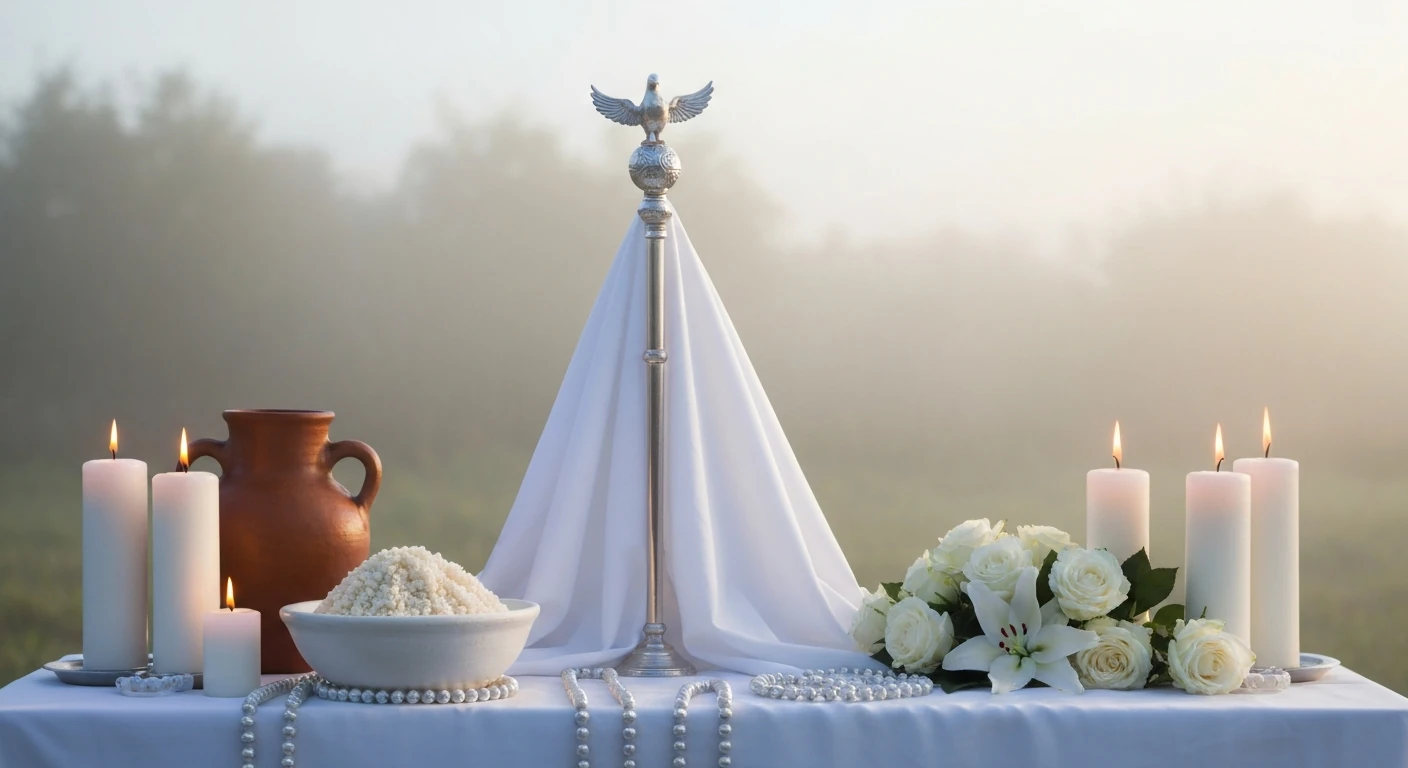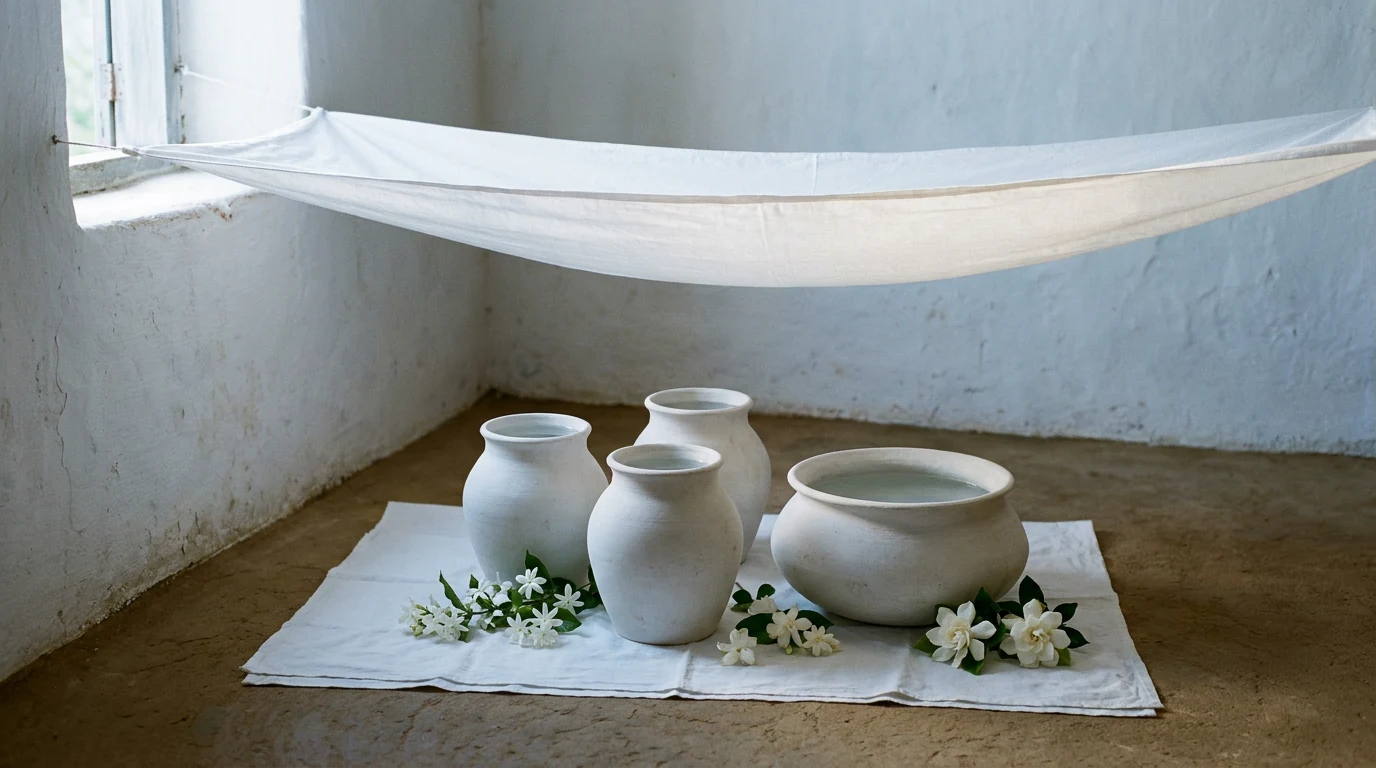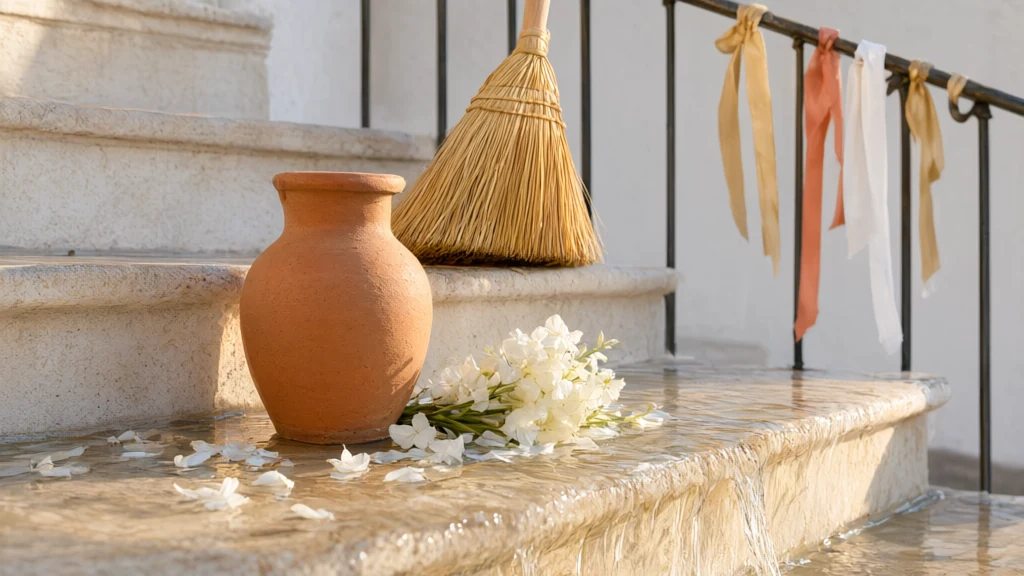
The Lavagem do Bonfim is the procession of baianas that leaves Conceição da Praia, in Salvador, and climbs the Sacred Hill to wash the staircase of the Basilica. In 2027, by the rule, it falls on Thursday, January 14. For the povo de santo, it is a day to worship Oxalá.
When is the Lavagem do Bonfim in 2027?
The Lavagem do Bonfim of 2027 falls, by the rule, on Thursday, January 14, three days before the Sunday of Bonfim, which is 1/17. The official schedule had not been released by the publication of this text, and the times depend on the organizers.
Date in 2027: Thursday, 1/14, by the rule | Departure: Conceição da Praia | Arrival: Colina do Bonfim | Color: white | Orixá: Oxalá
The Bonfim festival falls on the second Sunday after Epiphany, the Day of the Kings, and the Washing occurs on the preceding Thursday to that Sunday. Therefore, the date changes. It was 1/16 in 2025 and 1/15 in 2026.
The phrase "second Thursday after the Day of the Kings" circulates a lot and is wrong in some years. In 2024, the Washing was on Thursday, 1/11, and the phrase would give 1/18. In 2027, both calculations reach the same day. The year by year table is on Oxalá day.
The Catholic festival is on Sunday, as researcher Cleidiana Ramos reminds us. The set is heritage: the registration as Cultural Heritage of Brazil was approved on June 5, 2013.
What is the procession from Conceição da Praia to the Sacred Hill like?
The Bonfim Washing procession leaves the Basilica of Conceição da Praia, in Comércio, crosses the Cidade Baixa, and ends at the door of the Bonfim Church. The IPHAN dossier measures about 8 km, and newspapers speak of more than 6 km. Count on at least three hours on foot.
Two movements divide the route:
- The "Washing of Body and Soul" walk. It is the Catholic programming, with prayer, music, and the statue of the Lord of Bonfim.
- The popular procession. The baianas go ahead, in white, with the quartinha on their heads and flowers. Behind come the Filhos de Gandhy, to the rhythm of ijexá, and the cultural groups.
What time does the Bonfim Washing leave?
There is no fixed time. In 2026, the walk was scheduled for 7am. In 2025, the procession left around 8am, and the washing by the baianas was around 1pm. For 2027, arrive early and check the Basilica's programming.
Upon arrival in 2026, the rector spoke of the central window and blessed the people with the statue. Then came the staircase ritual. The washing itself lasts a short time.
Why do the baianas wash the staircases?
The baianas wash the staircases because the Church prohibited the washing inside the temple. In 1889, Archbishop Dom Luís Antônio dos Santos issued an ordinance against the washings in the churches of the capital. The women left the interior, but continued with brooms, flowers, and scented water for the courtyard and the stairs.
In January 1890, the devotees who insisted were stopped by the Civic Guard. Researcher Cleidiana Ramos, with a doctoral thesis in Anthropology at UFBA, summarizes:
The Washing, in fact, is a festival that the Catholic Church never wanted. The Washing happens because the Church prohibited the Washing.
The first washing has no known date. The IPHAN dossier treats the story of the soldier from the Paraguayan War as a founding myth. It cites Carlos Ott, who points to 1804 and reads the gesture as washing the saint for the festival. Already Atílio Avancini, in the Revista USP, links the cleaning of the church to an Iberian custom initially done by enslaved labor.
Who are the baianas of the procession?
They are women dressed in African style, and for many, the Washing is a family heritage. The white is newer than it seems: according to the dossier, it "seems to come from the 50s", because reports up to the 40s highlight the many colors of the clothes.
The quartinha and the scented water: what the people of santo carry
The day begins before the procession. Members of the terreiro told IPHAN that it is "as if the procession had started on the eve", with the meeting at the house of the orixás (casa de santo). The most important item is the water, and into it go two things:
- The amaci. Macerated herbs, such as arruda, macaçá, and manjericão, in which the quartinha is washed before receiving the liquid. The herbs come from the São Joaquim Fair and the Mercado das Sete Portas. See what amaci is.
- The scented water. Perfumed water with flowers and aromatic plants, sometimes added to the amaci.
The baiana Sandra Nascimento told A Tarde that she uses seven leaves: macassar, rue, sandalwood, patchouli, lavender, large basil, and the leaf of Oxalá. This is her custom: everyone follows the house. Each house has its own way.
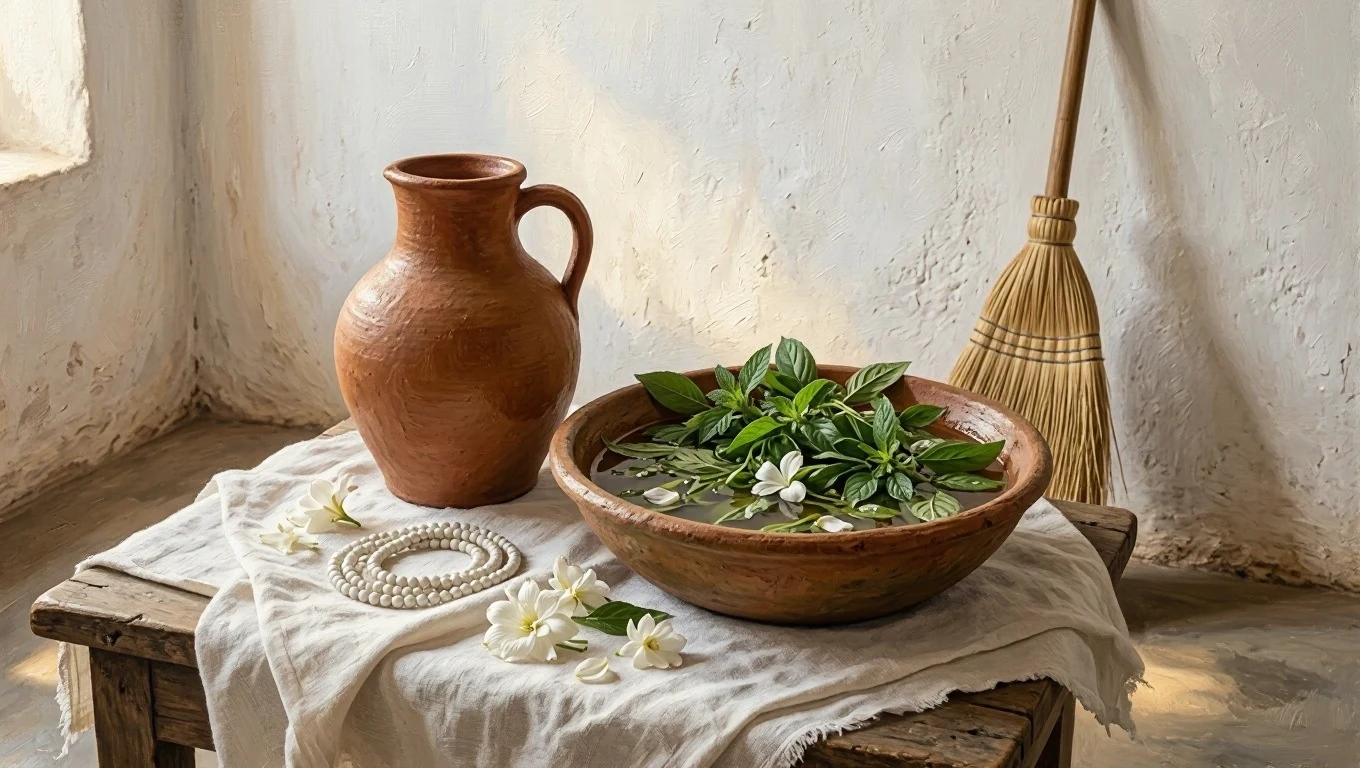
Those who follow the procession ritualistically carry virgin brooms and the beads, and do not drink alcohol as long as there is water in the quartinha. The precept seems generalized among the candomblés of the Lavagem. On the Hill, once the obrigação is fulfilled, the person takes the beads off their neck. With this water, the baianas wash the stairs and wet the heads of the devotees to bless them.
A terreiro member heard by IPHAN summarizes the walk: everyone together "in that very sense of worshipping Oxalá and the Lord of Bonfim".
What the Lavagem has of candomblé, of Catholicism, and what the Church allows
The Lavagem do Bonfim takes place in the middle of a Catholic program and gained its greatest weight among the followers of candomblé, without the two devotions becoming one. The candomblé places there Oxalá, the orixá (orisha) of Friday, greeted with Epa Babá. See who is Oxalá and how he was brought closer to the saint in Lord of Bonfim and Oxalá.
| What | From whom | What happens |
|---|---|---|
| Novena, masses, walk, procession | Basilica | Statue in the walk; three laps around the church on Sunday |
| Quartinha, amaci, beads | Terreiros | Preparation on the eve, precept during the route |
| Washing of the courtyard and the stairs | Baianas | Outside the temple since the prohibition |
Regarding the weight of Oxalá in the Lavagem, the readings diverge:
- Verger the flame of the syncretized version of the Águas de Oxalá.
- Cleidiana Ramos says that it "imitates" the rite: the prohibition of Oxalufã includes alcohol, "but one drinks at Bonfim".
- Érika Pinheiro, citing José Beniste, records that Mãe Aninha, from Ilê Axé Opô Afonjá, of candomblé nagô, would have brought the celebrations to the terreiro in 1910.
In some houses, the Lavagem integrates the initiation, with iaôs in trance on the staircases. The visit of iaôs to Bonfim was even recorded at Gantois, and sectors of candomblé criticize the custom.
Today the Church blesses from the window and organizes its own walk, and the washing remains outside the temple. After Bonfim, the summer of Salvador continues until the festa de Iemanjá.
What to wear and what to bring to the Lavagem do Bonfim?
Go in white, the color of Oxalá, with light clothing and sneakers, and bring little, because it is hours of sun and crowding in the street. A guide from Bahia Notícias accepts, at most, one light color along with it.
- Hat or cap and sunscreen.
- Small water bottle from home. There are street vendors and water trucks, but the guide tells you to ensure you have your own.
- Coin purse or fanny pack for cell phone, keys, and money, nothing in the pockets.
Those with reduced mobility can enter through Cidade Baixa and do only a part.
In the clothing of faith, Professor Murilo Mello reminds us that each baiana wears the necklace of the color of her orixá, and white cannot be missing. Those who do not know which orixá they are a child of can start with the discover your orixá test and confirm at your house. If the house asked for ration clothing, white bead necklace, or herbs, Joia Mística helps check the material via WhatsApp.
Frequently asked questions
Is the Lavagem do Bonfim a holiday?
The Lavagem do Bonfim is considered an informal holiday in Salvador, according to Professor Atílio Avancini, from USP. Informal means that the day off is not guaranteed, so check your work schedule and your trip schedule before counting on the free day.
Can you enter the church during the Lavagem?
Do not count on that on Thursday. The IPHAN dossier records the doors closed on that day since the prohibition at the end of the 19th century, and the blessing comes from the window. In 2026, the Basilica's programming had masses on Sunday and novena on the other days.
Can those who are not from Candomblé go to the Lavagem do Bonfim?
You can. The IPHAN dossier describes a pilgrimage of devotees from different places of residence, social classes, and religious beliefs. Go with respect for the baianas and without disturbing those carrying a quartinha. Those who are from a house also follow what the pai or mãe de santo instructs.
How is the Bonfim ribbon used at the festival?
Many people tie the ribbon on the church door or on the gate of the courtyard, or wear it on the wrist, making three knots and making a prayer request in each knot. The history of the ribbon, from 1809, is in Senhor do Bonfim and Oxalá.
References
- IPHAN: Festa do Bonfim dossier
- Avancini, Revista USP (2026): Faith to alleviate conflicts
- Pinheiro, ANPUH (2011): The Water Spectacle
- Verger (1981): Orixás
- Bahia Notícias (2018): interview with Cleidiana Ramos
- Jornal Grande Bahia (2026): 2027 walk
- Correio (2026): 2026 programming
- Brasil de Fato (2025): the 2025 Lavagem
- A Tarde (2024): baianas prepare
- Bahia Notícias (2024): Lavagem guide