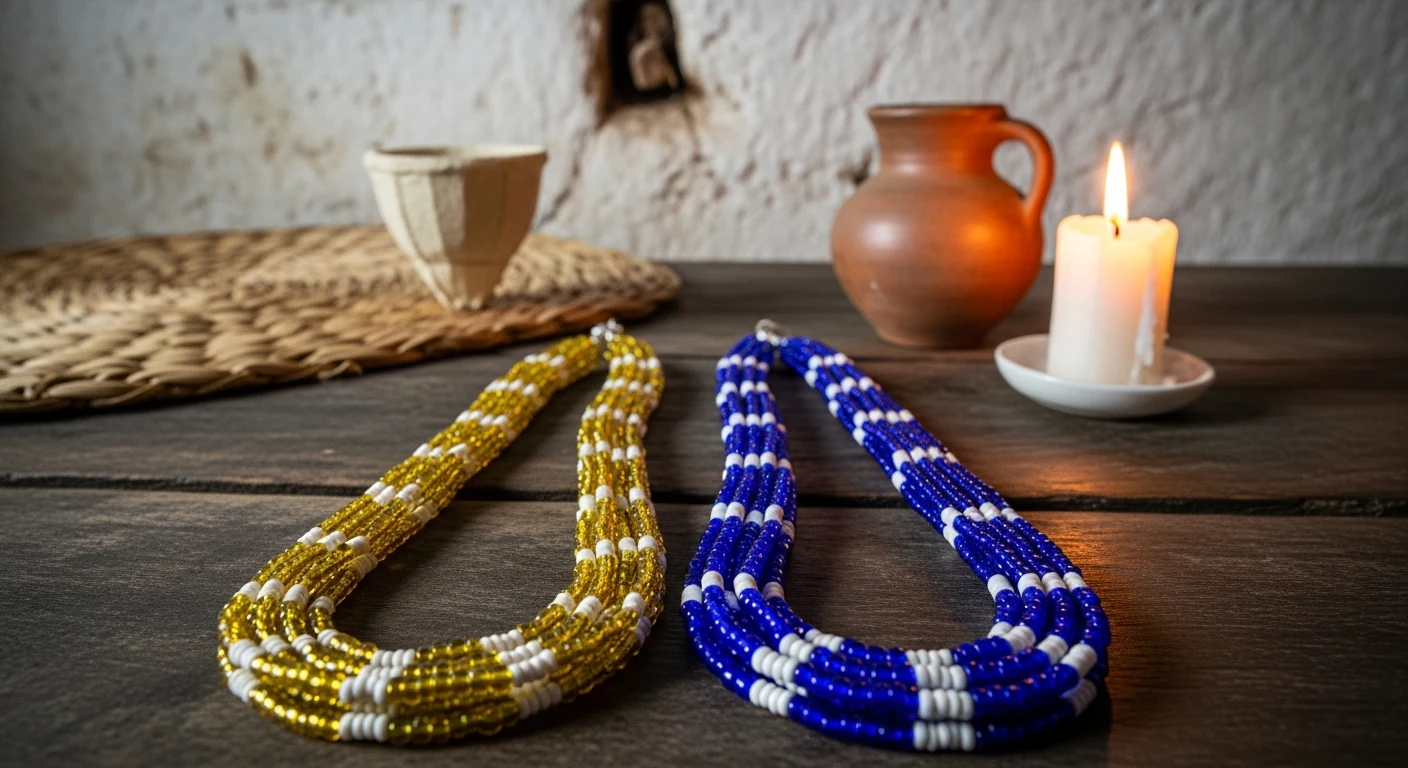
In Batuque, when someone asks "who do you belong to?", the answer almost never comes in a single name. It comes in two. The orixá de frente is the owner of the head, and the orixá de junto is the adjuntó who walks by his side.
This pair is a mark of the Batuque do Rio Grande do Sul. It organizes the person's reading, the obligations they fulfill, the colors they wear around their neck, and the food given at the assentamento.
This guide explains what each of the two is, how cowrie-shell divination reveals the pair, and what it changes in practice. It also shows why the pair is not the same thing as the ruling orixá of Umbanda.
What is the orixá de frente
The orixá de frente is the dono da cabeça. It is he who rules the destiny, the temperament, and the path of the filho de santo. It is for him that the head is settled in the feitura.
In the South, "de frente" is the current expression. You will also hear orixá de cabeça, dono da cabeça or dono do ori, all pointing to the same thing. The choice of word changes from house to house.
The de frente appears in almost everything in the person's religious life:
- The color of the bead necklace and the festive clothing
- The day and the food of the annual obrigação
- The assentamento that is set in the quarto de santo (the santo's room)
- The order in which the person enters and dances in the circle
It is worth clarifying what many people confuse. Having a front orixá is not the same thing as being initiated. A person may know who theirs is through the cowrie-shell divination and still not have undergone any obrigação.
What is the juntó orixá (juntó or adjuntó)
The juntó orixá is the second orixá, the one who accompanies and completes the front one. You will find the forms juntó, adjuntó, adjunto, and "orixá de junto" circulating side by side.
The central idea of Batuque is this: the person is read by the pair, not by the isolated orixá. A child of Oxum (Oshun) with a juntó of Ogum (Ogun) does not walk the same way as a child of Oxum with a juntó of Oxalá (Obatala). The second name seasons the first.
The "Batuque (religion)" entry on Wikipedia records frequently cited combinations, such as Oxum making adjunto with Bará, Ogum, Xangô (Shango), Odé, Ossanha, or Oxalá. Another very remembered pair is Odé with Otim, treated in detail in the article about Odé and Otim in Batuque.
Attention: there is no closed list of pairs. The combinations change according to the house, the nation, and the quality of the orixá. The one who defines your pair is the cowrie-shell divination performed in your house, never an internet table.
How the cowrie-shell divination reveals the pair
The pair is discovered in only one way: in the cowrie-shell divination (jogo de búzios), conducted by a babalorixá or ialorixá with the foundation and authorization to cast. There is no shortcut.
The divination usually comes before any major obrigação. It answers who the head is, who makes the juntó, and what the orixá asks of that person at that moment in life.
Careful houses confirm the result. They repeat the divination on another day, or ask for a confirmation in a trusted house, before consecrating anything. A definitive result on the first draw, with a rush to schedule an initiation, is a warning sign.
Three things that do not define your front orixá or your juntó:
- Zodiac sign, date of birth, or numerology. There is no calculation of orixá by astrology.
- Internet test. A quiz does not throw cowrie shells.
- Personal feeling. Liking fresh water does not make anyone a child of Oxum.
If you want to better understand this part, the article how to know which is my orixá deals with the signs and the limits of each reading.
What the pair changes in practice
Knowing the pair is not a curiosity. It organizes religious life in very concrete points.
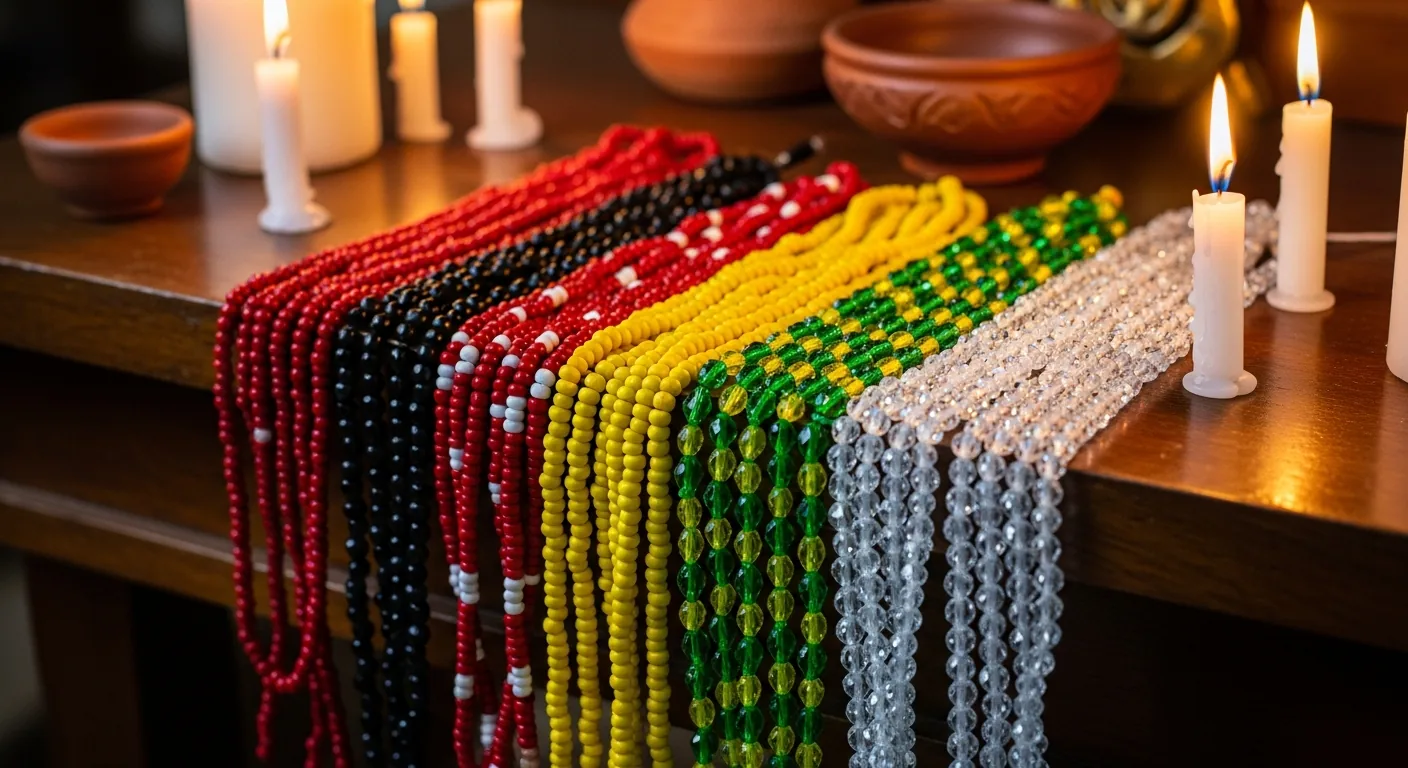
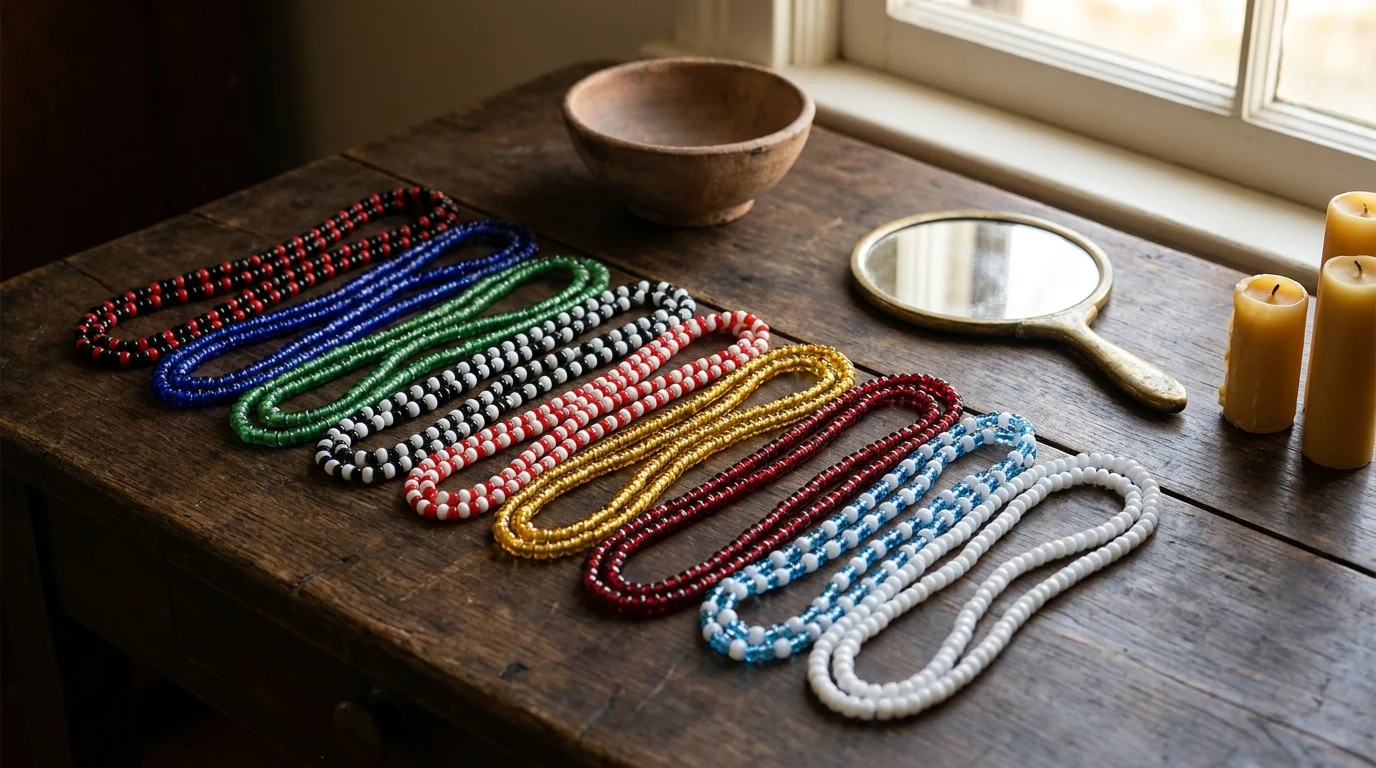
In the bead necklaces. It is common for a person to wear the bead necklace of the front one and also the juntó. In some houses, a bead necklace is used that brings together both axés in alternating beads. The colors and the number of beads vary by orixá, a subject treated in the guide on bead necklaces in Batuque.
In the obrigações. The pair defines for whom the consecrated foundation (assentamento) is made, for whom food is given, and in what order. The obrigação of the front one is usually the largest, but the juntó has its part and is not left out.
In the reading of the person. The dirigente uses the pair to guide paths, understand crises, and adjust what needs to be done. Two children of the same front orixá receive different advice when the juntó is different.
At the festa. Clothing, color, food, and ponto cantado follow the orixá de frente, with space reserved to greet the juntó.
None of this is a recipe to do at home. Feitura, bori, and consecrated foundation (assentamento) happen inside the house of religion, with the leader present and with the time the orixá asks for.
Variation by nation
Batuque is not a single block. It is organized into nations: Oyó, Ijexá (today the most widespread), Jeje, Cabinda and Nagô, in addition to combinations such as Jeje-Ijexá and Jeje-Nagô.
This diversity weighs on the theme. The names of the qualities, the way of naming the juntó, and the possible combinations change from nation to nation. Sometimes they change from house to house within the same nation.
The anthropologist Norton Figueiredo Corrêa authored one of the most cited studies on the religion. He describes Batuque as a formation unique to Rio Grande do Sul, born in the 19th century and later spread to Uruguay, Argentina, and Paraguay. His interview with the Instituto Humanitas Unisinos summarizes this regional formation well.
An important observation: ketu is not a nation of traditional Batuque. Ketu arrived late to the South, via the route of Bahian Candomblé. To understand the design of the Gaucho nations, the article on the nations of Batuque is worth reading.
What the pair is not
Some misunderstandings always appear, and each one is worth clearing up.
It is not the ruling orixá of Umbanda. In Umbanda, the orixás radiate in lines of ritual work, and those who attend the gira are spirit guides such as caboclos and pretos-velhos. "Ruling orixá" there usually has a broader and devotional meaning.
It is not simply the head orixá of Candomblé ketu. Ketu also works with ori and with a second orixá in many houses. The difference is of vocabulary and weight: in Batuque, the closest front pair is named, systematic, and central in the reading of the person.
It is not an ancestral orixá nor an "orixá de pano branco". These terms circulate in Umbanda material and do not belong to the vocabulary of Batuque.
It does not change by your will. When someone says they "changed their orixá," what changed was the reading of a house. This is resolved by talking to the leader, not by starting from zero in another place.
Finally, a linguistic care. In Batuque, one says Bará, and not Exu (Eshu), when speaking of the orixá of the paths; those who are of Bará or Exu in each nation are in filhos de Exu. In the same way, the names Oiá, Xapanã, Ossanha, and Otim are valid, listed in the article about the orixás of Batuque.
Frequently asked questions
What is an orixá de frente?
It is the orixá owner of the head, the one who rules the person's destiny and temperament. In Batuque, it is also called the owner of the ori or head orixá. It is for him that the head is consecrated in the feitura, and it is his color that appears on the main bead necklace.
What does adjuntó or juntó mean?
It is the second orixá, the one who accompanies the owner of the head and completes the person's reading. The forms juntó, adjuntó, and "de junto" are used with the same meaning in the South. The pair of frente and junto is what guides obligations, colors, and advice within the house.
How many cowrie-shell readings are needed to confirm the orixá?
There is no fixed number, but careful houses rarely stop at the first one. It is common to repeat the cowrie-shell reading on another day, or ask for a confirmation in a trusted house, before consecrating anything. The haste to close the result right on the first throw is usually a bad sign.
How can I discover my orixá de frente and de junto?
By looking for a religious house and asking for cowrie-shell divination with a babalorixá or ialorixá who holds the proper foundation. There is no test, calculation by date of birth, or list that does this work. The divination is the only recognized path in the tradition.
Is the orixá de frente the same as the ruling orixá of the Candomblé?
They are similar ideas, but not equal. Ketu speaks of ori and of the orixá owner of the head with its own liturgy. Batuque names the pair of frente and de junto as the central structure of the person's reading, with Gaucho vocabulary and variation by nation.
Where to buy items for your orixá
At Joia Mística Laroyê, you find what the house usually asks for:
- Bead strings and small beads: colors separated by orixá, to assemble the bead necklace for the main orixá (de frente) and for the juntó
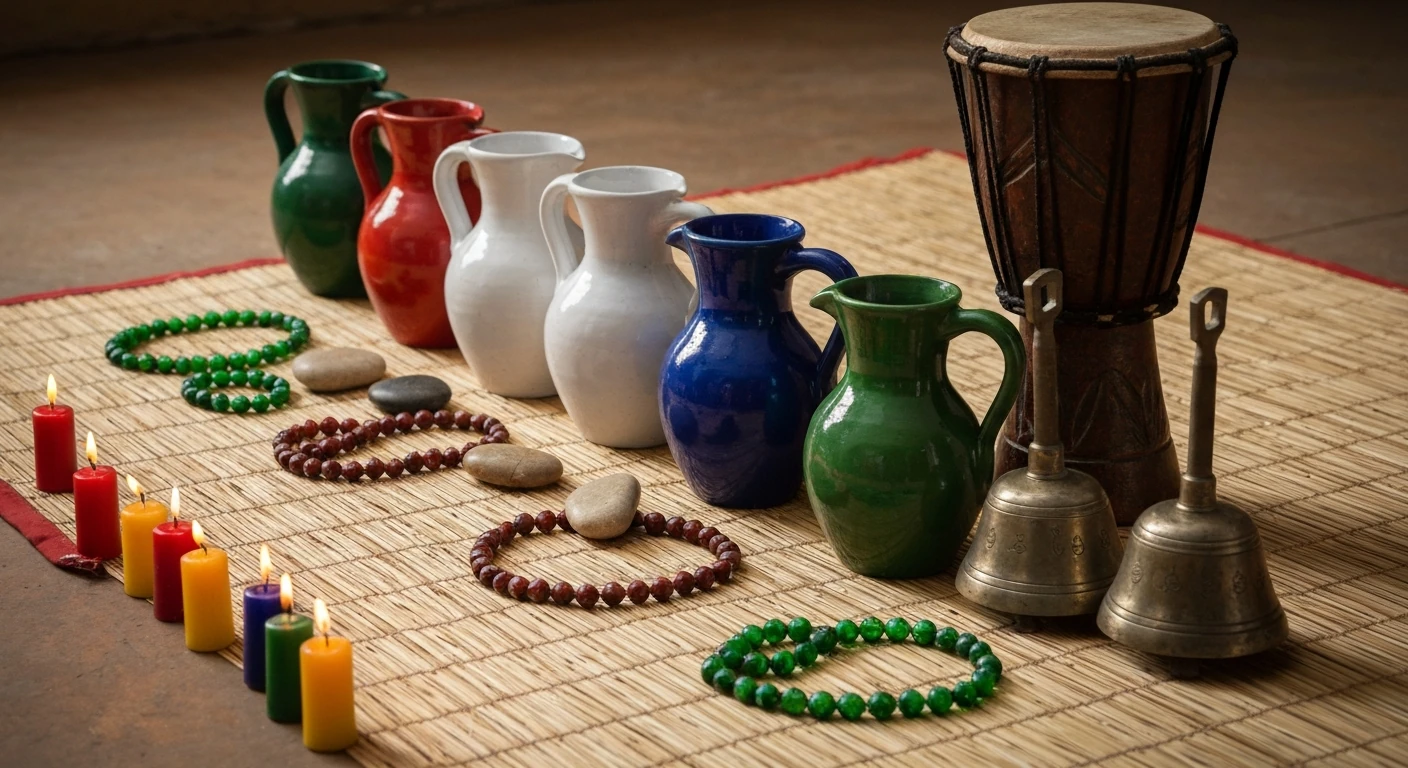
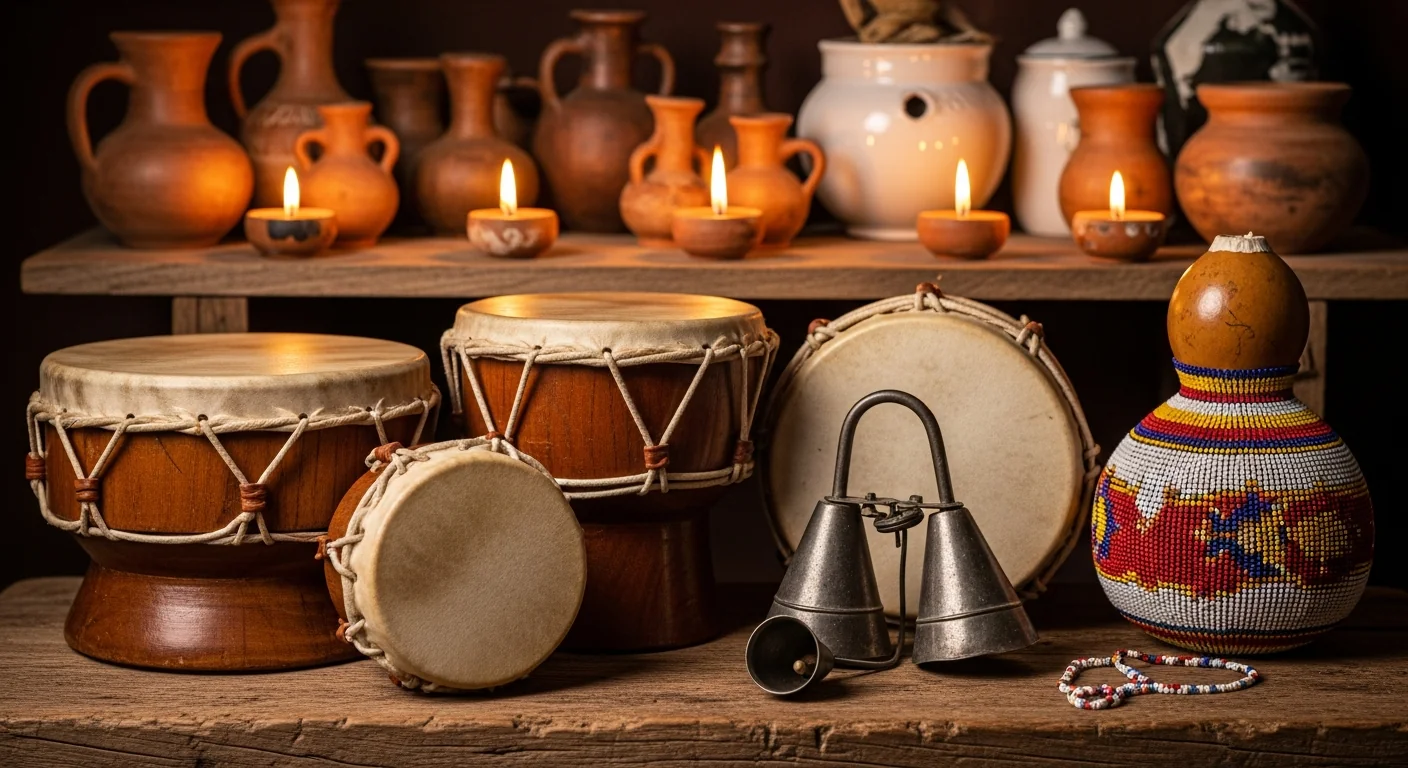
- Quartinhas and clay vessels: for assentamento and água do santo
- Colored candles: in the colors of each orixá of the Gaucho pantheon
- Alguidares and santo vessels: various sizes for offering and obrigação
- Dried herbs and incense: for cleaning the quarto de santo and the body
Visit our shop in Extrema, Minas Gerais or contact us on WhatsApp with delivery to all of Brazil.
To go deeper into the subject, it is worth reading the article “African religions in Rio Grande do Sul (Batuque)”, published in the Debates do NER magazine, from UFRGS.
References
- Wikipedia: entry “Batuque (religion)”
- Instituto Humanitas Unisinos (IHU): interview with anthropologist Norton Figueiredo Corrêa about Gaucho Batuque
- Revista Debates do NER (UFRGS): article “African religions in Rio Grande do Sul (Batuque)”