Purple / Violet Candle
Forgiveness, mourning, and ancestry under the regency of Nanã (Nana Buruku) Buruku, the grandmother of the orixás (orishas)
Purple / Violet Candle
7-day candle · stays lit for 7 days7 dias
Whoever seeks the purple candle is almost never in a common day. It appears when someone carries an old grudge, lost a loved one, or feels they have been repeating the same story for years. In Umbanda and Candomblé, this candle is called for slow ritual work: that in which nothing is resolved overnight, but the person gradually learns to let go.
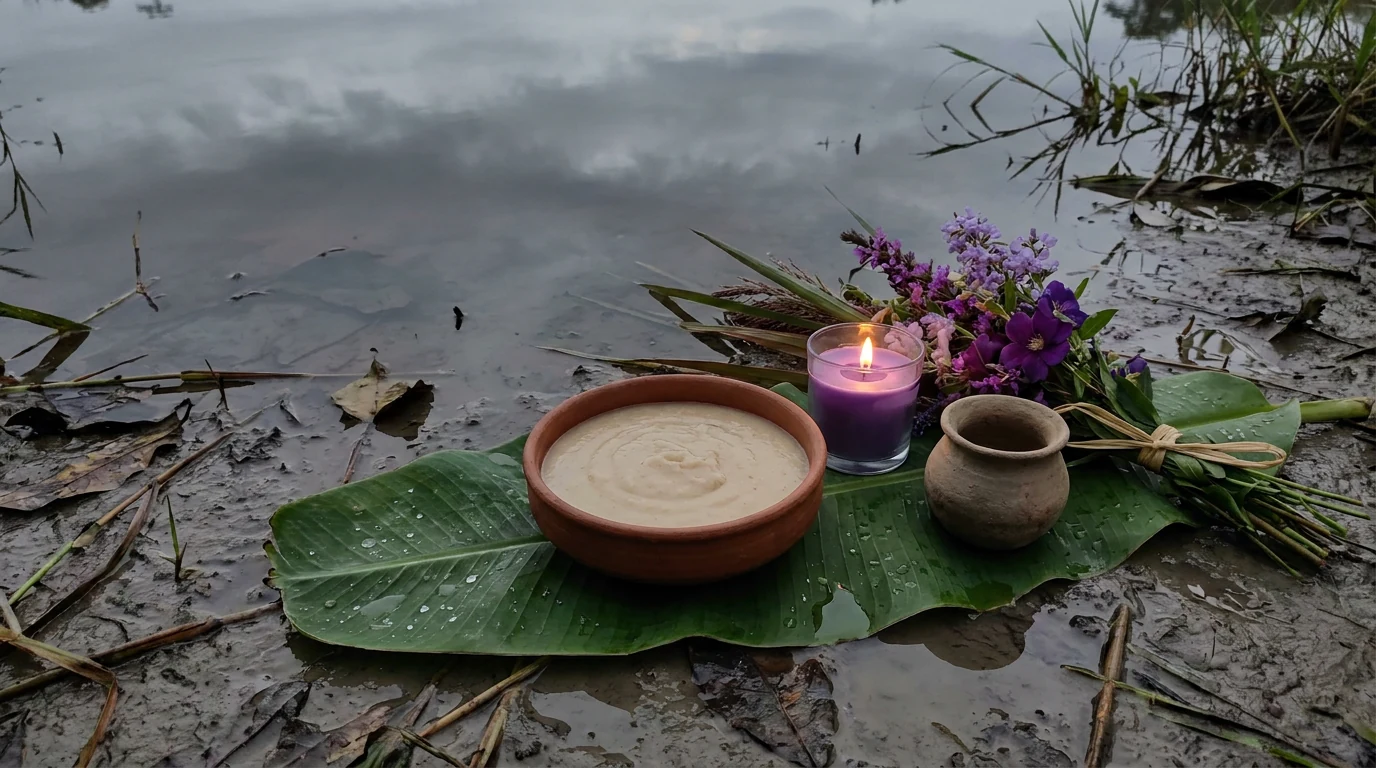
The foundation comes from Nanã Buruku, the grandmother of the orixás, lady of the mud from which Oxalá (Obatala) took the clay to make human beings. The mud guards and transforms: what enters it returns as good earth. Therefore, purple, the color of passage, stayed with her in Umbanda, along with lilac and white; in Candomblé, many houses dress her in white with navy blue. Houses diverge on her day: Monday is the most cited, and many Umbanda terreiros prefer Saturday. The firm date is July 26, the feast day of Saint Anne.
At home, the purple candle asks for quietude. It is not a party candle or for a rushed prayer request, and it also does not serve to send evil back to anyone. It works from within, in the time of the eldest. Lit in a calm corner, with water nearby, it helps to pray for those who have departed and to make peace with one's own past.
What is it for
What is the purpose of the Purple / Violet Candle
Purple is the deepest color of the altar. In the terreiro it belongs to Nanã, the oldest of the iabás, and the purple candle is lit to transform sorrow into acceptance, to honor the ancestors, to cross through mourning, and to let go of what has already weighed too much.
-
Letting go of sorrow and old resentment
When an offense from the past still hurts every time it comes to memory. The purple candle accompanies the effort to forgive, without pretending that nothing happened.
-
Crossing through mourning with serenity
Nanã receives those who depart and supports those who stay. On days of longing, lighting the purple candle with a prayer for the person who passed away helps to cry without despair.
-
Honoring grandparents and ancestors
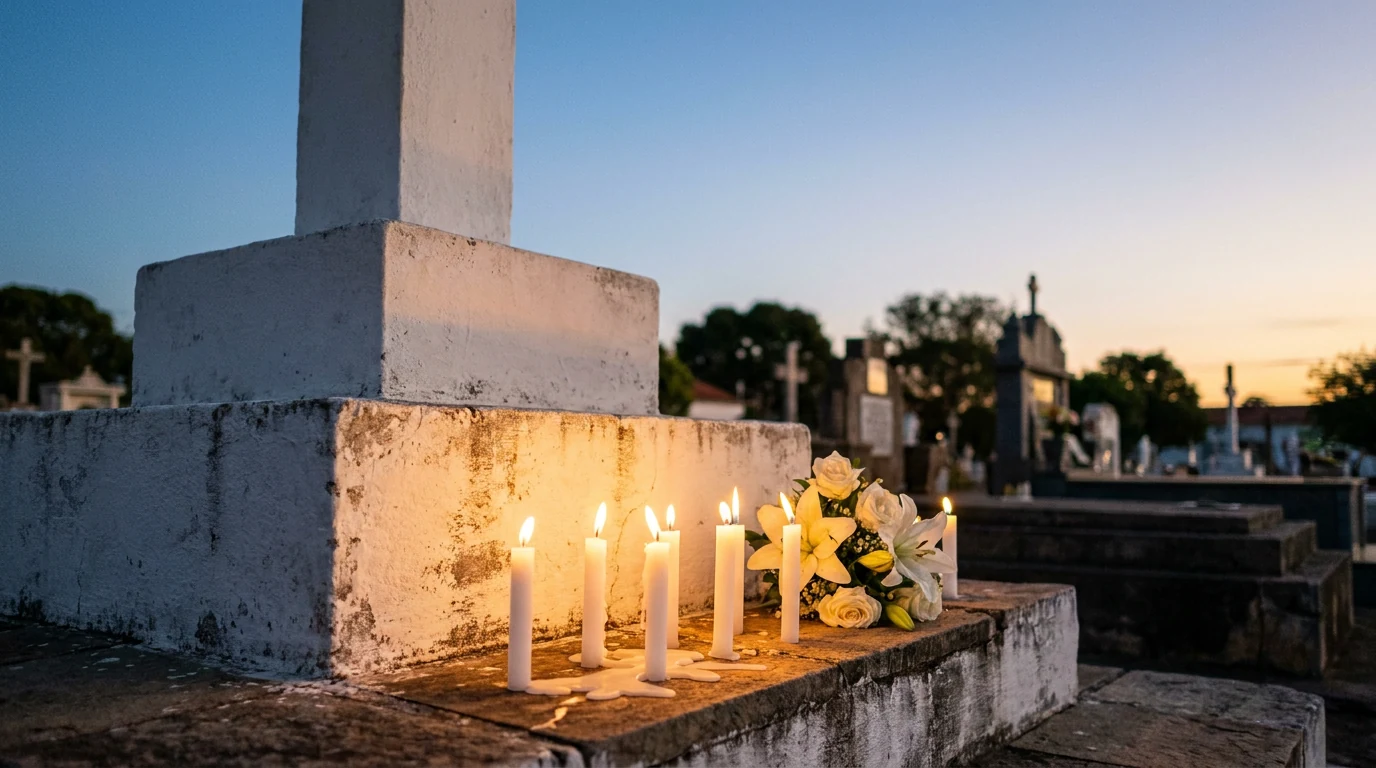
It is the candle of the elders of the family. Lit with the names of grandparents and great-grandparents, it thanks for the path they opened and asks that their wisdom continues with us.
-
Ending a cycle that repeats
For those who feel they have lived the same situation for years: the same type of relationship, the same fall. The candle marks the decision to change and asks for patience to sustain it.
-
Patience and judgment in difficult times
When the urge is to react on impulse, the purple candle invites waiting. Nanã teaches that everything has its season, and a decision made with calm usually weighs less.
Who rules this candle
Orixás and spirits of the Purple / Violet Candle
-

Nanã Buruku
Grandmother of the orixás, lady of the primordial mud
Nanã wears purple and lilac with white in Umbanda, and white with navy blue in many houses of Candomblé. Her ibiri, made of palm fiber and búzios, guards birth and death: hence the purple in requests for forgiveness, mourning, and ancestry.
Getting to know Nanã Buruku -

Obaluaê (Omulu)
Son of Nanã, lord of the earth and of healing
The colors of Obaluaê are black, white, and red, but some Umbanda houses light purple for him, as he is a son of Nanã and lord of transformation. It is not a general rule: ask your terreiro.
Know Obaluaê (Omulu)
Also settled for
- Pretos Velhos
- Linha das Almas
- Vovós of Aruanda
Prayer to light
Purple candle prayer to Nanã Buruku
“My grandmother Nanã, lady of the clay from where I came, I light this purple candle before you with my head bowed and my heart open. Receive what I can no longer carry: the sorrow I kept, the guilt I repeated, the longing that still tightens. Take to your mud what needs to die in me and return to me only what can turn into good soil. Teach me to wait for the right time of things, without haste and without despair. Cover with your mantle my ancestors, those I knew and those who came before, and may they rest in peace. May I leave this prayer lighter and wiser. Salubá Nanã!”Light the candle and pray
Step by step
How to consecrate the Purple / Violet Candle
- 1
Remove metal from the place
Nanã has quizila with metal in many houses. Use clay or ceramic saucers, remove knives, aluminum plates, and iron decorations from nearby and choose a low and quiet corner of the house.
- 2
Be silent before starting
Turn off the television and your cell phone for a few minutes. The purple candle asks for seclusion, and a prayer made with a head full of noise usually only goes halfway.
- 3
Write what you want to leave behind
On a piece of paper, write down the resentment you want to release or the names of the ancestors you want to honor. Fold the paper and place it under the saucer, never in contact with the flame.
- 4
Light it and greet the eldest
Light with a match, offer the candle to Nanã and say Salubá. Then pray the prayer and speak in your own words, slowly, like someone talking to their grandmother.
- 5
Let the candle finish on its own
Do not blow it out. If you need to leave, smother it with a saucer. When it finishes, the water goes into the soil of a pot and the paper can be buried or torn up and thrown away with the leftover wax.
Precautions before lighting
- A 7-day candle stays lit for a long time. Use a firm saucer, away from curtains and paper, and out of reach of children and animals.
- The purple candle is not for wishing harm on anyone nor for binding the will of another person. The ritual work of Nanã is forgiveness and passage.
- Offering, consecrated foundation (assentamento), and obligation for Nanã have foundations and change from house to house. This is up to the leader of your terreiro.
- Heavy mourning and sadness that does not pass deserve true care. The candle accompanies, but does not replace a doctor or the support of a health professional.
Ceromancy
What the flame of the Purple / Violet Candle shows
Traditional terreiro reading. Before interpreting, check if there is no wind, crooked wick, or poor quality candle.
- Good sign
Low, quiet, and constant flame
In Nanã's candle, a gentle flame is a good sign. Many houses read it as a prayer request accepted and ritual work following its rhythm, without haste and without resistance.
- Good sign
Candle that burns evenly until the end
It is usually read as a cycle closed with tranquility. It is the burning that is expected when the prayer request is for forgiveness and acceptance.
- Attention
Flame that crackles or releases sparks
Some houses understand that there was resistance, often from the one who made the request. It is worth praying again calmly and repeating the candle on the next day of Nanã that your house follows.
- Attention
A lot of wax dripped from only one side
It may indicate that one side of the matter still weighs more. Before any reading, check if the candle is straight and away from a draft.
- Observe
Flame that goes out in the middle of the burning
First look at the wick, wind, and quality of the candle. If everything is correct and it continues to happen, speak with a trusted terreiro.
Ritual bath and smoke cleansing (defumação)
Herbs that combine with the Purple / Violet Candle
-

Folha-de-Araçá
Psidium cattleianum
Nanã leaf by tradition. A warm ritual bath of araçá before lighting the candle helps to calm and prepare the body for the prayer of forgiveness.
See the herb -

Basil
Ocimum basilicum
Prefer the purple basil, linked to Nanã. A branch next to the saucer accompanies the candle, and the leaves can go into the ritual bath of the one who will pray.
See the herb -

Mal-Me-Quer / Margaridinha
Sphagneticola trilobata
Plant of Nanã and Oxum, with a yellow flower and a gentle way. Some flowers in a clay saucer near the candle make the corner more welcoming.
See the herb -

Lavender (alfazema)
Lavandula angustifolia
For mourning and nights of longing. A light smoke cleansing (defumação) of lavender in the bedroom, after the purple candle finishes, helps to sleep in peace.
See the herb
Virtual Candle
Light the Purple / Violet Candle now
Choose the type, write your request, and pay by PIX. The flame stays on the altar and you follow along through the link.
Place on the altarFrequently asked questions
Questions about the Purple / Violet Candle
Which orixá is the purple candle for?
It is for Nanã Buruku, the oldest of the iabás. In Umbanda she wears purple and lilac with white; in Candomblé, many houses use white with navy blue. Some Umbanda houses also light purple for Obaluaê, her son, and for the Linha das Almas, but the owner of the color is Nanã.
What is the difference between purple, violet, and lilac candles?
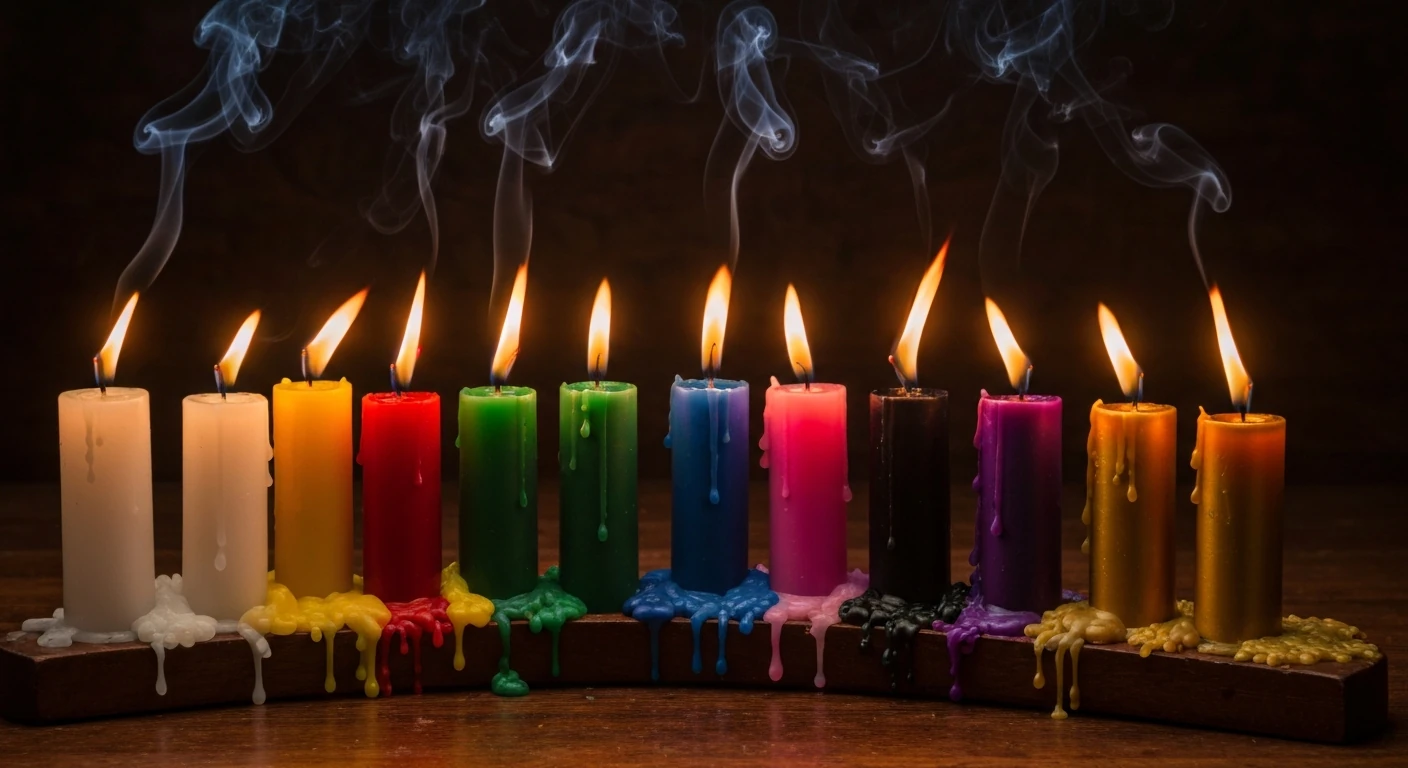
Purple and violet are usually sold as the same candle, and in the terreiro both go to Nanã. Lilac is the light tone, for consolation and gentle prayers. The violet flame of esotericism, linked to Saint Germain, is another tradition, with its own page here on the site.
What is the best day to light the purple candle?
Monday is the most cited day for Nanã, and many Umbanda houses use Saturday. Follow the custom of your terreiro. On July 26, the day of Saint Anne and of Nanã, the purple candle is lit in many houses as a tribute.
Can I light a purple candle at home?
You can, for prayer, forgiveness, and remembrance of the ancestors. Choose a calm corner, with clay or ceramic saucers and water nearby. Food offerings and the assentamento of Nanã are for the terreiro, under the guidance of its leader.
Can I blow out the purple candle before it finishes?
The ideal is to let it finish. If necessary, smother the flame with a saucer, without blowing, and relight it later with a match, repeating the greeting. Blowing is seen in many houses as undoing the prayer request.
Is the purple candle used to ask for the dead?
Yes, it works. Nanã is the lady of the passage and supports those who have left. Light it with the name of the person, ask that they move on in peace and pray for them. For the souls in general, many houses prefer the white candle.
What to do with the water and the leftover of the purple candle?
The water goes to the earth of a pot or the backyard, which is the realm of Nanã. The leftover wax can go into the common trash, wrapped in paper, along with the torn note. Wash the saucer before using it again.