Lilac Candle
Consolation, peaceful sleep, and the gentle wisdom of Nanã (Nana Buruku) for those crossing through pain
Lilac Candle
7-day candle · stays lit for 7 days7 dias
Whoever looks for the lilac candle is almost always going through a delicate moment: a recent loss, a night that does not end, a bedridden relative. It is a candle of a soft color, used in Umbanda and in many houses of Candomblé, that does not arrive to solve things in a hurry. It arrives to provide company, to lower the volume of thought, and to give a place for the pain to rest.
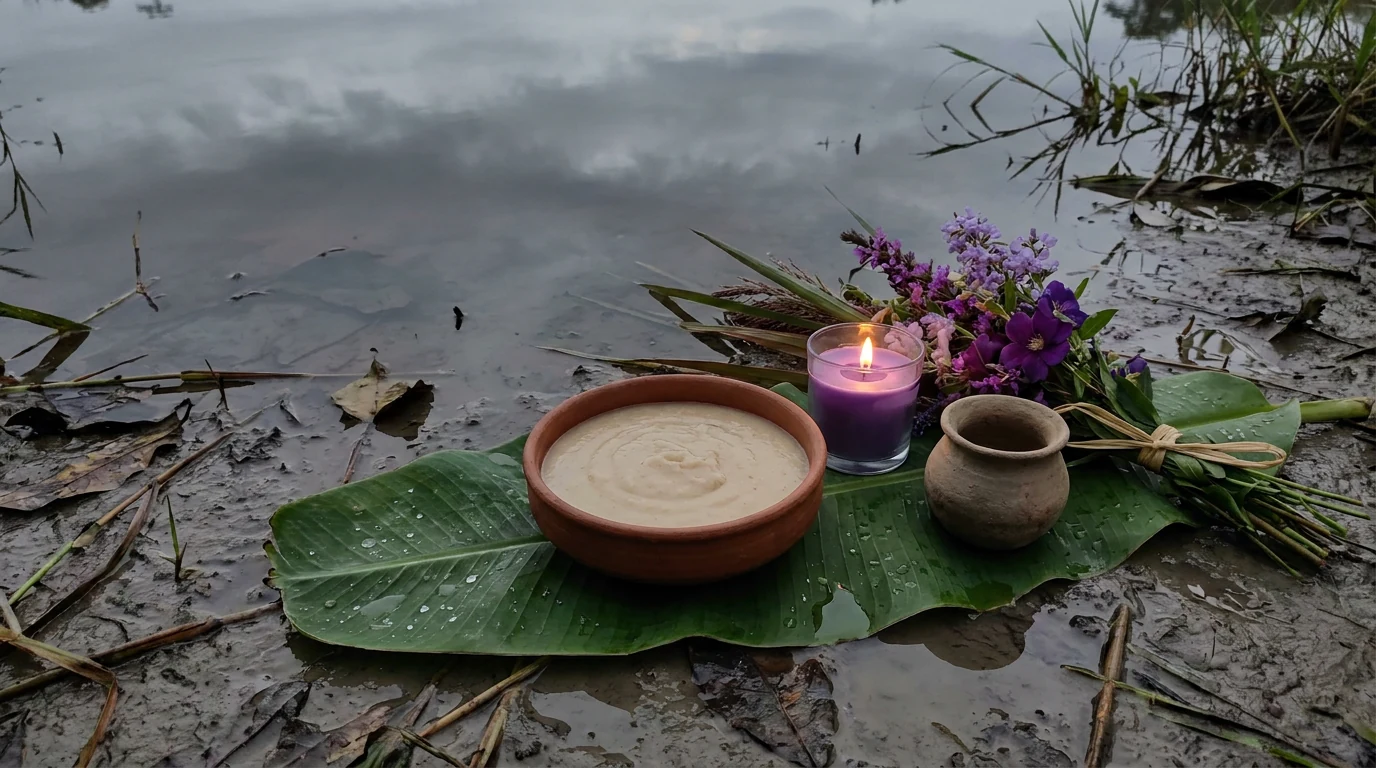
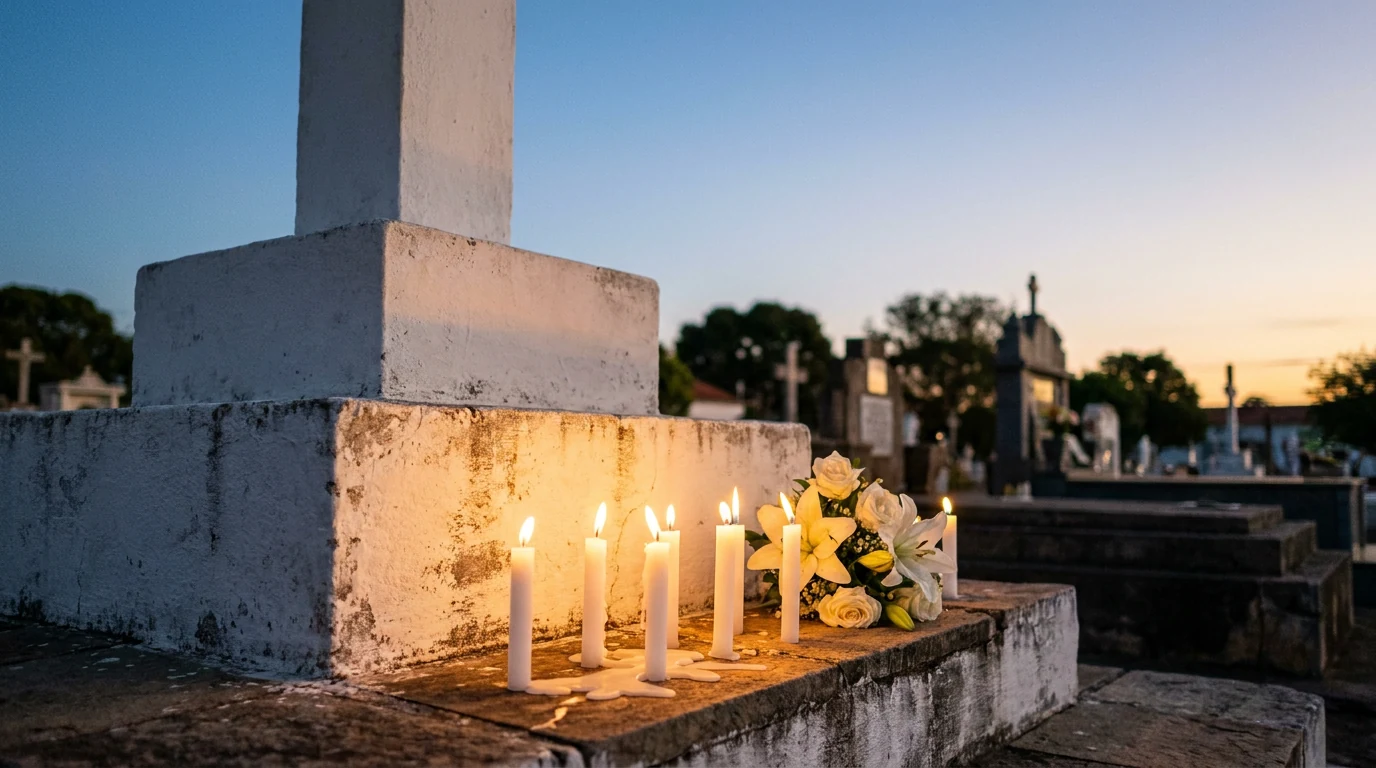
In the terreiro, purple and lilac are colors of Nanã, the oldest of the iabás, mistress of the mud from which the human being was modeled. Saturday is her day, and her greeting is Salubá. As Nanã guards the beginning and the end of life, the lilac candle appears in mourning, in the prayer for those who departed, and in the care of the elderly. Some Umbanda houses also offer her to Obaluaê and to the Pretas Velhas when the prayer request is for relief.
Inside the house she asks for little: a quiet corner, preferably the bedroom, and time without noise. It is not a candle to open a path or to cut a demanda, and whoever needs that will do better with the purple one or with other colors. Lilac works slowly, as Nanã likes, and helps the person accept what they cannot change.
What is it for
What is the Lilac Candle for
Lilac is the purple of Nanã softened by white. The lilac candle belongs to the grandmother of the orixás (orishas) and is lit to comfort those who lost someone, to calm an agitated mind, to ask for serene sleep, and to accompany with prayer those who are sick or already elderly.
-
Consolation in mourning
In the first days after a loss, light the lilac candle and talk to the one who left. It does not erase the longing, but gives the sadness a moment and a place to be felt.
-
Sleeping without a racing mind
For those who lie down and cannot switch off. A taper candle lit in the room half an hour before bed, with a short prayer, helps create the habit of ending the day with calm.
-
Prayer for those who are sick
When someone in the family is hospitalized or bedridden, the lilac candle carries the prayer for them. Say the full name of the person when lighting it and ask for relief, strength, and good medical care.
-
Protecting the elders of the house
Nanã is the grandmother and watches over the elderly. Light it on Saturday asking for health, patience, and a dignified aging for your parents, grandparents, or for those you care for daily.
-
Accepting what cannot be changed
In ending phases, such as separation, forced moving, or dismissal, the lilac helps to pray for acceptance. It does not change the fact, but helps you cross the moment with more serenity.
Who rules this candle
Orixás and spirits of the Lilac Candle
-

Nanã
Grandmother of the orixás, lady of the primordial mud
Lilac and white are the colors of Nanã; many houses add purple, and the bead necklaces bring navy blue. She guards the origin and the passage of life, has Saturday as her day, and receives the lilac candle in requests for comfort, patience, and wisdom.
Know Nanã -

Obaluaê
Lord of the earth and doctor of the orixás
His colors are black, white, and red, but several Umbanda houses accept lilac for Obaluaê, son of Nanã, when the prayer is for relief for a sick person. Confirm the custom of your house.
Know Obaluaê
Also settled for
- Pretas Velhas
- Linha das Almas
- Spiritual doctors
Prayer to light
Lilac candle prayer to Nanã, the grandmother who welcomes
“My grandmother Nanã, lady of the still waters and the mud from where I came, I light this lilac light and sit for a while by your side. Today I bring a pain that I do not know how to carry alone. Take it in your ancient hands and teach me to have your patience. Look over those who have already left this house and give them rest. Look over those who are sick and those who are aging, and let none of them be without care. Calm my head when the night arrives, so that I may sleep in peace. May I accept what I cannot change and have strength to care for what still depends on me. Salubá, Nanã!”Light the candle and pray
Step by step
How to consecrate the Lilac Candle
- 1
Prepare a corner of silence
The bedroom or a low table in a quiet room works well. Turn off the television and the cell phone for a few minutes: the Nanã candle asks for quiet, not an audience.
- 2
Wash your hands and calm your body
Wash your hands with cold water and take three deep breaths before picking up the candle. Someone who is very agitated can take a chamomile or lavender ritual bath beforehand.
- 3
Place the name under the saucer
If the prayer is for someone who is sick or who has already passed away, write the full name in pencil on a piece of paper and leave it under the saucer. This way the prayer has the right address.
- 4
Light it and speak with Nanã
Light it with a match, greet her with Salubá, and pray the prayer or speak in your own words. There is no rush with Nanã: stay for a few minutes looking at the flame before leaving.
- 5
Finish without blowing
Let the candle burn until the end. If you need to sleep or leave, smother the flame with a saucer. The water goes into the soil of a pot, and the leftover wax, wrapped, can go in the trash.
Precautions before lighting
- A lit candle in the bedroom requires attention: keep it away from the bed, curtain, and pillow, and never fall asleep with the flame without protection in a deep saucer or candlestick.
- The lilac candle is for consolation. Do not use it to try to hold onto someone who has passed away or to interfere with another person's will; that is not the path of Nanã.
- Obrigação for Nanã, consecrated foundation (assentamento), or a prayer for the passing of a deceased person have their own foundation and are done with the zelador of your terreiro, not at home.
- In the prayer for health, the candle accompanies the treatment and does not replace the doctor. Keep medications, consultations, and exams as they were instructed.
- Grief that does not ease with time, or insomnia that lasts for weeks, deserves professional mental health support. The candle can go along with this care.
Ceromancy
What the flame of the Lilac Candle shows
Traditional terreiro reading. Before interpreting, check if there is no wind, crooked wick, or poor quality candle.
- Good sign
Low, gentle, and constant flame
For the lilás candle, it is the ideal burn. Many houses read this calm flame as a sign that the prayer of consolation was welcomed without resistance.
- Observe
Wax that drips in tears
It is common in candles of mourning and longing. Some people read it as crying that needed to come out. There is nothing to fear: let the candle continue until the end.
- Attention
Flame that dances and crackles
It can show agitation in the environment or in the one who prayed. Check if there is wind, breathe, redo the prayer with more calm and repeat the candle on the following Saturday.
- Attention
Wick that drowns in the wax
Sometimes it is just the quality of the candle. If it happens again with good candles, it may indicate very heavy sadness, and it is worth talking to a trusted terreiro.
- Good sign
Clean saucer at the end of the burn
The candle burned completely without leaving soot. Many houses understand that the prayer followed its path and that the environment remained in peace after it.
Ritual bath and smoke cleansing (defumação)
Herbs that combine with the Lilás Candle
-

Lavender (alfazema)
Lavandula angustifolia
A small sprig next to the saucer perfumes the room and helps to slow down. A lavender ritual bath before lighting prepares for a prayer of peaceful sleep.
See the herb -

chamomile
Matricaria chamomilla
The herb of calm par excellence. A warm chamomile ritual bath before the lilás candle helps those with a tight chest from grief or anxiety.
See the herb -

Folha-de-Araçá
Psidium cattleianum
Leaf connected to Nanã. Some houses use the araçá ritual bath from the neck down before consecrating the lilac candle asking for patience and wisdom.
See the herb -

Mal-Me-Quer / Margaridinha
Sphagneticola trilobata
Flower that many houses offer to Nanã. Some flowers in a glass of water next to the candle make the corner more welcoming for the prayer.
See the herb
Virtual Candle
Light the Lilac Candle now
Choose the type, write your request, and pay by PIX. The flame stays on the altar and you follow along through the link.
Place on the altarFrequently asked questions
Questions about the Lilac Candle
Which orixá is the lilac candle for?
It is for Nanã, the grandmother of the orixás, who has purple and lilac as colors. In some Umbanda houses it is also offered to Obaluaê and to the Pretas Velhas when the prayer request is for relief and healing, but the main owner of the color is Nanã.
What is the difference between the lilac candle and the purple candle?
The purple one is more intense and usually enters into prayer requests for transformation and cutting of old patterns. The lilac one is the gentle version: it serves for consolation, sleep, mourning, and care for the sick and elderly. Both belong to Nanã.
What is the best day to light the lilac candle?
Saturday, which is the day of Nanã in most houses. For prayer for the souls, some prefer Monday. In recent mourning or on a difficult night, the candle can be lit on any day, without problem.
Can I light a lilac candle in the bedroom to sleep better?
You can, with care. Light it about thirty minutes before going to bed, say the prayer and, if you are going to sleep before it finishes, smother the flame with a saucer. Never leave the candle lit without supervision near the bed.
Can I light a lilac candle for someone who has already passed away?
You can, and it is a very common use. Write the person's name on a piece of paper under the saucer and ask Nanã to give them rest. A funeral rite with foundation, like the axexê of Candomblé, is performed by the house of the orixás (casa de santo).
Can I blow out the lilac candle and light it later?
The best thing is to let it burn until the end. If you need to interrupt, smother it with a saucer or a spoon, without blowing, and light it again later. Many houses understand that blowing disperses the prayer that was being made.
What to do with the leftover lilac candle?
The leftover wax goes into the common trash, wrapped in paper. The water from the cup can be poured onto the soil of a pot or a garden. Do not reuse the wax for another candle or the water for drinking.