Nanã (Nana Buruku) Buruquê Candle
The grandmother of the orixás (orishas) to release grievances, ask for patience, and care for the elderly
Nanã Buruquê Candle
7-day candle · stays lit for 7 days7 dias
Those who seek the Nanã Buruquê candle are almost always carrying something heavy and old: a family fight that was never resolved, a grief that does not close, a father or a grandmother who is aging. It is a votive candle, with the orixá's label, lit in Umbanda and by devotees of Candomblé when the prayer request is for deep calm and understanding, not for haste.
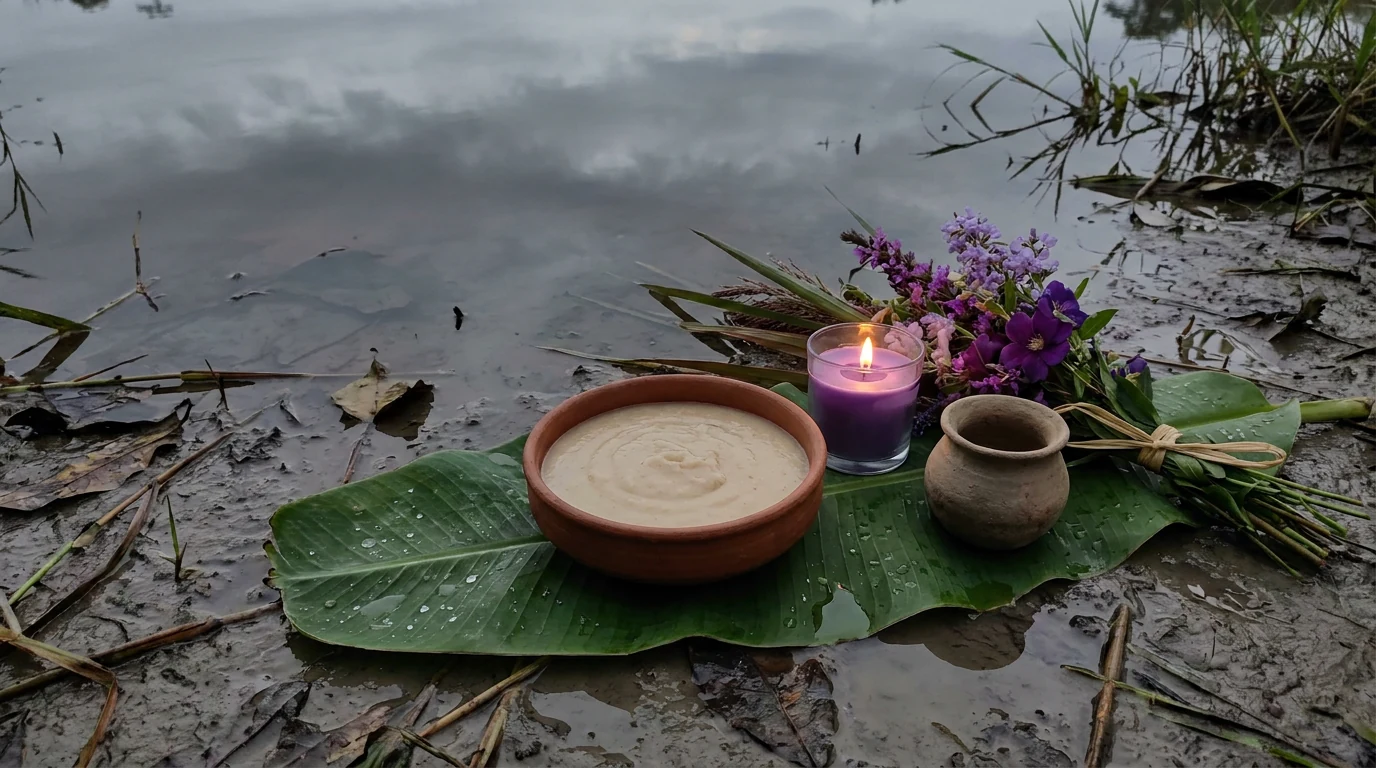
Nanã is the lady of mud and stagnant water, the clay from which, according to a widely told itan, Oxalá (Obatala) modeled the human being. For this reason, she guards the entrance and exit of life. She wears purple, lilac, and white, holds the ibiri, the curved palm fiber scepter decorated with búzios, and does not accept cutting metal in her worship. Saturday is the most common day in Umbanda, but Prandi records Monday and there are houses that use Tuesday.
Inside the house, she works like well water: what is murky settles at the bottom and the surface clears. Do not expect from the Nanã candle a quick cut of a demanda or a financial path opening. What she usually brings is acceptance, calmer sleep, and a more mature way of looking at what hurts.
What is it for
What is the purpose of the Nanã Buruquê Candle
Purple, lilac, or with the orixá label, the Nanã Buruquê candle is lit for the oldest of the iabás. It serves to settle old sorrows, ask for patience in a long wait, care for the family elders, and pray for those who have already left.
-
Settle old sorrows and resentments
When an old anger returns every time someone touches on the subject. Light it asking that the rancor sink to the bottom, like mud in still water, and that you can move on without it.
-
Protection for parents and elderly grandparents
Nanã is the matriarch and looks over those who have aged. Set the candle on Saturday asking for dignity, the patience of those who care, and an old age with less suffering for those you love.
-
Pray for those who have left
In the seventh day mass, on the death anniversary, or in a longing that tightens, the Nanã candle accompanies the prayer for the rest of those who have gone and helps the family cross through mourning.
-
Patience in a long wait
A process that does not move, a long treatment, an answer that does not arrive. The candle asks for Nanã's patience with time: to endure without despair and recognize the right time to act when it comes.
-
Wisdom before a big decision
Before moving cities, ending a marriage, or dividing an inheritance, light it and ask for a cool head and the experience of the eldest to see beyond the emotion of the moment.
Who rules this candle
Orixás and spirits of the Nanã Buruquê Candle
-

Nanã Buruquê
Grandmother of the orixás, lady of the mud and the clay
The candle is hers by the label and the colors: purple and lilac, almost always with white. Nanã rules the origin and the end of life, the memory of the ancestors and the resting water, and therefore she receives requests for calm, comfort, and wisdom.
Knowing Nanã Buruquê -

Obaluaê
Son of Nanã, lord of healing and the earth
According to the best known itan, Obaluaê is the son of Nanã, and many houses light the mother's candle along with his when the prayer is for a sick family member. He has his own colors, so confirm the custom with your terreiro.
Know Obaluaê
Prayer to light
Prayer of the Nanã Buruquê candle to the grandmother of the mud
“Grandmother Nanã, lady of the mud from which my body was taken, I light this candle and ask permission to sit before you. I bring with me things that I kept for too long: grievances that have already changed names, words I did not say, people who left without a goodbye. Let all of this sink to the bottom of your waters and rest there. Care for the elders of this family, give them health for the time they still have and give me patience to care for them. Receive with affection those who have already returned to your mud. Teach me to wait without bitterness and to decide without haste. May this flame stay lit slowly, the way you like it. Salubá, Nanã!”Light the candle and pray
Step by step
How to consecrate the Nanã Buruquê Candle
- 1
Remove metal from nearby
Nanã has a quizila with sharp metal. Move knives, scissors, and keys away from the candle's location and prefer a clay or smooth ceramic plate. It is respect for her fundamento, not superstition.
- 2
Choose a low and quiet corner
A low table, a corner of the room or of the congá, away from the busy kitchen and the television. Nanã's candle stays near the floor, which is the clay where she lives.
- 3
Hold the candle and state your request
With the candle in your hands, tell Nanã what is weighing on you, calmly and in full. She is the grandmother who listens to the whole story before answering, so do not summarize.
- 4
Light the candle, greet, and pray
Light with a match, say Salubá, Nanã, and perform the prayer. Place the glass of water beside it and, if you have them, the lilac flowers. Stay for a few minutes looking at the flame in silence.
- 5
Follow the seven days without blowing
Change the water halfway through the burning. Do not blow: if needed, smother it with a saucer. At the end, the water goes into the soil of a pot and the leftover wax, wrapped in paper, goes to the trash.
Precautions before lighting
- The 7-day candle stays lit day and night. Use a surface that does not burn, away from curtains, children, and animals, and never inside a closed cabinet.
- Quizila, obrigação, and assentamento of Nanã have their own fundamento and vary by nation. This is learned and done with the zelador of your terreiro, not alone.
- In a request for health for an elderly person or a sick person, the candle accompanies the treatment and never replaces it. Follow the guidance of the doctor who is accompanying the person.
- Nanã is the grandmother who welcomes. Do not use her candle to interfere with someone's will or to try to hold onto those who have already left; that is not her path.
Ceromancy
What the flame of the Nanã Buruquê Candle shows
Traditional terreiro reading. Before interpreting, check if there is no wind, crooked wick, or poor quality candle.
- Good sign
Low, gentle, and constant flame
It is the typical burning of Nanã: slow and without surprises. Many houses read this as a prayer request accepted and working in her time, which is slower than ours.
- Good sign
Clean glass until the end of the burning
In the 7-day candle, the cup that ends clear is usually read as a settled environment and resentment that settled without resistance throughout the week.
- Attention
Darkened glass or with soot
A sign that there was a lot of heavy material being worked. Wash the cup, pray again the following Saturday and, if it repeats, speak with a trusted terreiro.
- Attention
Flame that flickers and crackles a lot
Some houses read this as suppressed emotion coming to the surface in the person who lit it. Check for drafts and, if everything is calm, pray again more slowly and take care of your own pain.
- Observe
Flame that goes out in the middle of the week
First check for a drowned wick, wind, and the quality of the candle. If everything is correct, relight with a match, redo the prayer request calmly and let it finish.
Ritual bath and smoke cleansing (defumação)
Herbs that combine with the Nanã Buruquê Candle
-

Folha-de-Araçá
Psidium cattleianum
The quintessential leaf of Nanã. A warm araçá ritual bath from the neck down, before lighting, helps to release sorrow and arrive calmer at the prayer.
See the herb -

Macela / Marcela
Achyrocline satureioides
An herb of delicacy, linked to Nanã and Oxalá. A handful in a glass of water next to the candle accompanies requests for peaceful sleep and a serene head.
See the herb -

Capim Rosário / Lágrimas de N. Sra.
Coix lacryma-jobi
The seeds, called tears of Our Lady, are an offering to Nanã. A small rosary of them around the plate firms the prayer for the elders.
See the herb -

Amora
Morus nigra
A leaf of Nanã due to the connection with maturity and the cycle of life. Some leaves on the plate, along with the candle, accompany requests for the women of the family.
See the herb
Virtual Candle
Light the Nanã Buruquê Candle now
Choose the type, write your request, and pay by PIX. The flame stays on the altar and you follow along through the link.
Place on the altarFrequently asked questions
Questions about the Nanã Buruquê Candle
What is the color of the Nanã Buruquê candle?
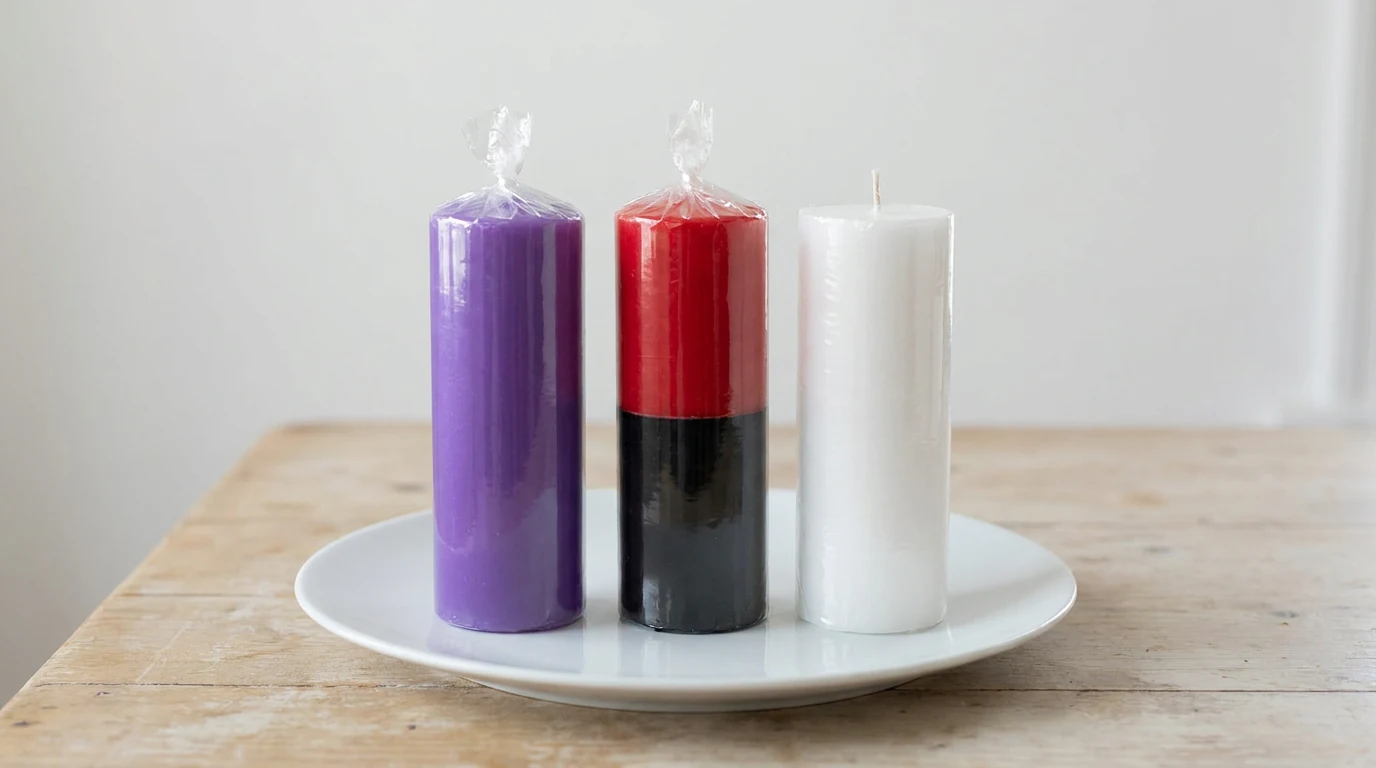
Purple and lilac are the colors of Nanã, almost always accompanied by white, and some houses include blue. The votive candle with her label already comes in the correct color. In the absence of that, a lilac or a white one consecrated to her is also well received.
What is the best day to light Nanã's candle?
In Umbanda, Saturday is the most common. Reginaldo Prandi records Monday, and there are terreiros that use Tuesday, so follow your house if you attend one. July 26, of Sant'Ana in syncretism, is the date when many people light her candle.
Why can't metal be used on Nanã's candle?
Because Nanã has a quizila with cutting metal. Tradition links this to a cult prior to iron and a dispute with Ogum (Ogun). Out of respect, the candle goes on a clay or ceramic plate, without a knife or scissors nearby. The details of the precept vary between houses.
Can I light Nanã's candle inside the house?
You can. It is a candle of calm and welcome, which combines with a quiet corner of the house or with the congá. It only requires fire safety, because the 7-day candle stays lit continuously. Nanã's obrigação and assentamento, however, are left to the terreiro.
Can I blow out Nanã's candle and light it again?
The ideal is to let the burning continue until the end, at its own rhythm. If necessary, smother the flame with a saucer, without blowing, and relight it with a match as soon as possible, restating the request. Blowing is understood in many houses as undoing the prayer.
What is the difference between Nanã's candle and a lilac candle?
The lilac candle is just the color, and can be offered to Nanã, Obaluaê, or the Pretas Velhas. Nanã's candle is already born consecrated to the orixá, with her label, and serves when you want to honor the grandmother of the orixás with more foundation and clear intention.
What to do with the leftovers of Nanã's candle?
The water from the cup goes to the soil of a pot or a garden, which is Nanã's clay. The remaining wax can go into the common trash, wrapped in paper. The glass cup can be washed and reused, except for drinking.