Orange and White Candle
The strength of Obá with the calm of Oxalá (Obatala), to start over and maintain discipline
Orange and White Candle
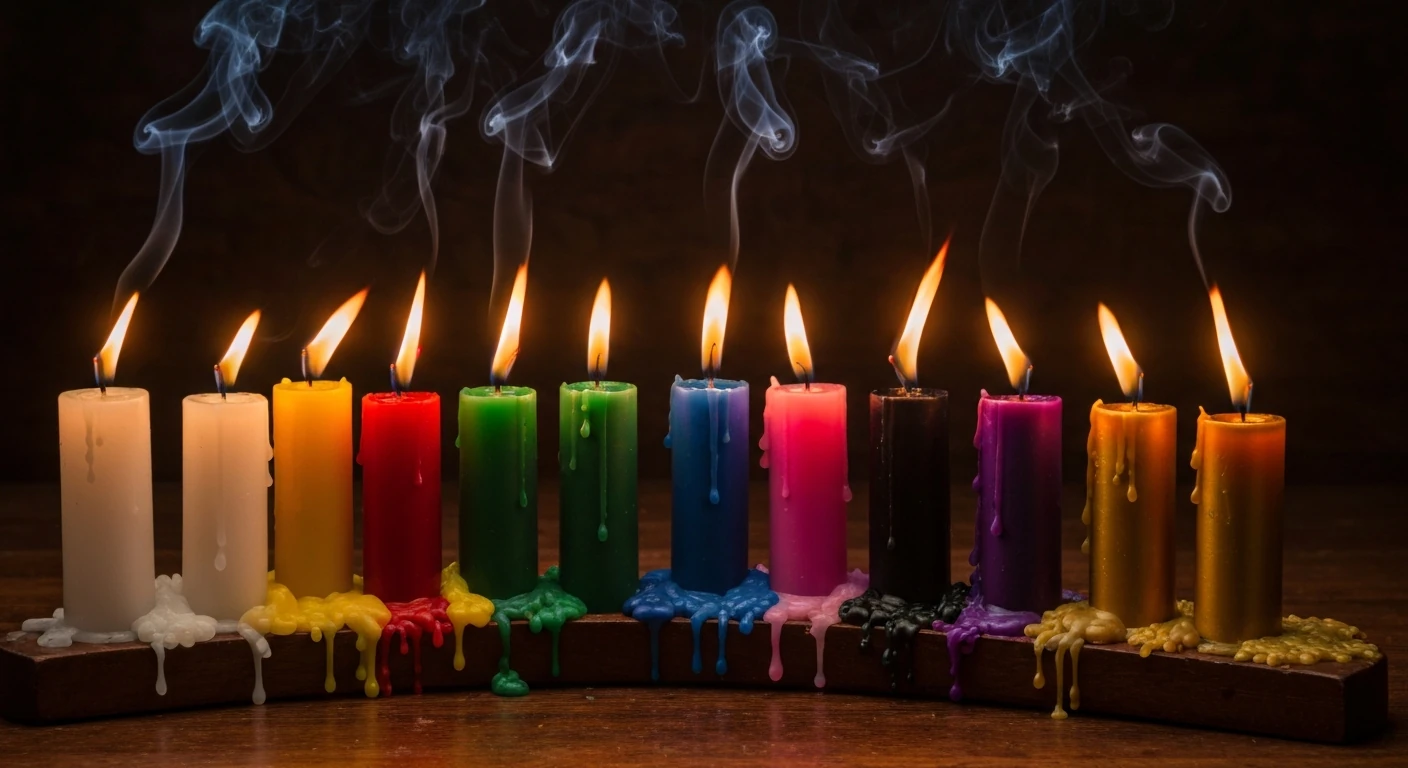
7-day candle · stays lit for 7 days7 dias
Whoever seeks the orange and white candle is almost always in the middle of a turning point. A relationship that ended, a course that needs to be finished, a routine that went off track and needs to get back on course. The orange half brings spirit and courage; the white half keeps the head in place so that this courage does not turn into impulse. It is a candle for the beginning of a chapter, more than for an end.
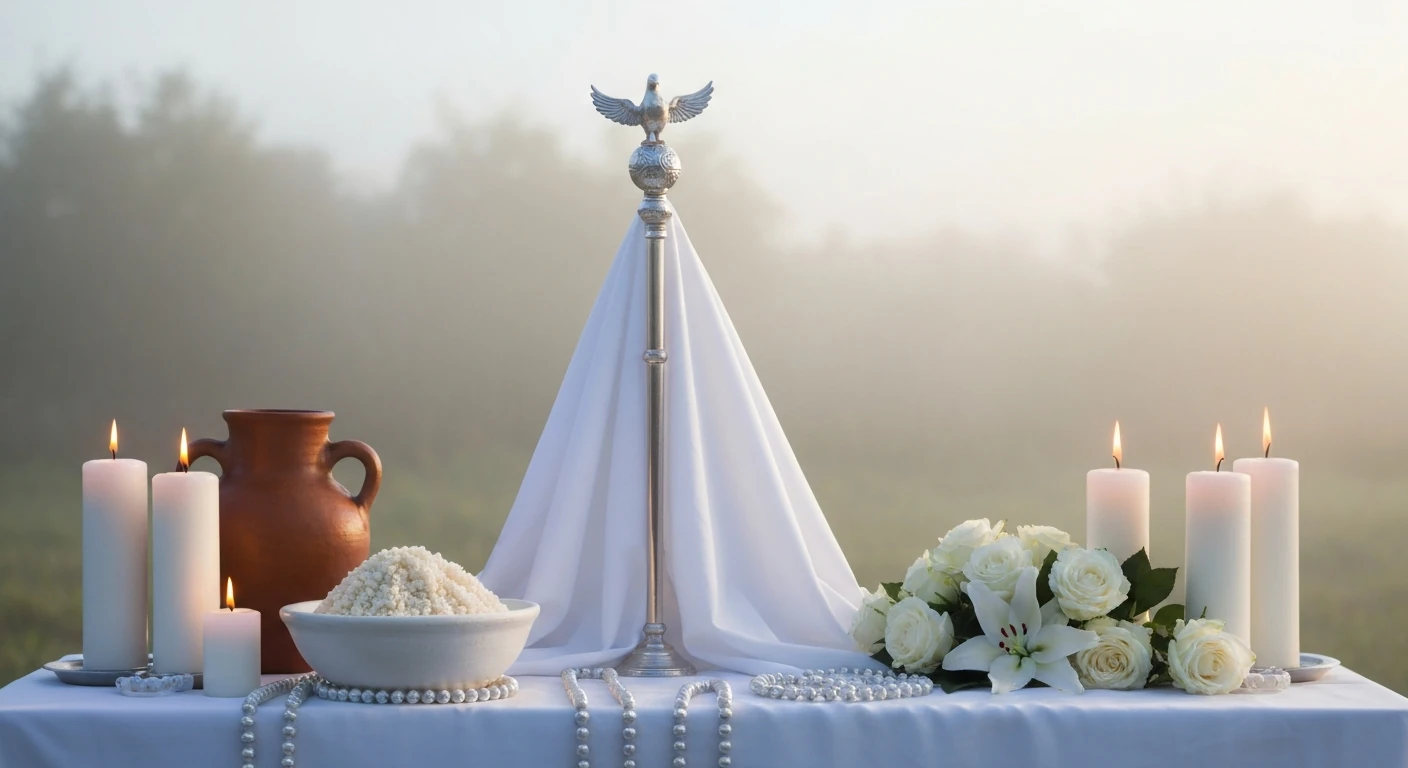
The foundation joins two orixás (orishas) that some traditions place as father and daughter. Obá, the warrior of the turbulent waters, is greeted on Wednesdays and receives orange in many houses of Umbanda, although her most cited colors are red and yellow. Oxalá, who wears white, responds for Friday, for peace and for faith. This bicolor is more of a custom of Umbanda and of shops than a bead necklace (fio de contas) of Candomblé, and the terreiros diverge on the day: each house lights it according to the regent who weighs more in the request.
At home it works as a lit commitment. It does not cut spiritual attacks (demanda), it does not attract love, and it does not do the work for you. What is requested of it is constancy: getting up on time, returning to study, crossing the mourning of a separation without losing yourself. The flame only reminds you, every day, of the agreement you made.
What is it for
What is the Orange and White Candle for
The orange and white candle puts the warrior orange of Obá and the white of Oxalá side by side. It is lit to start over after an end, to gain discipline in study and work, and to have courage without losing serenity.
-
Starting over after a breakup
When the relationship ended and the house felt strange, light this candle to ask for the strength of Obá and the calm of Oxalá. It accompanies the crossing, without promising anyone's return.
-
Focus to study and not give up
For exam season, public exams, entrance exams, or a late thesis. Leave the flame lit near the study table and use its time to work without a cell phone nearby.
-
Courage without losing your head
Before a difficult conversation with a boss, family, or an ex. The orange gives the strength to speak, and the white helps to choose the words and not respond with anger.
-
Returning to routine after a stagnant phase
After long vacations, unemployment, or a period of sadness, the candle marks the day to start over. Combine it with a small list of tasks and complete the first one immediately.
-
Strength of the woman who walks alone
Obá protects the woman who works and supports her own life. This candle is lit by those who need respect and strength, with Oxalá covering the head to decide with clarity.
Who rules this candle
Orixás and spirits of the Orange and White Candle
-
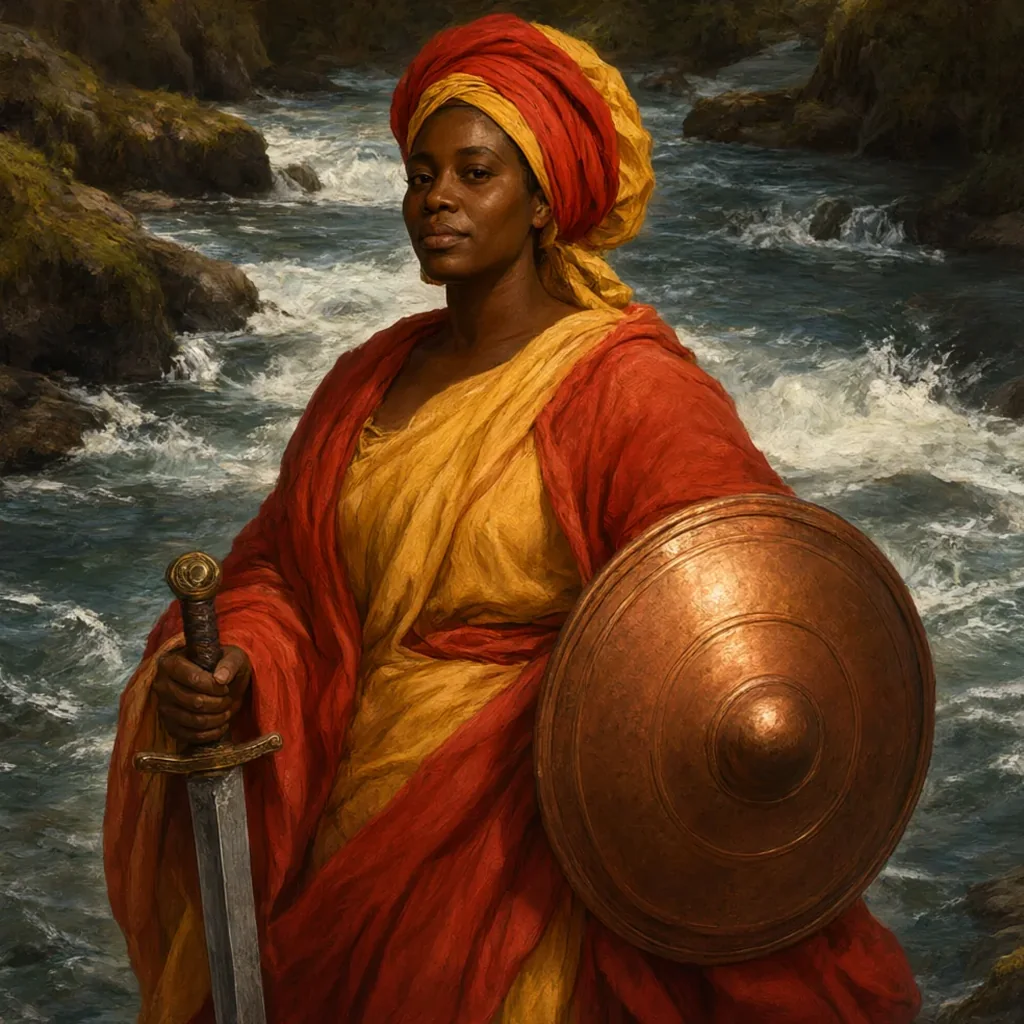
Obá
Warrior of the turbulent waters
In many Umbanda houses, orange is given to Obá, who is worshipped on Wednesdays; others prefer red and yellow for her. Owner of the shield and feminine courage, she enters this candle as the part that rises, faces, and starts over after loss.
Knowing Obá -

Oxalá
Father of creation, lord of peace
Oxalá wears white and rules Friday. In some traditions, he is the father of Obá, and here he moderates the daughter's fire: he gives patience, judgment, and faith so that courage has direction and does not turn into a fight.
Know Oxalá
Also settled for
- Warrior Caboclas
- Baianas
- Pretos Velhos
- Guardian Angel prayer
Prayer to light
Prayer of the orange and white candle to Obá and Oxalá
“Mother Obá, who crossed the pain and returned standing to the waters, I light this light asking for your strength. I am starting over and sometimes I lack ground. Give me your shield for the days when I want to go back, and your discipline to fulfill what I promised to myself. Father Oxalá, lord of the white cloth, put your hand over my head. May the courage I ask not make me hard, and may the calm I seek not leave me still. Teach me to wait without giving up and to act without rushing. May this flame stay lit inside me when the candle ends. Obá Xirê! Epa Babá!”Light the candle and pray
Step by step
How to consecrate the Orange and White Candle
- 1
Write what will begin again
Before lighting, write down a concrete and possible goal on a piece of paper: finish a chapter, go to the gym three times, do not contact your ex. A vague request gives a vague flame.
- 2
Arrange a visible corner
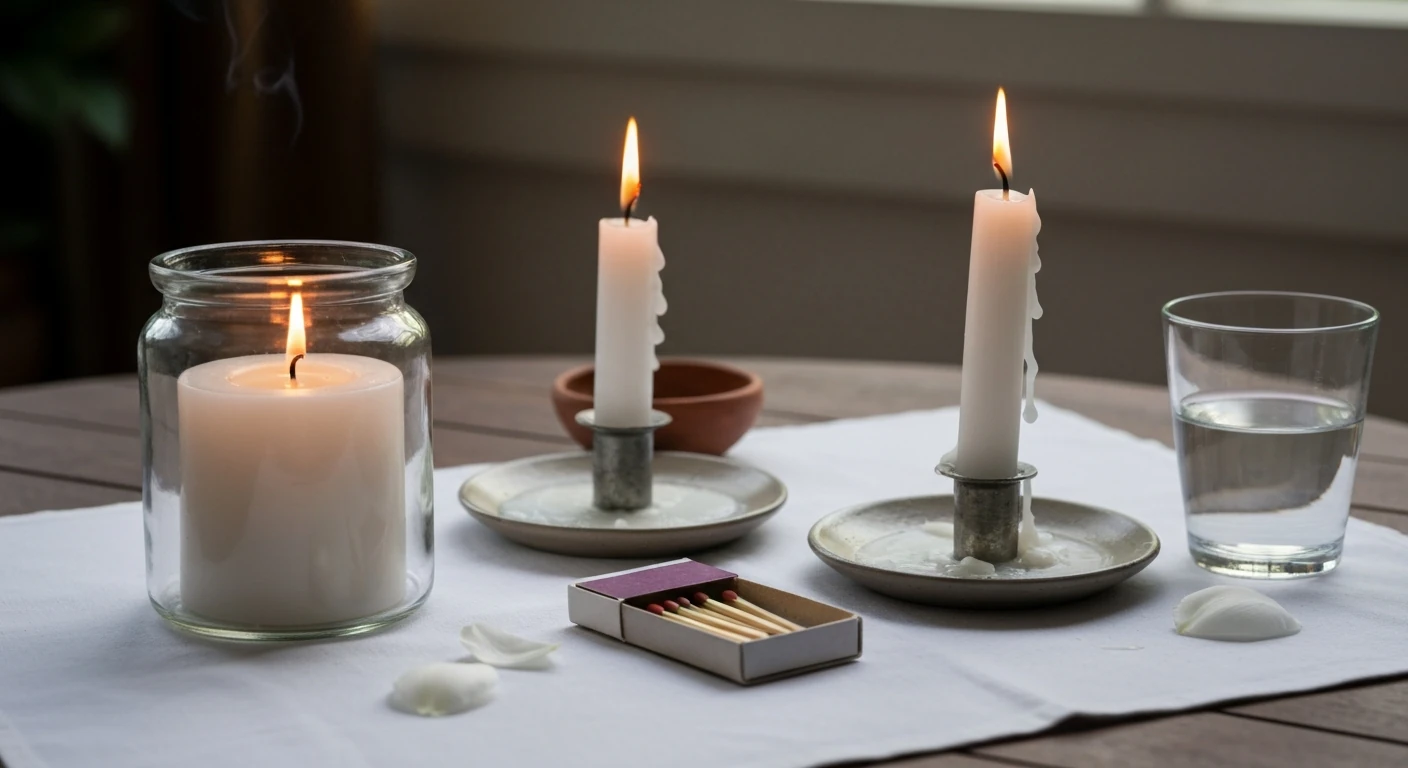
Place the saucer on a firm surface in the room where you study or work, away from curtains. The folded paper stays under the saucer, and the glass of water next to it.
- 3
Pass the candle through your hands
Hold the candle by the base and slide your hands up to the wick, thinking first of the courage you need and then of the peace you want to maintain. The two halves ask for the two intentions.
- 4
Light and offer to the two colors
Strike the match, light it, and say that the candle is for Obá and for Oxalá, or for the regent that your house indicates. Say the prayer in a low voice and start the first task immediately.
- 5
Finish without blowing
Let the candle burn until the end. If you need to leave, smother it with a spoon. When it finishes, the water goes into a plant pot, the wrapped wax goes to the trash, and you keep the paper until you fulfill the goal.
Precautions before lighting
- Lit candle only with someone nearby, over ceramic, and away from fabric, loose paper, children, and animals. To leave the house, smother the flame with a spoon.
- Deep sadness after a separation, long insomnia, or the desire to disappear require health care. The candle accompanies, but does not replace a doctor or psychologist.
- Obá has little open worship and her own foundation. Assentamento, obrigação, or offering for her is a matter for the zelador of your terreiro, not for a home candle.
- This candle is for your strength. Do not light it to make someone return, to ward off a rival, or to hinder the path of another person.
Ceromancy
What the flame of the Orange and White Candle shows
Traditional terreiro reading. Before interpreting, check if there is no wind, crooked wick, or poor quality candle.
- Good sign
Firm flame that does not flicker
Many houses read the stable flame as a well settled request: courage and calm are in agreement. It is a good sign for someone starting something new that week.
- Good sign
Clear brightness, almost white in the center
It is usually read as the presence of the peace of Oxalá over the request. A sign that the decision is being made with a cool head, and not in the heat of anger.
- Attention
Flame that jumps and crackles a lot
It may point to anxiety or haste from the one who lit it. Breathe, review if the written goal is realistic and, if necessary, relight another day with a simpler request.
- Attention
Orange wax dripping over the white
Some houses read it as impulse passing over judgment. It is worth slowing down before acting. If the feeling of confusion continues, seek a trusted terreiro.
- Observe
Candle that goes out in the middle
First look at the wick, the open window, and the quality of the candle. If everything is correct, light it again calmly and repeat the prayer without jumping to hasty conclusions.
Ritual bath and smoke cleansing (defumação)
Herbs that combine with the Orange and White Candle
-

Orange leaf
Citrus sinensis
Orange tree leaf in a warm ritual bath before lighting calms those who are sad about the end of a cycle, and the dry bark serves as a light smoke cleansing in the room.
See the herb -

Rosemary
Rosmarinus officinalis
Herb of Oxalá and of memory. A branch next to the plate helps those who light the candle to study and need to maintain focus for hours on end.
See the herb -

lemon balm / Capim-Cidreira
Melissa officinalis
A tea or a lemon balm ritual bath the night before leaves sleep more peaceful, to wake up ready and to set the candle early without agitation.
See the herb
Virtual Candle
Light the Orange and White Candle now
Choose the type, write your request, and pay by PIX. The flame stays on the altar and you follow along through the link.
Place on the altarFrequently asked questions
Questions about the Orange and White Candle
Which orixá is the orange and white candle for?
Of Obá and of Oxalá: the orange goes to Obá in many houses of Umbanda and the white is of Oxalá. The combination is a custom of Umbanda and of religious items shops, not a traditional thread of Candomblé. If your house links orange to Iansã (Oya), follow the guidance from there.
What is the best day to light the orange and white candle?
Wednesday, when the prayer request is for courage and new beginnings, because it is the day of Obá. Friday, when the weight is on peace and faith, because it is the day of Oxalá. For study and routine, the morning is the most used time.
Does the orange and white candle help to forget an ex?
It helps you cross the end with strength and calm, which is different from erasing someone from memory. It is a candle for your own new beginning. It is not for bringing the person back or for pushing them away by force.
Can I blow out the orange and white candle and light it again?
You can smother it with a spoon or a saucer, never blow. Many houses understand the breath as undoing the request with your own breath. Light it again when you return, preferably on the same day, and repeat the prayer.
What is the difference between the orange candle and the orange and white one?
Orange alone is a push: spirit, creativity, getting out of laziness. With the white of Oxalá, the request gains a brake and direction. Choose the bicolor when courage needs to come with patience, such as in a separation or a study routine.
What to do with the leftover wax from the orange and white candle?
Wrap the remaining wax in paper and throw it in the common trash. Wash the saucer, pour the water from the cup into the soil of a pot, and keep the paper with the goal until it is fulfilled. Do not reuse the stub for another request.
Can I light an orange and white candle at home without being from the terreiro?
You can. Asking for courage and calm from Obá and Oxalá with a candle is a simple prayer, within reach of any respectful person. What requires a terreiro and its leader is the worship with foundation, such as obligation and assentamento.