Candle of Obá (Oba)
Loyalty, warrior woman courage, and steadfastness to start over with the shield of Obá
Candle of Obá
7-day candle · stays lit for 7 days7 dias
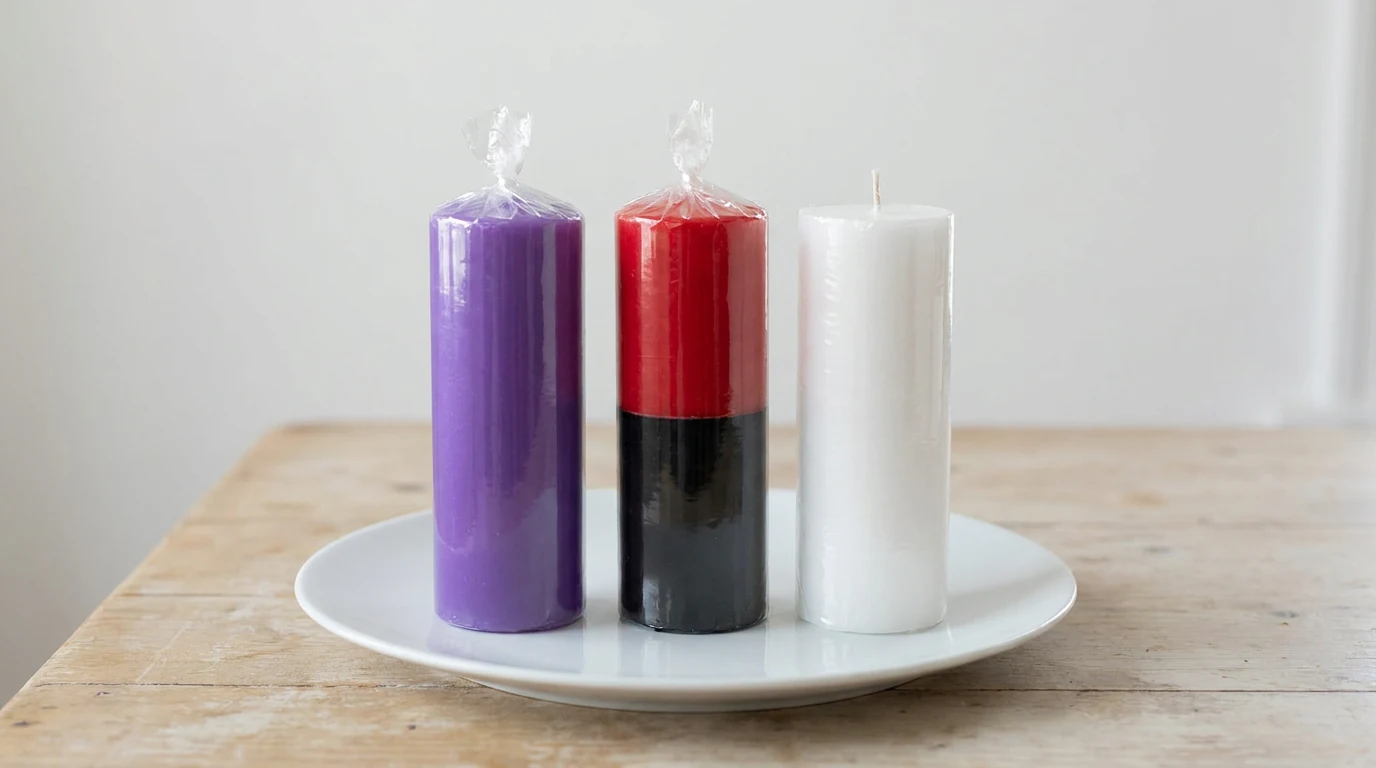
Those who seek the Obá candle almost never arrive by chance. Generally, it is a woman who held the house alone, who was passed over at work, or who left a love leaving a piece of herself along the path. The votive candle, with the orixá (orisha) label and the division between red and orange, is lit at home and at the congá by those who want to consecrate Obá by name, and not just by color.
Obá is the orixá of the waters that do not stay quiet: rapids, strong waterfalls, the point where the river hits the stone and foams. She carries a shield, sword, and ofá, and the most told itan about her, recorded by Reginaldo Prandi, speaks of the ear cut off for love of Xangô (Shango) after a false advice from Oxum (Oshun). The lesson is not to suffer in silence: it is to never again be extinguished for anyone. In Umbanda she is usually greeted on Wednesday, a day she shares with Xangô.
At home, this candle demands posture. It is not for binding anyone's will, nor for winning back someone who left, nor for taking revenge on a rival. What it sustains is your own integrity: word kept, head held high, and courage to do what needs to be done, even with a heart still wounded.
What is it for
What is the purpose of the Obá Candle
The Obá candle features the orixá label and her warm colors, red with orange. It is lit to request courage, firmeza in commitments, respect at work, and strength to get back up after a disappointment, always under the protection of the warrior's shield.
-
Getting back up after a disappointment
When the end of a relationship left you feeling lost, Obá is remembered as the one who rebuilt herself alone. The candle helps you cross the mourning of love without begging for anyone's return.
-
Protection against backstabbing and falsehood
For those who distrust a colleague, friend, or relative who smiles to your face and plots behind your back. Obá's shield is requested to see the deception in time and not fall for it.
-
Respect in the work that is yours
Obá watches over the woman who works hard and does not receive the proper value. Light it before a difficult conversation with the boss, an interview, or when demanding what is rightfully yours.
-
Steadfastness to keep your word
She is the orixá of loyalty taken seriously. The candle is lit by those who have taken on a heavy commitment, such as a business, family care, or a promise, and want strength to honor it.
-
Grit in a test of endurance
Competitive exams, night college, long shifts, home renovations. In the phases where it is necessary to hold firm for weeks, Obá's flame reminds you that tiredness is not defeat.
Who rules this candle
Orixás and spirits of the Obá Candle
-
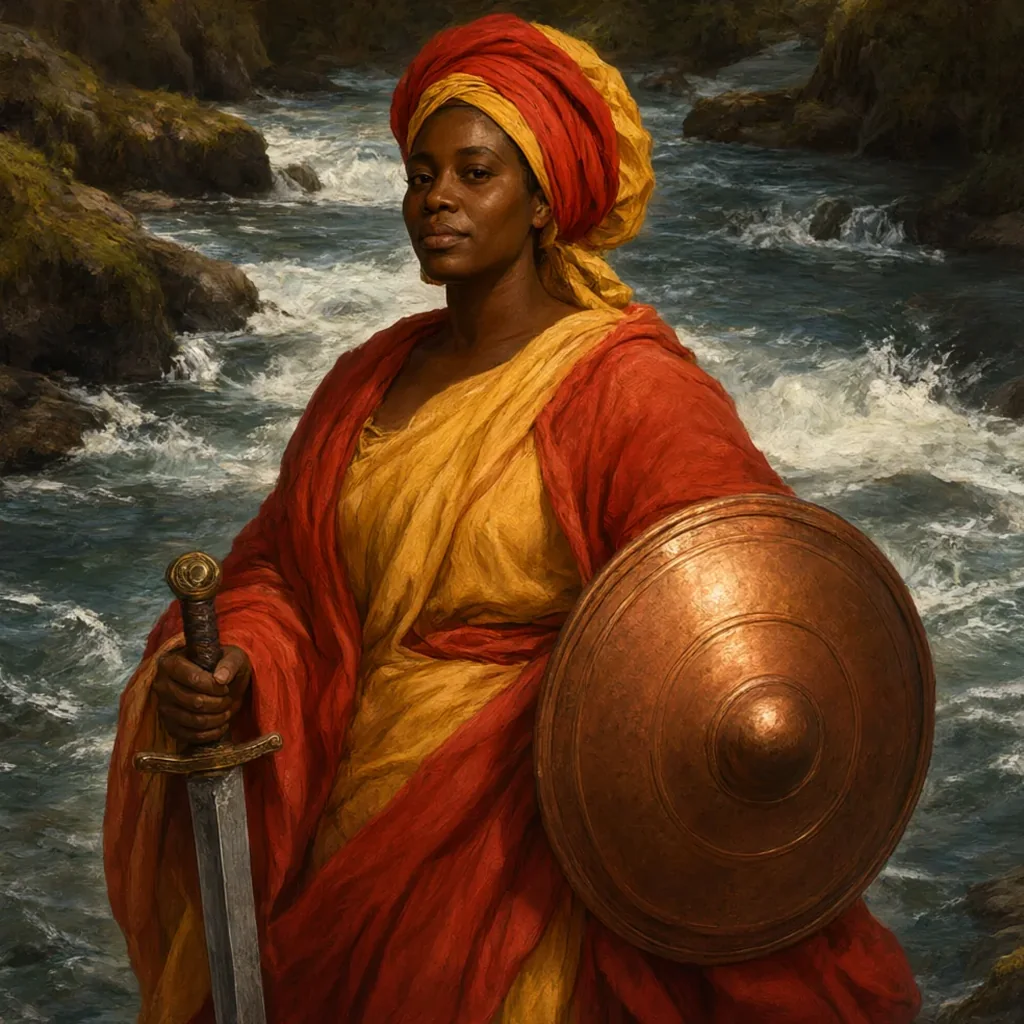
Obá
Warrior of the shield and the wild waters
The candle bears the label of Obá and the red with orange, an echo of the yellow cited in many houses; some use red and white, and in Batuque her color is pink. From her come loyalty and the feminine strength that fights.
Knowing Obá -

Xangô
King of Oyó, lord of fire and justice
Obá was the third wife of Xangô and, in Umbanda, the two are usually remembered on Wednesday. For this reason, many houses ask for permission from Xangô when the candle of Obá involves justice, a contract, or a right to defend.
Know Xangô
Prayer to light
Prayer of the Obá candle to the warrior of the wild waters
“Mother Obá, lady of the shield and the ofá, look at this flame that I light with firm hands. I have already diminished myself to fit into the place that others chose for me, and today I ask for your strength to never do that again. Put your shield between me and those who want to deceive me. Give my word the weight of your loyalty, so that I may fulfill what I promised and collect what is owed to me without fear. If I cry, let it be like your river, which cries running and does not stop. May I emerge from this phase whole, with my head held high, with my heart whole again. Obá Xirê!”Light the candle and pray
Step by step
How to consecrate the Obá Candle
- 1
Set it on a Wednesday
Choose Wednesday, the day when Obá is greeted in most Umbanda houses. If your terreiro uses another day, follow your terreiro, because the foundation of the house comes first.
- 2
Write what you want to sustain
On the paper, write the prayer request in one sentence, speaking of yourself and not of another person: courage to leave, strength to finish the exam, respect at work. Fold it and place it under the plate.
- 3
Assemble the plate with water and leaves
The candle goes in the center of the plate, the glass of water to the side, and the bay leaves around. The water reminds of the river of Obá and receives the weight that you will be leaving in the flame during the seven days.
- 4
Light it while standing and say her name
Obá is a warrior and her candle asks for posture. Stand up, light it with a match, say that the candle is for Obá, and say the prayer. Then speak of the prayer request with your own words, without bargaining.
- 5
Extinguish without blowing out the flame
Let the candle burn until the end. If you need to leave, smother it with a lid and relight it upon your return. The water goes to the earth, the leaves and the leftover wax go to the trash wrapped up, and the paper can be burned.
Precautions before lighting
- The 7-day candle stays lit day and night: place it in a deep plate, away from curtains, paper, and out of reach of children and animals, and never directly on a wooden shelf.
- Obá is not an orixá of revenge or of forced bonds. Do not light this candle to separate a couple, bind someone, or harm a rival; that is not her strength.
- Assentamento, obrigação, and riverbank offerings for Obá follow the foundation of the house. This is for the zelador of your terreiro, and a house candle is not a substitute.
- An offering at the waterfall is done with care for nature: no glass, plastic, or lit candle left in the woods. Take back what is not food.
Ceromancy
What the flame of the Obá Candle shows
Traditional terreiro reading. Before interpreting, check if there is no wind, crooked wick, or poor quality candle.
- Good sign
High and straight flame, without flickering
Many houses read a steady flame as a sign that the prayer request has a base and was well received. This is what is expected from a warrior's candle in a room without a draft.
- Attention
Sparks and crackles in the wick
Some read the crackles as a fight around the prayer request, people talking, or a dispute in the path. Reinforce the prayer, stay attentive to who comments on your life, and keep the candle lit.
- Attention
Wax running only to one side
A wax tear on one side only is usually read as pending business. Think about what remained unresolved in the situation and, if necessary, redo the firmeza on the following Wednesday.
- Good sign
Clean bottom of the glass at the end
In the 7-day candle, the cup that ends clear, without thick soot, is read as a peaceful burning. The prayer request proceeded and the environment was not charged.
- Observe
Candle that goes out before its time
First look at the wick, the wind, and the quality of the candle. If everything is correct and this repeats, it is worth talking to the zelador of a trusted terreiro before insisting.
Ritual bath and smoke cleansing (defumação)
Herbs that combine with the Obá Candle
-

Pepper tree (aroeira)
Schinus terebinthifolius
Leaf of defense and of cutting, linked to the warriors. A branch next to the plate or a ritual bath of aroeira before lighting the candle strengthens the prayer request for protection against falsehood.
See the herb -

bay leaf
Laurus nobilis
Leaf of Xangô and of conquest. The dry leaves around the Obá candle accompany requests for respect at work and for resolve to keep one's word.
See the herb -

cinnamon
Cinnamomum verum
A cinnamon stick on the plate brings warmth to the firmeza. It combines with the Obá candle when what is missing is the spirit to start fighting again after a fall.
See the herb
Virtual Candle
Light the Obá Candle now
Choose the type, write your request, and pay by PIX. The flame stays on the altar and you follow along through the link.
Place on the altarFrequently asked questions
Questions about the Obá Candle
What is the Obá candle for?
It serves to ask for courage, steadfastness in commitments, and protection against falsehood. It is lit by many women who want respect at work or who need to rebuild themselves after a romantic disappointment. It is not a candle to bring someone back: the focus is on your own strength.
What is the day to light the Obá candle?
Wednesday is the most common day in Umbanda, the same as Xangô. Some houses and nations use another day, and in Batuque there are Monday and Wednesday houses, with the greeting Exó instead of Obá Xirê. If you attend a terreiro, the correct day is the one your zelador indicates.
What is the difference between the Obá candle and the Iansã (Oya) candle?
Obá is the turbulent water of the rivers and loyalty; Iansã is the wind, the lightning, and change, and also cares for the éguns. Both are warriors and sisters in myth, but they are not the same orixá. A request for reconstruction and steadiness goes to Obá; for a sudden turn and cleansing, to Iansã.
Can I blow out the Obá candle and light it again?
You can, as long as you do not blow on it. Smother it with a lid or a saucer and light it again when you return, preferably saying again who the candle is for. The ideal, especially for the 7 day candle, is that it burns completely in a safe place.
What to do with the leftover wax and the cup from the 7-day candle?
The leftover wax goes into the common trash, wrapped in paper. The glass cup can be washed and reused at home, but not for another candle ritual. The water that remained next to it goes into the soil of a pot or the backyard.
Can someone who is not from a terreiro light a candle for Obá at home?
Yes. The home candle is a prayer, and anyone can ask Obá for strength with respect. What stays inside the terreiro is the assentamento, the obrigação, and the offering of foundation, which need a zelador.
Is Obá an orixá of love or of war?
Both things, but not in the way one might imagine. Obá fights, carries a shield and sword, and her myth is born from a love that came at a high price. Therefore, she is requested by those who want to love without losing themselves, and not to conquer someone by force.