Joia Mística Laroyê
PT

Erê candle

Joy, protection of children, and lightness in the home with the Ibejada, the line of the Erês

Erê candle

7-day candle · stays lit for 7 days7 dias

Candle size

The 7-day candle stays lit for 7 days, without stopping.

PIX instantly. The candle is lit as soon as the payment is received.

Question? Talk to us on WhatsApp

Faith and intention

What is the meaning of lighting a virtual candle?

Whoever lights a candle never lights just wax and wick. They light a prayer request. The flame is the visible sign of something happening inside: the person stops, thinks of those they love, of what they need, of what they want to thank for, and delivers that to the sacred. That is why, in terreiros and in churches, it is said that what matters is the intention.

With the virtual candle, it is the same thing. You choose the candle carefully, write your prayer request in your own words, make your offering, and light it. Each step is a gesture of faith, and faith does not depend on the material of the candle. It is in you, at the moment you decide to light it and trust.

The candle stays lit on the altar for the time you chose, and you can return to look at the flame, pray again, and renew the prayer request. For those who live far away, cannot have fire at home, or need support in the rush of the day, it is a way to keep the flame of devotion burning.


  • Step 1: Write the prayer request in your own words
  • Step 2: Make your offering
  • Step 3: Light with faith and trust
Light the Erê Candle

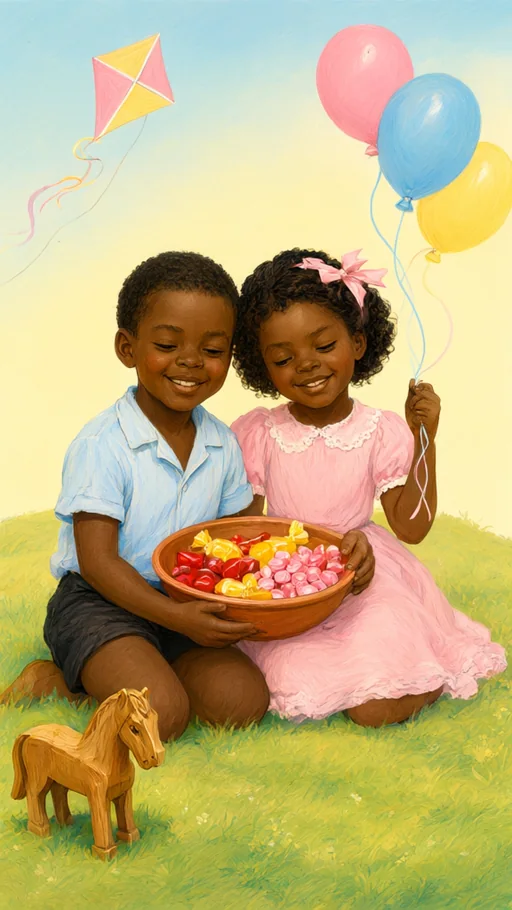
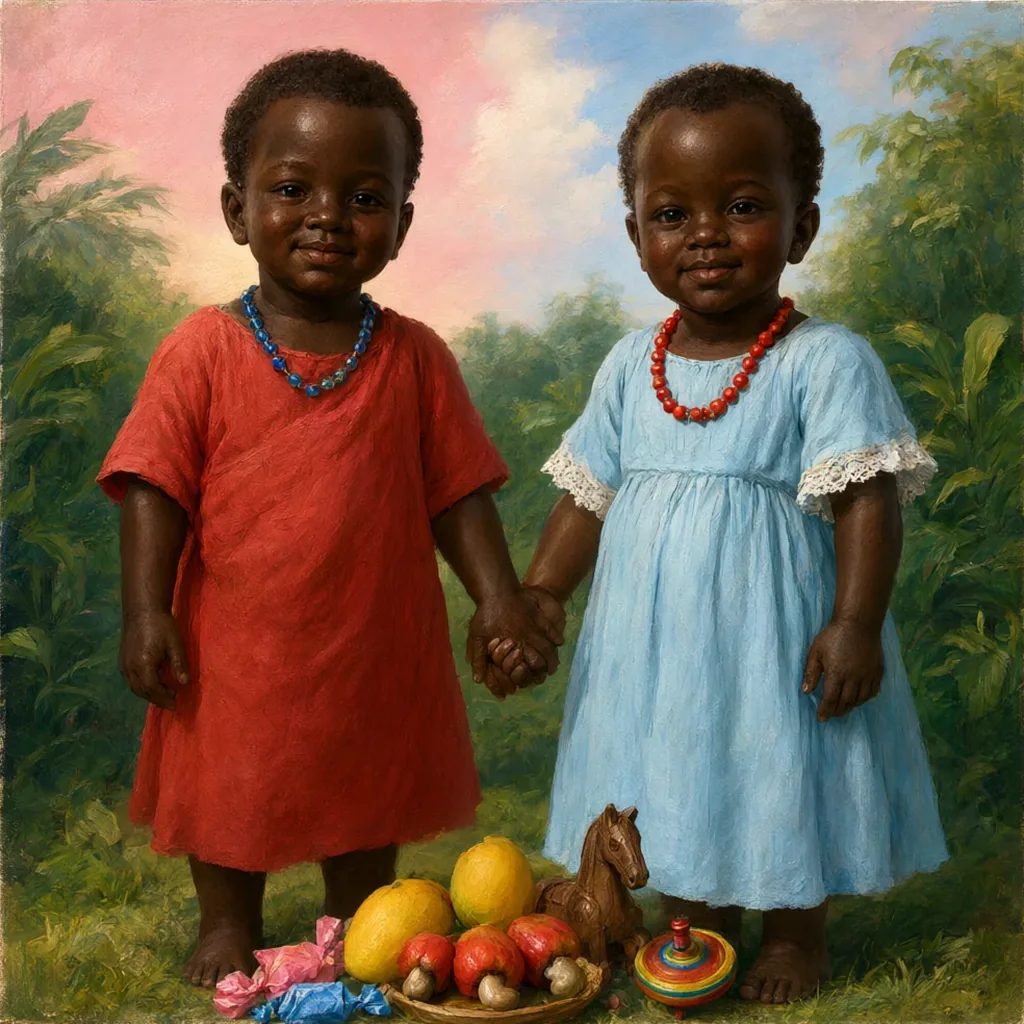
The Erê candle is the candle of the Children's line, the Ibejada of Umbanda, and not of a specific erê with a name. It comes divided in pink and light blue, the two colors that houses most use in bead necklaces and in the candles of the Erês. It is for those who want to please the Children of their house, thank for a prayer request granted, or call joy back to a home that became heavy.

In Umbanda, the Erês are spirits who descend in the gira with a child's manner: they ask for sweets, play on the ground and, in the middle of the play, bless and advise. The line works under Ibeji, the twin orixás (orishas), and many houses also remember Oxum (Oshun). Sunday is the most cited day of the week and September 27 is the big festival. In Candomblé, the word erê has another meaning: it is the infantile state linked to the orixá of the initiate.

At home, the candle asks for sweets, water with sugar and a light heart. It is not a candle for demanda or for binding anyone, and it does not replace the gira of the Children, where the Erês truly work. It is also not the candle of Exu (Eshu) Mirim, which is of the left and receives another color and another liturgy.

What is it for

What is the Erê Candle for

The Erê candle is pink and light blue, the colors of the Children's line. It is lit for the Ibejada of Umbanda, under the regency of Ibeji, and serves to ask for joy at home, protection of the little ones, lightness in the heart and reconciliation.

  • Bring joy back home

    When the house became sad, silent or full of demands, the Children's candle asks for laughter, conversation at the table and the desire to stay together.

  • Protect the children and grandchildren

    For the child who is going to change schools, the baby who just arrived or the grandchild who lives far away. Ask the Ibejada to accompany the steps of the little ones.

  • Making peace after a fight

    A child fights and the next minute is playing again. The candle asks for this lightness for siblings, a couple or friends who drifted apart over nonsense.

  • Lightness for the adult heart

    For those who walk too seriously, tired or without joy in life. The Erês teach how to laugh again and to look at the problem with simpler eyes.

  • Thanking a prayer request to the Children

    A prayer request made in the gira of the Children is usually paid with shared sweets and a lit candle. It is the traditional way to say thank you to the Ibejada.

Who rules this candle

Orixás and spirits of the Erê Candle

  • Illustration of Erês (Ibejada) in sacred art

    Erês (Ibejada)

    The Children of Umbanda

    The candle is for the entire line: it goes to the Erês who work in your house or who play around you, even without a known name. Pink and light blue are the colors that Umbanda most gives to the Children in bead necklaces and in candles.

  • Illustration of Ibeji in sacred art

    Ibeji

    The twin orixás of childhood

    The Ibejada works under the regency of Ibeji, the sacred twins of Yoruba origin that syncretism brought close to Cosme and Damião. Sunday and the September festival that the candle accompanies belong to them.

    Know Ibeji
  • Illustration of Oxum in sacred art

    Oxum

    Sweet mother of the waters

    Many houses place the tenderness of the Iabás next to the line of the Children, and the most told itan says that Oxum created the twins. Therefore, the Erê candle stays near her in prayer requests for care with children.

    Know Oxum

Also settled for

  • Ibejada
  • Cosme, Damião and Doum
  • Pedrinho da Mata
  • Mariazinha da Praia
  • Crispim da Cachoeira
  • Ritinha

Prayer to light

Candle prayer of Erê for the children of Umbanda

“Hail the Children! Erês of my house, boys and girls of the Ibejada, come see the pink and blue candle that I lit for you. I left sweets, water with sugar and a bit of my laughter, which was walking hidden. Play around me and take away the sadness that weighed on my shoulders. Take care of the children of my family, from school until bedtime. Where there is fighting, bring play; where there is tiredness, bring the will to live. Ibeji, sacred twins, bless this house with the purity of those who still believe. I promise to take care of the child I was and of those who cross my path. Hail the Ibejada!”
Light the candle and pray

Step by step

How to consecrate the Erê Candle

  1. 1

    Choose a bright and low corner

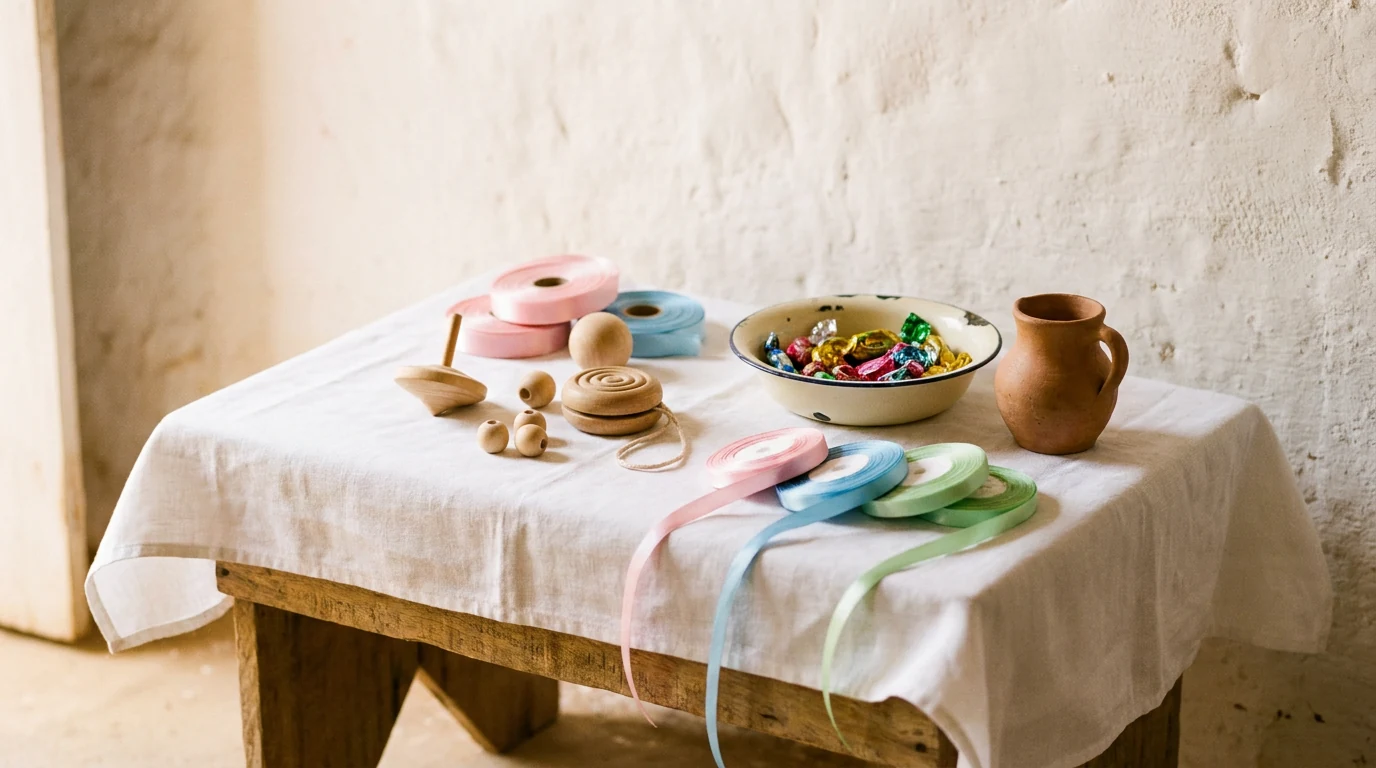
    A small table covered with a white or colored cloth, away from curtains and where the children of the house can reach. The Erês like a cheerful place, with daylight.

  2. 2

    Set up the sweets table

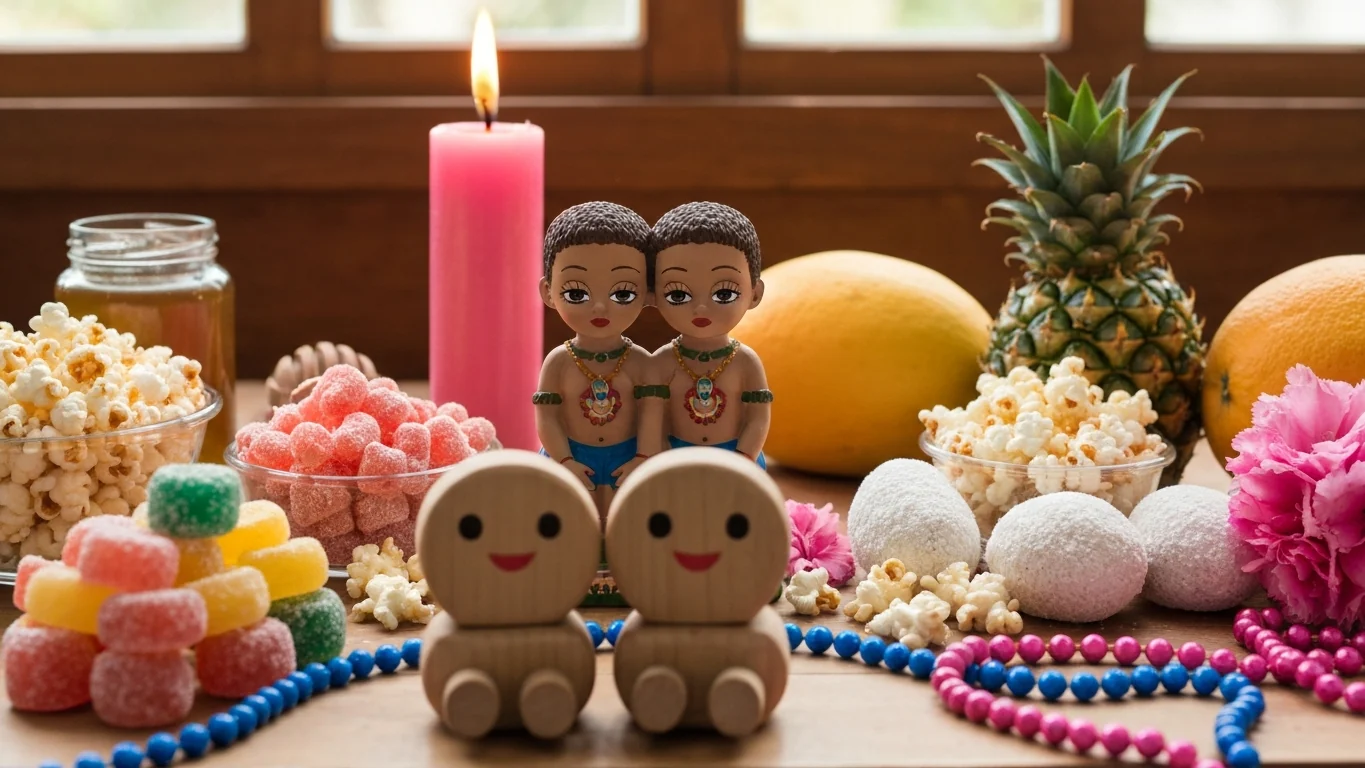
    Arrange the sweets around the saucer, with abundance and without sparing. In the Children's gira, the sweet is food, not decoration. The guaraná and the sweetened water stay to the side.

  3. 3

    Call the Children with affection

    Hold the candle, say Hail the Children! and tell what you request, in a simple way, as you would speak with a dear child. If you know the name of the Erê of your house, call by it.

  4. 4

    Light and pray with a light heart

    Light with a match and say the prayer. You can sing a sung chant of Erê, if you know one. It does not need to be serious: laughing is also a prayer when the candle is from the Children.

  5. 5

    Distribute the sweets at the end

    Do not blow; smother with a saucer if you need to leave. When the candle ends, give the sweets to children, pour the water on the soil of a pot, and wrap the leftover wax in paper for the trash.

Precautions before lighting

  • Child candle attracts child: keep the saucer out of reach of the little ones and animals, and do not place sweets touching the flame.
  • Erê gira, Ibeji obrigação, and ritual work with the Children are matters for the zelador of your terreiro. The house candle is for favor and devotion.
  • If the prayer request is for a child's health, the candle accompanies the pediatrician and the treatment, without taking their place. Always follow medical guidance.
  • Erê candy is for sharing. Collect what is left when the candle finishes and give it to children, so it does not spoil or attract ants.

Ceromancy

What the flame of the Vela de Erê shows

Traditional terreiro reading. Before interpreting, check if there is no wind, crooked wick, or poor quality candle.

  • Good sign

    Flame that dances without smoke

    It is the expected way for a child candle to burn: alive, in movement, without soot. Many houses read this as Children being nearby, accepting the agrado.

  • Good sign

    High and very bright flame

    It is usually read as joy arriving at the house and a prayer request well received. Give thanks and keep the candies until the end of the burning.

  • Attention

    Low and lifeless flame

    It could be a drowned wick or an environment charged with sadness. Change the sweetened water, take a herbal bath with sweet herbs, and light it again.

  • Attention

    Dark smoke and dirty glass

    Some houses read this as emotional weight being burned. Reinforce the cleaning of the house and, if it repeats in several candles, speak with a terreiro.

  • Observe

    Candle that goes out by itself

    Check for a draft and the wick first. Then light it again, call the Children, and redo the prayer request without distress.

Virtual Candle

Light the Erê Candle now

Choose the type, write your request, and pay by PIX. The flame stays on the altar and you follow along through the link.

Place on the altar

Frequently asked questions

Questions about the Erê Candle

What is the candle color for Erê?

Pink and light blue are the most used colors for the Erês, in a divided candle or in two stick candles. Many houses also accept white. In Candomblé, the erê is linked to the orixá of the initiate and follows the custom of the house. If your terreiro has its own rule, it counts more than any general guidance.

What is the Erê candle for?

It serves to please the Children's line and request joy in the house, protection of the children, reconciliation, and lightness in the heart. It is also used to thank for a prayer request made in the Erês gira. It accompanies the affection, the sweets, and the prayer, without promising a miracle.

What is the difference between the Erê candle and the Cosme and Damião candle?

The Erê candle calls the Ibejada, the child spirits who descend in the Umbanda gira. The Cosme and Damião candle carries the label of the Catholic twin saints and of Doum, linked to Ibeji through syncretism, and is the most used in September promises. The colors look alike, but the devotion is different.

Are Erê and Exu Mirim the same thing?

No. Erê is on the right, from the Children's line, and works with sweetness and playfulness. Exu Mirim is on the left, a line of guardians who do not like to be treated like children, with red and black candles. Do not mix the two candles or the offerings in the same place.

What is the best day to light an Erê candle?

Sunday, which is the most cited day for the Erês and for Ibeji. During the year, the strong date is September 27, and many houses continue with festivities until October 12 and until October 25, the day of Saint Crispin. Other than that, you can light it whenever there is a reason.

Can I light an Erê candle inside the house?

You can. Pleasing the Children is a simple devotion and does not require initiation. Choose a safe place, out of reach of children and animals, with candy and sweetened water nearby. Ritual work of foundation with Erê and Ibeji obrigação are left for the terreiro.

Can I blow out the Erê candle and what to do with the sweets afterward?

You can blow it out, without blowing: smother the flame with a saucer and relight it upon your return. When the candle finishes, the sweets are given to children, the sweetened water goes into the soil of a pot, and the remaining wax goes into the trash wrapped in paper.

Does a virtual candle have the same value as a wax candle?

What gives strength to the candle is the intention of the one who lights it. In wax or on a screen, you set aside a moment, think of your prayer request, deliver your offering, and light it with faith. The flame is the sign; the faith is yours and goes along with it. When the situation calls for firmeza in the terreiro, the virtual candle does not replace the zelador, but as a prayer and a prayer request, it is worth just as much as a candle lit at home.

To read before lighting