




Laroyê Exu (Eshu)!
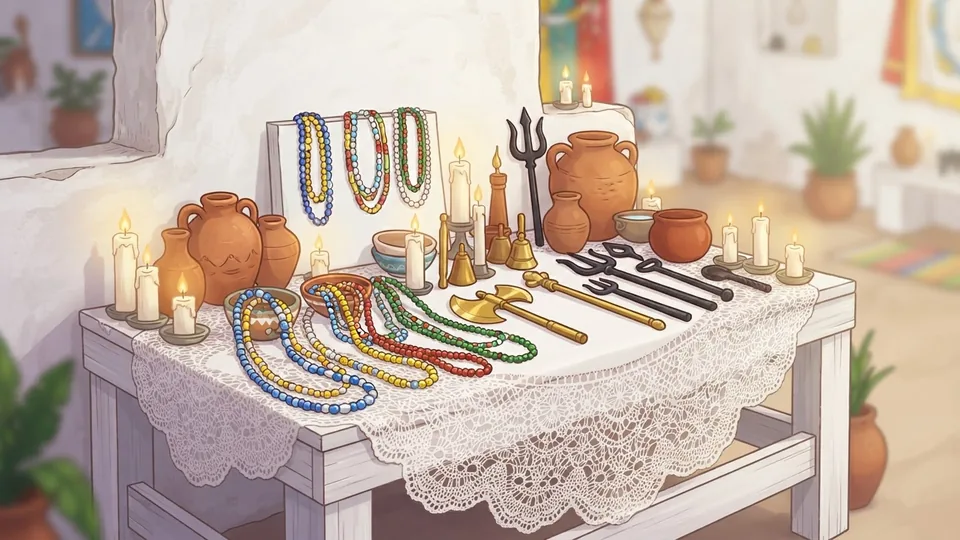
The Exu bead necklace
Umbanda and candomblé
Black and red. Xambá houses use white and black.
Material: In the exu and guardian bead necklaces, the red tento with a black tip, coconut, and steel appear.
Choose your orixá (orisha) and see the color of the bead necklace in umbanda and candomblé, the most used material and what to do for the piece to become a true bead necklace.
Choose the OrixáDon't know yet? Do the Discover your Orixá and come back here.
Umbanda and candomblé
Black and red. Xambá houses use white and black.
Material: In the exu and guardian bead necklaces, the red tento with a black tip, coconut, and steel appear.

In Umbanda
Red, the color of the Ogum line, linked to Saint George.
In candomblé
Green or navy blue.
Material: Glass beads in most houses; pottery in older houses.

In Umbanda
Green, the color of the forest.
In candomblé
Turquoise blue.
Material: Glass beads in most houses; pottery in older houses.

In Umbanda
Brown, the color of the quarry.
In candomblé
Red alternating with white.
Material: Glass beads in most houses; pottery in older houses.

Most used colors
Coral or brown. Some houses lean towards garnet or pink.
Material: Glass beads in most houses; pottery in older houses.

In Umbanda
Yellow. In some houses, light blue.
In candomblé
Golden or amber.
Material: Amber and golden beads are the most requested for Oxum.

In Umbanda
Light blue, the color of the calm sea.
In candomblé
Translucent white or crystal.
Material: Faceted crystal is common in the bead necklaces of Iemanjá.

Umbanda and candomblé
Milky white, in both traditions.
Material: Faceted crystal and white porcelain are common in the bead necklaces of Oxalá.

Most used colors
White striped with black and brown. Many houses use black, white, and red.
Material: Glass beads in most houses; pottery in older houses.

Most used colors
Yellow and green. In Jeje, the beads are striped with yellow and black.
Material: Glass beads in most houses; pottery in older houses.

Most used colors
Purple and lilac, almost always with white.
Material: Glass beads in most houses; pottery in older houses.

Most used colors
Turquoise and gold-yellow, the colors of Oxóssi and Oxum together.
Material: Glass beads in most houses; pottery in older houses.
 Already played
Next step Discover your Orixá Still do not know your Orixá? Take the 8-question test.
Play now
In Umbanda, two systems coexist. One follows the color of the line, of the seven traditional lines: white for Oxalá, light blue for Iemanjá, red for Ogum, green for Oxóssi, and brown for Xangô. The other follows the color of the orixá, inherited from Candomblé, in which Ogum wears green or navy blue and Xangô wears red and white.
No one was wrong. Umbanda never had a central body to standardize colors, and each house kept its own way. Therefore, this page shows both colors when they diverge.
The bead necklace connects you to the orixá, protects you, and shows your line and your house. The step by step of the consecration and what to do when it breaks are in bead necklace guide in umbanda.
You have already played 0 of 38 free games
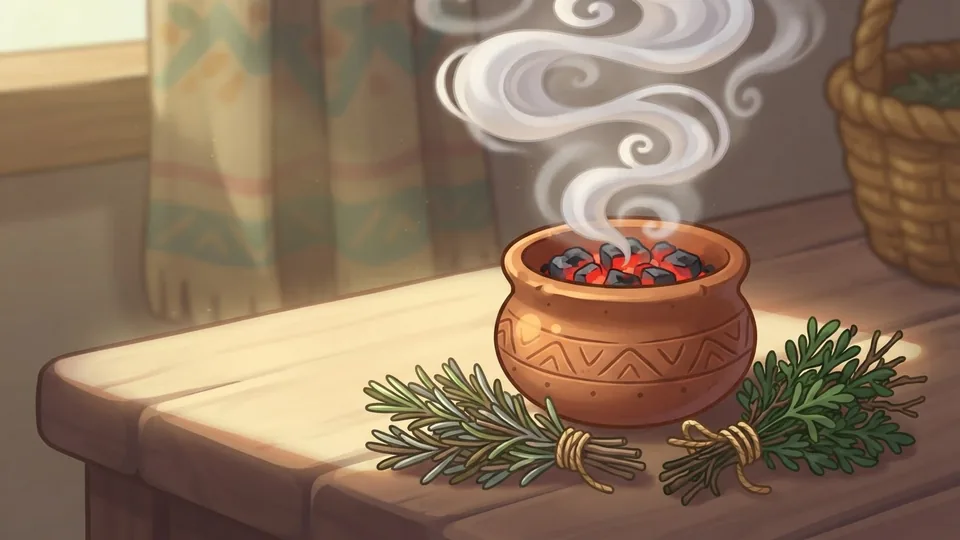 Already played Which smoke cleansing to do Answer 5 questions and discover the smoke cleansing for your moment: spiritual cleansing, house cleaning, prosperity or peace. Free.
Play
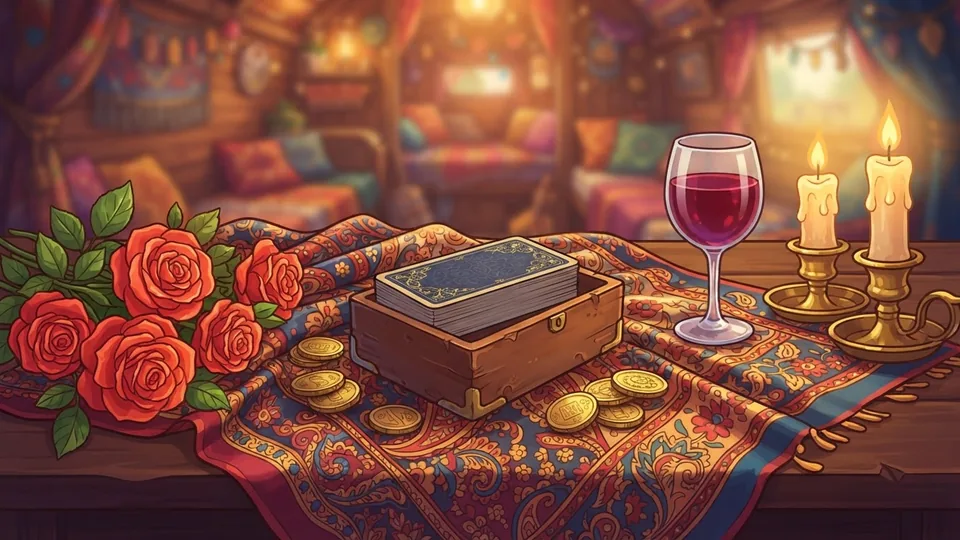 Already played What is your Romani path Answer 6 questions and discover your path with the Romani people of Umbanda: love, prosperity, freedom, healing or guidance. Free.
Play
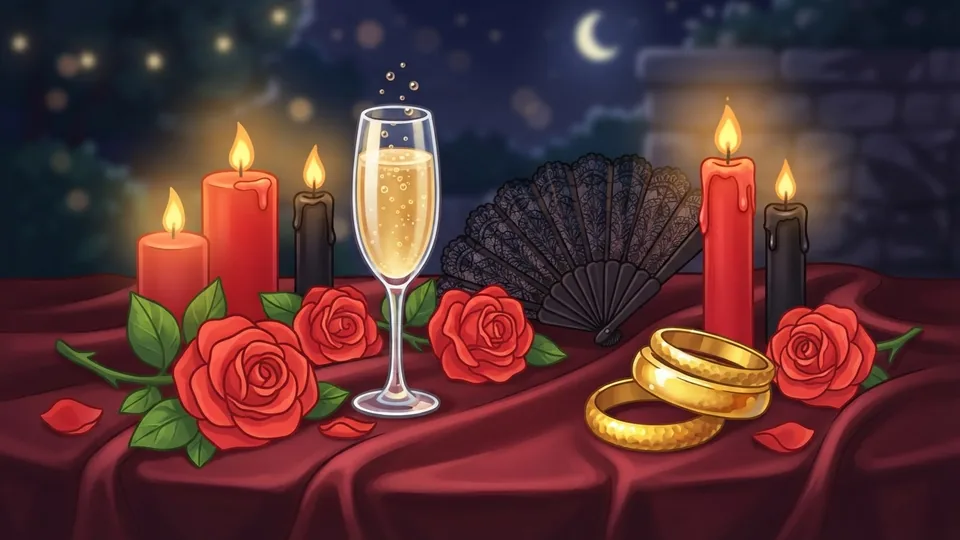 Already played Which is my Pombagira Answer 6 questions and discover which Pombagira you have the most affinity with: Maria Padilha, Maria Mulambo, Cigana, Sete Saias or Rosa Caveira. Free.
Play
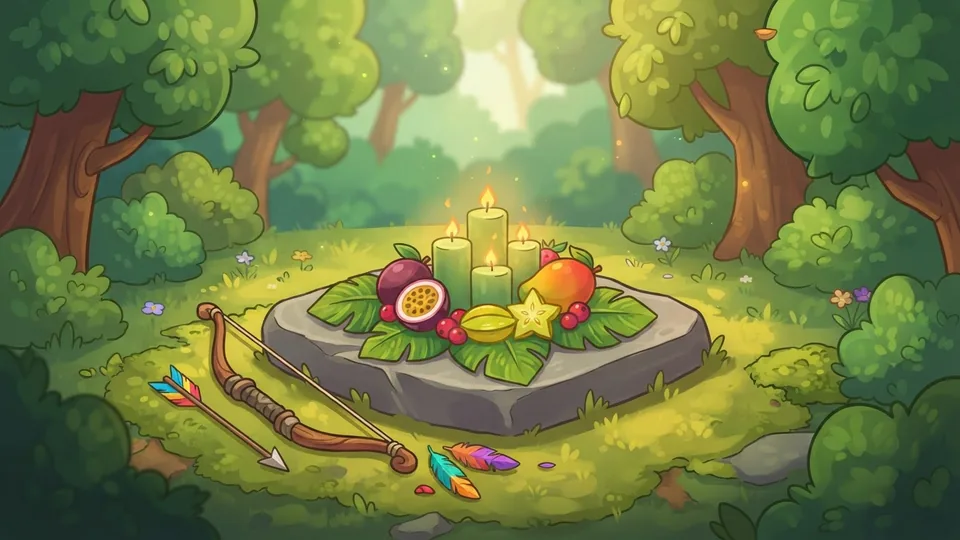 Already played Which is my Caboclo Answer 6 questions and discover which vibration your Caboclo comes from, with the names of caboclos remembered in the houses. Free.
Play
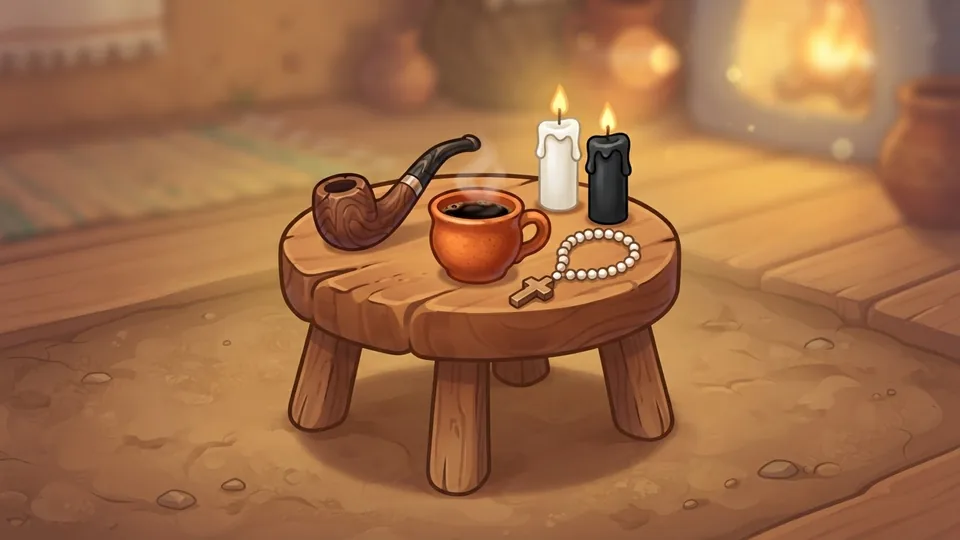 Already played Which is my Preto-Velho Answer 6 questions and discover which Preto-Velho or Vovó you have the most affinity with, with the names from the Linha das Almas. Free.
Play
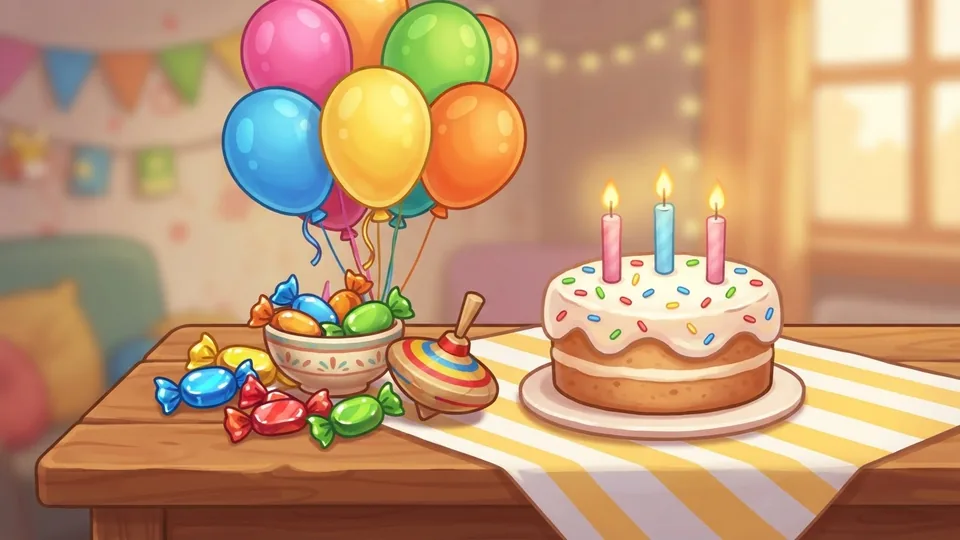 Already played Which is my Erê Answer 5 questions and discover what the children of Umbanda bring to your moment, with the greeting of the Ibejada. Free.
Play