The person leaves the reading (jogo) with a full phrase in hand. Something like "your head is Oxalá (Obatala) Obocum, with passagem in Oxum (Oshun) Pandá and feet in Bará Agelú". They understand the name of the orixá and understand nothing else.
This article unlocks that vocabulary. You will see what the passagens of the orixás in batuque are and the two meanings that the word carries in the gaúcho houses. Then comes the list by orixá, with the spelling variations, and what really changes when the passagem is one and not the other.
What is a passagem in batuque
Passagem is the path of the orixá within himself. It is not another orixá, it is the same one in another mode of existing and working.
Bará Lodê and Bará Adague are Bará. They change the function, the place of the assentamento, the precept, and sometimes the color. The Reino dos Orixás portal describes this difference well: Lodê guards the external part of the temple and Adague works inside, acting as the front for various orixás.
It is the same phenomenon that Ketu Candomblé calls qualidade. Both words name the same thing. What changes is the grammar of each tradition, and the repertoire of names, which does not carry over from one to the other.
It is worth noting a curiosity of the vocabulary: the written sources of the environment itself almost always write "qualidade", even when speaking of batuque. "Passagem" lives more in the mouth than on paper. The anthropologist Norton Corrêa spent years of coexistence in the houses until he learned to speak the batuqueira language, as he himself tells.
The second use of the word: head, passagem, and feet
Here lies the confusion that trips many people up. In batuque, passagem (passage) also names a position in the enredo (storyline) of the filho de santo.
In this reading, the divination first confirms the head, the orixá owner of the ori. Then comes the passagem, which takes the body. The feet close the sequence. The Templo Jorge da Capadócia records this formula when describing the rite, speaking of confirming in the cowrie shells (búzios) the head and the passages, with body and legs.
That is why the phrase at the beginning makes internal sense: head in Oxalá, passage in Oxum, feet in Bará. The three are in different positions of the same plot.
When someone speaks of passage with you, ask which of the two they are talking about. One is the path of the orixá. The other is his place in your body. No one is wrong, they are two uses that coexist.
The horizontal axis of this system, the relationship between head and adjuntó, is detailed in orixá de frente and de junto.
The passages of each orixá
The table below gathers only the names that appear in open sources from the medium itself. The main spelling follows the most frequent in the Gaúcho sources, with the variant in parentheses.
| Orixá | Registered passages |
|---|---|
| Bará | Lodê (Olodê), Lanã (Onã), Adague (Adagbe, Adagui), Agelú (Jelú), Elegbará (Legba) |
| Ogum (Ogun) | Avagã, Onira (Onirê, Niria), Adiolá, Olobedé |
| Oiá | Oiá, Timboá, Dirá (Dirã) |
| Xangô (Shango) | Agodô, Aganju (Aganjú), Aganju de Ibeji, Kamuká |
| Xapanã | Jubeteí (Jubeiteí), Belujá, Sapatá |
| Oxum | Adocô (Docô), Olobá, Demum (Ademun), Epandá (Ipondá, Pandá), Epandá Ibeje |
| Iemanjá (Yemoja) | Bocí, Bomi, Nanã (Nana Buruku) Borocum |
| Oxalá | Obocum, Jobocum, Orumiláia, Olocum, Dacum |
Two important reading keys.
The first: Elegbará, Olobedé and Kamuká appear in the sources marked as Cabinda repertoire, not Ijexá. The block of Oxum, Iemanjá and Oxalá above comes marked as Ijexá and Cabinda. The Só Axé portal separates these sets and also shows the Candomblé lists, which are something else.
The second: names like Ipondá, Opara, Ajagurá, Olufon and Ajaguna circulate on the internet within mixed lists. They are from ketu or nagô. Copying these lists to a house of batuque causes a fundamental error.
The four orixás without a public list of passages
Odé, Otim, Obá (Oba) and Ossanhe do not have named passages in any open source that withstands checking. The middle pages list these four without subdivision.
This does not mean that the houses do not work distinct paths from them. It means that this foundation is not published, and that is how it should remain in an honest text.
There is an adjacent record that helps understand the system: when Odé pairs with Iemanjá Bocí, the middle material describes that Otim enters the passage position. In other words, Otim appears as a place in the plot, not as a quality of itself. Anyone who wants the panorama of the twelve can start with the orixás of batuque.
What changes in practice when the passage changes
Knowing that the head is Oxum is still a rough reading. Knowing it is Oxum Pandá, Demum or Docô changes four concrete things.
- The age and the temperament. The Gaúcho sources describe Pandá as the vain young woman and Docô as the one who cares for the children and stands up to Oxalá
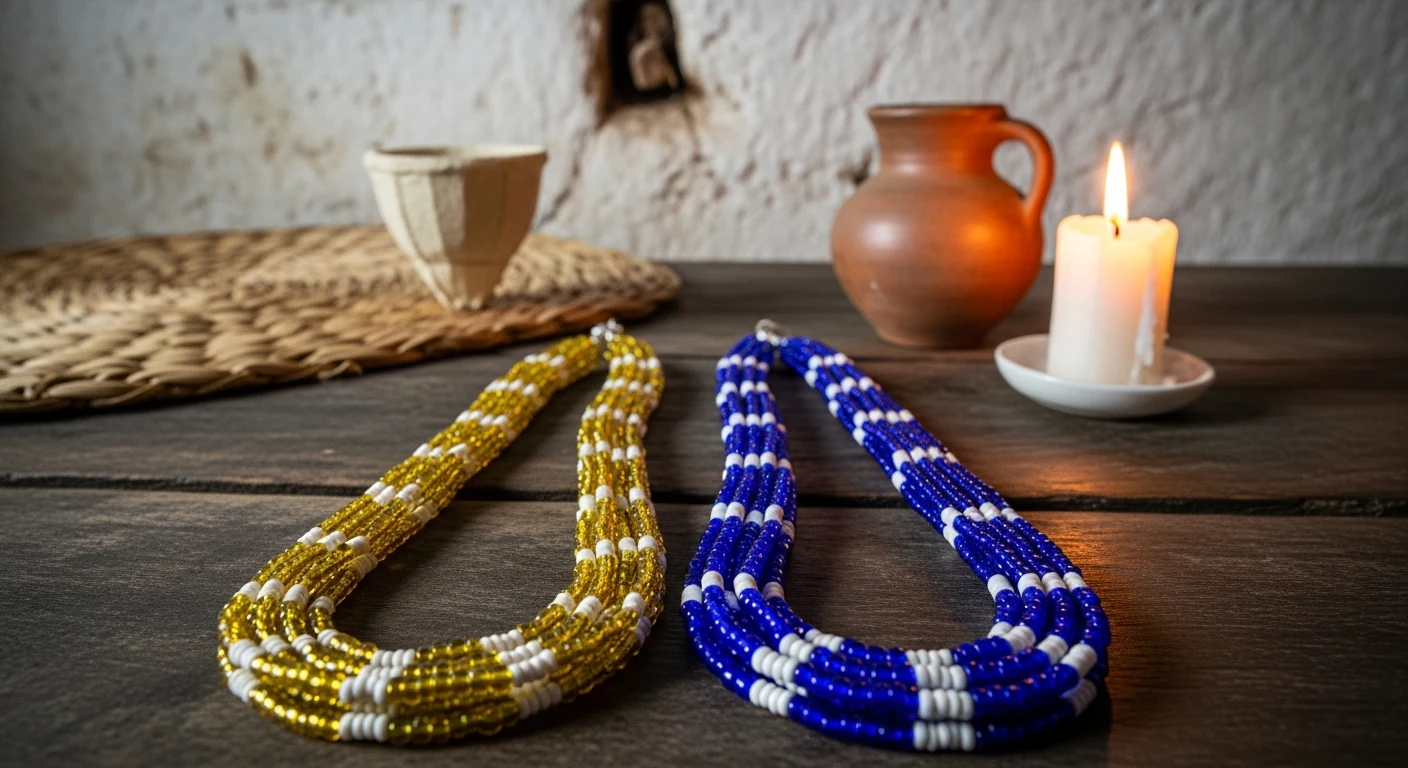
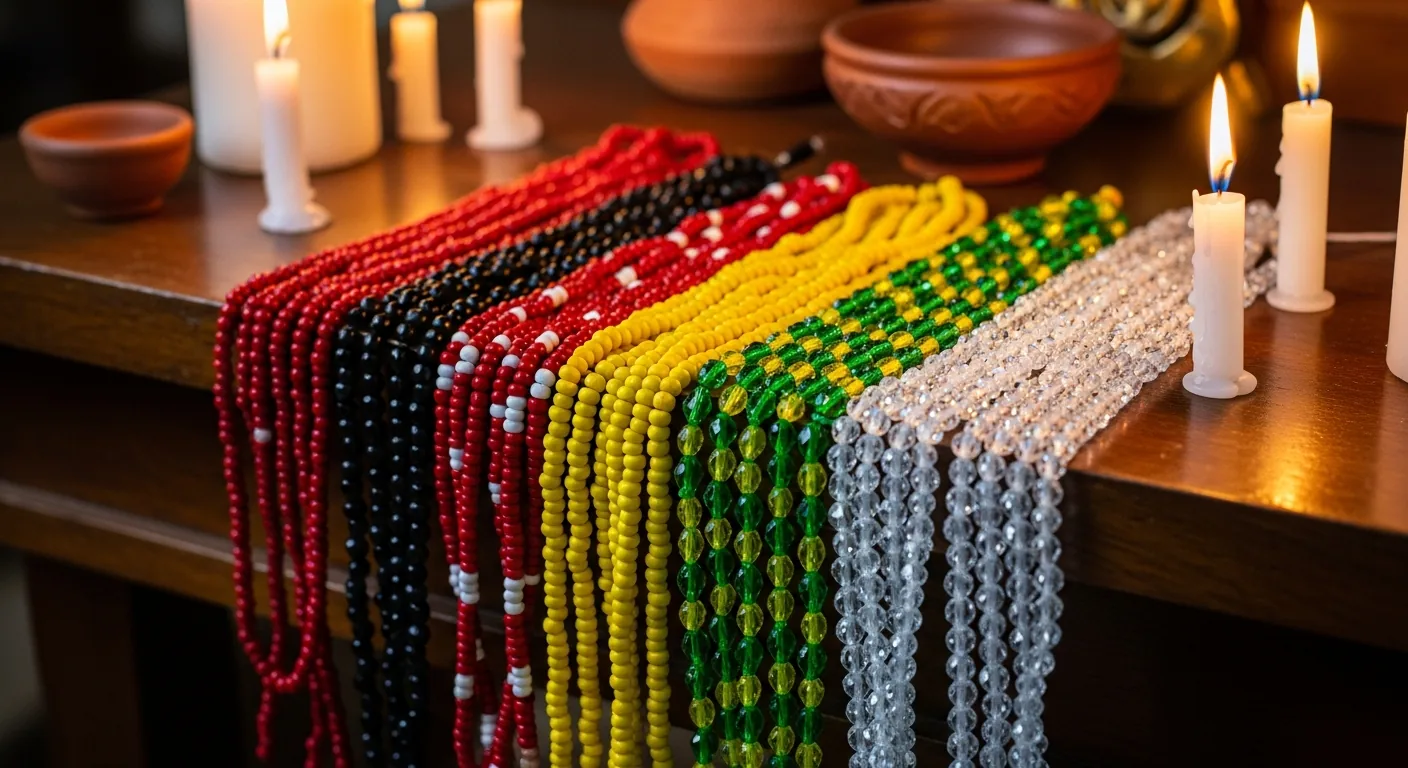
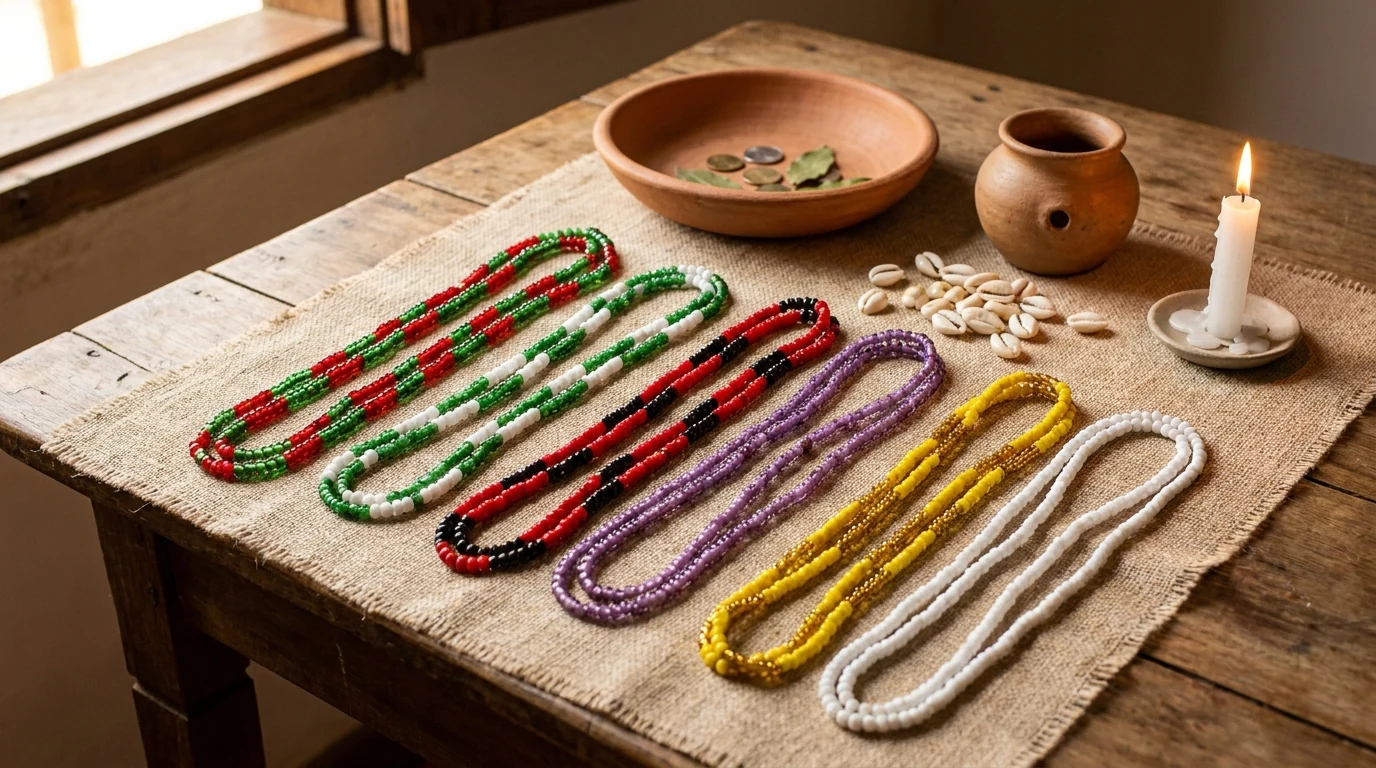
- The color of the bead necklace. Ogum moves from red and green to green and white in the Mejê passage. Xapanã exchanges red and black for lilac in the Sapatá passage. The details are in bead necklaces in Batuque
- The food and the precept. Each passage has what it accepts and what it refuses, and this cannot be deduced by analogy
- The possible adjuntó. Sources list pairs such as Xangô Aganju with Oiá, with Oxum Pandá or with Iemanjá Bocí, and Ogum Avagã with Oiá Timboá or Oiá Dirã
Bará is the orixá with the most recorded passages, and therefore the best example to study the entire system. The complete profile is in who is Bará.
Why the repertoire changes from house to house
Batuque is not a single block. The anthropologist Ari Pedro Oro records the sides or nations Oyó, Ijexá, Jeje, Cabinda and Nagô in a study published in the journal Estudos Afro-Asiáticos. Today Ijexá predominates, and Oyó and Nagô have almost disappeared.
Each side carries its own repertoire of names. Add to this the fact that the differences between houses are, in the words of the community itself, of a familiar nature: the passages worshipped, the methods of initiation and the order of greeting change. The overview of the nations is in the nations of Batuque.
This list serves for you to understand what you heard in your house, not to correct your house. Two neighboring Ijexá houses may spell and worship differently, and neither of the two is wrong.
Who confirms head, passage, adjuntó and feet is the babalorixá or the ialorixá, through cowrie-shell divination (jogo de búzios). There is no home test, internet list or quiz that replaces this.
Frequently asked questions
What is an orixá passage in Batuque?
It is the path of the orixá within himself, the same orixá in another way of working, with its own function, precept, and sometimes its own color. Bará Lodê and Bará Adague are the most cited examples. In the gaúcho houses, the term also names the position of the orixá in the body of the filho de santo.
What is the difference between quality and passagem?
Both terms name the same phenomenon. Quality is the word of the ketu Candomblé, passagem is the current word in the speech of the gaúcho batuque. What cannot be done is importing the list of names from one tradition to another, because the repertoire is different.
How to know what is my passagem?
Through cowrie-shell divination, performed by the babalorixá or by the ialorixá of your house, and confirmed in the obligations. No published list, no test, and no blog article solves this. The text you are reading serves to understand the vocabulary, not to discover the foundation alone.
How many passagens does each orixá have?
It varies by orixá and by nation. Bará is the most numerous in public lists, with five passagens registered. Odé, Otim, Obá, and Ossanhe do not appear with named passagens in open sources. No number should be treated as definitive.
Does the passagem change the color of the bead necklace?
It changes in several cases. Ogum goes from red and green to green and white in the Mejê passagem, and Xapanã swaps red and black for lilac in the Sapatá passagem. Before ordering any necklace to be made, confirm the color with your house.
Where to buy the material of your orixá
At Joia Mística Laroyê, you find batuque material with provenance:
- Bead necklaces: assembled in the color of the passagem or in loose beads for the house to consecrate
- Orixá tools: in metal and in wood, for each line
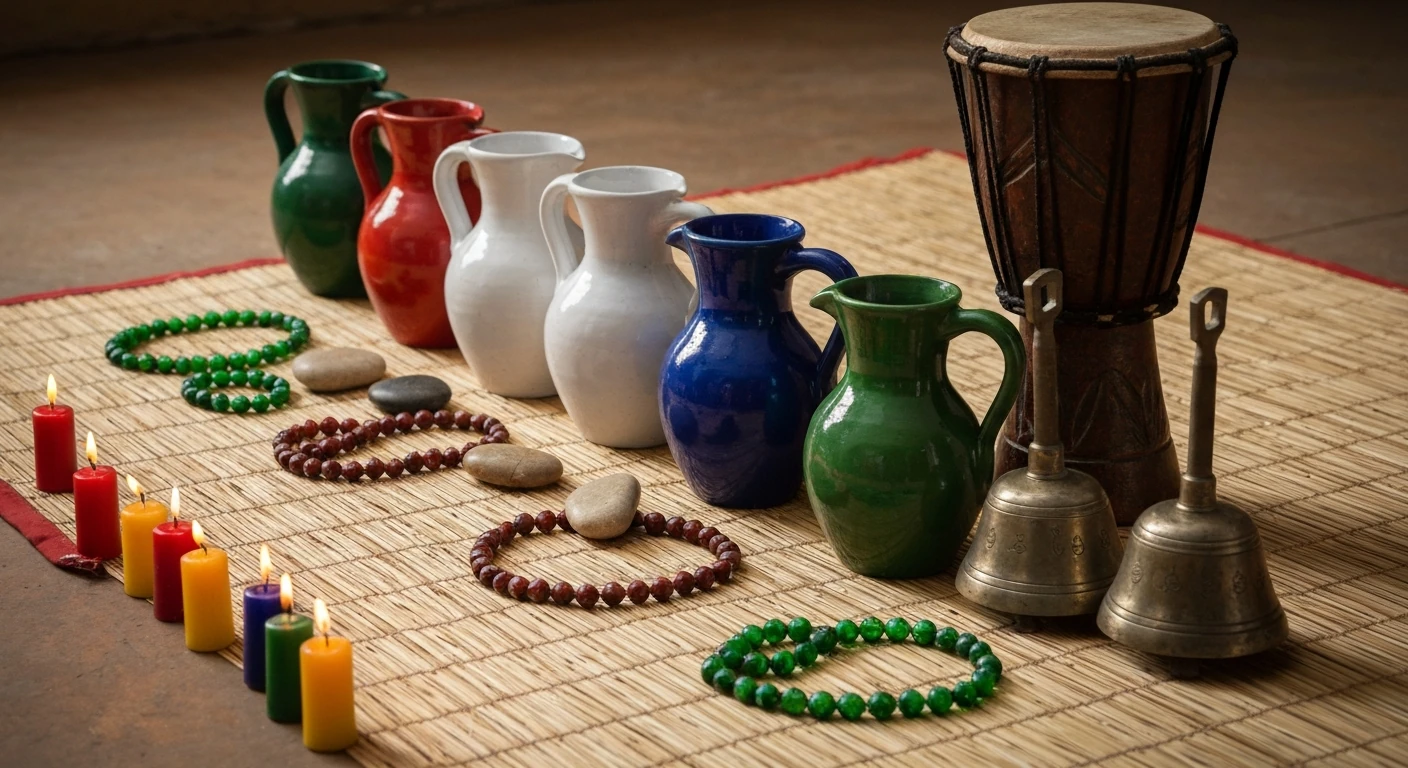
- Alguidares, quartinhas, and clay pottery: for the consecrated foundation (assentamento) and for the food of the orixá
- Dendê, honey, flour, shrimp, and pemba: the basics that every house consumes
- Candles in the colors of the orixás: individual, in pairs, and seven-day candles
Stop by the shop, at Rua Benedito Zingari, 460, Bela Vista, in Extrema-MG, or message on WhatsApp with delivery to all of Brazil.
One last word. A passing name is not a password, it is a living foundation, and it lives inside a house with a root. Take this reading to your leader and let him say what is valid for you.
References
- Ari Pedro Oro: Afro-Brazilian religions of Rio Grande do Sul, with the Oyó, Ijexá, Jeje, Cabinda, and Nagô sides and the twelve orixás of the batuque, Afro-Asian Studies v. 24 (SciELO, 2002)
- Instituto Humanitas Unisinos: interview with anthropologist Norton Corrêa about the batuque and batuqueira language
- Só Axé: listing of the qualities by orixá in the batuque, with marking of Ijexá, Cabinda, and Nagô and separation of the Candomblé repertoire
- Templo Jorge da Capadócia: description of the Gaúcho rite, with the formula to confirm the head and the passages in the búzios
- Reino dos Orixás: function of each Bará passage in the batuque of Rio Grande do Sul