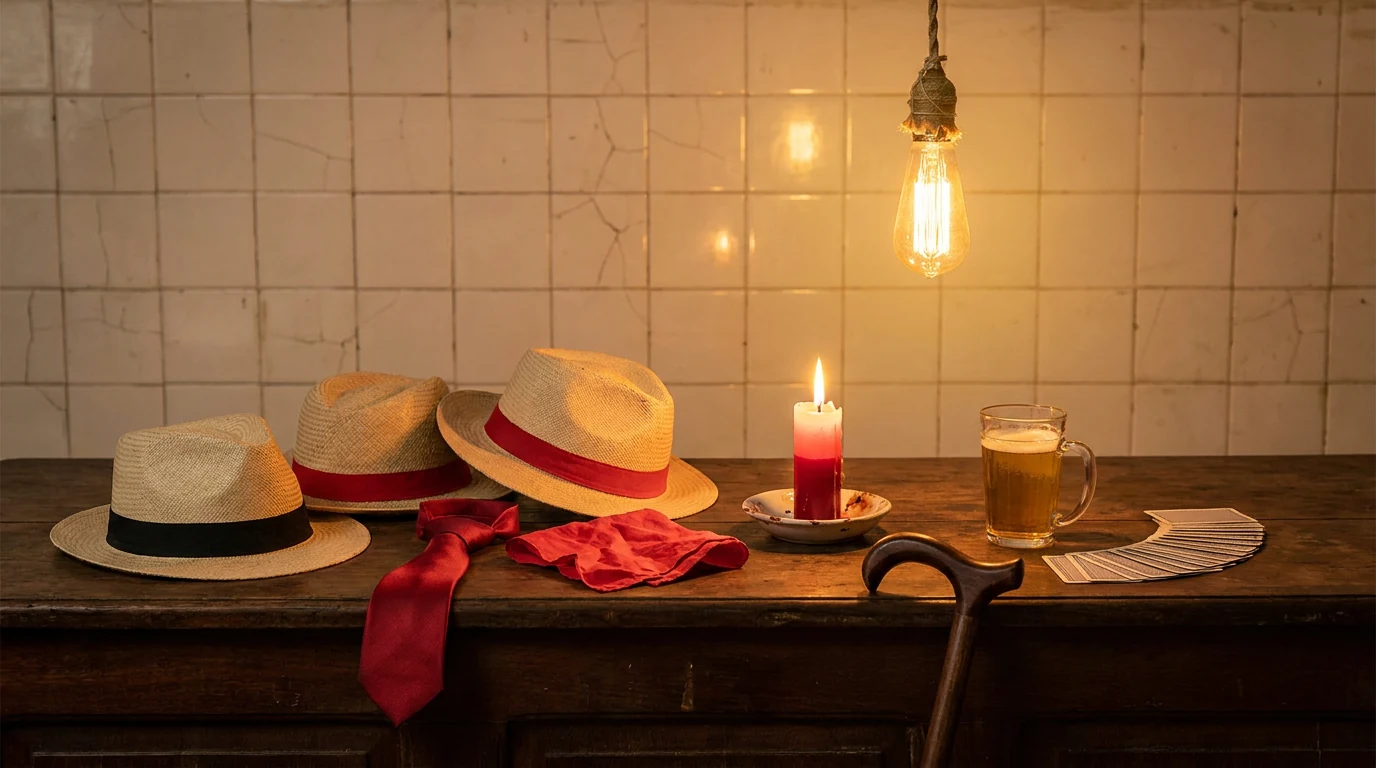
Maria Navalha is a malandra of Umbanda, the female counterpart of Zé Pelintra, linked to the bohemian scene of Lapa, in Rio de Janeiro. She wears red, likes flowers, and dances like the malandros. There are houses that receive her with the malandros and houses that treat her as a pombagira.
Line: malandros, near the left | Color: red | Flower: red rose | Place of strength: Lapa, in Rio | Legal date: September 30, only in Porto Alegre
Who is Maria Navalha?
Maria Navalha is a malandra: the female spirit of the malandros line, the same as Zé Pelintra. Researcher Ana Paula Silva de Oliveira, from PUC-Rio, explains that the malandro has a female counterpart. In general, the first name is Maria and the second varies. The example she gives is Maria Navalha.
In the sanctuary of Zé Pelintra, in Lapa, the graffiti artist who painted the walls summarized it like this for researcher Carlos Eduardo Santos Maia, from UFJF: "Maria Navalha is the female version of Seu Zé". The entire line, with its other names, is in malandros in Umbanda.
Is Maria Navalha a pombagira or a malandra?
Both things, and the sources do not conflict. Oliveira writes that Maria Navalha, "although she is a malandra," is very feminine and "approaches, even more, the feminine archetype of the exu". The philosopher Rafael Haddock-Lobo, from UFRJ, who wrote an entire essay about her, calls her a pombagira malandra carioca.
The Porto Alegre law that gave her a day speaks of "Pomba Gira Maria Navalha". Meanwhile, one Umbanda house, the Sociedade Espiritualista Mata Virgem, teaches that the malandros "are not Exus", but descend in the Exu (Eshu) sessions when they do not have their own festival. In practice, each house decides in which gira she comes. What is Pombagira is in who is Pombagira.
Where does the name Maria Navalha come from?
The name comes from the navalha, the pocket blade of the Carioca malandro from the beginning of the 20th century. In the 1920s and 1930s, the navalha, capoeira, and firearms were ways to survive on the margins. This is shown by Janderson Bax Carneiro, in a dissertation from PUC-Rio.
In Umbanda, the navalha became a symbol. Carneiro summarizes the exchange: if the old malandro intervened in the world with the navalha, the malandros of Umbanda "interfere with their magic, their opinions, and advice." Mata Virgem tells that many prefer silk shirts because "silk, the navalha does not cut."
Her story is told through sung chants (ponto cantado). Researchers analyzed one of these chants in a chapter on the chants of malandras and pombagiras. It speaks of a woman who went hungry and was beaten by her companion, who used a navalha. She reacts, and her baptismal name gives way to another:
But it was Maria Navalha, the name that gave me fame.
For the authors, the name change "symbolizes her defense against a violent man." The chant, they say, breaks the silence on violence against women, and singing it in the gira creates "a safe space for welcoming and debate." The navalha, here, is defense and memory.
Maria Navalha, Zé Pelintra, and Lapa
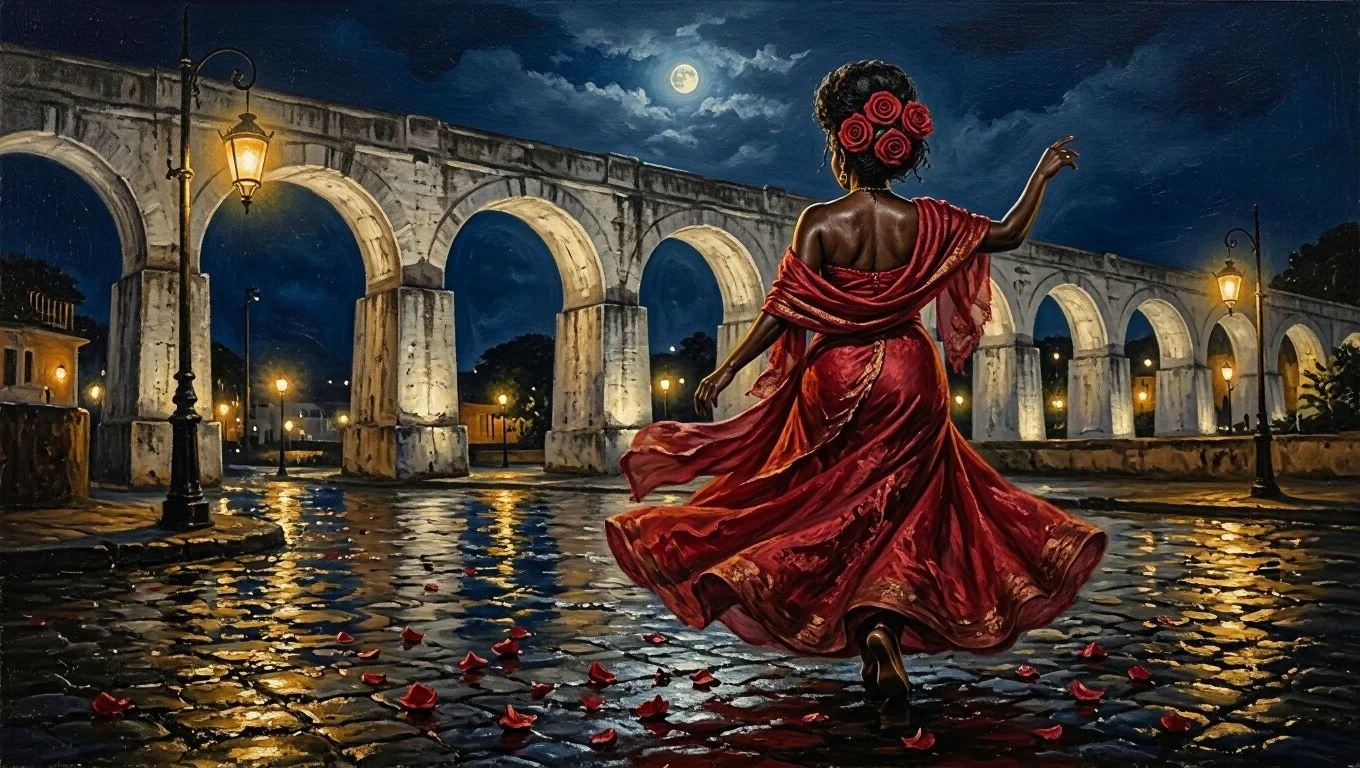
Maria Navalha and Zé Pelintra are worshipped side by side in Lapa. In the Santuário de Zé Pelintra, at the foot of the Arcos, Maia saw a statue of her at the same height as his. The two are surrounded by smaller statues. A visitor explained that Maria Navalha is more linked to the malandragem of Lapa, and Maria do Cais has Northeastern influence. In the niches, she is a black woman.
It is told in Lapa that Seu Zé, Maria Navalha, and Madame Satã were malandros of the neighborhood. It is street memory, not a biography: the resident who told Maia said he read it on Google. The story of Zé Pelintra has the same mixture of legend and devotion.
The anthropologist Genilson Leite da Silva, from UFRJ, accompanied street giras at the sanctuary. In the early morning, with the spirits on earth, a police officer got out of the patrol car and asked Maria Navalha for a hug. The two exchanged blessings and moved on. Before the inauguration, however, the space and the statues of her and Zé Pelintra suffered about 22 attacks, with threatening messages. Attacking a sacred statue is religious racism.
Is Maria Navalha the wife of Zé Pelintra?
No open source says she is his wife. What is recorded is that she is the feminine version of Seu Zé and that the statues of the two stay side by side. In Rio, July 7 is the day of Zé Pelintra by municipal law.
How does Maria Navalha present herself in the gira?
Maria Navalha usually comes in red, with flowers in her hair and on her clothes. Oliveira records the red and the flowers. Mata Virgem adds that the malandras are vain, like beautiful gifts and flowers, especially red ones, and dress very well.
According to the same house, she manifests as the malandros: she dances, sambas, drinks, and smokes in the same way. The Panama hat, in the sources, is a trait of the male malandros; from her, what stands out are the flowers.
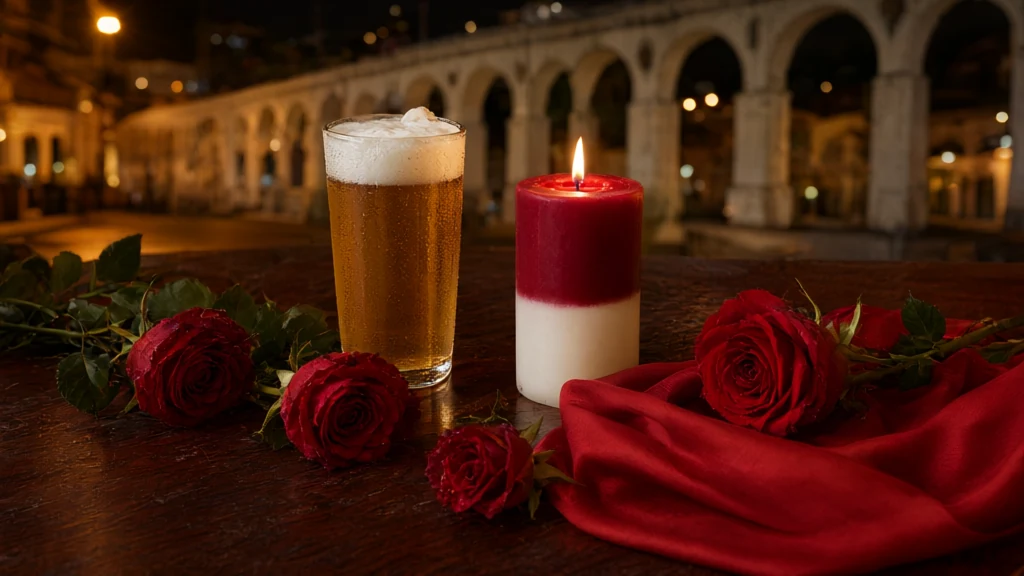
In the Lapa sanctuary, Maia saw red roses, natural or artificial, at the feet of Maria Navalha, and also padê, the food of Exu. The most common offering there is beer. The lit candles are mostly white, with some red and others red and white. What padê is is in what is padê.
What does Maria Navalha do and what is asked of her?
Maria Navalha works like the malandros: she talks, advises, and resolves daily struggles. Mata Virgem says that the malandros handle any subject and "can heal, untie, undo, as well as protect and open paths". For Carneiro, their strength is that of those who know "the meanders of survival in adversity".
For the researchers of the Atena chapter, points like hers open a place in the gira to talk about violence against women. It is a space for welcoming, and it does not replace reporting or the services that attend to domestic violence.
In practice: the prayer request is made during the consultation, with the entidade on earth, and the house guides what to set. A prayer request to bind the will of another person has no place here. Those who only want to light a candle for her at home can use the Maria Navalha candle.
The red rose and the red and white candle that the house requests can be found in a religious items shop. To check the material before taking it, you can clear up doubts via the shop's WhatsApp.
Maria Navalha and Maria do Cais: what is the difference?
Both are malandras. They appear together in the list of names from Mata Virgem and in the images of the Lapa sanctuary. The recorded difference is of origin: Maria Navalha is linked to the malandragem of Lapa, and Maria do Cais has northeastern influence. Other Marias of the left are in pombagira names.
If you want to know if it is the malandros line that is near you, the discover your entidade test has the malandro as a result.
Frequently asked questions
What is the day of Maria Navalha?
In Porto Alegre, September 30 is the Day of Pomba Gira Maria Navalha, by Law 13.133, of June 1, 2022. It is a municipal date, not a foundation. Outside of there, each house marks the line's festival. In Rio, the day of Zé Pelintra is July 7. See other dates in pombagira day.
Which orixá (orisha) does Maria Navalha belong to?
Open sources do not link Maria Navalha to any orixá. She comes from the line of malandros, and the orixá that governs the line changes from house to house. Whoever wants to know how your house works must ask the pai or mãe de santo, who knows the foundation of the terreiro.
What does Maria Navalha drink and what is offered to her?
According to Mata Virgem, she drinks and smokes like the malandros. In the Lapa sanctuary, the most common offering is beer, and red roses and padê are placed at her feet. The correct offering, however, is the one the entidade asks for in your house, and it cannot be improvised.
What is Maria Navalha's greeting?
The registered greeting is that of the line: "Salve, Seu Zé! Salve Malandragem!", which gives title to Maia's study on the Lapa sanctuary. A specific greeting of her own does not appear in open sources, and each house has its own formula. In doubt, follow the one the terreiro sings at the opening of the malandros gira.
References
- Carlos Eduardo Santos Maia, Latitude (UFAL): Through the Arches, the Links are Soldered: Salve, Seu Zé! Salve, Malandragem! Salve, Lapa!
- Rafael Haddock-Lobo, Revista Calundu (UnB): Maria Navalha and Brazilian popular philosophy
- Ana Paula Silva de Oliveira, PUC-Rio: The paths of malandragem in the sung points of Umbanda
- Janderson Bax Carneiro, PUC-Rio: Zé Pelintra and the resignifications of the malandro in Umbanda religious practice
- Genilson Leite da Silva, Anais da ReACT (Unicamp): The State gira
- Silva, Ribeiro and Rodrigues, Atena Editora: gender violence in the points of malandras and pombagiras
- Porto Alegre City Hall: Law 13.133, of 2022, Day of Pomba Gira Maria Navalha
- Sociedade Espiritualista Mata Virgem, Diário de Umbanda: The Malandros