Pink Candle
Affection that calms, family reconciliation, and the joy of the Erês with the sweetness of Oxum (Oshun)
Pink Candle
7-day candle · stays lit for 7 days7 dias
Those who seek the pink candle almost always carry a fight that still hurts, a child who needs care, or an affection that has cooled inside the home. The pink candle is lit in Umbanda, in the terreiros that worship the children, and also in popular devotion to Cosme and Damião, whenever the prayer request is for affection, delicacy, and peace between those who love each other.
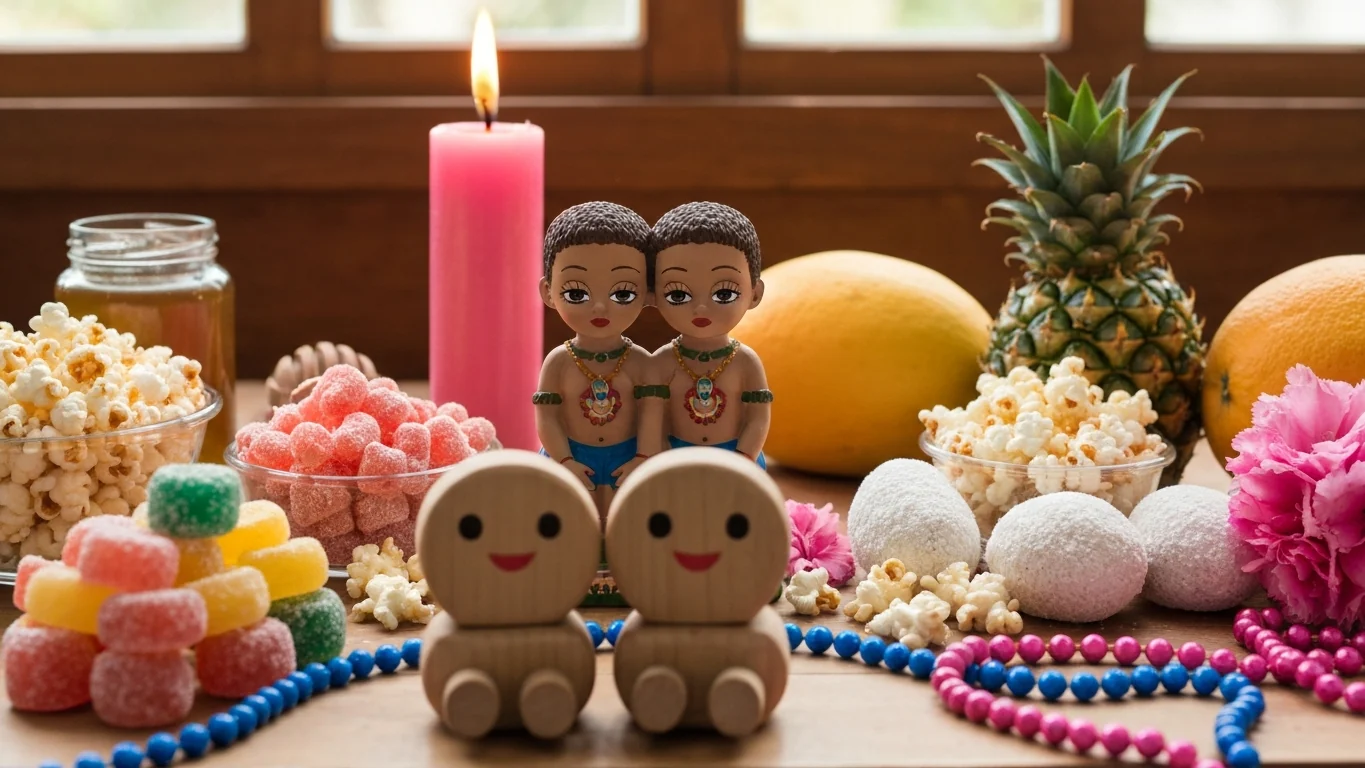
The foundation comes from two sources. The first is the Ibejada: Ibeji, the sacred twins, and the Erês, the children who descend in the gira bringing laughter and sweets. Pink and blue are the most used colors for them, and Sunday is usually the day. The second is Oxum, the mother who, in a widely told itan, gathered and raised the twins. From her comes the sweetness that sweetens sour conversations. The colors vary from house to house, and each terreiro has its own marking.
Inside the home, the pink candle works slowly. It does not bind anyone, it does not bring back those who left, and it does not replace a frank conversation. What it offers is atmosphere: a lighter home so that reconciliation happens through the hands of the people themselves, in their own time.
What is it for
What the Pink Candle Is For
Pink is the red that lost its haste: it keeps the warmth of affection without the fire of passion. In the terreiro it belongs to the children, Ibeji and the Erês, and to the sweetness of Oxum, and it is requested to reconcile, care for the little ones, and calm the wounded heart.
-
Make peace with those at home
Siblings who do not speak, a father and son in conflict, a couple that only argues. The pink candle enters to lower the tone of the house and open space for the first conversation without shouting.
-
Request protection for a child
For the baby to be born, the child starting school, or the little one who walks around crying at night. It is the most traditional request made to the Erês with the pink candle.
-
Care for the love that already exists
It is not the candle for conquest. It serves for the couple that likes each other and lost the tenderness of daily life, asking for affection, patience, and respect back into the relationship.
-
Relieve heartache and a heavy heart
After a disappointment, a separation, or a harsh word that will not leave the head. The pink flame accompanies the crying and helps release resentment little by little.
-
Please and thank the Erês
When a request made to the children was answered, return with a pink candle, a sweet, and a glass of water with sugar. A child's gratitude is done with joy.
Who rules this candle
Orixás and spirits of the Pink Candle
-
Ibeji and the erês
The sacred twins and the children of the gira
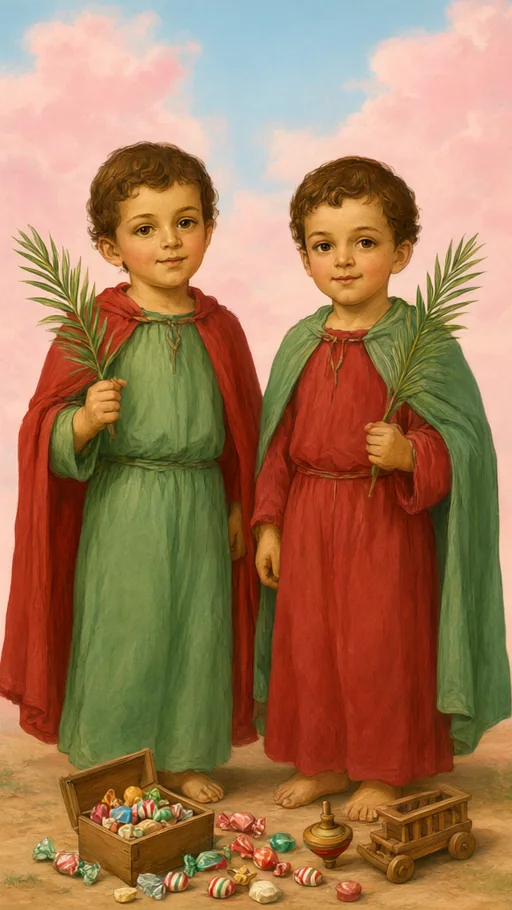
Pink, along with blue, is the color most linked to spiritual children. Ibeji protects the little ones and the twins, and the Erês bring laughter into the terreiro. Sunday and September 27, the day of Cosme and Damião, are their dates.
-

Oxum
Mother of sweet waters and affection
Oxum wears golden yellow, but her sweetness passes through pink. The Mother who raised the twins in the itan is called when the prayer request involves a mother's love, fertility, pregnancy, and peace between couples.
Know Oxum
Also settled for
- Erês (Children of Umbanda)
- Cosme and Damião
Prayer to light
Pink candle prayer to the Erês and Mamãe Oxum
“Children of Aruanda, who come down laughing and go up taking away our sadness, accept this pink light. Come play in the middle of my house and undo with your laughter the hurt that remained between us. Where there was a harsh word, put affection. Where there was a silence of anger, put the will to embrace. Guard the children of this family in sleep, on the way to school, and in every fall. Mamãe Oxum, who welcomed the twins in your lap, pour your sweet water over my heart and teach me to love without binding and to forgive without losing myself. May this flame burn gently and take my prayer in the way you find best. Hail the children! Ora Yeye Ô!”Light the candle and pray
Step by step
How to consecrate the Pink Candle
- 1
Arrange a cheerful corner
A low table or a shelf in the living room works. Cover it with a light cloth and make the place beautiful: a spiritual child likes care, color, and a good scent.
- 2
Sweeten the water and the saucer
Mix the sugar in the water of the glass and place the sweet next to the saucer. Sweet water and treats are the way to call the Erês and to ask that the conversation in the house also becomes sweet.
- 3
Hold the candle thinking of the people
With the candle between your hands, remember the face of those involved in the prayer request. Think about what you want in return, affection and peace, and not about what the other person should do.
- 4
Light it and call who will receive
Light it with a match and say out loud if the candle is for the Erês, for Ibeji, or for Oxum. Pray the prayer and speak in your own way, like someone talking to a dear child.
- 5
Finish without blowing and share the sweet
Let the flame go until the end and, if you need to leave, smother it with a saucer. Then, offer the sweets to children in the neighborhood or leave them in a garden, and pour the water on the ground.
Precautions before lighting
- A child candle requires extra care: keep the flame out of reach of little ones and animals, on tableware, and never near curtains or paper.
- The pink candle is for free affection. Do not use it to bend someone's will or to force the return of someone who left; this goes against its foundation.
- Gira de Erê, obrigação de Ibeji and ritual work with Oxum de fundamento are matters for the zelador of your terreiro. The candle at home does not take that place.
- The offered sweet is to be shared. Do not leave sugar sitting for days attracting ants: after the burning, distribute it or take it to nature.
Ceromancy
What the flame of the Pink Candle shows
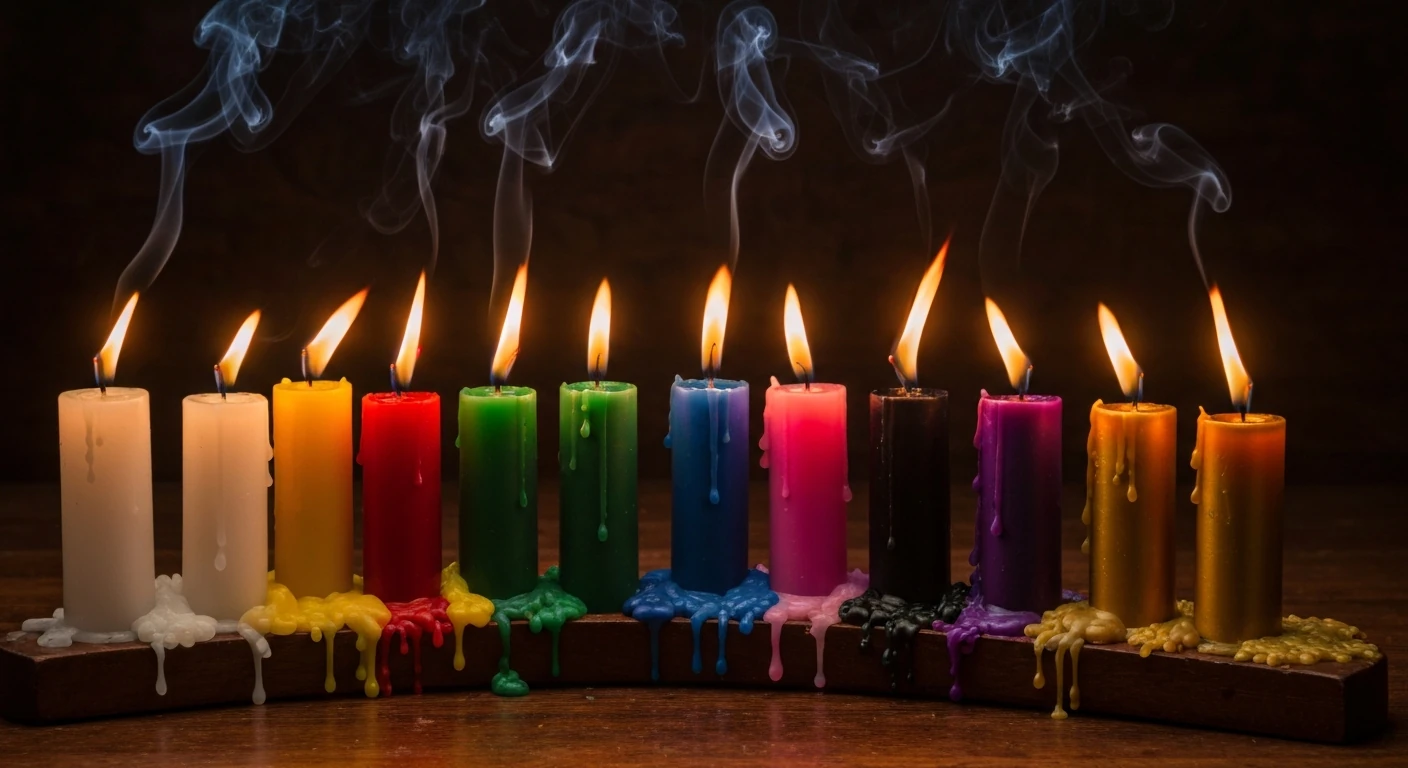
Traditional terreiro reading. Before interpreting, check if there is no wind, crooked wick, or poor quality candle.
- Good sign
Soft and high flame, without flickering
Many houses read the serene flame as a request welcomed and an environment ready for peace. It is the expected burning of an affection candle in a room without wind.
- Good sign
Flame that jumps and dances
In a child's candle, many houses read the lively and bouncing flame as the joyful presence of the Erês. Check before if there is no wind: if it is a draft, that is all.
- Attention
Wax that drips in tears
Some houses understand it as resentment that is still coming out. It is not a bad sign, but it asks for patience: repeat the candle on another Sunday and take care of the conversation as well.
- Attention
Low flame that almost disappears
It could just be a short wick or bad wax. Check that first. If the good candle insists on burning weakly, it is worth asking for the guidance of a trusted terreiro.
- Observe
Wick that divides into two
Almost always it is a defect in the wick, and there are those who like to remember the twins when seeing this. Trim the tip carefully and follow the prayer without anxiety.
Ritual bath and smoke cleansing (defumação)
Herbs that combine with the Pink Candle
-

Pink
Rosa spp.
Light pink rose petals in a warm ritual bath before lighting, or loose on the saucer, help to open the heart for forgiveness and affection.
See the herb -

Anise / Fennel
Pimpinella anisum
Oxum and Ibeji herb that calms children and adults. A tea or a sweet herb ritual bath combines with the pink candle for requests of peace at home.
See the herb -

chamomile
Matricaria chamomilla
Gentle flower, linked to children. A small dried sprig next to the candle or a light ritual bath at the end of the day accompanies the request for peaceful sleep for the little ones.
See the herb
Virtual Candle
Light the Pink Candle now
Choose the type, write your request, and pay by PIX. The flame stays on the altar and you follow along through the link.
Place on the altarFrequently asked questions
Questions about the Pink Candle
Which orixá (orisha) is the pink candle for?
In most homes, the pink candle is for the children: Ibeji and the Erês. It is also lit for Oxum when the request is for sweetness and a mother's love. Oxum's own color is golden-yellow, and therefore pink enters more as affection than as her foundation.
What is the best day to light the pink candle?
Sunday, which many terreiros dedicate to the children, or September 27, the day of Cosme and Damião. When the request is for Oxum, Saturday is her day. Outside of these dates, the candle can be lit whenever the home needs calm and affection.
Is the pink candle used to bring a love back?
Not in the way many people expect. The pink candle takes care of the affection that exists and the peace between people, but it does not bind or force anyone. If the relationship has a chance, it helps create the atmosphere; the decision to return continues to be up to each individual.
What is the difference between the pink candle and the red candle?
The red one is fire: passion, courage, desire, and cutting, and it passes through Ogum (Ogun), Iansã (Oya), and the left side. The pink one is warmth without a flame, linked to affection, friendship, family, and children. For conquest use the red one; to reconcile, the pink one.
Can I blow out the pink candle and light it again?
You can, without blowing. Smother the flame with a saucer or a spoon if you need to leave the house and light it again when you return, resuming the prayer request. Many homes avoid blowing because it would be like extinguishing the prayer with your own breath.
What to do with the sweet and the water after the candle?
The sweet goes to children in the neighborhood, to a garden, or at the foot of a tree, and the water with sugar goes back to the earth. Do not eat the offered sweet. The leftover wax can go in the common trash, wrapped in paper.
Can I light a pink candle at home with small children?
You can, and it is precisely one of the most common uses. Just leave the candle in a high or closed place, out of reach of small hands, and never leave the house with it lit in a room where the child stays alone.