The National Sanctuary of Umbanda is located at Estrada do Montanhão, 700, inside the Pedroso Municipal Natural Park, in Santo André (SP), on the border with São Bernardo do Campo. It is an outdoor space for offerings, maintained by the Umbandista Federation of Grande ABC in an old quarry. It is open from Tuesday to Sunday, and the entrance fee is R$ 20.
Where is the National Sanctuary of Umbanda located?
The sanctuary is located in Santo André, at Estrada do Montanhão, 700, near the Billings reservoir. Many people look for São Bernardo do Campo because the area is on the border. Additionally, the bus departs from a terminal in São Bernardo.
The area is inside the Pedroso Municipal Natural Park, the largest conservation unit in Santo André. The heritage report published by USP measures the land at 640,046.50 m2, of which only 10% is for use; the rest is forest. The sanctuary website mentions 645,000 m2 of native forest.
How to get here:
- By car: via Via Anchieta, towards baixada, exit 25, until the end of the asphalt; the rest is a dirt road.
- By public transport: Ferrazópolis trolleybus from Terminal Jabaquara do Metrô and, at Terminal Ferrazópolis, Line 26 Baraldi, which stops in front of the entrance.
- Parking: free, subject to availability, with space for buses.
What are the opening hours of the Santuário Nacional da Umbanda?
According to the 2025 annual calendar, the sanctuary is open from Tuesday to Sunday, with entry from 8:00 AM to 2:00 PM and exit at 3:30 PM. Monday is closed for maintenance and seclusion (recolhimento) of the offerings. The sanctuary's schedule page was last updated on January 24, 2025.
| Item | What the source says | Source date |
|---|---|---|
| Days | Tuesday to Sunday; Monday closed | 2025 calendar |
| Entry | from 8:00 AM to 2:00 PM | 2025 calendar |
| Exit | 3:30 PM | 2025 calendar |
| Price | R$ 20 per adult, in cash | sanctuary page |
| Child | up to 12 years old do not pay, with ID | sanctuary page |
| Card | the shop does not accept | sanctuary page |
Confirm before going. The sanctuary website has not published news since mid 2025. The time and price above come from the pages and calendar of that year.
Need to reserve?
The individual visitor does not need to: entry is individual and does not require a link with religion or with terreiro. Those who will do ritual work with the terreiro reserve beforehand, especially for Saturday, Sunday, and holidays. School groups schedule the visit.
What is at the Santuário Nacional da Umbanda
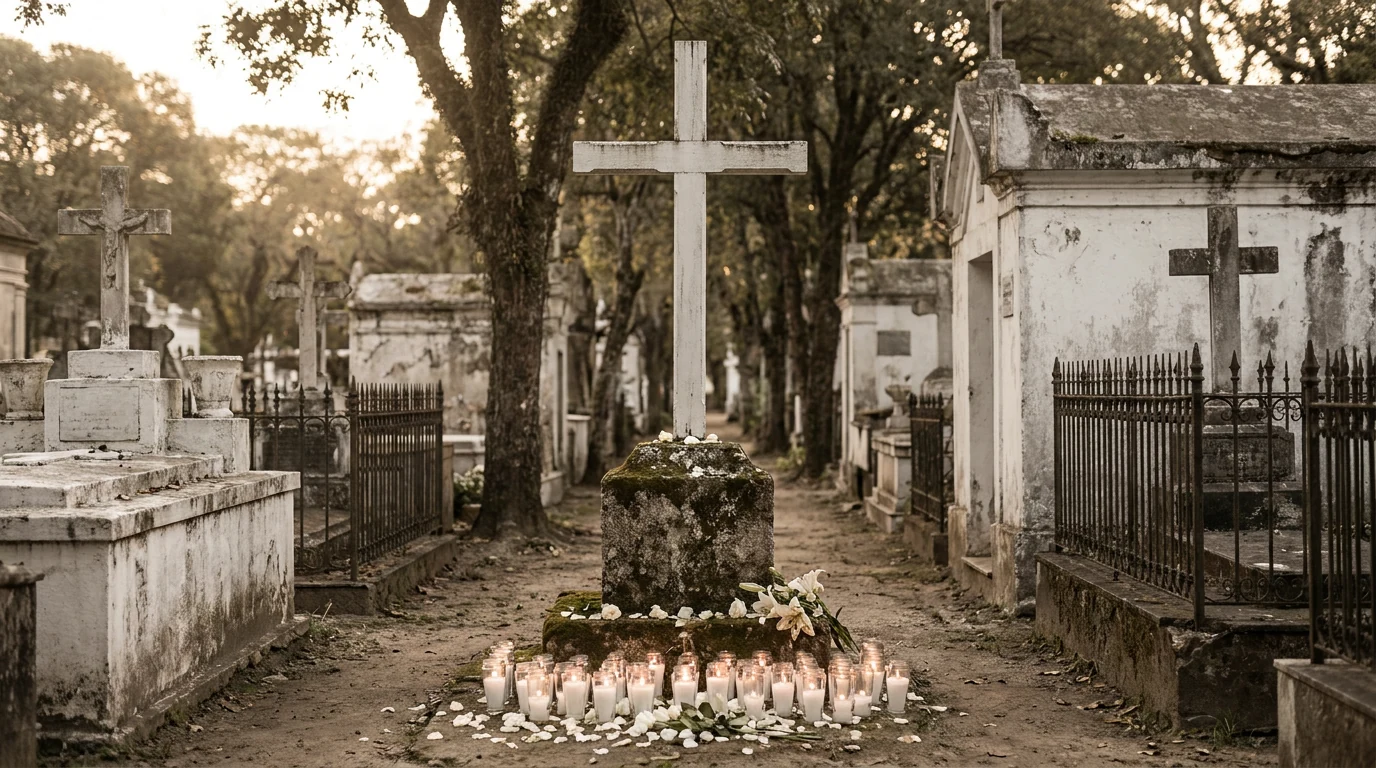
A main road of about 1 km leaves the gate leading to the Vale dos Orixás. According to the USP report, the entrance has the statues of the cabocla Jurema and the caboclo Vira-Mundo. Along the path come the house of the pretos-velhos, the house of Our Lady Aparecida, the house of the gypsies, the Reino dos Exus, and the Cross of Souls (Cruzeiro das Almas).
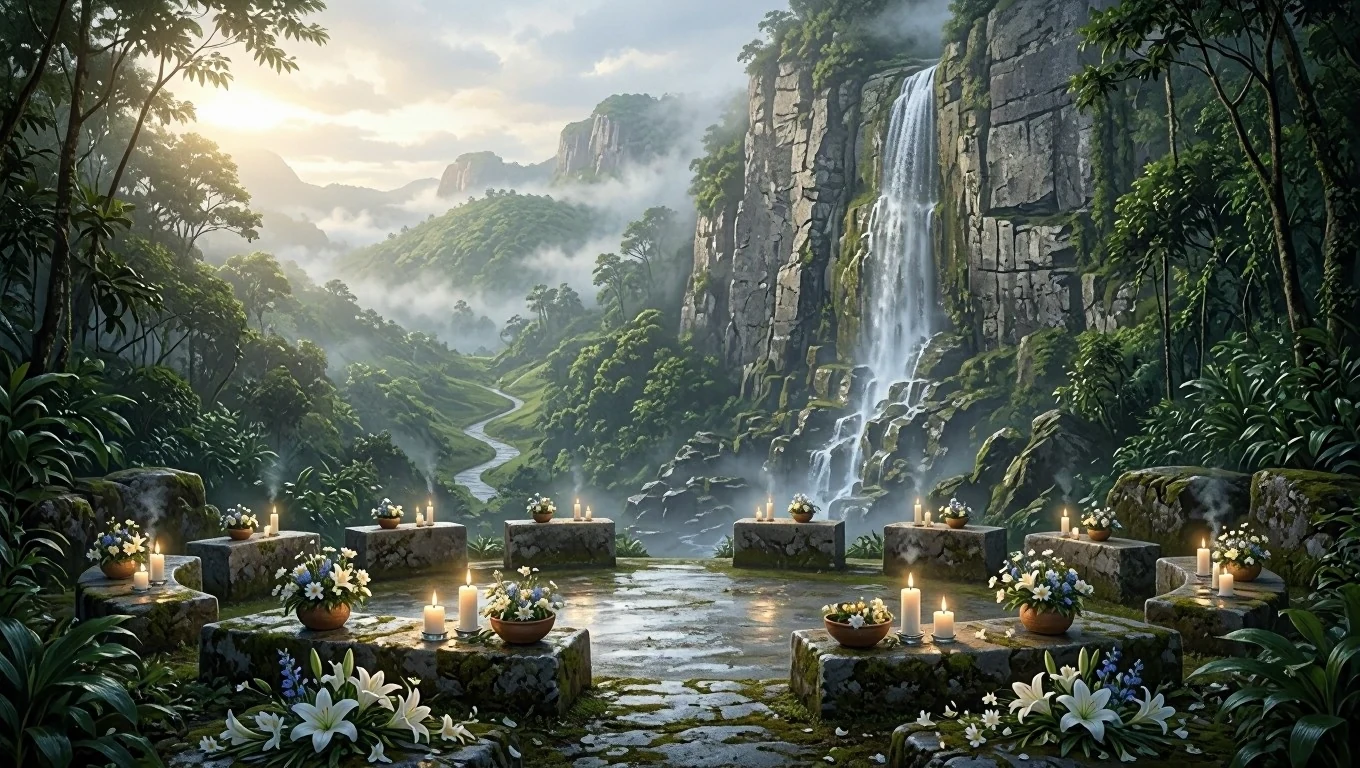
- Vale dos Orixás: semicircular area of about 900 m², with eight altars on the perimeter, Ogum (Ogun) at the entrance and Oxalá (Obatala) on a hill. The sanctuary features giant statues of the 10 orixás of the house's Umbanda.
- Reino dos Exus: a specific location for the povo de rua. For the house, Exu (Eshu) is a messenger, not an orixá, as would be in Candomblé. Photography is prohibited there.
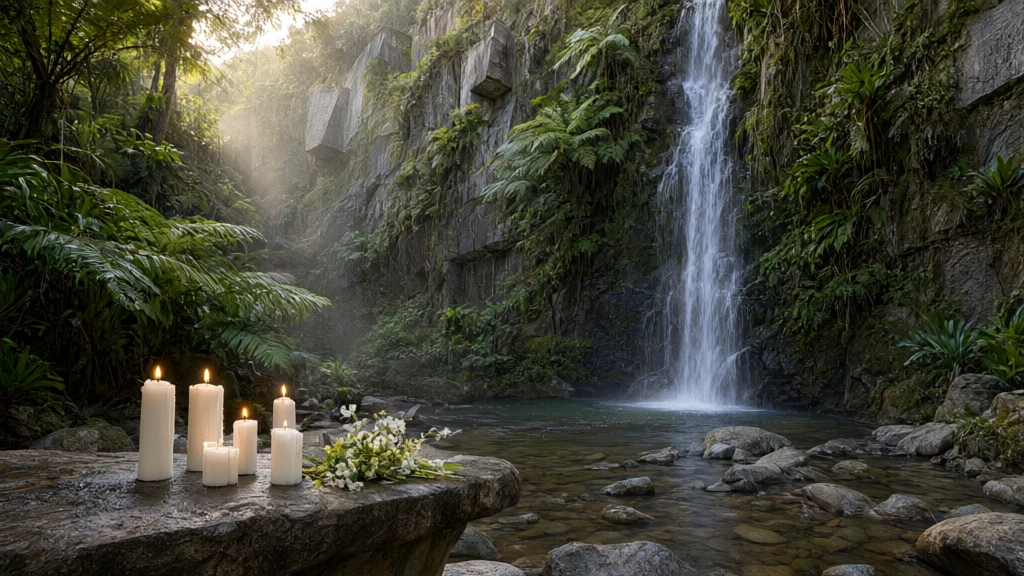
- Points of strength: waterfalls of Oxum, lakes of Nanã, quarry of Xangô, forests of Oxóssi (Oshosi), and the Cross of Souls (Cruzeiro das Almas).
- Statues: made of resin and fiberglass, produced in the sanctuary itself. National Geographic Brasil recorded images of up to eight meters.
The Ribeirão do Pedroso rises in the sanctuary, in three waterfalls. The third waterfall, the highest, only opens on weekends. The terreiros rent tents for the ritual works; there were about 100 in 2021. What the cross is and what it is for can be found in cruzeiro das almas.
The sanctuary also receives other traditions and mentions Candomblé, Candomblé de caboclo, Tambor de Mina, Xangô do Nordeste, nação Xambá, Jurema, and Omolokô among the houses that visit.
What can you bring as an offering to the sanctuary?
You can bring offerings of natural material: clay alguidar, perfume and honey without packaging, and flowers without plastic. What should not be used, the Visitor's Guide asks you to take back with you: "take only memories and leave only footprints".
The house rules:
- Candles only in candle holders, the supports next to each statue. Outside of them, there is a risk of fire.
- Waterfall for bathing only, with clothes on. No soap, oil, dendê, food, or offering in the water.
- No sacrifice and no offering with dead animals; those who do not comply will not enter again.
- Do not touch another person's offering and do not pull out plants.
- Closed shoes, because of venomous animals. Pets are not allowed.
After the offerings, the food is left for the animals, plastic and glass go to recycling, and the alguidares are broken and returned to the soil. A Geography research from USP recorded fences in all offering locations, scattered trash cans, and signs against sacrifice. How to assemble an offering is in how to make offering to the orixás.
If your terreiro asked for candles, alguidar, or herbs for the visit, Joia Mística helps check the material via WhatsApp.
The history: from the quarry to the sanctuary
The land was the Montanhão Quarry, also called dos Pedrosos, which provided crushed stone for the construction of the Via Anchieta in the 1940s. The sanctuary says the quarry ceased operations in the 1960s and left the area devastated. The Diário do Grande ABC speaks of activity until the 1970s.
Around the 1960s, Umbandistas already used the quarry on weekends, especially for Xangô. Among them was Pai Ronaldo Linares, who founded the Casa de Pai Benedito de Aruanda, in São Caetano do Sul, and the Federação Umbandista do Grande ABC, in 1972. According to the sanctuary, he was looking for a quarry for offerings to Xangô when he found Montanhão.
The use of the space went through several stages, recounted in the USP report:
| Year | What happened |
|---|---|
| 1979 | the federation achieves the officialization of religious use |
| 1985 | the City Hall of Santo André gives permission for use for guarding and reforestation |
| 1991 | a decree revokes the permission |
| 2008 | a law gives the federation the real right of use for twenty years |
The devastated area was reforested: the sanctuary speaks of more than 500 native species planted in more than thirty thousand seedlings. The report calls the place the "largest architectural complex in an open space" dedicated to Afro-Brazilian spirits.
Is the sanctuary a heritage site?
Yes. Condephaat registered the National Sanctuary of Umbanda as intangible heritage of the State of São Paulo on January 28, 2019, after a request made in 2017. It is not a tombamento: it is a registration of intangible property. In the same meeting, the council protected five Afro-Brazilian houses. The list of protected terreiros is in terreiros tombados pelo IPHAN.
In July 2025, the Ministry of Tourism placed the sanctuary in the Guia do Afroturismo no Brasil. National Geographic Brasil counted more than 96 thousand visitors in 2019.
November 15 is the National Day of Umbanda, by federal law of 2012. In the 2025 calendar, the sanctuary marked the date as an open day. The 2026 date has not appeared on the site until this publication. The history of the date is in dia da umbanda.
Frequently asked questions
Do you need to be from Umbanda to visit the sanctuary?
No. The sanctuary says that entry is individual and "dispenses with a link to any religion or group." Those who have never been to a gira can find tips in primeira vez na umbanda.
How much is the entrance fee to the National Sanctuary of Umbanda?
The sanctuary page gives R$ 20 per adult, paid in cash at the gate. Children up to 12 years old do not pay, with a document. Parking is free, and the shop does not accept cards. Confirm the value before going.
Can you take a waterfall ritual bath at the sanctuary?
You can go, with clothes and without throwing anything into the water: no soap, no oil, no dendê, no food. The third waterfall, the highest one, only opens on weekends.
Who created the Santuário Nacional da Umbanda?
The sanctuary is linked to Pai Ronaldo Linares, founder of the Federação Umbandista do Grande ABC in 1972. The federation is the maintainer of the space. The founding year changes depending on the source: the religious use was officialized in 1979.
References
- Vagner Gonçalves da Silva (org.), FEUSP (2024): Terreiros listed in São Paulo: reports and reflections
- Santuário Nacional da Umbanda: History
- Santuário Nacional da Umbanda: Opening hours
- Santuário Nacional da Umbanda: Annual calendar 2025
- Santuário Nacional da Umbanda: Entrance fee
- Santuário Nacional da Umbanda: Frequently asked questions
- Santuário Nacional da Umbanda: Visitor guide
- Santuário Nacional da Umbanda: Locations for offerings
- Santuário Nacional da Umbanda: How to get there
- Sara Rocha Bensadon, USP (2022): The presence of nature in the religious practices of the National Sanctuary of Umbanda
- Gazeta de São Paulo (2019): Condephaat demolishes five terreiros and registers the sanctuary
- National Geographic Brasil (2021): Emptied by the pandemic, Umbanda mecca asks for help
- Diário do Grande ABC (2025): Andreense sanctuary enters a guide for afro-tourism
- Presidência da República: Law 12.644, of 2012, National Day of Umbanda