




Umbanda
Baianos in Umbanda: who they are, colors and how they work
Meet the Baianos in Umbanda: who are the spirits of the baiano line, their colors, how they work in the gira and the syncretism with the Senhor do Bonfim.
Read articleCandle for the entire Baianos Line: undoing of charge, spirit, and joy of the Northeast
Baiano candle
7-day candle · stays lit for 7 days7 dias
Faith and intention
Whoever lights a candle never lights just wax and wick. They light a prayer request. The flame is the visible sign of something happening inside: the person stops, thinks of those they love, of what they need, of what they want to thank for, and delivers that to the sacred. That is why, in terreiros and in churches, it is said that what matters is the intention.
With the virtual candle, it is the same thing. You choose the candle carefully, write your prayer request in your own words, make your offering, and light it. Each step is a gesture of faith, and faith does not depend on the material of the candle. It is in you, at the moment you decide to light it and trust.
The candle stays lit on the altar for the time you chose, and you can return to look at the flame, pray again, and renew the prayer request. For those who live far away, cannot have fire at home, or need support in the rush of the day, it is a way to keep the flame of devotion burning.
The baiano candle is the candle for those who want to set the entire people of Bahia, without calling a spirit guide by name. Yellow and white, divided horizontally, it serves for those who do not yet know which baiano or baiana accompanies them, to give thanks after a gira, and for the house that feels heavy, without laughter and without energy. It is lit on the congá, near the floor, or in a clean corner of the room.
The Baianos are spirits of simple people from the Northeast: prayer leaders, market vendors, cowboys, guitar players, men and women from the sertão and the coast. The line was set in the terreiros of the Center-South in the first half of the 20th century, along with the northeastern migration. Many houses place it in the Linha das Almas and under the irradiation of Iansã (Oya) and Oxalá (Obatala), others add Ogum (Ogun), Oxóssi (Oshosi), or Xangô (Shango). The day of the gira also changes, and Monday and Saturday are the most cited.
At home, the Baiano asks for what he asks in the gira: truth, energy, and a simple meal. A glass of coconut water and a small plate of farofa are already a good offering. The candle helps to release the weight and restore the taste for the struggle. It does not perform the ritual work of a terreiro and is not used to harm anyone.
What is it for
Yellow at the bottom and white on top, the baiano candle is lit for the entire Linha dos Baianos of Umbanda. Yellow is the most universal color of the people of Bahia and white is the peace of Oxalá. It serves to remove heavy energy, break discouragement, and ask for strength for the daily work.
When the house became dense, the fights increased and no one knows why. The Baianos are known for undoing, and the candle firms this request for cleaning in the house.
For the days when everything is tiring before it even starts. The energy of the Baiano is warm, joyful, and stubborn, and the candle requests back the disposition to face the routine.
For those who improved their lives and started to feel envy nearby, at work or in the neighborhood. The request is for the line to cut the load before it hinders the path.
Market vendor, bricklayer, daily worker, street vendor, people working double shifts. The Baiano knows the toil up close and is called to give firmeza and spirit to those who cannot stop.
The line was born from the northeastern migration. Many mothers light this candle for a child who went to work in another city, requesting a safe path and good people wherever he is.
Who rules this candle
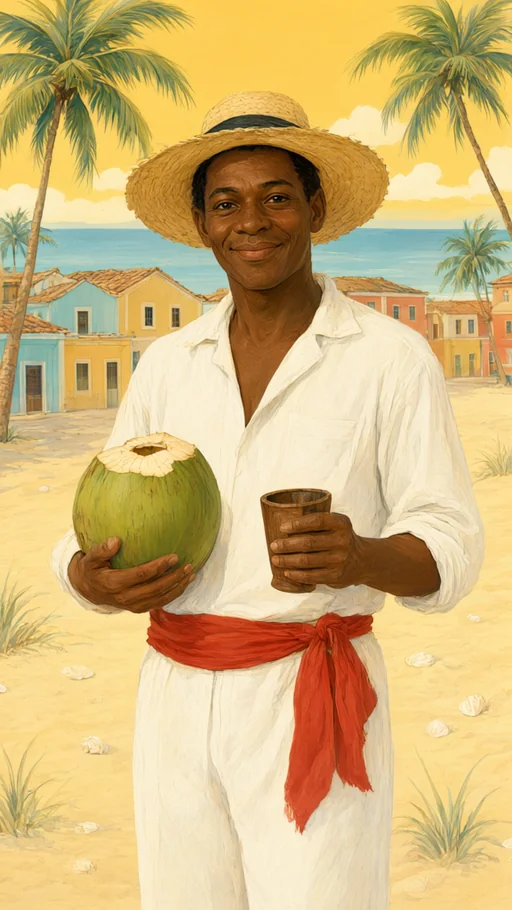
Baianos and baianas of Umbanda
The candle is for the entire line. Yellow is the most cited color of the baiano people, in the bead necklaces, in the ribbons, and in the flowers of the gira. They work with coconut, farofa, dendê, and strong prayer, and are called when the charge is stubborn.

Lady of the winds, mistress of courage
A large part of the houses place the Baianos under the irradiation of Iansã. The yellow of the candle is also her color in Umbanda, and the wind of Iansã is what moves the stagnant charge that the Baiano comes to undo.
Know Iansã
Father of creation and owner of white
The white half is from Oxalá, the calm that remains after the cleansing. The Baianos pray to the Senhor do Bonfim, patron of Bahia, whom the baiano syncretism brings close to Oxalá.
Know OxaláAlso settled for
Prayer to light
“People of Bahia, baianos and baianas of faith and wide laughter, I light this yellow and white candle for your entire line. I arrive with a tired house and ask permission to enter your circle. Strike the straw on my path and undo what was placed against me, without returning evil to anyone. Take away the envy from my door, the discouragement that is not mine, and the sadness that arrived without asking. Give me your good stubbornness, that of those who do not give up the fight, and your joy for the difficult days. Mãe Iansã, blow your wind over this house. Pai Oxalá, leave your peace in place of what left. Senhor do Bonfim, bless those who are far away. Hail the people of Bahia!”Light the candle and pray
Step by step
Crush rue or pinhão-roxo in water and pour from the neck down. The Baiano likes those who arrive ready to let go of the weight, and the ritual bath speeds up this part.
A clean place near the floor or a low table, away from curtains and walkways. A Baiano's table is as simple as a sertão kitchen: no luxury, but arranged with care.
The coconut water cup stays next to the candle and the farofa on a separate small plate. Strong drinks and tobacco leaf stay out, unless your terreiro advises otherwise.
Light with a match, hail the people of Bahia and say your full name. Tell the problem without embellishment, as you would tell a trusted neighbor, and say the prayer.
Do not blow out the flame, let the candle finish. The farofa goes to the soil of a garden, the coconut water to the root of a plant, and the wax to the common trash, wrapped in paper.
Ceromancy
Traditional terreiro reading. Before interpreting, check if there is no wind, crooked wick, or poor quality candle.
Many houses read the joyful and crackling flame as the way the Baiano works: moving, laughing, releasing what was stuck. The request was well received.
Silent cleansing, without fanfare. It is the common burning of a well-firmada 7-day candle and shows that the house is accepting the change little by little.
It is usually read as heavy load being burned. If the smoke decreases, the cleansing progressed. If it remains strong until the end, it is worth seeking a gira of Baianos.
It can speak of your own exhaustion. Check the wick and wind, take another ritual bath of arruda, pray calmly and, if necessary, repeat the firmeza the following week.
Most of the time it is the heat of the day or a crooked saucer, and it does not ask for a reading. Adjust the candle and continue the week without worry.
Ritual bath and smoke cleansing (defumação)

Ruta graveolens
The cleansing herb most used by the baiano people. A ritual bath before lighting or a branch behind the door during the seven days help to release the load.
See the herb
Jatropha gossypiifolia
Guard plant of the Northeast backyards. One plant at the house entrance or a branch next to the candle reinforces the prayer request against envy and evil eye.
See the herb
Dieffenbachia seguine
A pot near the living room door accompanies the candle's week as a sentinel. Stay alert: the plant is toxic and must be kept away from children and pets.
See the herbVirtual Candle
Choose the type, write your request, and pay by PIX. The flame stays on the altar and you follow along through the link.
Place on the altarFrequently asked questions
Yellow is the most universal color of the Baianos, and many houses combine it with white, as in this candle. There are terreiros that light yellow with red, especially for the baianas, and those who do not have the bicolor can use a yellow taper candle. If you are from a terreiro, follow the color of your house.
Monday or Saturday are the most remembered, but the day of the Baianos' gira changes from house to house, and there are those who firm the line on Thursday. At home, Monday late afternoon is a good choice. If you attend a terreiro, light it on the day they perform the gira.
You can, with faith and respect. The candle is a prayer, and anyone can light it for the people of Bahia asking for cleansing and spirit. The deeper unraveling, the spirit incorporation, and the use of alcohol and tobacco leaf are left for the terreiro, with guidance from those who lead the house.
The colors are the same, yellow and white, but the Zé Baiano candle has the Seu Zé label and is for those who already work with him. This is the candle for the entire line, without a name. The Maria Bonita candle, yellow and red, is dedicated to a baiana. If you do not know who your baiano is, start with this one.
In most houses, no. Baianos are spirit guides of Umbanda who work on undoing and counseling. Some terreiros hold their gira near the left side or share a session with Exus because of the heavy cleansing, but that does not make the Baiano an Exu (Eshu).
The best way is to let it burn continuously until the end. If you need to leave, smother it with a saucer, never blow it out, and relight it with a match, saving the line again. The firmeza remains valid, just do not leave the candle sitting for many days.
When the candle finishes, the farofa goes to the soil of a garden or a large pot and the coconut water goes to the root of a plant. The wax and the glass go to the common trash, wrapped in paper, and the cup and the saucer are washed.
What gives strength to the candle is the intention of the one who lights it. In wax or on a screen, you set aside a moment, think of your prayer request, deliver your offering, and light it with faith. The flame is the sign; the faith is yours and goes along with it. When the situation calls for firmeza in the terreiro, the virtual candle does not replace the zelador, but as a prayer and a prayer request, it is worth just as much as a candle lit at home.
Meet the Baianos in Umbanda: who are the spirits of the baiano line, their colors, how they work in the gira and the syncretism with the Senhor do Bonfim.
Read article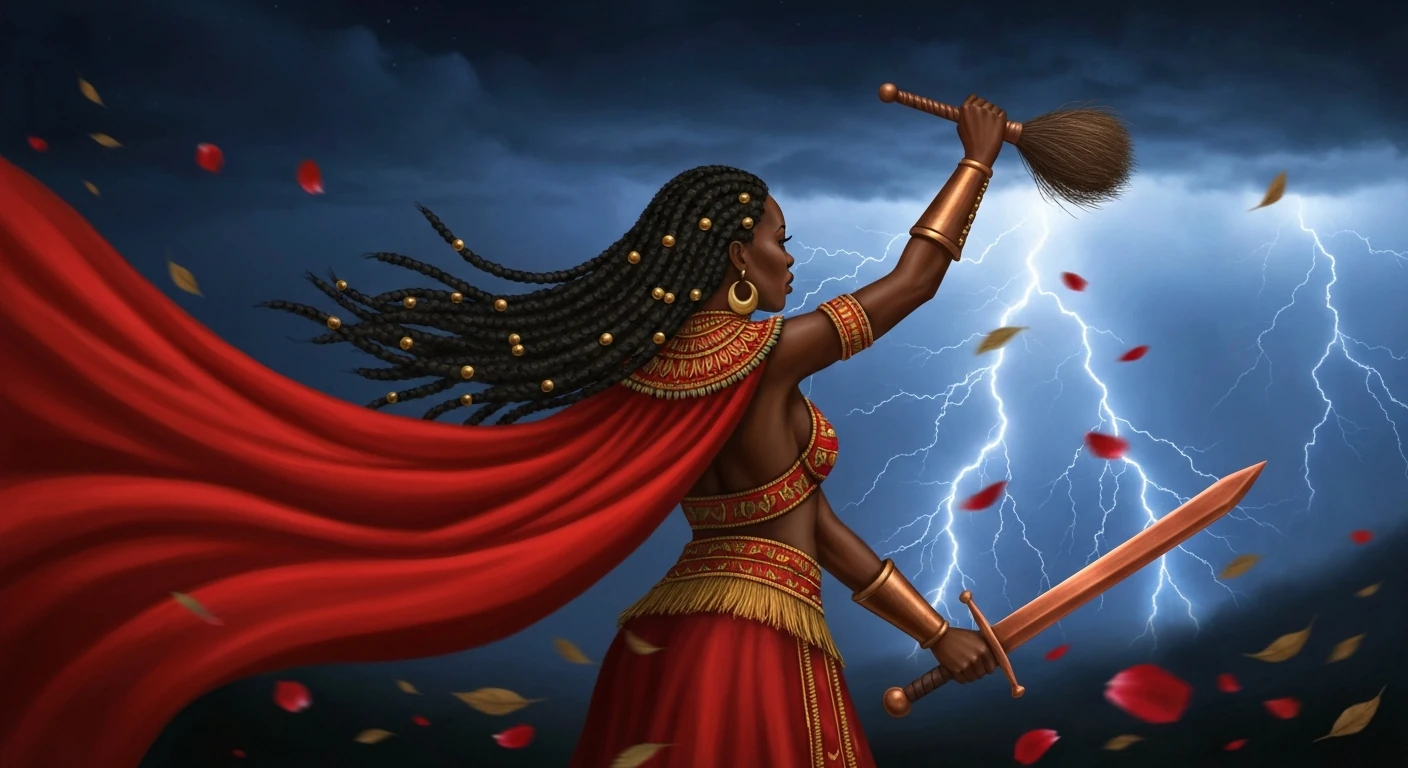
Who is Iansã, the only orixá (orisha) who rules the éguns: the winds, the lightning, the day and color card, the offerings, the greeting, and the myth that gave her the cemetery.
Read article
Learn how to do a cleansing smoke (defumação de descarrego) on yourself or another person: signs of heavy energy, hot herbs, turning in the smoke, and when to seek a terreiro.
Read article
The guiné ritual bath serves for spiritual cleansing (descarrego), protection and opening of paths, and each purpose has its own recipe. See the step by step and what to expect.
Read article