You can be the child of more than one orixá, yes: in ketu candomblé, in addition to the head orixá, each person has a second orixá, the juntó, which complements the first. That is why it is said "I am the child of Oxalá and Iemanjá". Many houses also recognize a third orixá, and in umbanda the count changes from house to house.
Can you be the child of more than one orixá?
You can, and that is how tradition tells it. The sociologist Reginaldo Prandi explains this in the Horizontes Antropológicos magazine. Each person has the head orixá and "a second orixá, which acts as an associated divinity (juntó) that complements the first".
The Nagô vision goes beyond the pair. Monique Augras and Angela Maria Correa studied a Ketu nation terreiro in Rio de Janeiro. There, they recorded that "each person is a world in miniature, which includes within itself all the orixás". The owner of the head commands, but does not act alone.
The name of the second orixá varies. Juntó is Prandi's form; ajuntó, adjuntó, and adjunto appear in other houses and research. The most common explanation for the word is that it comes from "adjunto".
Head orixá and juntó in ketu candomblé
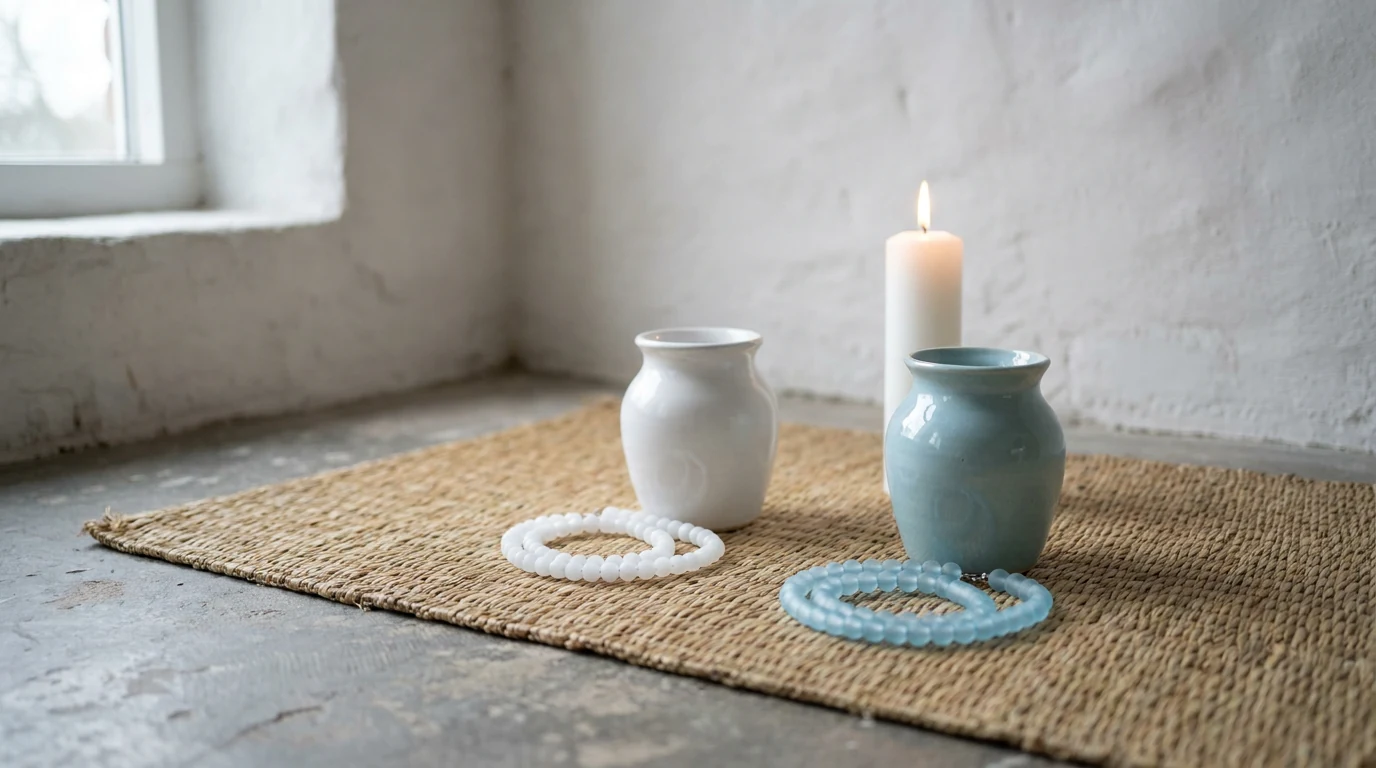
In ketu, the main orixá is the head owner, also called eledá. The juntó is the orixá that accompanies the eledá. The person presents themselves by both, and generally, if the first is masculine, the second is feminine, "as if each one had a father and mother".
The juntó has its own place in initiation. In the feitura, the iaô uses a delogum of the eledá and another of the ajuntó, the accompanying orixá, according to the testimony of a babalorixá heard in the thesis of Luciano Lima Souza, from UESB. In the same thesis, the babalorixá and professor Júlio Braga corrects a common idea:
“It seems like the ajuntó is less important than the orixá of the head. Both are important.”
Júlio Braga (Oyá Tundé), in the thesis by Luciano Lima Souza, UESB, 2019
And the third orixá? The Ketu terreiro studied by Augras and Correa noted, for each filho de santo, columns of “second orixá” and “third orixá”. The researcher João Ferreira Dias, from the Instituto Ixéxé, describes the person as “as a rule, three Orixás”: the one who commands and two that accompany. He says that the old terreiros of Salvador have pairs of juntó that are already standardized, but that “this norm is not universalized”.
In the nagô nation and in Umbanda
In Pernambuco, the nation of Yoruba origin is called nagô. In the houses of Recife studied by the anthropologist Rita Segato, each filho de santo is linked to the dono da cabeça and, in most cases, an ajuntó. The povo de santo thinks it is better to have one masculine and one feminine santo. But there is an exception. Segato recorded a woman with two feminine santos, Oxum (Oshun) and Iansã (Oya).
In Umbanda, the number changes from house to house.
| Tradition | Principal orixá | Second | Others |
|---|---|---|---|
| Candomblé ketu | dono da cabeça, eledá | juntó | third orixá in many houses |
| Nagô from Pernambuco | head owner | ajuntó | third orixá in some cases |
| Umbanda | front or head orixá | juntó, adjunto, adjuntó | ancestor, third and fourth, depending on the house |
A Umbanda tent in Bom Despacho (MG) teaches that each person brings "3 orixás" in the crown: front, adjuntó and ancestor. A Sacred Umbanda house in Rio counts four. In the "Umbanda with Nagô" of João Pessoa, researcher Johnatan do Vale recorded the main orixá and three more regents: juntó, runbó and a fourth. In the Gaucho Batuque, the pair is called front orixá and junto orixá, and it has its own article.
Inherited orixá: when the orixá comes from the family
Some houses recognize inherited orixá (santo de herança). In the Terreiro do Gantois, a Ketu Candomblé house in Salvador, the founder's lineage is marked by the inheritance of orixás: "the head orixás of family members are passed, in a direct way, to the descendants." Anthropologist Clara Flaksman recorded, in the Mana magazine, the case of Leila, great-granddaughter of Mãe Menininha. She carries her great-grandmother's Oxum as a family inheritance and also has Ewá (Yewa) in her head, an orixá of few children, as we tell in children of Ewá.
It is not a unique case. Flaksman cites anthropologist Goldman: Joãozinho da Gomeia, "besides his own divinity, inherited the orixá of his godmother." When an initiate dies, the house performs the cowrie-shell divination to know if his orixá will be despachado (ritually released), entrusted to someone, or kept in the ilê. Who decides the inheritance is the divination, not the family's will. The rite performed after death is in axexê.
Who defines your orixás
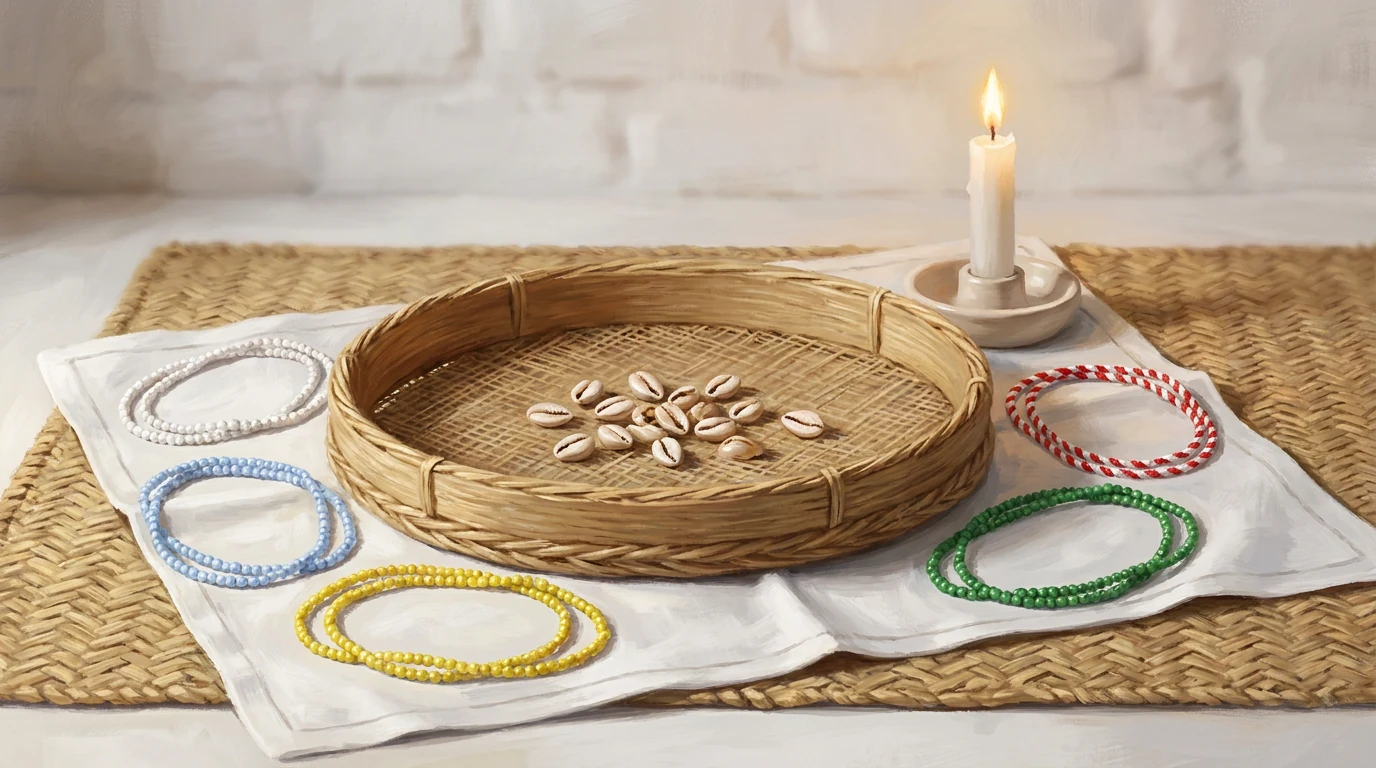
What defines it is the cowrie-shell divination of the pai de santo or mãe de santo of your house. In the Ketu terreiro of Augras and Correa, the babalorixá was cautious. He only risked saying someone's orixá "after a fairly prolonged contact with the seeker and several hours of cowrie-shell divination". How the oracle works is in what is cowrie-shell divination.
Guesswork exists, and tradition is suspicious of it. The researchers noted that, the higher a person rises in the terreiro hierarchy, "the less they venture into this type of guesswork". In Recife, the house tries to "intuit" the orixá of whoever arrives, and the cowrie-shell divination confirms it or not.
The reading can also be revised. Prandi records the suspicion of "wrong orixá", when the one who initiated identified the orixá incorrectly. In João Pessoa, a filho de santo given as Xangô (Shango) heard from another pai de santo that he was Oxum, with Iemanjá as juntó. If doubt appears, the conversation is with the leader of your house.
The orixá test of the site shows the orixá of greatest temperament affinity and the "secondary connections". These connections are not your juntó. The test itself warns that the head orixá is only confirmed with a priest, through the cowrie-shell divination (jogo). The signs that help and those that do not serve are in how to know which is your orixá.
What changes in practice
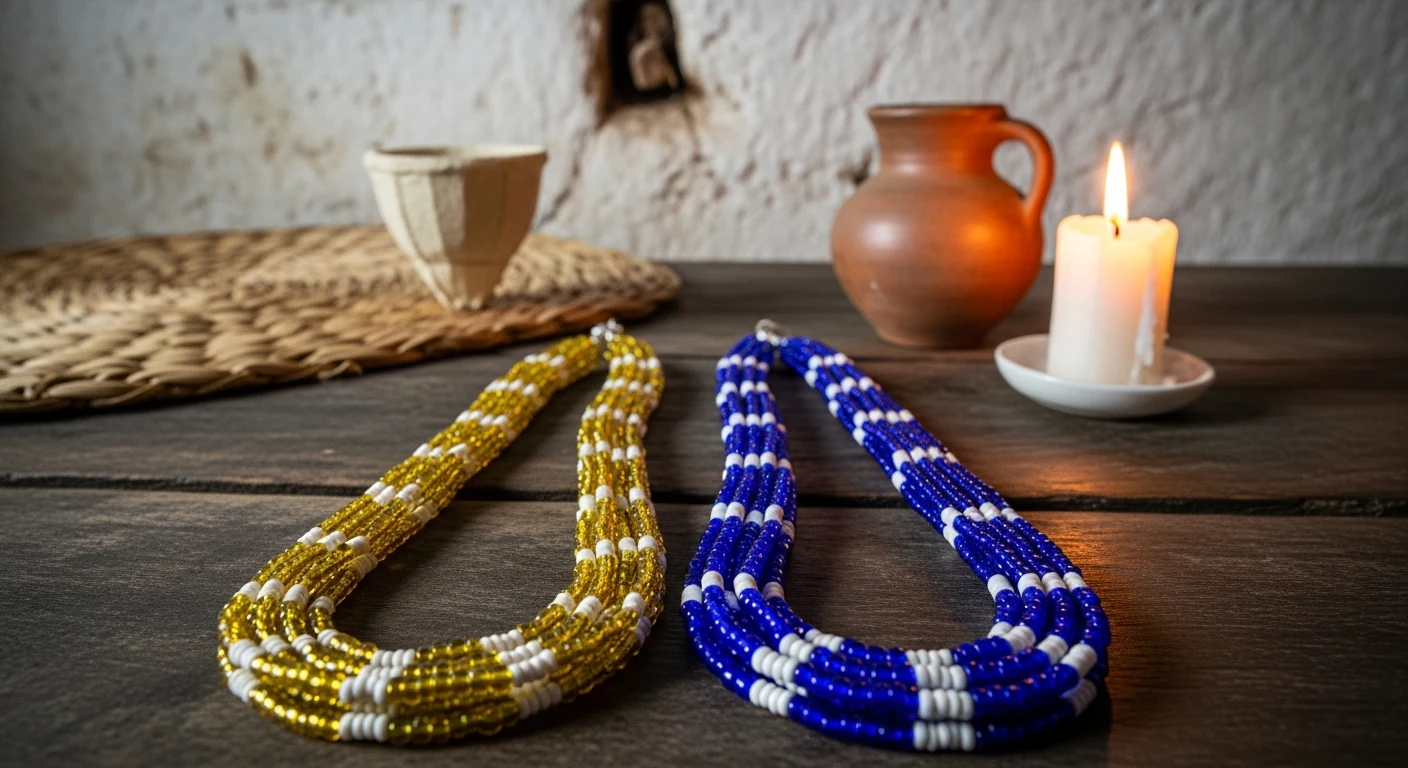
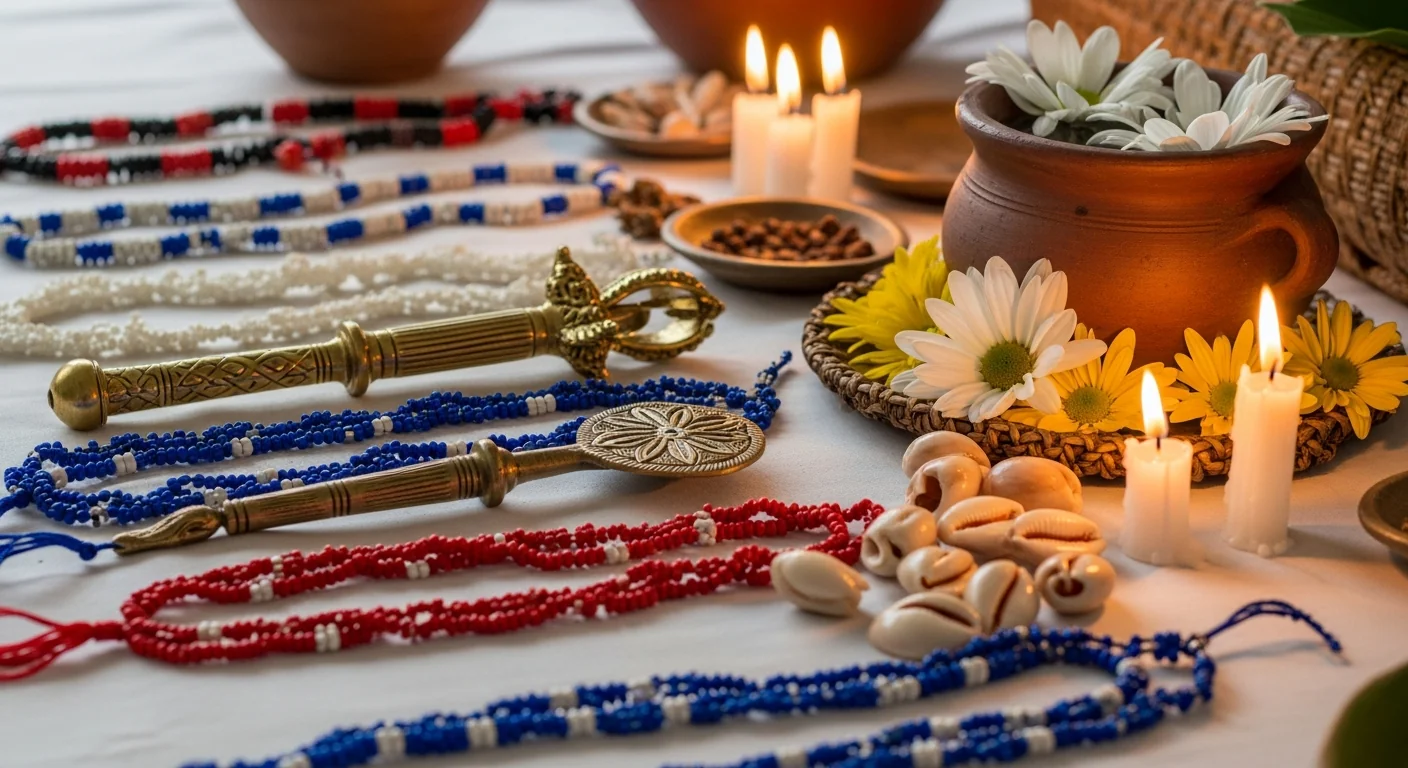
In Ketu, after the divination (jogo), the person receives "a sacralized bead necklace (fio de contas), whose colors symbolize your orixá". In the feitura, the juntó gains its delogum alongside the eledá. In many houses, then, the person takes care of both. The rest (which candles, which days, what obligations) follows the fundamento of the house.
In Sacred Umbanda, the leader of the Templo Escola Sete Pedreiras asks a question first: "What will you do with this information?" Knowing your own orixás makes sense within the development in the house. The colors of the bead necklaces of each line are in the bead necklace guide in umbanda.
Frequently asked questions
Can one be the child of two male orixás?
Yes. The combination of a male and a female is the most common in ketu, and Prandi writes "generally," not "always." In Recife, the people of santo prefer the mixed pair. Even so, Segato recorded a woman with two female orixás. He also recorded a mãe de santo with three males.
How many orixás does a person have?
It depends on the tradition and the house. In ketu, the head orixá and the juntó are noted, and many houses note a third. In Umbanda, there are houses that count three orixás in the crown and others that count four. In the nagô vision, each person carries all the orixás, with one in command.
Is the juntó less important than the head orixá?
No. The head orixá commands, and the juntó accompanies and complements. The babalorixá Júlio Braga recalls that, in the initiation, both receive delogum and "both are important."
The site test gave two orixás. What is my juntó?
The test does not show the juntó. It points to temperament affinity, and the "secondary connections" are the orixás that came in second and third place in your answers. The juntó is known in the cowrie-shell divination, performed by the pai or the mãe de santo of your house.
Where to buy items for your orixás
At Joia Mística Laroyê you find what your house asks for the head orixá and for the juntó:
- Bead strings and bead necklaces in the colors of each orixá, in the combination indicated by the house
- Candles in the colors of the orixás, taper and seven day types
- Statues of orixás in resin and plaster
- Quartinhas and pottery for the consecrated foundation (assentamento) that the house sets up
Stop by the shop, at Rua Benedito Zingari, 460, Bela Vista, in Extrema-MG, or message on WhatsApp with delivery to all of Brazil.
References
- Reginaldo Prandi: os deuses africanos no Brasil contemporâneo, Horizontes Antropológicos, 1995
- Augras and Correa: The object of desire, the identification of the owner of the head, Arquivos Brasileiros de Psicologia, 1979
- Rita Laura Segato: Inventing nature, in Xangô do Recife, Anuário Antropológico, 1986
- Clara Flaksman: kinship in Candomblé, of blood and of orixá, Mana, 2018
- Luciano Lima Souza: The sacred necklaces of memory, thesis, UESB, 2019
- Johnatan do Vale: Umbanda and medicine in João Pessoa, dissertation, UFPB, 2013
- João Ferreira Dias: Juntó, modes and desmodos in Candomblé, 2019
- Templo Escola de Umbanda Sagrada Sete Pedreiras: how to know my head orixás, 2020
- Tenda de Umbanda Caboclo Sete Flechas e Jurema: orixás of front, adjunct and ancestor, 2022