Red and Yellow Candle
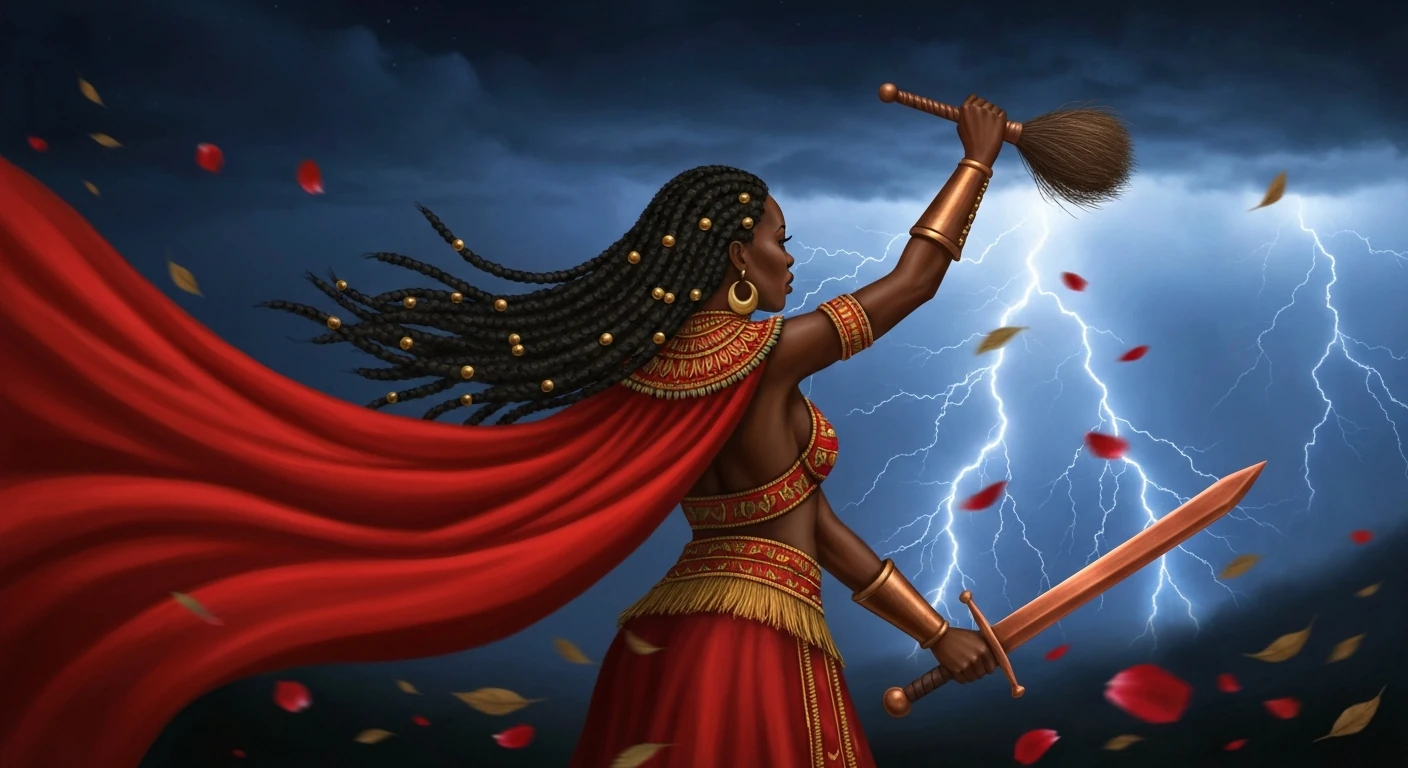
The lightning and wind of Iansã (Oya) together to unlock what has stopped and give courage to decide
Red and Yellow Candle
7-day candle · stays lit for 7 days7 dias
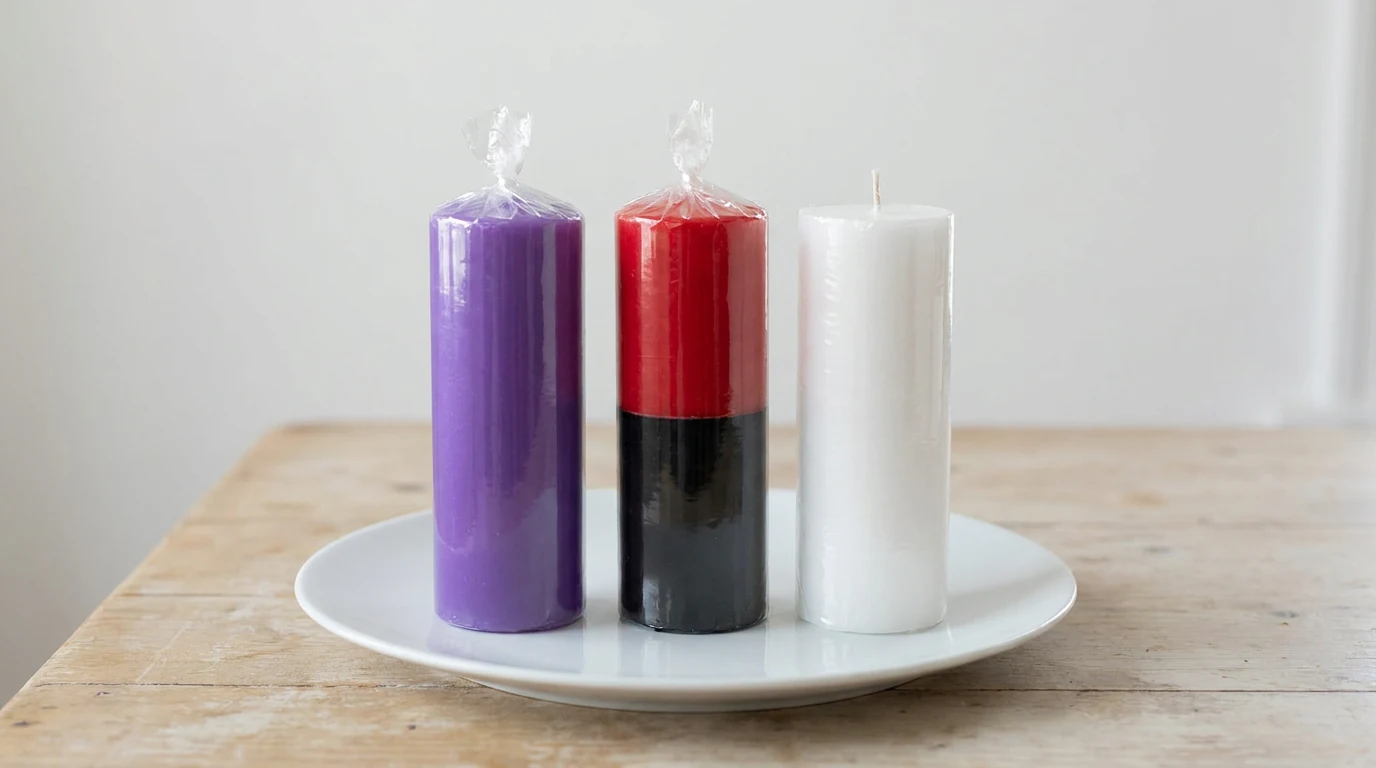
The red and yellow candle has two colors because it tells a story of two traditions. In Candomblé, Iansã appears in red, coral, and brown. In many houses of Umbanda, the same orixá (orisha) receives the gold-yellow. When the two colors share the same wick, the message is simple: here one asks the Lady of the Winds in full, with the fire and with the brightness of the lightning.
The fundamento comes from the domain of Oyá. She is the wind that changes direction, the lightning that cuts the sky, and the warrior who does not flee from the fight. Wednesday is her day in most terreiros, and December 4, the feast of Saint Barbara in syncretism, gathers many people in red at the doors of houses. She is also the orixá who conducts the éguns, which is why the respect for this candle is great.
At home, this bicolor is a flame of movement, not of rest. Those seeking peace and silence are better served by a white candle. This one serves for when life has stalled, when courage is lacking for a difficult conversation, or when the time has come to turn the page. It does not solve the issue for you: it blows in favor of those who have already decided to move forward.
What is it for
What is the Red and Yellow Candle for
The red and yellow candle joins the two faces of the same queen: the red that Iansã wears in Candomblé and the golden yellow that Umbanda usually gives her. It is lit to unlock a stalled situation, gain courage, ward off envy, and cross through changes.
-
Unlock what has been stalled for months
A process that is not moving, a postponed house move, an answer that never arrives. The flame of Iansã is lit so that the situation moves, and you need to be ready to act when it does.
-
Courage for a difficult decision
Resigning, ending a relationship, facing a postponed conversation. Many people light this candle on the eve, asking the warrior of the winds for a steady voice and clarity when speaking.
-
Sweep away envy and evil eye
When the feeling is that people are rooting against you, the wind of Oyá is called to blow that charge away. Combine with a tidy house and a clean front door, which help the flame to work.
-
Breath for a new project
A business that is starting, a contested job opening, a career change. The color of fire asks for spirit and initiative, and the yellow asks that the effort shows. The work continues to be yours.
-
Greet Iansã on her day
On Wednesday or on December 4, the red and yellow candle is a simple way to honor Oyá without asking for anything, just thanking for the strength she gave during a stormy phase.
Who rules this candle
Orixás and spirits of the Red and Yellow Candle
-

Iansã (Oyá)
Lady of the winds, of the lightning, and of the éguns
Red is the color of Iansã in Candomblé and gold-yellow is the color that a large part of Umbanda gives her. With Wednesday as the day and the wind as the domain, the candle that unites the two colors belongs to her before any other.
Knowing Iansã (Oya)
Also settled for
- Caboclas of Iansã
- Baianas
Prayer to light
Prayer of the red and yellow candle to Mother Iansã
“Mother Iansã, mistress of the wind that changes everything of place, I light this candle of fire and gold before you. Look at what is standing still in my life and pass through it with your windstorm. Take away the envy that weighs on the door of my house and the doubt that ties my mouth. I do not ask you to fight in my place: I ask for courage to take the step I have been delaying. May your lightning clear the road and may your eruexim keep away from me everything that is not light. Receive this flame as a thank you for the storms I have already crossed on my feet. Eparrei, Oyá!”Light the candle and pray
Step by step
How to set the Red and Yellow Candle
- 1
Choose Wednesday
The day of Iansã is Wednesday in most houses. If the urgency cannot wait, light it on another day, but mention in the prayer that the candle is for her and state the reason for the haste.
- 2
Cover an airy corner
Iansã is wind, and the candle likes a place with air, but protected from strong currents. Spread the cloth, place the saucer in the center, and leave the rose beside it, without touching the flame.
- 3
Hold the candle and say what needs to change
With the candle in your hands, speak in a low voice about what is stuck and what you are willing to do. A vague prayer request yields little with Oyá; she responds better to those who know what they want.
- 4
Light and greet the orixá
Light with the match, say "Eparrei, Oyá!" and say the prayer. Then stay for a few minutes looking at the flame, without rushing to leave, and let the candle burn on its own.
- 5
Finish without blowing
During the seven days, do not blow out the flame. If you need to smother it, use a spoon. At the end, the rose can go to a garden or a vase, and the leftover wax will be wrapped in the common trash.
Precautions before lighting
- The 7-day candle stays lit for a long time: place it away from curtains, loose fabric, and windows with strong wind, and out of reach of children and pets.
- Iansã is a warrior, not a seeker of revenge. Do not light this candle to bring someone down or to bind anyone's will; the prayer request is for your path.
- Because she is the orixá who leads the éguns, matters of death, disincarnation, and assentamento (consecrated altar) are for the leader of your terreiro, not for a candle lit at home.
- The espada-de-iansã and other leaves of the orixá must not be ingested. Keep the pots out of reach of children and animals.
Ceromancy
What the flame of the Red and Yellow Candle shows
Traditional terreiro reading. Before interpreting, check if there is no wind, crooked wick, or poor quality candle.
- Good sign
High flame that sways with vigor
Many houses read the living and dancing flame as Iansã in motion, moving what was still. It is the most expected burning for this candle.
- Good sign
Sparks and crackles in the wick
The crackles are usually read as a quick response, the lightning of the orixá opening a path. Before, check if the wick is not damp or dirty.
- Attention
Low and weak flame
It may indicate that the prayer request is still confused or that the environment is heavy. Review what you want, tidy the room, and repeat the candle on a Wednesday.
- Attention
A lot of black smoke rising
Many people read this as a charge being burned. Before, check if the wick is not too long. If the smoke returns in several candles in a row, seek a trusted terreiro.
- Observe
Wax running only to one side
It is almost always wind coming from the window or a crooked surface. Adjust the location before seeking a reading. If it persists, some see there the side that asks for more attention.
Ritual bath and smoke cleansing (defumação)
Herbs that combine with the Red and Yellow Candle
-

Iansã's Sword / Saint Barbara
Sansevieria trifasciata var. laurentii
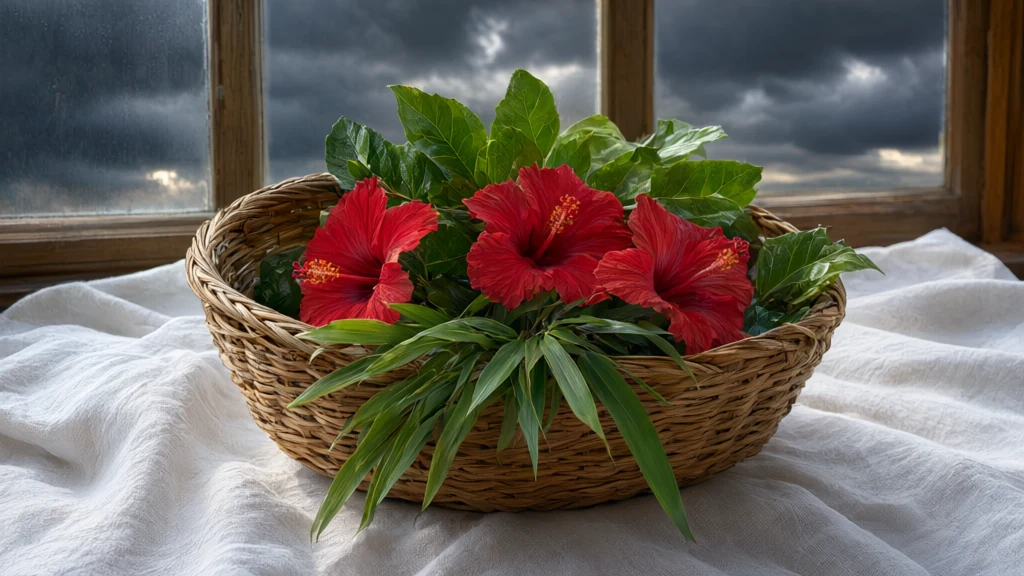
The plant most linked to Oyá. A pot of it near the door accompanies the candle. It does not go in the mouth or in a ritual bath without the guidance of the house.
See the herb -

Cana-do-Brejo / Cana-de-Macaco
Costus spicatus
The leaf that many houses give to Iansã. Some leaves on the saucer, around the candle, reinforce the request for movement and passage.
See the herb -

Carqueja
Baccharis trimera
Cited among the herbs of Iansã in Umbanda houses in São Paulo. It can enter dry in a light smoke cleansing (defumação) of the room before lighting.
See the herb
Virtual Candle
Light the Red and Yellow Candle now
Choose the type, write your request, and pay by PIX. The flame stays on the altar and you follow along through the link.
Place on the altarFrequently asked questions
Questions about the Red and Yellow Candle
Is the red and yellow candle of Iansã or another orixá?
It is Iansã's. The red comes from Candomblé, where she wears coral and garnet, and the golden-yellow comes from many Umbanda houses. There are terreiros that think differently, so the final word is that of your terreiro leader, but the most common reading is this.
What is the difference between the red and yellow candle and the yellow candle?
The pure yellow one usually goes to Oxum (Oshun) and speaks of abundance and sweetness; only part of Umbanda gives it to Iansã. The bicolor makes it clear that the prayer request is for Oyá and brings the red of the struggle, so it serves more for courage and change than for romance.
What is the best day to light the Iansã candle?
Wednesday, which is her day in most houses. December 4, the day of Saint Barbara, is also very common. If the matter is urgent, light it when you need to and say in the prayer who the candle is for.
Can I blow out the 7-day candle and light it again?
You can, as long as you do not blow it out. Smother it with a spoon or a saucer and relight it as soon as you return, preferably on the same day. Blowing is seen as undoing the request, and the smothered candle continues the same work when it burns again.
What to do with the leftover wax and the rose?
The remaining wax will be wrapped in paper for the common trash. The rose can be left in a garden, in a vase, or at the foot of a tree. Do not keep the leftover to use in another prayer request, because it has already fulfilled its function.
Can I light an Iansã candle inside the house?
You can. For prayer requests of courage, change, and protection against envy, the candle at home is welcome. What is not done at home is ritual work with éguns or the firmeza of an assentamento: that is done in the terreiro, with those who have fundamento.