Brown and Red Candle
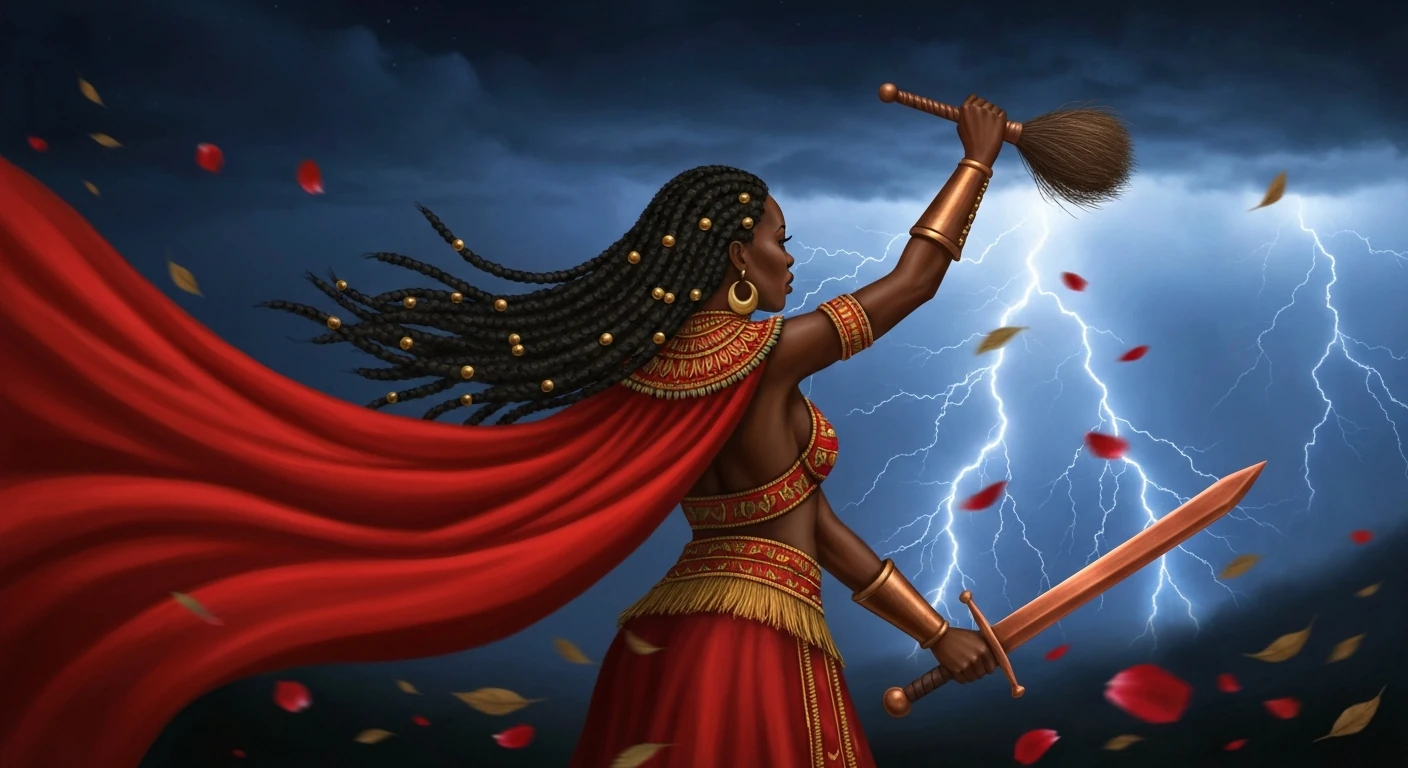
The couple of thunder and lightning, Xangô (Shango) and Iansã (Oya), for justice with courage and an unblocked cause
Brown and Red Candle
7-day candle · stays lit for 7 days7 dias
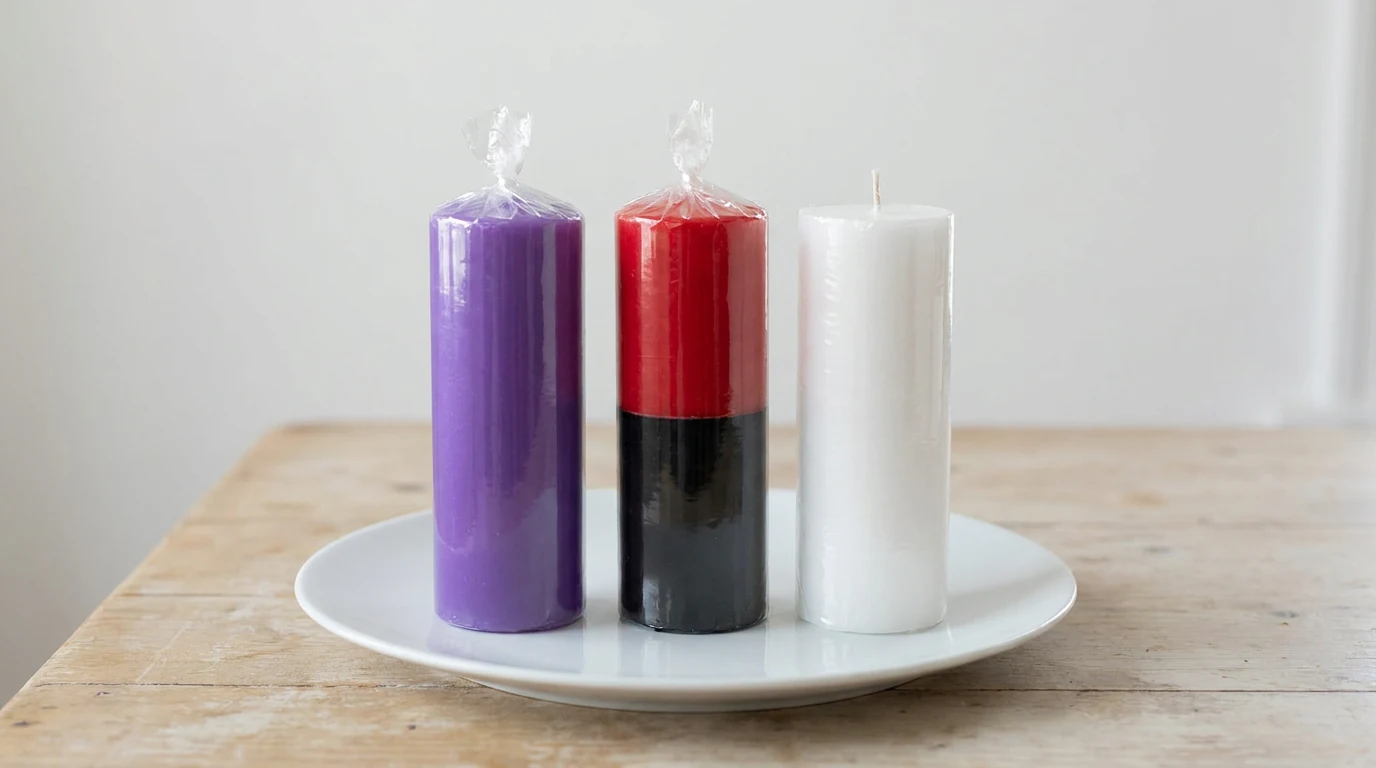
There are prayer requests that cannot be resolved with only patience or only courage. The brown and red candle exists for these cases. It is a two-color candle, divided horizontally, used mainly in Umbanda and in home devotion, when a person feels that reason is on their side but the situation simply does not move. The brown holds, the red pushes.
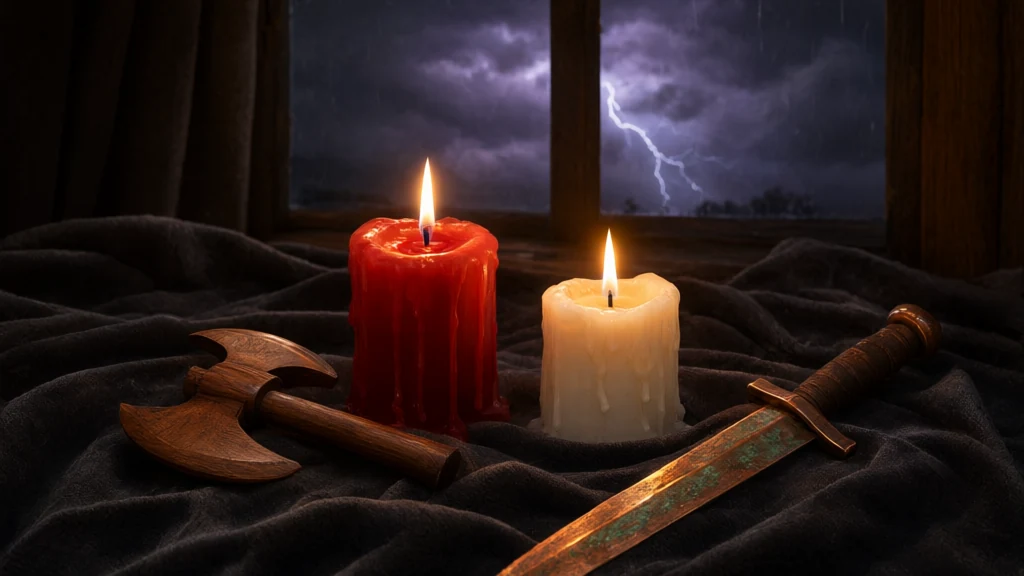
The two colors tell the story of a couple. Xangô, the king of Oyó, lives in the quarry and judges with the oxê; in many Umbanda houses, brown belongs to him. Iansã, the Oyá of winds and lightning, was the wife and war partner of Xangô in the myths, and coral red is the color that identifies her most. The two share Wednesday. It is worth knowing that this combination is a custom of Umbanda: in Candomblé ketu, Xangô wears red and white, and there are houses where brown itself is also given to Iansã.
At home, she makes an honest prayer request. Xangô does not grant a cause to those who lie, and Iansã does not blow in favor of those who want to bring down the other. The brown and red candle serves to bring order and movement to your life, not to defeat someone at any price. Whoever lights it also assumes their own part of the story.
What is it for
What is the Brown and Red Candle for
Half stone, half fire. The brown and red candle joins the brown of Xangô to the red of Iansã and is lit when a cause needs justice and movement at the same time: a decision that won't move, leadership put to the test, a fight that drags on.
-
Just cause that is stuck
Stopped process, endless inventory, agreement that no one signs. Xangô weighs the truth and Iansã clears the dust from the place. Light it requesting a just outcome, whatever it may be.
-
Lead without losing your way
Recent promotion, new team, a position that requires firmness. The candle asks for the serene authority of Xangô along with the courage of Iansã to speak when necessary and listen when convenient.
-
Decide quickly under pressure
When the choice cannot wait and the head freezes, the flame of the two orixás (orishas) helps to separate what is fear from what is prudence. The decision continues to be yours.
-
Escape from persecution and injustice
For those who are being defamed, charged without reason, or boycotted at work. The request is for the truth to appear and the persecution to lose strength, without wishing ill to the other.
-
Turn a phase that is not moving
The wind of Iansã moves things around and the stone of Xangô gives a base to what comes next. Good for new beginnings where courage is needed to leave and ground to stay.
Who rules this candle
Orixás and spirits of the Brown and Red Candle
-

Xangô
King of Oyó, lord of the quarry and the oxê
The brown of the candle is the color of the rock where Xangô lives and is his color in much of Umbanda. Lord of justice and thunder, owner of Wednesday, he responds for the half that asks for balance, truth, and steadiness.
Know Xangô -

Iansã (Oyá)
Lady of the winds, of the lightning, and of the éguns
The red is of Iansã, a warrior whom myths place by the side of Xangô as a wife and partner in the fight. She shares with him Wednesday and the lightning, and responds for the half of the candle that asks for courage, change, and action at the right time.
Knowing Iansã (Oya)
Also settled for
- Caboclos of Xangô
- Caboclos of the quarry
- Caboclas of Iansã
- Boiadeiros
Prayer to light
Prayer of the brown and red candle to Xangô and Iansã
“Pai Xangô, king who lives in the stone and does not bow to lies, look upon my cause with your balance. If I am wrong, show me where; if I am right, make the truth appear before those who need to see. Mãe Iansã, lady of the wind that asks no permission, blow away what is stagnant in my life and give me courage to take the step I have been delaying. May the steadiness of one and the strength of the other walk together with me this Wednesday. I do not ask for anyone's evil, I ask for what is just and what is mine. May this flame rise like lightning and return like gentle rain over my house. Kaô Kabecilê! Eparrei, Oyá!”Light the candle and pray
Step by step
How to set the Brown and Red Candle
- 1
Prepare the base on a Wednesday
Place the plate in the spot and, if available, a smooth stone underneath. The stone recalls the quarry of Xangô and keeps the candle steady, without risk of tipping over during the days of burning.
- 2
Write what needs to be resolved
On a small piece of paper, write the cause in a few words, without the name of the person you want to harm. Fold it and leave it under the plate. This organizes the request in your own head.
- 3
Scatter the leaves around
Make a circle with the bay leaves or para-raio leaves around the plate. The bay leaf speaks of just victory, and the para-raio is a leaf that both orixás share.
- 4
Light it and call both by name
Strike the match, light it and call Xangô first, then Iansã. Perform the prayer calmly and tell the situation as you would tell someone you trust, without exaggerating or hiding your part.
- 5
Follow until the end and finish well
Do not blow on it. If you need to leave, smother it and relight it when you return. When finished, the water goes to the earth, the leaves to a garden, and the rest of the wax to the common trash wrapped up.
Precautions before lighting
- A 7-day candle stays lit for a long time: use a ceramic or stone base, away from curtains, wooden shelves, children, and animals. Do not leave it burning inside a cabinet.
- This candle is not for bringing down a competitor or for imprisoning anyone. Requesting harm to another person in the name of Xangô goes against the very foundation of his justice.
- Assentamento, obligation, and offering of an orixá with foundation are matters for the leader of your terreiro. The home candle accompanies the faith, but it does not fulfill that role.
- In a legal case, the candle accompanies and does not replace the lawyer or the court deadlines. Do your part in the world while you pray.
Ceromancy
What the flame of the Brown and Red Candle shows
Traditional terreiro reading. Before interpreting, check if there is no wind, crooked wick, or poor quality candle.
- Good sign
High flame burning at a constant rhythm
Many houses read this as a well-settled request: the steadiness of Xangô sustaining the strength of Iansã. Follow the burning normally and maintain the posture you promised.
- Good sign
Live flame that crackles and releases sparks
In an Iansã candle, the spark is usually read as movement arriving. Something must change place soon. Stay alert to the opportunities that appear.
- Attention
Candle that melts only on one side
It may indicate an unbalanced prayer request, more haste than reason or the opposite. Check if there is no side wind and, if there is none, honestly review what you are asking.
- Attention
Low flame that almost disappears
The cause may be heavier than it seems. Pray again, change the water and, if the sign repeats in other candles, seek a terreiro for guidance.
- Observe
A lot of melted wax on the plate
Most of the time it is just the quality of the candle or the heat of the place. Before reading anything, look at the wick and the temperature of the room.
Ritual bath and smoke cleansing (defumação)
Herbs that combine with the Brown and Red Candle
-

Para-Raio / Saint Barbara
Melia azedarach
The leaf that Xangô and Iansã share. Some dry leaves around the plate accompany the candle and remind us that lightning and thunder arrive together.
See the herb -

Iansã's Sword / Saint Barbara
Sansevieria trifasciata var. laurentii
The yellow-edged plant of Oyá. A pot near the door while the candle burns guards the house entrance on days of difficult causes.
See the herb -

Stonebreaker
Phyllanthus niruri
Linked to Xangô in Umbanda terreiros. A ritual bath from the neck down on Wednesday morning helps reach the candle with a settled head to decide.
See the herb
Virtual Candle
Light the Brown and Red Candle now
Choose the type, write your request, and pay by PIX. The flame stays on the altar and you follow along through the link.
Place on the altarFrequently asked questions
Questions about the Brown and Red Candle
What is the brown and red candle for?
It serves to request justice and movement together. It is lit for Xangô and Iansã when a cause is stalled, when it is necessary to lead or decide under pressure, or when there is persecution and injustice. It requests a just outcome, not victory at any cost.
What is the best day to light the brown and red candle?
Wednesday, the day that Xangô and Iansã share in most Umbanda and Candomblé houses. If your terreiro follows another calendar, what the head of your house teaches is what matters. In an emergency, the candle can be lit on another day, with the same care.
What is the difference between the brown and red candle and the brown candle?
The brown candle is only for Xangô and requests justice, stability, and firm ground. The bicolor adds the red of Iansã, so it serves when, in addition to justice, the situation needs courage and change. If the prayer request is only for balance, the brown one is enough.
Can I light the brown and red candle at home?
You can. It is a devotion candle, frequently used in Umbanda and by those who pray alone. Just a safe place, a firm base, and an honest prayer request. What involves an assentamento or offerings to an orixá is for the leader of a terreiro.
Can I blow out the 7-day candle and light it again?
You can, as long as you do not blow it out. Smother it with a saucer or a spoon when you need to leave and relight it upon your return, repeating the greeting. The ideal is to let it burn directly, but the safety of the house comes before any custom.
What to do with the leftover candle and leaves?
The water from the cup goes to the earth or the drain, the leaves can go to a garden or a pot, and the leftover wax goes to the common trash wrapped in paper. The paper with the request can be torn and discarded together.