



Candle of Saint Benedict
A full table, honest work, and dignity, the candle of the Black saint cook of Palermo
Candle of Saint Benedict
7-day candle · stays lit for 7 days7 dias
The Saint Benedict candle is the kitchen candle. Many grandmothers leave the statue of the saint near the stove, with the belief that, in this way, the pot never stays empty. The devotion is ancient in Brazil, sustained by brotherhoods of black men, congadas, and marujadas, and remains alive in parishes and terreiros. The most common candle is white; here it also carries the red of the saint's festivals in Pará.
Benedito was born in 1526 in Sicily, son of enslaved and freed Africans. He joined the Franciscans, was a cook, master of novices and, in 1578, guardian of the convent of Santa Maria de Jesus, in Palermo, even being a lay brother and illiterate. He died in 1589 and was canonized in 1807. The Church celebrates him on April 4, but in Brazil the festival is on October 5, because April usually falls during Lent. In part of Umbanda he is associated with Ossaim (Osanyin) and the line of the pretos-velhos.
At home, this candle does not multiply money nor perform window miracles. It asks for the basics with dignity: food on the table, honest work, and respect. And it reminds that the saint made humble service a path of greatness. Whoever lights it also assumes a commitment: to share what they have with those who arrive hungry.
What is it for
What is the purpose of the Saint Benedict Candle
The candle of Saint Benedict is white on top and red on the bottom, recalling the white candles of the devotees and the ribbons of the marujadas. It is lit so that food does not run out at home, by those who work in the kitchen, and by those who face humiliation and prejudice.
-
May food never lack on the table
It is the most popular prayer request. Light it near the kitchen during a time of short money and ask for rice, beans, and the wisdom to make what you have last.
-
Blessing for those who live from the kitchen
Patron of cooks and nutrition professionals. Light it before opening the restaurant, the catering service, or the sweet stall, asking for customers and steady hands.
-
Dignity in the face of prejudice
Benedito was called a Moor and an Ethiopian and became the guardian of the convent. The candle is for those who suffer racism or humiliation and need strength to stand tall.
-
Sharing with those who are hungry
Tradition says that he took food to the poor and that it turned into flowers in his hands. Light it when you are going to donate food or serve a soup to those in need.
-
Honoring the saint on October 5
Congadas, marujadas, and brotherhood festivals make the day a celebration of black faith in Brazil. The candle thanks for the year's sustenance and the resistance of the ancestors.
To whom it is dedicated
The devotion to Saint Benedict
-
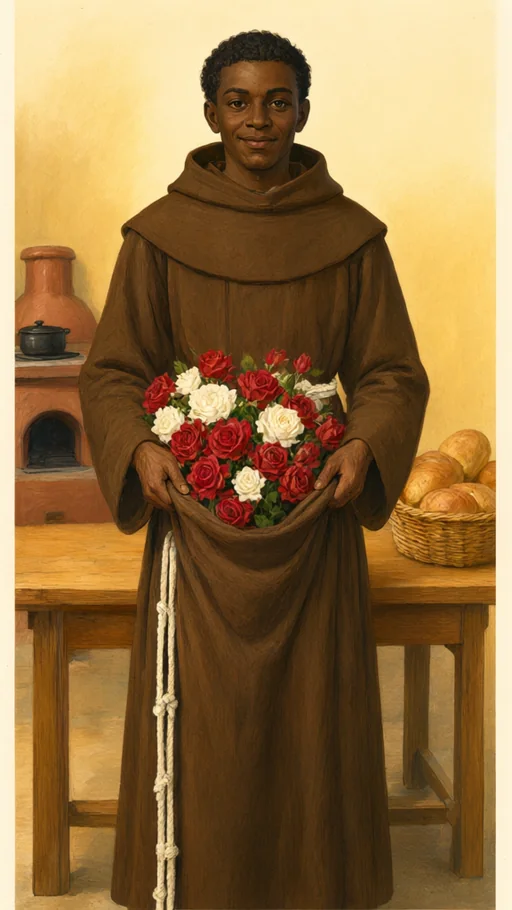
Saint Benedict
The black saint of Palermo, cook and guardian
Franciscan friar, son of enslaved Africans, cook of the convent and patron of the black population. The brotherhoods of black men chose him because he was one of their own, recognized by the Church itself.
-
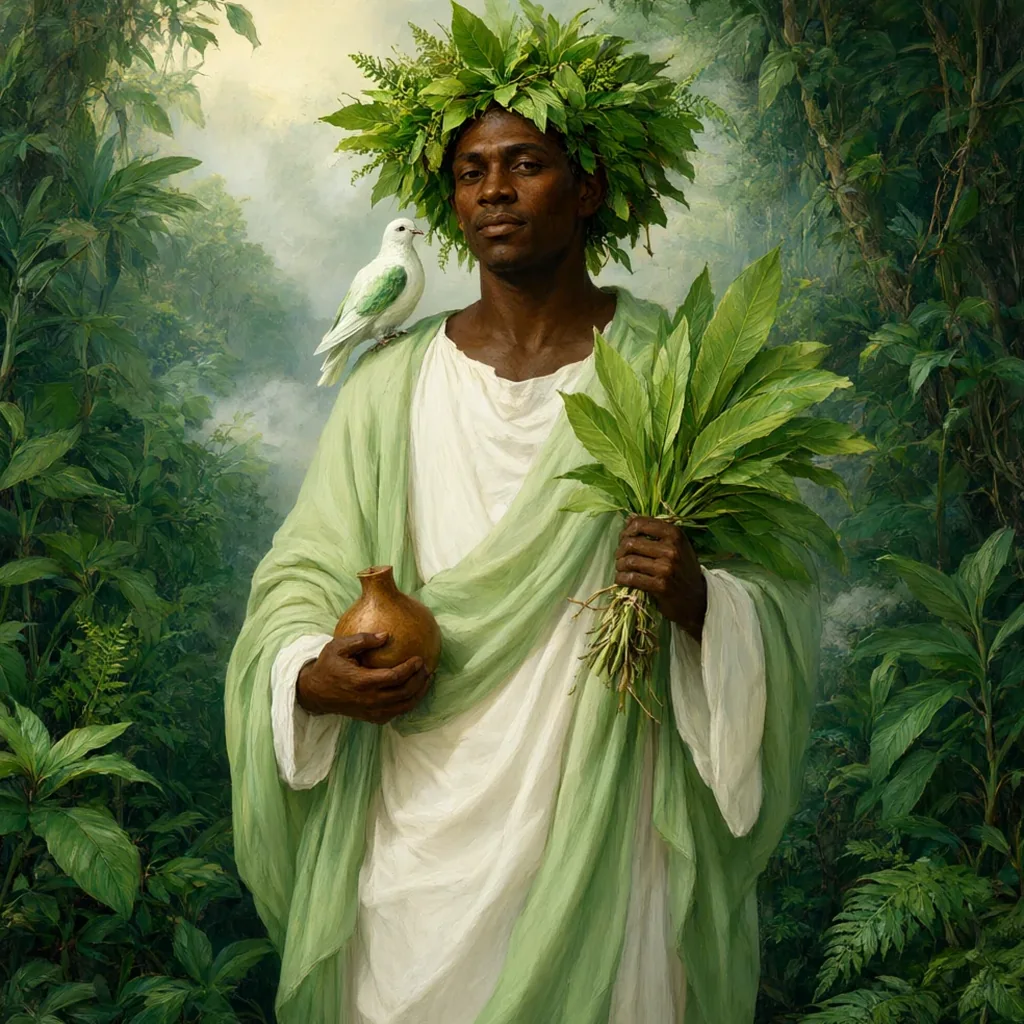
Ossaim
Owner of the leaves, associated with the healing saint
In part of Umbanda and Batuque, the reputation as a healer and October 5th linked the saint to the orixá (orisha) of the leaves. The association is historical, not theological, and many houses today separate the two and work with Ossaim separately.
Know Ossaim
Also lit by
- Pretos Velhos
- Brotherhoods of black men
- Congadas and marujadas
Prayer to light
Prayer of the Saint Benedict the Moor candle for the table and for work
“Saint Benedict, son of people who were enslaved, you who cooked for your brothers with joy and made simple service your path to God, look over my house. I light this white and red candle near the stove and ask that bread, rice, and beans never be lacking for this family. Bless the hands of those who work early and return late. When someone humiliates me because of my color, my clothes, or my accent, give me your calm and your dignity. And may I never close the door to those who arrive hungry, just as you never closed yours. Long live Saint Benedict!”Light the candle and pray
Step by step
How to consecrate the Candle of Saint Benedito
- 1
Choose a place near the kitchen
A firm shelf in the kitchen or dining area, away from the lit stove, gas, and dish towels. Tradition is to leave the saint near where the food is born.
- 2
Set up the saint's small plate
A candle on a saucer, a glass of water beside it, and a small plate with raw rice, beans, or a piece of bread. It is the sign of the oldest prayer request to him: that the house's food does not run out.
- 3
Give thanks before asking
With the candle extinguished in your hands, give thanks for the last meal you made. Benedito is remembered for gratitude and joy in service, even in the little.
- 4
Light and say the prayer
Strike the match, light it, and say the prayer on this page. The Our Father goes well here, because of the bread of each day, and whoever wants can add a Hail Mary.
- 5
Share the food and let the candle finish
Do not blow it out. When the candle finishes, cook the rice and beans and share them, or donate to those in need. The water goes into the soil of a pot and the leftover wax goes into the trash.
Precautions before lighting
- In the kitchen, the candle stays away from the stove, the gas cylinder, and dish towels. Use ceramic saucers and never leave the house with it lit near the gas.
- If you are from a terreiro and want to consecrate Ossaim or a preto-velho, the head of your house is the one who guides you. The saint does not replace that foundation (fundamento).
- If the hardship is regarding food or health, also seek the help that exists: CRAS, food bank, health center, and your doctor.
- Respect the history of the saint: the devotion to Benedito was born from the faith of enslaved Black people and is not decoration or folklore.
Ceromancy
What the flame of the Candle of Saint Benedict shows
Traditional terreiro reading. Before interpreting, check if there is no wind, crooked wick, or poor quality candle.
- Good sign
Cheerful and firm flame
Many devotees read it as a blessed table. The message is to keep working and remember to share when abundance arrives.
- Attention
Low and weak flame
Some houses read it as hardship or discouragement. Talk with the family about the bills, ask for help if you need it, and light it again later.
- Observe
Sparks jumping from the wick
It could be moisture or dirt in the wax. Some read it as news arriving. Move the candle away from any cloth and observe calmly.
- Attention
Dark smoke in the cup
It could be a high wick. Traditionally read as envy surrounding the house. Fumigate with bay leaf, clean the kitchen and, if it repeats, seek guidance.
- Good sign
Candle that ends clean on the saucer
Little residue is usually read as a prayer request delivered in full. Give thanks to the one you prayed to and fulfill the sharing you promised.
Ritual bath and smoke cleansing (defumação)
Herbs that combine with the Candle of Saint Benedict
-

bay leaf
Laurus nobilis
Leaf of kitchen and of abundance. Two bay leaves under the saucer of the saint, and then in the bean pot, link the candle to the daily life of the house.
See the herb -

Basil
Ocimum basilicum
A basil pot on the kitchen window is an old blessing. A small sprig next to the candle perfumes the saint's corner while it burns.
See the herb -

White Rose
Rosa alba
The rose recalls the miracle of the food that turned into a flower in the hands of Benedito. Leave one in the water glass next to the candle until it finishes.
See the herb
Virtual Candle
Light the Saint Benedict Candle now
Choose the type, write your request, and pay by PIX. The flame stays on the altar and you follow along through the link.
Place on the altarFrequently asked questions
Questions about the Saint Benedito Candle
What is the Saint Benedito candle for?
It serves to ask that food never runs out at home, a blessing for those who work in the kitchen and dignity in the face of prejudice. It is a candle of sustenance and respect, lit by Catholics, brotherhoods, congadeiros, and by many people of Umbanda.
What is the day of Saint Benedito, April 4 or October 5?
Both. The universal calendar of the Church marks April 4, the date of his death. In Brazil, since 1983, the main feast is October 5, because April usually falls during Lent or Holy Week, when saint feasts are not celebrated.
Why is the statue of Saint Benedito kept in the kitchen?
Because he was a cook at the convent in Palermo and is the patron saint of cooks. Popular belief says that, with the saint near the stove, the pot does not stay empty. It is a custom of faith and gratitude for food, not a rule of the Church.
Is Saint Benedito an orixá or an Umbanda spirit?
No. He is a Catholic saint with a documented history. In part of Umbanda and batuque, he was associated with Ossaim, due to his fame as a healer and the date of October 5, and with the line of the pretos-velhos. The association is historical, and many houses separate saint and orixá.
Are Saint Benedict and Saint Benedict the same saint?
No. Saint Benedict of Nursia was a 6th century Italian monk, founder of the Benedictines and of the Saint Benedict medal. Saint Benedict of Palermo was a 16th century black Franciscan friar, son of enslaved Africans. They are different devotions.
What to do with the rice and beans from the saint's plate?
The custom is not to waste. After the candle finishes, cook and eat with your family with gratitude, or donate to those in need. Throwing food away goes against everything the cook saint taught.


